



What Is Fuel-efficient Heating Equipment?
Fuel-efficient Heating Equipment refers to cutting-edge heating systems that minimize fuel use while maximizing thermal output. These systems may achieve optimal warmth-to-fuel ratios, reducing operating costs and carbon emissions. Electronic ignition, precision fuel metering, and advanced heat exchangers enable fuel-efficient heating systems to achieve high efficiency ratings. These clever, affordable heating technologies advance traditional heating methods to meet today's high performance standards. These heating systems, whether oil, propane, or other, represent the progression toward these solutions.

Understanding Modern Heating Efficiency Standards
Advanced Combustion Technology for Maximum Fuel Efficiency
Heating technology has changed significantly in the previous decade. The most energy-efficient furnaces and heat pumps maximize BTU efficiency and minimize waste. Modern fuel-efficient heating units use burns technology to use about 100% fuel, unlike previous methods that squander energy owing to poor combustion and heat transfer. Unlike older heating methods, which waste energy.
Precise Air-to-Fuel Ratio and Smart Thermostat Integration
Modern systems include precise air-to-fuel ratio controls for optimal burning. This technology produces greater heat with less fuel than previous heating systems. Smart thermostat integration allows these systems to dynamically respond to temperature changes, preventing energy waste by exceeding predetermined temperatures.
Hybrid and Condensing Systems for Optimized Heat Output
Several engineering advances boost efficiency. Combine heat pump technology with traditional fuel systems to create hybrid heat pumps that automatically pick the best heating method for the outside environment. Condensing boilers utilize exhaust gasses heat, whereas older systems just vent them.
Improved Insulation and Design to Minimize Heat Loss
Insulation in equipment design reduces heat loss during operation. Modern materials and building techniques ensure heat is channeled to your place. This prevents heat loss via device housing. These innovations enable heating systems to reach 90% efficiency. This contrasts with prior systems, which average 60–70% efficiency.
Regulatory Standards Driving Innovation in Energy-Efficient Heating
Environmental regulations now require new heating equipment to meet stricter efficiency standards. These rules force manufacturers to create more sophisticated systems that meet performance and environmental standards, spurring fuel-efficient heating equipment innovation.
Critical Problems Solved by Advanced Heating Solutions
Reducing Energy Costs with Fuel-Efficient Heating Solutions
Residential and business customers face financial strain from rising energy expenses. Traditional heating systems use too much fuel and provide uneven heat, increasing operating costs and customer irritation. Fuel-efficient heating equipment solves these problems with smart design and performance.
Reliable Performance in Harsh Weather Conditions
Unreliable heating in cold temperatures is dangerous and uncomfortable. Robust design and backup ignition mechanisms make modern heating solutions reliable in difficult situations. Electronic ignition reduces manual lighting irritation and ensures constant starting performance in all weather.
Independent Backup Heating for Power Outages
Power dependence makes you vulnerable during power outages, when warmth is most needed. Eco-friendly boilers that operate independently of energy grids are needed for backup heating. While providing emergency warmth, these systems utilize little fuel even when running for long durations.
Cleaner Combustion for Improved Air Quality
Poor combustion in older heating systems causes air quality concerns. Modern equipment uses advanced combustion technology to fully burn fuel, reducing harmful emissions and improving air quality. Effective ventilation can keep interiors healthy and boost heating efficiency.
Low-Maintenance Designs for Cost and Time Savings
Maintenance is difficult and expensive for typical heating system users. Improvements in component design or materials minimize maintenance demands for fuel-efficient heating systems. Electronic controls remove mechanical wear points in regions that require frequent maintenance, and stainless steel structures resist corrosion.
Portable Heating Solutions for Remote and Off-Grid Locations
Remote heating provides distinct issues due to restricted infrastructure. Heating without utilities is possible with portable heating solutions with prolonged runtime. These systems deliver professional-grade heating with fuel economy that makes prolonged operation profitable.
Core Engineering and Performance Features
Precision Combustion Chambers for Maximum Fuel Efficiency
Modern fuel-efficient heating equipment uses precision-engineered combustion chambers to optimize heat extraction from every drop of fuel. Scientifically developed airflow patterns assure full fuel combustion and minimize waste heat in these chambers. Traditional exhaust systems waste thermal energy, whereas advanced heat exchangers collect it.
Reliable Electric Ignition with Safety Interlocks
Electric ignition systems ignite reliably and use little electricity. Electronic ignition only uses fuel when heating starts, improving fuel economy over pilot lights. These systems include safety interlocks that restrict gasoline flow without ignition, improving operating safety.
Fuel Metering and Variable-Output Controls for Optimized Heating
Fuel metering systems precisely distribute the proper quantity of fuel for heating needs. Variable-output controls in fuel-efficient heating equipment adjust heating intensity based on actual requirements rather than operating at fixed output levels. This reduces fuel consumption and maintains comfort.
360-Degree Heat Distribution and Enhanced Convection
Heated areas are evenly heated using heat distribution technologies. 360-degree heating eliminates chilly patches and prevents localized overheating. Air circulation improves with convection augmentation, lowering energy needed to reach goal temperatures across regions.
Tank Capacity Optimization for Portability and Extended Runtime
Portability and runtime are balanced via tank capacity optimization. Modern designs use fuel-efficient consumption rates to enhance operational duration without needing large fuel storage. A well-designed system at 0.23-0.26L/h can heat all night with small fuel reserves.
Integrated Safety Systems for Tip-Over, Overheating, and Ventilation Protection
Safety integration includes automated shutdown for tip-over, overheating, and ventilation defects. These systems safeguard users and prevent equipment damage that might reduce efficiency. Even under difficult situations, many safety layers assure dependable functioning.
Advanced Technology Integration
Hybrid Heat Pump Integration for Reduced Fuel Consumption
Modern heating systems use many technologies to maximize efficiency. Integration of heat pump technology reduces main fuel use in mild weather by extracting ambient thermal energy. This hybrid technique optimizes fuel burning and heat pump performance dependent on environmental variables.
Smart Sensors for Continuous Combustion Optimization
Smart sensors continuously modify combustion efficiency to optimize performance. Oxygen sensors provide appropriate air mixing, while temperature monitoring prevents fuel-wasting overheating. These sensors maintain optimal efficiency without human involvement.
Condensing Technology to Recover Waste Heat
Before redirecting exhaust gas heat to previously heated regions, waste heating systems may collect thermal power. Condensing technology extracts heat from combustion waste water vapor, increasing system efficiency by 10-15%. Without using gasoline, this recovered energy increases efficiency plain and simple.
Programmable Controls for Efficient Heating Schedules
Programable heating controls match heating operation to occupancy patterns. These controls limit fuel use while unoccupied and maintain pleasant heating temperatures when needed. Advanced models optimize scheduling based on user habits.
Exhaust Heat Recirculation to Maximize Thermal Efficiency
Exhaust heat warms entering air, boosting fuel burning efficiency and lowering cold air intrusion, which affects heating efficiency. This closed-loop concept optimizes thermal energy use during heating.
Competitive Advantages and Market Position
Cost Savings Through Reduced Fuel Consumption
Fuel-efficient heating equipment delivers measurable cost savings through reduced fuel consumption compared to traditional alternatives. Energy-saving heaters save operating expenses by 20-40% while improving heating effectiveness. Over long heating seasons, this savings may recoup equipment costs in 2-3 years.
Durable Construction for Long-Term Reliability
Longer use durations show dependability advantages in instances where performance is crucial. A high-quality construction made of cold-rolled steel and stainless steel ensures reliability. This architecture can sustain thousands of cooling cycles. Professional-grade materials withstand wear and corrosion, which reduce efficiency in lower-quality alternatives.
Versatile Systems for Multiple Heating Applications
Single heating systems are versatile enough for many uses. Modern fuel-efficient systems meet different needs for workplace heating, emergency backup, and outdoor adventure comfort. Flexibility is a huge advantage over specialized heating equipment.
Environmental Benefits from Lower Emissions and Carbon Footprint
Environmental advantages include decreased carbon footprint from fuel efficiency and emission reduction. Green heating systems function well and fulfill stricter environmental regulations. Choosing efficient heating equipment shows environmental responsibility and boosts operations.
User-Friendly Operation for Consistent Efficiency
Operational simplicity decreases training and user mistakes that diminish efficiency. Fuel-efficient heating equipment has intuitive controls and automatic safety measures for easy operation without technical expertise. This accessibility guarantees efficiency advantages are realized across broad user demographics.
Off-Grid Capability for Reliable Heating in Remote Locations
Locations without electrical infrastructure may heat when typical heating equipment fails. Gravity-fed gasoline pumps and battery-powered igniting mechanisms provide dependability. This is crucial during power outages or system inaccessibility. This independence is crucial for companies that need to operate off-grid and be prepared for crises.
Future Development and Market Trends
Intelligent Connectivity for Remote Monitoring and Optimized Performance
Intelligent connectivity capabilities increase technological integration. These features enable heating system monitoring and control. Internet access permits optimization based on weather predictions and occupancy trends and gives maintenance warnings to maintain peak performance. These improvements will make the user experience easier and minimize fuel usage.
Integration of Renewable and Alternative Fuels
Alternative fuel development prioritizes renewable, sustainable fuels that work with heating equipment. Biofuels and synthetic substitutes heat well and are environmentally friendly. These fuel innovations will increase green heating alternatives.
Regulatory-Driven Innovation in Heating Technology
Heating technology evolves as efficiency regulations increase performance demands. This development drives boiler technology innovation. Recent regulatory changes will spur technology innovation and increase efficiency. Manufacturers must constantly enhance designs to meet changing requirements while remaining cost-effective.
Modular Systems for Customized and Scalable Heating
Heating solutions may be tailored to individual applications using modular systems. Scalable heating systems let consumers choose capacity and features instead of adopting predetermined designs. This flexibility will enhance efficiency by adjusting heating to application needs.
Energy Storage Solutions for Efficient Heat Management
Energy storage will allow heating equipment to store heat during efficient operation for use at peak demand. The gadget will use hot water more efficiently. Using warmth storage smooths energy use and maintains heated comfort. These innovations optimize fuel consumption across variable demand patterns.
Conclusion
Fuel-efficient heating equipment has evolved from traditional heating systems to provide cost-effective, efficient solutions that meet modern performance and environmental standards. Through advanced combustion technology, electrical controls, and precision engineering, these systems achieve greater warmth-to-fuel ratios. Effective heating systems provide reliable performance and minimize running costs and environmental effect. Suitable for emergency preparation, outdoor excursions, and professional applications, fuel-efficient heating equipment advances with intelligent features and compatibility with alternative fuels, ensuring relevance for future heating challenges.
FAQ
Q1: How much fuel does efficient heating equipment typically consume per hour?
A: Standard operation of modern fuel-efficient heating equipment uses 0.23-0.26 liters per hour. Heating output, ambient temperature, and equipment design affect consumption. High-efficiency versions can heat for 13+ hours from a 4.3-liter fuel tank, making them cost-effective for long durations.
Q2: Can fuel-efficient heating systems operate safely indoors?
A: Quality fuel-efficient heating systems include automated tip-over shutoffs, electronic ignition, and modern combustion technology for safe interior operation with optimum ventilation. However, respect manufacturer ventilation standards and never run fuel-burning equipment in sealed locations without air movement.
Q3: What maintenance does fuel-efficient heating equipment require?
A: Regular maintenance includes combustion chamber cleaning, fuel line inspection, safety system inspection, and ventilation. Advanced materials and design make current systems low-maintenance. Cleaning and using quality fuel to avoid deposits are basic user maintenance, while annual expert inspection assures maximum performance and safety.
Partner with TOJIRO for Superior Heating Solutions
TOJIRO combines traditional Japanese craftsmanship with cutting-edge technology to provide fuel-efficient, eco-friendly heating equipment. We are a renowned manufacturer of fuel-efficient heating equipment and provide bespoke solutions with ISO9001:2015 certification, 45-day production cycles, and one-year guarantees. The Toshiba TJR-S85 eight thousand BTU kerosene heater we sell is efficient. It can run for 13 hours and produces 2400W. To discuss your unique heating needs and to learn how our knowledge might improve your heating applications, please get in touch with us at [email protected].
References
1. American Society of Heating, Refrigerating and Air-Conditioning Engineers. "Energy Efficiency in Combustion Heating Systems: Design Standards and Performance Metrics." ASHRAE Technical Publication, 2023.
2. Department of Energy Office of Energy Efficiency and Renewable Energy. "Residential and Commercial Heating Equipment Efficiency Standards: Implementation and Market Impact Analysis." Federal Energy Management Program, 2022.
3. International Organization for Standardization. "Portable Fuel-Burning Heating Equipment: Safety and Performance Requirements." ISO Technical Committee Report 9001:2015, 2023.
4. National Institute of Standards and Technology. "Advanced Combustion Technology in Portable Heating Systems: Efficiency Measurement and Safety Protocol." NIST Special Publication Series, 2022.
5. Society of Automotive Engineers. "Fuel-Efficient Heating Systems for Mobile and Remote Applications: Engineering Standards and Best Practices." SAE Technical Standards Committee, 2023.
6. Environmental Protection Agency. "Clean Air Standards for Fuel-Burning Heating Equipment: Emission Requirements and Certification Processes." EPA Office of Air Quality Planning, 2022.

USER EVALUATE
Here is the customer's evaluation of us
_1763609661748.webp) VIEW MOREoutdoor camping heaters
VIEW MOREoutdoor camping heaters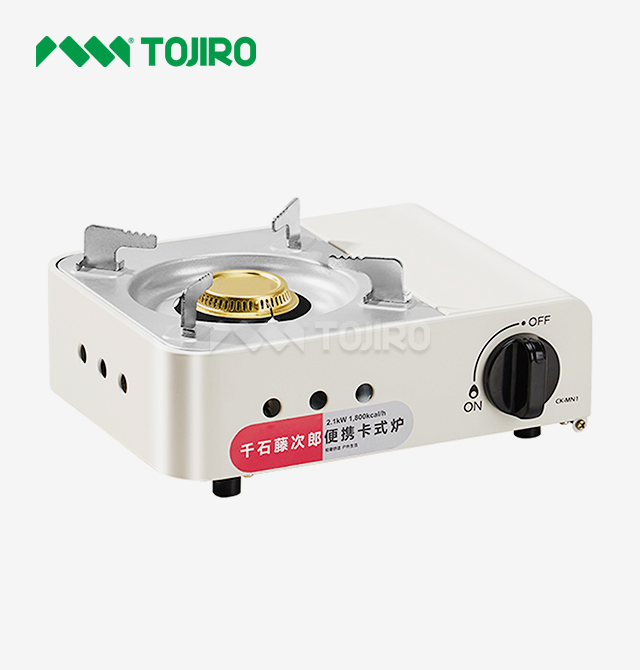 VIEW MOREportable burner butane
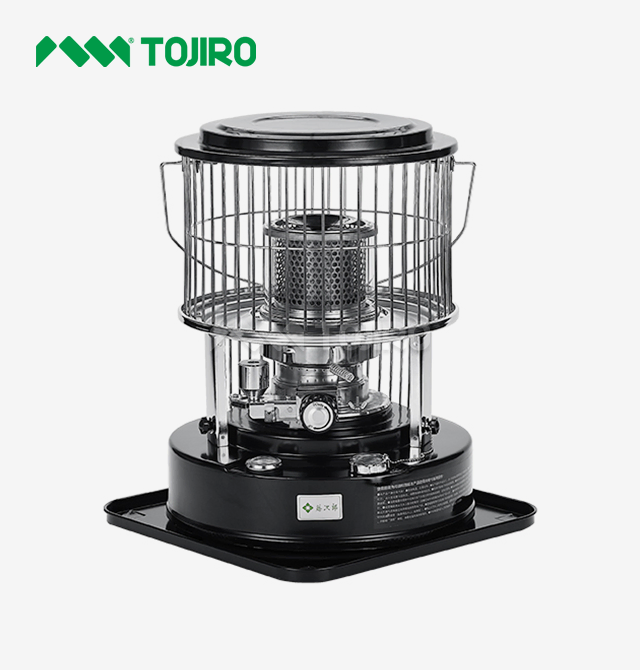 VIEW MOREefficient kerosene heaters
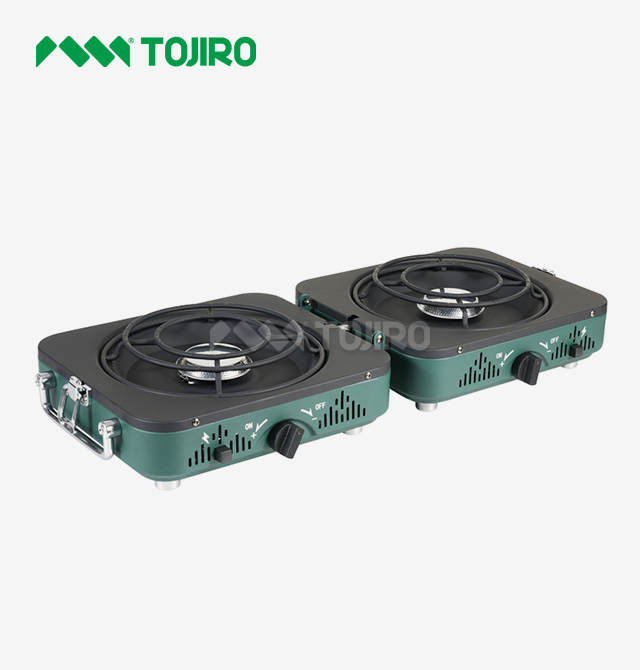 VIEW MOREchinese propane wok burner
_1763607842349.webp) VIEW MOREoutdoor standing propane heater
VIEW MOREoutdoor standing propane heater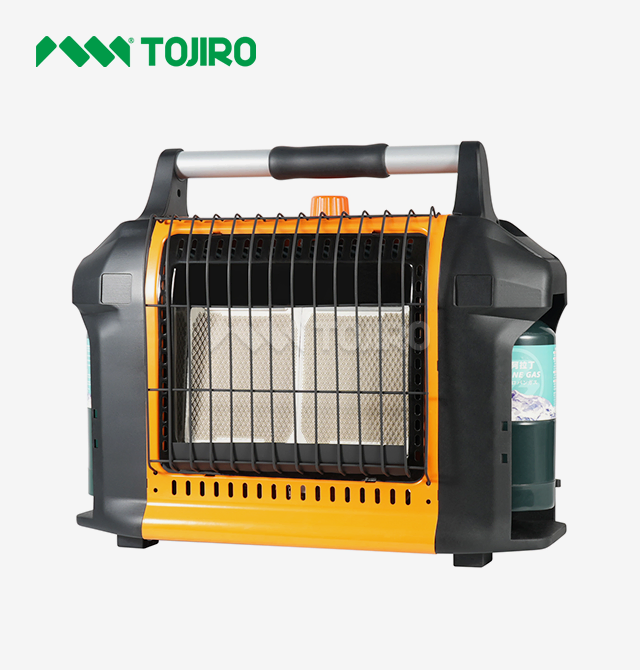 VIEW MOREhigh efficiency direct vent propane heater
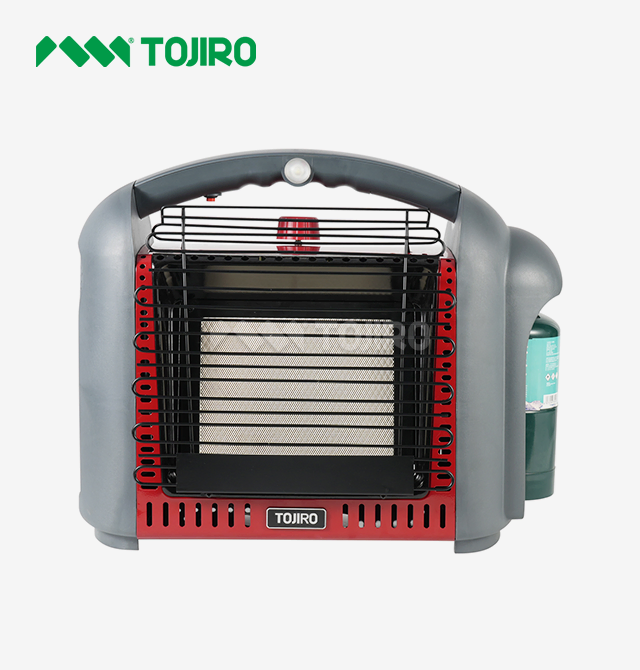 VIEW MOREpropane heater outdoor camping
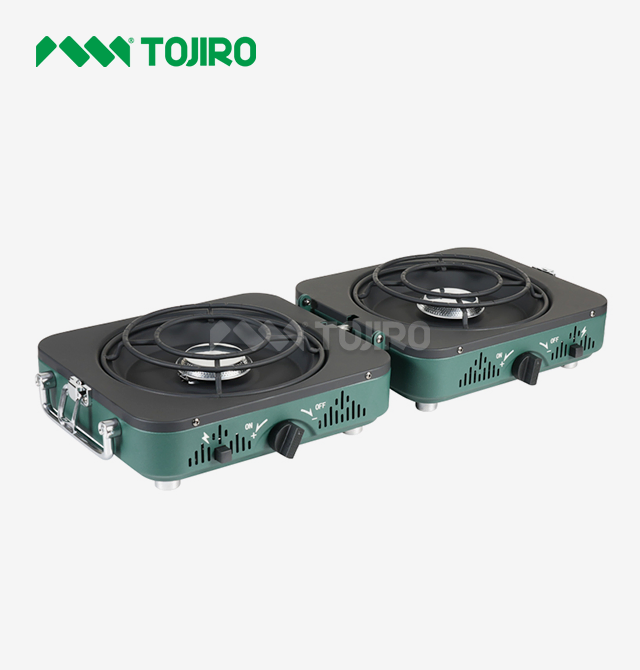 VIEW MORE2 burner portable butane stove