


What Is a Free Standing Vented Propane Heater?
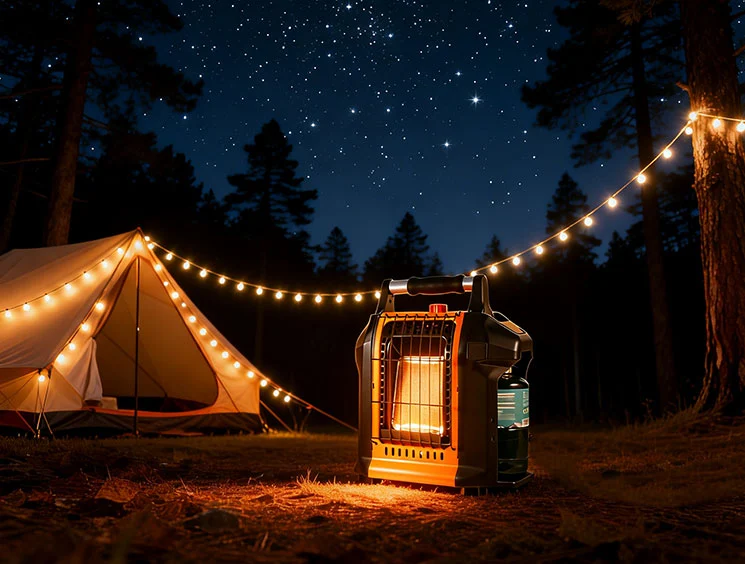
A free standing vented propane heater is a movable heater that burns propane fuel and safely vents the combustion leftovers outside. It provides strong, safe warmth. Unlike models that don't have vents, which let smoke into the room, these units have built-in venting systems that keep dangerous gases away from areas where people are. Because of their design, they are very useful in business, industrial, and large-scale domestic settings where safety and air quality must be maintained. Vented gas heaters are portable and have a strong heating capacity. They can be put in a variety of places without having to be permanently installed, and they still meet strict safety standards that are important for B2B purchasing choices.
Understanding Free-Standing Vented Propane Heaters
Core Definition and Structural Components
The machine is "free-standing" because it doesn't need to be mounted on the wall or attached permanently. Because they are mobile, heaters can be moved around to meet different space needs. This is a very important feature for rental companies, event planners, and sites that have to deal with changing occupancy trends. The venting method makes these free-standing vented propane heaters different from small ones. Gases from combustion, such as carbon dioxide, carbon monoxide, and water vapor, move through sealed tunnels or lines that end outside the building shell. This outflow path keeps oxygen levels steady and keeps the air inside from becoming contaminated. This addresses health and safety concerns that procurement teams look at when they are choosing heating equipment for closed offices or areas where customers will be.
How Venting Technology Enhances Safety
Ventilation systems work either by natural draft or by using electricity to move air around. Different temperatures are what make natural draft systems work. Hot exhaust gases rise through vertical lines, making negative pressure that pulls fresh air for burning into the burner. This passive method works best for setups with a good ceiling height and little wind disturbance. Powered ventilation uses small fans to force exhaust gases out of the system. This allows for horizontal vent runs and installation freedom in buildings with complicated plans. The walled combustion chamber keeps exhaust streams and indoor air from mixing, which gets rid of the backdraft risks that come with older appliances that use chimney vents.
Benefits and Efficiency of Free-Standing Vented Propane Heaters
Clean Combustion and Air Quality Advantages
Particulate pollution from free-standing vented propane heater combustion is much lower than that from gas heaters or machines that burn wood. When propane is mixed with enough oxygen, its chemical structure lets it almost completely oxidize, making carbon dioxide and water vapor as results. Ventilating these products outside keeps the indoor air quality at a level that is important for places like hotels, glamping sites, and business event venues, where the comfort of guests affects the brand's image. Electric resistance heating completely avoids burning, but it sends pollution upstream to power plants. The overall impact on the environment varies depending on the type of energy sources in the area. In many grids, natural gas and coal plants are the main sources of electricity, a free standing vented propane heater, which makes propane's on-site efficiency competitive in terms of lifecycle emissions. When procurement workers look at environmental goals, they shouldn't just look at point-of-use emissions, but also at these bigger systemic factors as well.
Energy Output and Operational Cost Analysis
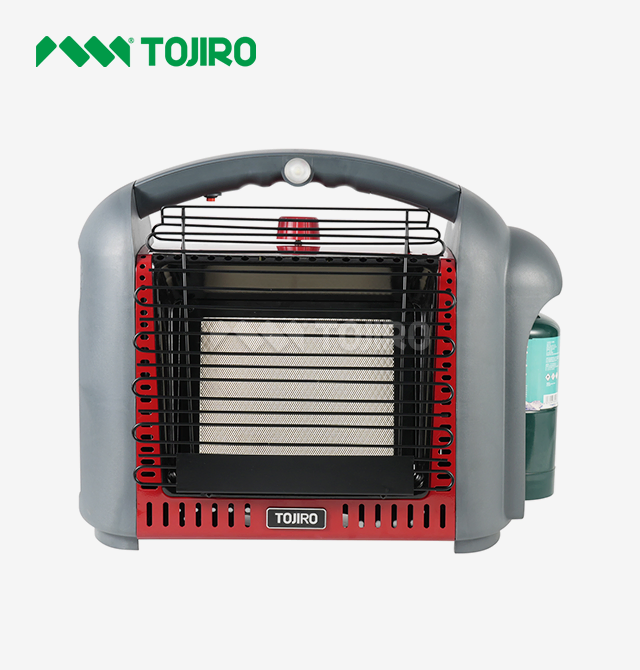
BTU (British Thermal Unit) numbers show how much heat something can hold. In moderate climates, a 9,000 BTU unit like the TOJIRO GH25-9B can successfully heat between 300 and 350 square feet, assuming normal insulation and ceiling heights of eight feet or more. To keep temperatures where they need to be, industrial settings with high ceilings, lots of door openings, or not much shielding need significantly more BTU output. About 91,500 BTUs are in one gallon of propane. About 9,150 BTUs are produced by a heater that uses 0.1 gallons of propane per hour. Taking into account that vented units usually have a rate of 80 to 85 percent for combustion, the real heat provided to the space is between 7,300 and 7,800 BTUs per hour. Based on local propane prices, which in 2024 ranged from $2.50 to $3.50 per gallon across the U.S., this efficiency calculator helps buyers predict how much fuel they will use and how much it will cost to run.
Sizing Guidance for Optimal Performance
Proper capacity matching keeps fuel from going to waste and makes sure there is enough heat. Different types of buildings, like cold storage, work trucks, and outdoor event tents, have different thermal load problems that need special formulas. The basic formula takes the volume of the room, the temperature rise that is wanted, and a fixed number that takes into account the quality of the insulation. The temperature inside a 400-square-foot tent with 10-foot walls needs to be raised 40 degrees Fahrenheit above the outside temperature. To start warming the room, divide 400 square feet by 10 feet, multiply by 0.24 (the BTU constant), and you get 38,400 BTUs. Depending on the wind exposure and the amount of heat gain from people inside, keeping the temperature steady while heat is being lost could take 12,000 to 15,000 BTU of constant output. Choosing a unit with a capacity of 15,000 to 18,000 BTU gives you enough storage without too much spinning.
Installation and Maintenance Essentials
Professional Setup Requirements
Pay close attention to the manufacturer's instructions and local building rules when installing a free-standing vented propane heater ventilation system. The size of the vent pipe, how high it ends above the ceiling, and how far it must be away from windows or air openings are all legal issues that go beyond performance concerns. Installations that don't follow the rules cancel product warranties and put buyers at risk of damage that institutions can't accept. Certified HVAC techs know how to do pressure tests and combustion analysis, which proves that the system is working properly. These experts make sure there is enough air for burning, that the draft works right, and that setups are recorded for facilities management records. Professional installation usually costs between $200 and $500 for simple home setups and more for business projects. This small fee saves you from callbacks, safety incidents, and regulatory problems that cost much more than this.
Ongoing Maintenance Protocols
Dust and burning leftovers build up in burner orifices, which slows down gas flow and lowers efficiency over time. Cleaning once a year with compressed air or special wire brushes brings back the best performance. This easy task only takes fifteen to twenty minutes and stops the gradual loss of efficiency that causes fuel use to rise by ten to fifteen percent after three to four seasons of neglect. Vacuuming or cleaning heat exchanger surfaces on a regular basis is a good way to get rid of dust that builds up on metal surfaces and makes heat transfer less effective. During cleaning, inspection finds cracks or corrosion that a free standing vented propane heater means a part is about to break. This lets you change the part before it breaks down unexpectedly and stops activities.
Warranty Coverage and Parts Availability
Tojiro offers a one-year warranty that covers all production flaws and part breakdowns within normal working conditions. This promise eases worries about dealing with unknown foreign suppliers and shows that the maker trusts the quality of the build. Longer warranty periods are good for rental businesses and big buyers who want to know how much the whole project will cost and not be surprised by service costs. Long-term serviceability depends on how easy it is to get replacement parts. Cold-rolled steel cabinets can handle being stored outside and being moved around rough conditions that are common in rental companies, but thermostats, ignition systems, and valve units need to be serviced at some point. Making sure that OEM parts are still available and not too expensive stops cases where $40 thermostats become unavailable, turning $300 heaters that would have worked into useless trash metal. TOJIRO keeps a large inventory of parts for all of the products it has made over the past 20 years. This gives big buyers the peace of mind they need when standardizing equipment in multiple places.
Comparing Free-Standing Vented Propane Heaters to Alternatives
Unvented Portable Propane Heaters
Unvented types don't need ductwork or complicated installation because they send combustion products straight into warm areas. This method works well for short-term outdoor uses or well-ventilated, partially enclosed spaces, but it raises major safety issues when used indoors. About one gallon of water is released for every gallon of propane that is burned. This causes humidity problems that can lead to mold growth and structural damage in buildings that are closed off. Even though oxygen monitors show that oxygen levels are low, carbon monoxide buildup is still a real health risk. These devices stop dangerous amounts of oxygen, but they might not work fast enough in small, enclosed areas where CO levels rise quickly. Building codes and insurance policies are making it harder for business owners to use unvented heaters in buildings that are already occupied.
Electric Resistance Heaters
When you use an electric unit, you only have to plug it in and change the temperature. There are no safety issues with combustion units. This ease of use draws hospitality clients who value guest usability over staff efficiency. Electric heaters, on the other hand, only heat when power is connected to the grid. This leaves buildings open to damage during power blackouts, which is exactly when backup heating is most important. Using a lot of power makes the electrical grid work harder, which limits how flexible distribution can be. At 120 volts, a 2,600-watt heater uses almost 22 amps, which is more than most 15-amp circuits can handle and needs special 20-amp wiring. When several units are running at the same time, they put a lot of stress on the electrical system, which can damage older buildings or temporary structures.
Application-Specific Suitability
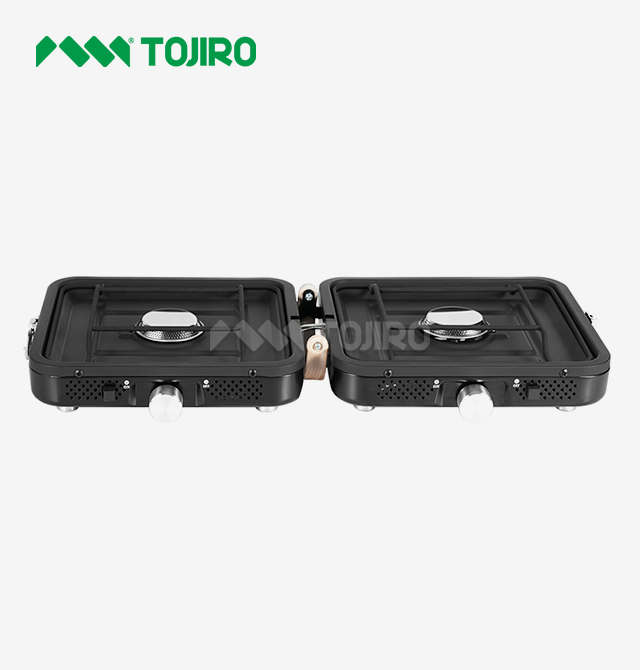
Businesses that offer glamping and high-end outdoor entertainment, like vented gas heaters, because they look nice and are quiet when they're working. Units like the TOJIRO GH25-9B combine useful heating with a sleek industrial design that works well in places where customers will be. The covered burner assembly gets rid of the obvious flames that add to the atmosphere but can be dangerous for drunk guests or kids who aren't being watched. Temporary heaters on a construction site need to be tough and use little fuel. The cold-rolled steel construction can handle being hit by mistake, being exposed to building dust, and being rough-handled while being moved from one project to another. Contractors like having a choice of fuels, so they can use throwaway cylinders for small jobs and large LPG tanks when they need to stay on the site for a longer time.
Procurement Guide for Buyers
Pricing Structure and Volume Considerations
Industrial-grade free-standing vented propane heaters with 9,000 to 12,000 BTU units cost between $280 and $450 and are well-built and have many safety features. When you buy imports for less than $200, they usually skimp on safety standards, the quality of the materials, or the speed of the burning process. These are called "false economies" that cost you in the long run. Premium brands cost between $500 and $700, but they rarely offer performance gains that are significant enough to support the higher prices for business uses that value sturdiness and dependability over luxury features. Buying in bulk can save you a lot of money per unit. TOJIRO's minimum order size of 1,000 units lets buyers get OEM pricing, which cuts prices 25 to 35 percent below retail free standing vented propane heater while still letting buyers specify their own needs. Rental companies that are adding more vehicles, hotel chains that are standardizing amenities across all of their properties, and disaster aid groups that are stockpiling emergency supplies can reach these large groups more easily than individual customers. This gives them access to B2B pricing benefits that they can't get through retail channels.
Supplier Selection Criteria
ISO 9001:2015 approval proves that organized quality management is used, not just saying that you want to follow the rules. This standard is known all over the world and needs processes to be written down, internal audits to happen regularly, and methods for ongoing improvement that keep quality from dropping during long production runs. When buyers order thousands of units over a number of years, they need to know that unit 10,000 will perform exactly the same as the first models. They don't want to find that specifications change over time, which makes the reliability of the units less reliable. Where an item is made affects how it is shipped, how it goes through customs, and how easy it is to get help after the sale. The Zhongshan plant in China, which is run by TOJIRO, serves markets around the world through established freight forwarding partnerships that make foreign shipping easier. Shipping containers fit between 800 and 1,000 items in a 40-foot container, which makes freight prices more efficient for large sales. Buyers should make sure that the price includes delivery to either the port of entry or the end location, since rural shipping and customs clearance add a lot of cost to FOB quotes.
White-Label and Customization Opportunities
OEM partnerships let well-known brands add more products to their lines without having to invest in their own production. A specialty outdoor store could work with TOJIRO to make heaters with their name on them, custom color schemes that fit their company style, and packaging that is made to look good on store shelves. This method uses TOJIRO's manufacturing know-how while the partner provides access to markets and builds the brand's image.ODM ties are good for buyers who need to make specific changes besides cosmetic branding. A glamping vacation network could ask for high-end finishes, smart heaters that are built in, or specific BTU outputs that match the insulation needs of each tent. TOJIRO's engineering team looks at whether an idea is technically possible and how much it will cost. They then make samples to test their ideas before committing to making production tools.
Conclusion
Free standing vented propane heaters offer a great mix of heating efficiency, safety, and operating freedom that can be used in a wide range of B2B settings in the event, building, disaster management, and hospitality industries. Concerns about indoor air quality are taken care of by venting technology, and propane fuel offers energy density and infrastructure freedom that electric options can't match. The equipment will last longer and give you a better return on your investment if it is properly sized, installed by a professional, and maintained regularly. When looking for sources to buy in bulk, give more weight to companies that have quality certifications, quick customer service, and the ability to make changes that fit your business needs and brand standards.
FAQ
1. Can vented propane heaters safely work in partially enclosed commercial spaces?
Vented propane heaters work best in partly enclosed spaces as long as the venting system ends outside, as directed by the maker. Because the combustion chamber is sealed, the exhaust doesn't mix with the air inside. This means that these units can be used in garages that have good airflow, covered patios, or three-sided event tents where installing fans correctly is still possible. Minimum ventilation standards are often written in building rules and are measured in air changes per hour. Your HVAC contractor should check these numbers while planning the installation. Spaces that are totally shut off from fresh air still need to be handled with care and may need extra ventilation on top of what the free-standing vented propane heater provides. Oxygen depletion monitors are a backup safety measure, but they should never be used instead of properly installing vents and making sure the building has enough air flow.
2. What maintenance schedule minimizes downtime for rental fleet operations?
Before the season starts, rental businesses should do full inspections that include cleaning the burners, maintaining the heat exchangers, testing the safety sensors, and checking for gas line leaks. Between rentals, do quick eye checks to make sure there was no damage from the customer and to make sure the starting system works. Keep track of the total number of working hours instead of the date, and plan big service intervals every 200 to 300 hours of operation, no matter how many months have passed. This method takes into account the fact that unit usage varies, with some units opening up quickly during the winter and others sitting empty for the most part. Keep detailed service logs that show what maintenance was done on each serial number. This will make sure that everyone is responsible and help you figure out which units are consistently giving you trouble and need to be taken off the current inventory. Failures in the field that are embarrassing can be avoided with proactive upkeep. This also protects your image with business clients who expect your tools to work perfectly all the time.
Partner with a Trusted Free-Standing Vented Propane Heater Manufacturer
TOJIRO blends Japanese-style precision craftsmanship with modern production techniques that are best suited for working with other businesses. Our production is ISO-certified, so the quality is the same for small orders as well as large ones. We also keep the 45-day response time to meet your project deadlines. Whether you need turnkey goods that can be sold right away, white-label solutions that help your brand grow, or custom-engineered heating equipment that fits your exact needs, our experienced team can help you with every step of the process, from purchase to deployment. The GH25-9B model shows how much we care about safety, dependability, and performance. It comes with a one-year guarantee and quick technical support. Retailers get free standing vented propane heaters at low prices that sell quickly, rental businesses get long-lasting gear that can handle tough conditions in the field, and institutional buyers get heating solutions that are safe and meet strict safety standards. To talk about your heating equipment needs and find out how our sourcing experts can help your business reach its goals, email our sourcing experts at [email protected].
References
1. Anderson, R. M. (2023). Industrial Heating Equipment: Selection and Procurement Guidelines. Technical Press International.
2. National Fire Protection Association. (2024). NFPA 54: National Fuel Gas Code. NFPA Standards Publications.
3. Chen, L., & Roberts, D. (2023). Comparative efficiency analysis of portable heating technologies. Journal of Industrial Energy Management, 45(3), 178-195.
4. U.S. Department of Energy. (2024). Commercial Heating Systems: Energy Efficiency Benchmarks. DOE Technical Report Series.
5. Williams, J. T. (2024). B2B Procurement Strategies for HVAC Equipment. Business Technology Publishers.
6. International Organization for Standardization. (2023). ISO 9001:2015 Quality Management Systems: Requirements for Manufacturing Excellence. ISO Publications.

USER EVALUATE
Here is the customer's evaluation of us
_1763607881538.webp)
_1763607940917.webp)
_1763606648921.webp)
_1763606628283.webp)