



What Is a Burner Portable Camping Stove Used For?
In places where there isn't a standard kitchen, a 2 burner portable camping stove can be used as a flexible outdoor cooking option. These 2-burner portable camping stoves are portable and can cook a lot, so they are necessary for businesses that cater, emergency response teams, people who plan outdoor events, and rental service providers. With typical BTU outputs of around 8,000 per burner and the ability to work with either propane or butane fuel systems, these stoves perform like restaurant-quality equipment in the field while still being small enough to move and store in large numbers.
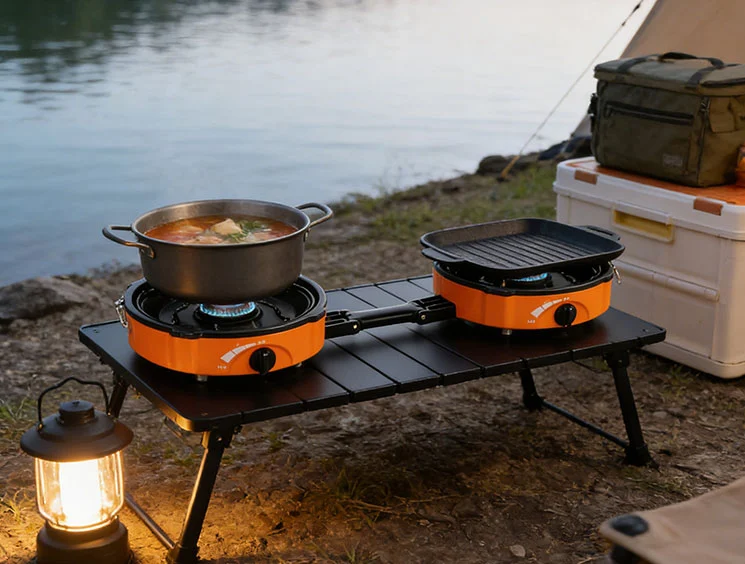
Understanding 2 Burner Portable Camping Stoves: Purpose and Key Applications
The main difference between a single-burner and a 2-burner portable camping stove is how well they work and how well they optimize operations. A 2-burner portable camping stove allows for parallel food preparation, such as boiling water for drinks while cooking proteins or veggies. Single-burner units require sequential cooking processes. This feature changes the order of tasks needed to prepare meals from a straight line to multiple tasks happening at the same time. In business settings, this cuts the total time needed for service by 40 to 50 percent.
Commercial Catering and Event Management
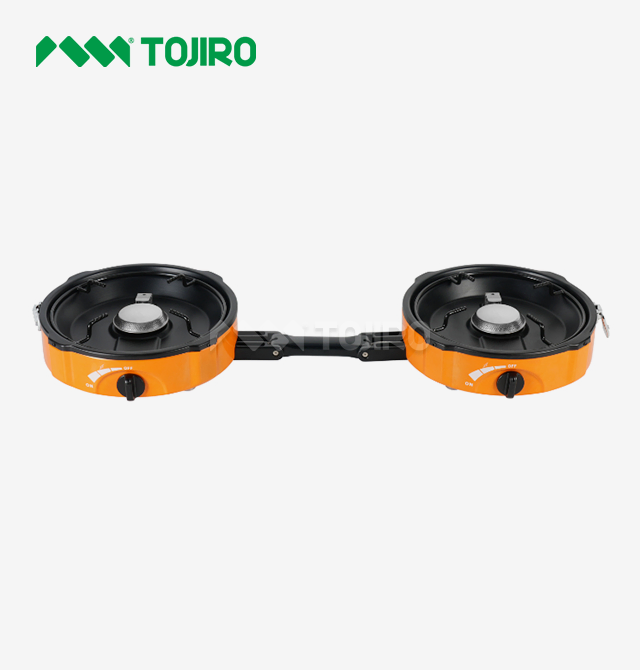
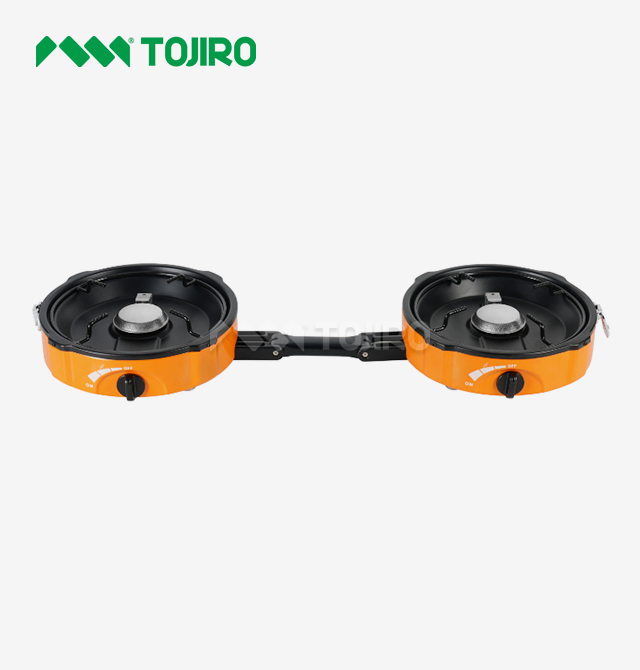
2-burner portable camping stoves are essential for professional caterers who work in outdoor settings, fairgrounds, and remote business event sites to keep up service standards. The TOJIRO TJR-BK39 type is a good example of this use because it has two 2.3kW burners that produce a total of 16,000 BTU. This much power lets you cook a lot of food at once, and the cold-rolled steel structure and powder coating make it last through many setup and breakdown rounds. Event planners who buy at least 1,000 of these units like that they can be made in 45 days, which fits in with the plans for planning seasonal events.
Emergency Response and Disaster Relief Operations
Government agencies and emergency aid groups need cooking equipment that works reliably even when things go wrong. Field kitchens use a 2-burner portable camping stove during natural disasters, military activities, and emergency centers. The pressure-regulating valve technology keeps the flame output constant, even if the fuel pressure or altitude changes. Equipment stays in good shape during fast deployment and transport in emergency vehicles thanks to packaging that can survive drop tests from one-meter heights at eight angles.
Rental Services and Glamping Operations
The outdoor hotel industry has grown a lot, and glamping sites, 2 burner portable camping stoves, and companies that give out camping gear need equipment that is both durable and easy to use. Rental businesses focus on machines that are easy to use and don't need much upkeep for customers with different levels of outdoor experience. The open flame and infrared burner head work together to let you cook in a variety of ways, from quickly boiling to slowly warming. Spray trays that are easy to clean cut down on the time it takes to switch out equipment between rental periods, which increases the rate at which it is used.
How to Use a 2 Burner Portable Camping Stove Effectively
To use a 2-burner portable camping stove correctly, you need to do more than just connect the fuel and light the stove. Professional users come up with organized methods that work best for them while still meeting strict safety standards.
Initial Setup and Fuel Connection
Before you use the stove for the first time, check it for shipping damage and make sure all of its parts are there. Place the unit flatly on a surface that won't catch fire and at least 24 inches away from walls, tents, or overhead plants. Connect the regulator line to the cylinder valve and hand-tighten the link for propane systems that meet US standards. European high-altitude gas tanks need different ways to connect to the gas supply. Check with the manufacturer's instructions to make sure they are compatible. Apply a soapy water solution to all connection spots to check for leaks before starting the engine. Bubbles mean gas is escaping and needs quick care. Slowly open the cylinder valve and listen for any strange breathing sounds that could mean that the seals are broken or that the threads are crossed.
Ignition Procedures and Flame Adjustment
Modern 2-burner portable camping stoves use voltage ignition technology to get rid of the hassles of starting each burner by hand. Press the piezo button and turn the control knob counterclockwise to the starting position. The spark makes a popping sound and should light the gas blend in two to three seconds. If the spark doesn't work, wait 30 seconds for the gas that hasn't burned off to escape before trying again. Once it's lit, change the height of the flame to suit your food needs. High settings are best for quickly boiling and burning, while lower settings keep things simmering and keep delicate sauces from getting too hot. Different temperature zones can be set by separate burner controls, which is very helpful when cooking complicated meals that need different levels of heat at the same time.
Safety Protocols and Ventilation Requirements
Carbon monoxide doesn't build up when there is enough air flow, especially when stoves are used in partly enclosed areas like pavilions or big tents. Keep cross-ventilation going by putting holes on both sides of the cooking area. A 2-burner portable camping stove should never be used in closed cars, small tents, or places that don't have enough airflow. Keep fuel tanks standing up in a cool, dry place, away from direct sunlight and heat sources. When temperatures go above 120°F, the pressure inside can rise too high to be safe. Keep things that can catch fire, like paper towels, paper products, and packages, at least three feet away from active burners while the machine is running. Make sure there is a designated cooking place that everyone knows is off limits.
Choosing the Right 2 Burner Portable Camping Stove for Your Business Needs
When making strategic choices about buying a 2-burner portable camping stove, it's important to weigh technical requirements against practical needs and budgetary limits. Professional buyers look at a number of factors to find the tools with the lowest total cost of ownership.
Critical Evaluation Criteria for B2B Procurement
For business uses that get used and moved around a lot, durability is very important. Cold-rolled steel construction with a powder finish doesn't rust in wet coastal areas and can handle changes in temperature from storage to use. The materials used to make burner heads—brass, stainless steel, or aluminum—affect how long a 2 burner portable camping stove lasts and how often they need to be serviced. Professional-grade units have parts that can be replaced, which means they last longer than consumer-grade models. Fuel compatibility affects the freedom of operations and the procedures of the supply chain. Propane systems are the most popular in North America because they are easy to find and have standard hookups. Butane or mixed-gas cartridges that are made for higher levels are often preferred by companies in Europe. 2-burner portable camping stoves are more flexible and can be used in more than one country, but they cost more because they are more complicated to build.
Comparing Leading Models and Specifications
The TOJIRO TJR-BK39 offers great value for people who buy a lot of it. Each burner puts out 2.3kW of power, which is about 8,000 BTU. This is enough heat for business cooking jobs without using too much fuel. The hybrid burner design, which has both open flame and infrared parts, can be used for a variety of cooking methods, from quickly boiling to grilling. Because it can be used for so many things, you don't have to keep separate collections of food tools. Pressure-regulating valves keep working the same, even when the environment and fuel tank pressure change. This technology is especially useful for activities that take place in hilly areas or places where the weather changes a lot. A steady heat output makes cooking times more reliable and cuts down on the need to keep an eye on things and make changes all the time.
Procurement Strategies and Supplier Evaluation
Sourcing channels significantly influence unit costs and support availability. When you buy more than 1,000 units, you can save money by dealing directly with the maker. TOJIRO's minimum order number works for institutional buyers and rental fleet owners who plan to increase their inventory during the summer. The 45-day production schedule needs to be planned ahead of time, but it does allow for customizing options, such as OEM branding and package requirements that are specific to resale markets. Different markets have different certification needs. Products that want to be sold in North America need to be certified by CSA or ETL to show that they meet safety guidelines. European markets require CE marking because it's required by the rules that apply. Asian markets have their own licensing systems. Make sure that the providers you're working with can give you the paperwork that your target markets need. TOJIRO supports certification applications across major regulatory countries, which speeds up the import process and cuts down on customs delays.
Maintaining and Maximizing the Lifespan of Your 2 Burner Portable Camping Stove
Systematic repair plans protect the money you spend on a 2-burner portable camping stove and make sure it works well for many years. Instead of fixing problems after they happen, professional businesses use preventative maintenance plans.
Routine Cleaning and Inspection Protocols
The 2-burner portable camping stove should be left to cool down completely after each use before it can be cleaned. Take out the high-temperature spray tray and wash the pan with warm, clean water to get rid of any food or grease that has built up. Check the stove ports for clogs that could be caused by boil-overs or bugs getting in. Clear clogged ports with compressed air or a fine wire to make sure the flame spreads evenly during the next operation. Having clogged ports makes the burning uneven, uses more fuel, and could be dangerous because the flame patterns aren't straight. Check the fuel lines and links for cracks, wear, or stiffening that could mean the material is breaking down. Instead of putting off upkeep until something breaks during operation, replace broken parts right away. Check the O-rings and seals at the connection places and replace them every year, no matter how good or bad they look. These simple, low-cost parts stop gas leaks that are dangerous and waste fuel.
Storage Practices and Environmental Protection
When you can, keep a 2-burner portable camping stove in dry places that are kept at a steady temperature. Extreme temperature changes speed up the breakdown of seals and can bend thin metal parts. Before storing, take out the fuel tanks and put them in a different area that has good air flow and isn't near anything that could start a fire. Corrosion is sped up by trapped wetness, so make sure units are completely dry before putting them in storage cases or covering them with protective materials. For businesses that keep a lot of tools on hand, you should set up recycling systems that make sure older units get used first. This keeps things from being stored for long amounts of time, which would let seals dry out and lubrication break down. Label units with when they were bought and when they were last serviced, so you can keep track of performance trends and find models that need more frequent attention.
Troubleshooting Common Operational Issues
Most ignition problems are caused by piezo elements that are worn out, ignition lines that aren't connected, or electrode gaps that are clogged with dirt. Make sure that the placement of the electrodes keeps the gap spacing correct according to the manufacturer's instructions. Fine sandpaper can be used to clean the tips of the electrodes to get rid of carbon layers that are stopping the spark from happening. If the piezo mechanisms break, you might want to change the ignition modules instead of throwing away the whole unit. Uneven flame spread means that the burner ports are partly clogged or the burner heads are broken. Systematic cleaning generally fixes these problems, but if they keep happening, the burner may need to be replaced. Flames that are yellow or orange instead of blue mean that the fuel isn't fully burning because the air isn't mixing enough or the fuel pressure is too low. Check to see if any kinked lines are blocking the flow of fuel, and make sure the cylinder valves are fully open.
Optimizing Your Procurement: How to Engage and Partner with Trusted Suppliers
Strategic connections with suppliers go beyond just buying a 2-burner portable camping stove; they also include working together to reach long-term business goals. Before investing a lot of money in new tools, professional procurement teams look at possible sellers from a number of different angles.
Assessing Manufacturer Credentials and Capabilities
Expertise in manufacturing has a direct effect on the quality 2 burner portable camping stove and the accuracy of the result. Since 2013, TOJIRO has focused on making a 2-burner portable camping stove only. This shows that the company has a long-term commitment to this product area. The 10,000-square-meter factory in Zhongshan is certified with ISO9001:2015, which means that the quality control systems are up to world standards. More than a million units are exported each year to Japan, Korea, Europe, and North America. This shows that the company has good operations and follows the rules in all of these areas. Modern production technology works well with Japanese-style craftsmanship practices that stress paying attention to detail and always getting better. This way of thinking shows up in product features like packaging that can survive tests at a height of 1 meter and pressure control systems that keep working at different elevations. When companies combine traditional quality values with modern production methods, the products they make are usually more reliable than those whose only goal is to cut costs.
Customization and White-Label Opportunities
With OEM and ODM skills, stores and brand owners can make products that stand out from the rest. Talk about the ways that it can be customized, such as the burner setups, ignition systems, and aesthetic features like powder coating colors that match brand names. Private labeling turns common goods into unique items that can be sold at higher prices and help build brand recognition. Customizing the packaging helps with market branding tactics. Retail-focused packaging focuses on how it looks and uses pictures and words to explain what the product does. Industrial buyers want minimal packing because it lowers the cost of getting rid of trash. Talk to your provider about different packaging choices during your first meeting to make sure that deliveries meet the needs of your distribution route without having to be repackaged.
Negotiating Terms and Securing Favorable Conditions
When you make a bigger pledge, the price per unit goes down because of volume-based pricing. Ask for price offers with different levels that show unit costs at different order numbers. Find the "break-even" points where bigger inventory purchases are worth it compared to the costs of having it and the risk of it going out of style. Some sellers offer consignment agreements or vendor-managed inventory programs that make sure products are always available while lowering the amount of operating capital that is needed. The terms of payment have a big impact on cash flow and budgeting. Standard terms of foreign trade, such as a letter of credit, give both sides peace of mind when starting a new relationship. Relationships that are already in place may change to net-30 or net-60 terms, which will make managing working capital easier. Talk about how early payment savings could help your organization's cash flow by offsetting the cost of borrowing.
Conclusion
For B2B operations covering business food, emergency response, rental services, and educational uses, the 2 burner portable camping stove represents a flexible, necessary tool. When you do strategic buying, you have to weigh operational needs and budget limits against technical specs like burner power, fuel compatibility, building durability, and ignition reliability. Proper repair extends the life of equipment and keeps it working well, and keeps users safe. When you work with reputable makers like TOJIRO, you can get quality that is ISO-certified, the ability to customize products, and reliable supply lines that help your business grow. When professional buyers use these evaluation models as a priority, they make well-informed choices that provide the best value and operating efficiency.
FAQ
1. What fuel types work with dual-burner camping stoves?
Most 2-burner portable camping stoves can use either propane tanks that meet US standards or butane cartridges that meet European standards. The TOJIRO TJR-BK39 can use either type of fuel, based on what the market needs. Butane burns cleaner than propane, and propane works better when it's cold outside. When moving between types of fuel, make sure the regulator is compatible to make sure the pressure is properly controlled and the vehicle is safe to operate.
2. Can these stoves handle intensive commercial cooking demands?
2-burner portable camping stove units of good quality have enough power for professional use. Each 2.3kW burner puts out about 8,000 BTU, which is about the same as a home stove burner. The cold-rolled steel construction can handle being heated and moved many times. With regular cleaning, seal replacement, and other preventative maintenance, the appliance will work reliably for thousands of cooking sessions, supporting business operations.
3. What certifications should B2B buyers require?
To sell goods in North American markets, you need to have a CSA or ETL approval that shows you meet safety standards. In order to be sold in Europe, products must have the CE mark on them. TOJIRO allows certification forms in most of the major regulatory areas, which makes the purchase process easier. Before completing orders, make sure you have proof that the goods you want to buy meet the needs of the market where they will be sold during the procurement process.
Partner with TOJIRO: Your Trusted 2 Burner Portable Camping Stove Manufacturer
TOJIRO blends the best Japanese artistry with modern production techniques to make a 2 burner portable camping stove that can handle the tough needs of businesses. Our ISO9001:2015-certified factory makes more than a million units a year for stores, rental companies, and government agencies in North America, Europe, and Asia. The TJR-BK39 type has two 2.3kW burners, combined open-flame and infrared technology, and is made of cold-rolled steel that is designed to last. We offer OEM/ODM customization options that are flexible, reasonable bulk pricing that starts at 1,000 units, and 45-day production processes that work with your inventory planning. To talk your particular needs and find out how TOJIRO camping stove solutions can improve your product line and operational skills, please email our procurement experts at [email protected].
References
1. Anderson, M. (2023). Commercial Outdoor Cooking Equipment: Procurement Strategies for Hospitality Operations. Restaurant Equipment Journal Press.
2. Chen, L. & Morrison, R. (2024). Portable Fuel Systems: Safety Standards and Performance Optimization. Industrial Safety Publishing.
3. Davidson, K. (2023). Emergency Preparedness Equipment: Selection Criteria for Institutional Buyers. Government Procurement Quarterly.
4. Henderson, J. (2024). Outdoor Recreation Industry Report: Market Trends and Equipment Analysis. Adventure Business Media.
5. Nakamura, T. (2023). Manufacturing Excellence in Outdoor Equipment: Quality Management Approaches. International Production Standards Institute.
6. Williams, S. & Thompson, P. (2024). B2B Procurement Best Practices: Building Strategic Supplier Relationships. Supply Chain Management Review.

USER EVALUATE
Here is the customer's evaluation of us
_1763619738116.webp)
_1763619688277.webp)
_1763606719875.webp)
_1763606628283.webp)