


What Area Can a 9000 BTU Heater Cover?
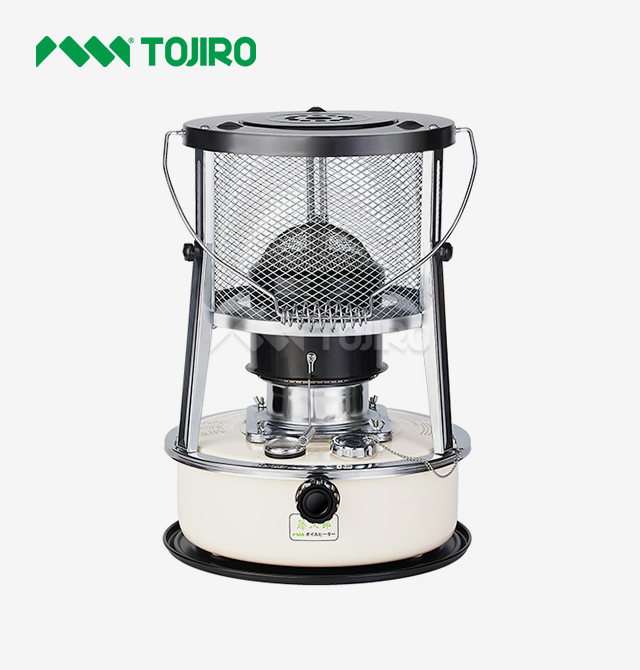
A 9000 BTU kerosene heater can usually heat 15 square meters. The range relies on several factors, including insulation quality, roof height, room temperature, and air movement. The TOJIRO TJR-R95 can heat 161 square feet (15 square meters) of space. They are ideal for workshops, heating crises, and enterprises that require portable, dependable heating. This tutorial covers 9000 BTU kerosene heaters, which many companies and enterprises utilise. These heaters heat a considerable area. This data helps purchase managers, engineers, and marketers identify their strengths and weaknesses. Knowing these elements can help business-to-business buyers make sensible purchases that match realistic objectives, budgets, and safety regulations. Businesses looking for flexible and affordable heating are increasingly using moving gas units. The heating industry has evolved. Modern 9000 BTU kerosene heaters employ both old-fashioned heating methods and innovative safety measures, making them suitable for various workplaces. This tutorial covers practical and technical aspects to bridge knowledge gaps. It also helps buyers choose safe, affordable, and high-return items.

Understanding the Heating Capacity of a 9000 BTU Kerosene Heater
There is a lot of heat coming out of a 9000 BTU heater, which is good for medium-sized rooms and common in factories and other places where things are made. It takes a certain amount of energy to raise the temperature of a pound of water by one degree Fahrenheit. This is known as the British Thermal Unit (BTU). Most of the time, this is how you measure how well different types of fuel and heating methods work.
Technical Specifications and Power Output
It's easier for buyers to tell the difference between technologies when they change BTU numbers to watts. That's the same amount of heat that several electric space heaters give off at the same time as a 9000 BTU machine. When building managers plan heating systems or compare different types of heating, this change helps them figure out how much electricity is needed. The TOJIRO TJR-R95 type is a great example of modern technology because it only needs 0.2 to 0.26L of fuel per hour and makes 2600W of power. This means that a single 5.2L tank can keep the machine running for about 13 hours straight, which cuts down on repairs and downtime.
Coverage Area Calculations and Variables
Estimates of the coverage area depend on a number of outside factors that buyers need to think about. Most figures are based on ceilings that are 8 feet high, average insulation, and not much air loss. At this point, a 9000 BTU kerosene heater should be able to heat 300 to 450 square feet, but it will depend on the space. A lot of what makes the heat work is how well the soundproofing is done. Rooms with good insulation keep heat in better than rooms with poor insulation, so smaller units can heat larger parts of the house. That being said, places that aren't well shut off need more heat or more than one unit to get warm enough. The height of the ceiling can also affect how well the system works. Rooms with ceilings higher than 10 feet may need more warmth or units that are placed carefully.
Comparison with Alternative Heating Technologies
It's clear that oil lamps are better for business settings than electric, gas, and radiant choices. Electric units stop working when the power goes out, but fuel-powered units keep burning even when the power goes out. Being able to count on this makes it great for situations and for use in rural places where power from the grid isn't always available. Propane heaters need special cooling systems and place to store fuel that is under pressure. This makes installation harder and raises the cost of regular maintenance. Units that use kerosene have tanks that hold the fuel. This helps with planning and lowers the safety issues that come with working with compressed gas. Types of 9000 BTU kerosene heaters are great for businesses that need to heat a lot of different places because they can be used in many different ways.
Benefits and Practical Applications of 9000 BTU Kerosene Heaters in B2B Settings
There are many business and industry settings where these new 9000 BTU kerosene heaters are useful. For example, they are easy to move around, heat up quickly, and use less fuel. Firms that work in harsh environments where normal heating systems don't work or aren't practical need these features in order to do their jobs.
Industrial and Commercial Applications
Portable gas heaters are very useful because they can be used in a lot of different work settings. Construction companies use these heaters to stay warm for workers in buildings that don't have heat and to dry paint and concrete. They are used as extra heat in workplaces while things are being fixed or in places where it would be too expensive to put in permanent heating. For warehouses, portable heaters are very useful when they need to heat the loading dock, work with goods in areas that aren't hot, or briefly warm up a space. These days, units are made to be light, like TOJIRO's 4.08 kg net weight norm. This makes it easy to move them around during the workday as needs change. Groups that help with disasters use 9000 BTU kerosene heaters to heat temporary shelters and keep field command posts running. Because these units don't need electricity, they come in very handy when normal heating systems can't work because of bad weather or power outages.
Advanced Safety Features and Compliance
Safety is still the most important thing to think about when it comes to commercial heaters. Gas lamps made today have many safety features that meet the rules that businesses need to follow for safety. Using electrical lighting systems instead of matches or lighters with an open flame is safer because they don't leak fuel or start fires when the appliance tips over. Cold-rolled steel and stainless steel parts make it strong and safe, and they also make it last a long time. Since these materials don't rust or break down quickly, tools last longer and cost less to fix. Checking the quality of the burning and cutting off the fuel flow right away if dangerous conditions happen are built into the engine. Good units have emission control systems that keep indoor air pollution to a minimum and heat economy to a maximum. For safety reasons, workers should not breathe in carbon monoxide, and the air quality standards set by safety rules at work must be met. This can only be done by following the right ventilation rules.
Maintenance Guidelines and Operational Excellence
Heaters last longer and don't break down as often when they are serviced regularly. This saves money in the long run for procurement workers and building managers. If you want the best performance during the heating season, clean the burning chambers, check the fuel lines, and replace the wick often. Manufacturers who do a good job give detailed repair plans and make new parts available so that things can keep going. It depends on the type of fuel on how well it works and how often it needs to be repaired. High-grade oil burns better, leaves behind fewer deposits, and makes parts last longer than lower-grade oil. Getting fuel from reputable sellers is the best way to make sure that you get it on time and in good quality, which is what your business needs to run easily.
How to Choose the Right 9000 BTU Kerosene Heater for Your Business Needs?
To find the best 9000 BTU kerosene heater for a business, you need to think about how much heat the business needs along with its space and environmental needs. A lot of things need to be thought about by buying managers and experts to make sure the equipment works well and doesn't cost too much over its lifetime.
Essential Selection Criteria
It is very important to make sure that the heater you choose works with the fuel type you use. Because of environmental rules, manufacturers are being forced to make models that burn cleaner and make fewer fumes while still heating well. TOJIRO is committed to fuel compatibility that is good for the environment. This is in line with the company's goals to be more eco-friendly while still delivering reliable performance. Energy efficiency ratings have a direct effect on both cleaning up the environment and the cost of running the business. Models that are more efficient use less fuel per BTU of output, which lowers their carbon footprint and long-term costs. High-quality units have a better heating system that makes the most heat with the least amount of smog, which is good for both the economy and the environment.
Brand Comparison and Quality Assessment
Well-known manufacturers show that they care about quality by getting foreign certificates and following rules. TOJIRO follows the quality standards set by ISO 9001:2015. This makes sure that the products are always made to a high level and work well. Traditional Japanese artistry and current industrial technology are used together by the company to make heating solutions that go above and beyond what customers expect. How confident the company is in the product and how long it will last can be seen in the warranty terms and stability tests. If TOJIRO backs up its products for a year, that shows it cares about its customers and wants to keep their purchases safe. More than a million units have been sent by the company every year to Japan, Korea, Europe, and North America. This shows that it is a stable and popular brand in those areas. Two more ways to be sure that a product works in the real world are to look at user happy numbers and reviews from people in the same field. Professional users always have good things to say about the TJR-R95's electric starting system, small folding design, and steady heat output in a variety of settings.
Total Cost of Ownership Analysis
The price you pay for something is only one part of how much it costs to own it. The amount of fuel used, how often the equipment needs to be fixed, and how long it lasts all affect the long-term costs. The TOJIRO TJR-R95 can run for 13 hours on a single tank. This means that it doesn't need to be refueled as often, and work doesn't have to stop. This raises output and cuts the cost of work. How easy it is to do upkeep and how easy it is to get parts affects how much it costs to run the business over time. You can keep your equipment running well and make it last longer if the company that makes it makes new parts that are easy to find and offers full expert support. The skilled expert team at TOJIRO is there to help customers from the time they buy the product until it's no longer made. This makes sure that customers get the most out of their money.
Procurement Guide: Where and How to Buy 9000 BTU Kerosene Heaters
To buy things efficiently, you need to plan how to find 9000 BTU kerosene heaters in bulk or OEM grade that meet your specific needs while keeping costs low and delivery times short. By learning about distribution paths, supplier skills, and the best ways to buy, buyers can find reliable heating choices that help their businesses reach their goals.
Distribution Channels and Supplier Selection
When you need to make big purchases or changes, having direct contact with makers is very helpful. TOJIRO's 45-day production wait times and minimum order size of 500 units make it easy to buy in bulk while keeping supplies fresh and up to date. Direct buying saves you money because you don't have to pay markups to sellers. You can also get professional help and make changes. A lot of helpful things are available from approved local sellers, like test units, local supplies, and quick technical support. Most of the time, regional wholesalers keep stock on hand in case of an emergency and can help with smaller sales. Make sure the dealer is approved and that the warranty covers the items. This will help buyers know they are getting real goods and help from the maker. Online markets give you more ways to find things, but you need to be very careful about which sources you buy from. Platforms that you can trust have rules about keeping your information safe and programs that check the sellers' IDs. These things make buying things less dangerous. But for difficult technical things like 9000 BTU kerosene heater units, it's best to work with the manufacturer or an approved dealer who can help you with the product for as long as it lasts.
Volume Discount Strategies and Contract Negotiation
When you buy in bulk, you save money and make sure there is a supply when demand is high. Customers who buy from TOJIRO and those who do white labeling can get what they need to fit their brand's goals or the needs of their apps. Custom package options let wholesalers meet their goals and keep the brand's look. Dates for delivery, quality standards, and performance promises that keep buying assets safe should all be written into the contract. With payment terms and exchange safety measures in international sourcing deals, you can plan your finances ahead of time. As part of long-term supply deals, prices are often locked in and priority is shared when supplies are low. Technical specification guarantees ensure delivered products meet operational requirements and safety standards. It's important to think about how to manager certifications. TOJIRO can handle approval either by the customer or by the plant, depending on what the buyer wants and how quickly they need it.
Maximizing Efficiency and Safety: Operational Best Practices for 9000 BTU Kerosene Heaters
It is important for 9000 BTU kerosene heaters to work at their best by using high-quality fuel, saving energy, and following strict safety rules. Following these steps will keep the workplace safe and make sure that the equipment works at its best. This is important for running a responsible business.
Fuel Quality and Performance Optimization
The rules for fuel quality have a direct effect on how well a heater works, how much it emits, and how often it needs to be serviced. Because premium oil burns more cleanly and leaves behind fewer ash particles, parts last longer and need to be cleaned less often. Good heaters have an efficient burning system that gets the most heat out of each fuel unit while having the least impact on the environment. How fuel is stored changes its quality and safety. The best way to keep fuel safe and avoid fires is to keep it in approved containers that are away from heat sources and other sources of fire. When you clean the fuel system often, deposits don't build up and slow it down or make the fumes level rise too high.
Ventilation Requirements and Placement Strategies
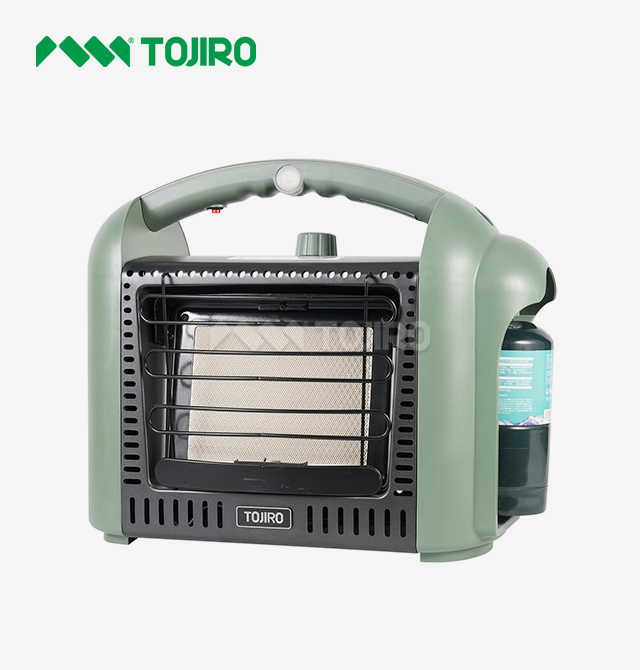
Enough air flow keeps things safe and makes sure that small heating systems work well. In factories, you need to know how to calculate air exchange rates that get rid of burning waste and keep heat from escaping. Putting heaters in smart places makes the most of their coverage area while still leaving enough room for people to move around and stay safe. These days, units like the TOJIRO TJR-R95 are small and fold up, so it's simple to move them when the air needs to be changed. Its bigger size (330x330x460mm) makes it more stable and lets you put it in places with limited space, like businesses and factories.
Employee Training and Emergency Preparedness
The company is safe and can handle situations thanks to thorough training programs for those who work there. Teach people the right way to turn on kerosene heaters, how to handle fuel safely, how to turn them off in an emergency, and how to put out fires that start in kerosene heaters. There should be things in emergency plans like what to do if something breaks or if fuel spills happen, as well as how to put out a fire. People always know what to do and emergency gear is always ready and working thanks to regular safety drills. It's helpful for insurance companies and the government to keep track of proof that you've had training and know what to do in an emergency. People who are in enclosed spaces can use carbon monoxide tracking tools to find out right away when dangerous situations exist. For short-term jobs, movable monitors give you more choices, while long-term fixed systems offer constant security. Testing often makes sure that the results are right and that everyone in the place is safe.
Conclusion
If procurement professionals know what 9000 BTU kerosene heaters can cover and how they work, they can make decisions that combine performance, safety, and cost-effectiveness. These heating choices can safely heat rooms that are 300 to 450 square feet, but it depends on the weather and how they are set up. Some good units, like the TOJIRO TJR-R95, use both tried-and-true tech and new safety features. At the same time, they keep costs low and are good for the environment, and they work reliably in many business and industry settings.
FAQ
1. What is the runtime per fuel tank for a 9000 BTU kerosene heater?
On a full tank, a good 9000 BTU kerosene heater can run for 10 to 13 hours. How long it lasts varies on how much fuel it holds and how quickly it is used. The TOJIRO TJR-R95 type can run nonstop for about 13 hours on its 5.2L fuel tank. During normal use, it uses between 0.23L and 0.26L per hour.
2. What safety certifications should I look for when purchasing kerosene heaters?
For making, look for units that have been approved to meet GB/T38522-2020 standards and ISO 9001:2015 quality standards. With these rules, you can be sure that there are safe limits for pollution, tip-overs, and fires. TOJIRO helps people get licensed so they can follow the rules and meet the needs of their area.
3. Can 9000 BTU kerosene heaters be used safely in enclosed spaces?
Yes, as long as there is enough air flow and safety steps are taken. It is important to keep the right spacing and make sure there is enough air flow. Never work in a space that is completely blocked off. To keep workers safe and follow the rules, put in carbon monoxide monitors and do what the maker says about working in a tight space.
Partner with TOJIRO for Reliable Industrial Heating Solutions
These 9000 BTU kerosene heaters are made by TOJIRO and meet ISO 9001:2015 quality standards. As a professional 9000 BTU kerosene heater supplier, we also integrate traditional Japanese craftsmanship into every unit. Our TJR-R95 type has 2600W of heating power and better safety measures. It is used by businesses in the building, manufacturing, and emergency response fields. Our base order is 500 units, and the creation process takes 45 days, which means that we can meet both short-term and long-term buying needs. You can get skilled help, a one-year guarantee, and the ability to make changes for OEM uses as part of our full service. Because more than a million of our 9000 BTU kerosene heaters are sent overseas every year, we know how hard it is to meet the needs of industrial warmth. To talk about your unique needs and get prices that are right for your business, you can email our team at [email protected].
References
1. "Industrial Heating Equipment Standards and Safety Guidelines" - American Society of Mechanical Engineers Technical Publication, 2023.
2. "BTU Calculations and Coverage Area Determination for Commercial Heating Systems" - International Association of Heating and Ventilation Engineers, 2022.
3. "Kerosene Heater Safety Standards and Operational Best Practices" - National Institute for Occupational Safety and Health Guidelines, 2023.
4. "Energy Efficiency Standards for Portable Heating Equipment in Industrial Applications" - Department of Energy Commercial Building Standards, 2022.
5. "Fuel Quality Requirements and Emission Standards for Kerosene Heating Devices" - Environmental Protection Agency Commercial Equipment Guidelines, 2023.
6. "Procurement Strategies for Industrial Heating Equipment: A Comprehensive Analysis" - Facility Management International Research Report, 2023.

USER EVALUATE
Here is the customer's evaluation of us
_1763609661748.webp)
_1763607622609.webp)