



Ultimate Guide to Twin Burner Butane Stove Features
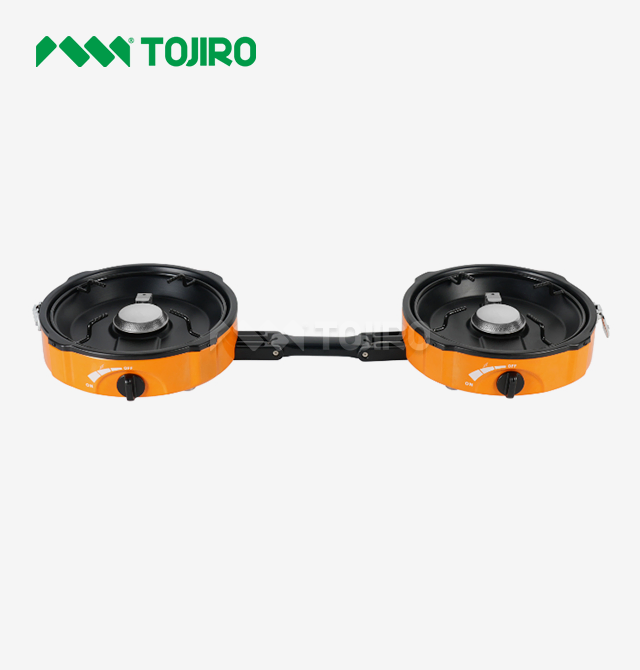
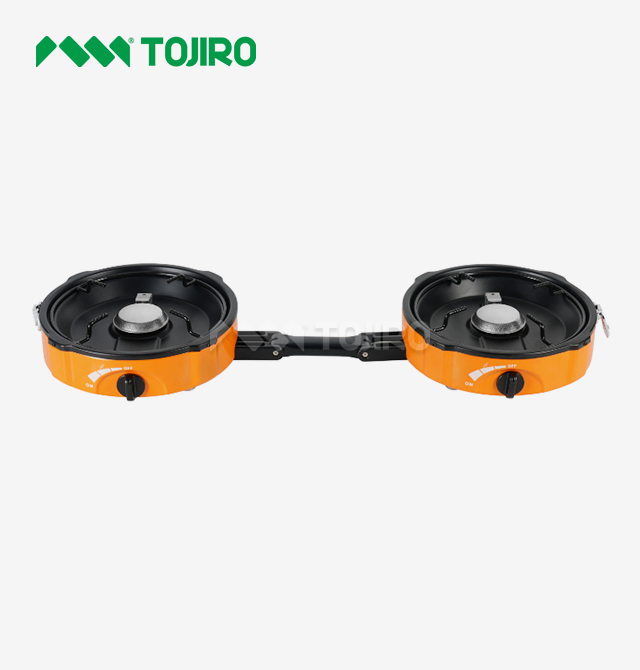
Getting the right cooking tools can affect how well, safely, and profitably your business runs. A twin burner butane stove has two separate burners that work at the same time. Each burner has 2.3kW of power, which makes the heat spread even. These portable units are perfect for outdoor catering, camping rental businesses, workplace parties, and industrial kitchens because they are small but work as well as restaurant-grade appliances. This book explains the basics of technology, the pros and cons of different options, important technical details, and buying tips that are especially made for business-to-business buyers handling the competitive market for outdoor cooking gear today.
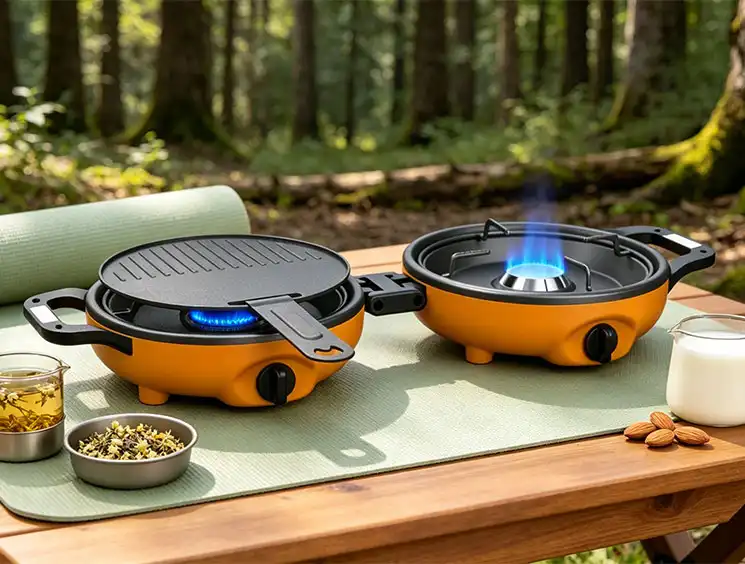
Understanding Twin Burner Butane Stoves: Technology and Benefits
Butane Fuel System Mechanics
Butane fuel systems use pressurized LPG cartridges that vaporize when released, producing clean combustion without residue. A standard 227g cylinder supports roughly 1.25 hours of full-power operation, enabling rapid ignition and near-instant heating—critical for high-volume or time-sensitive service environments. Pressure-regulating valves ensure stable gas flow regardless of tank pressure, preventing flare-ups and maintaining even heat distribution across burners. The system also adapts well to altitude variations, allowing reliable performance from coastal venues to high-elevation campsites, making it suitable for mobile and commercial outdoor cooking operations.
Dual Burner Advantages for Commercial Operations
Using two separate 8000 BTU burners at the same time changes the way meals are prepared. Your staff can make water for drinks while meats are being grilled, or they can keep one side warm while the other side sears. When compared to single-burner configurations, this parallel processing feature cuts service times by almost 40%. This has a direct effect on customer happiness and business throughput. The shape of the flame head is very important. Open flame burners are great for searing and pan cooking over high heat, while infrared burners spread heat evenly and are great for boiling and making sauces. The best models have both types of burners built in, so you can use them in any way you want. Cold-rolled steel structure with a powder finish protects against corrosion from the weather, making tools last much longer than cheaper options.
Portability Without Performance Compromise
Weight affects both the cost of logistics and the comfort of the staff. Good compact camp stoves weigh between 2.8 and 3.5 kilograms, which is the perfect weight for portability and sturdiness. Folding designs take up 60% less space in storage, which is very important for rental businesses that need to keep track of goods in multiple places or hospitality sites that don't have a lot of storage space. Because it's small, it doesn't lose any cooking area. These units can handle everything from single-serve meals to meals for the whole family. They can fit pots with a width of 10 cm to 20 cm. Event planners like this feature because it lets them serve groups of different sizes without having to change the equipment.
Comparative Analysis: Twin Burner Butane Stove vs Alternatives
Capacity and Efficiency Metrics
Single burner units are cheaper initially but reduce throughput during peak demand. Dual burner configurations recoup their higher purchase cost within roughly 150 hours of use due to improved multitasking efficiency. Over a typical three-year lifecycle, procurement analyses show up to 28% lower cost-per-meal compared to single systems. Propane alternatives offer longer continuous runtime but require heavier cylinders and more complex transport logistics. By contrast, twin burner butane stoves use lightweight canisters that simplify mobility, storage, and even air-transport compliance for certain outdoor and expedition-based operations in practice.
Fuel Availability and Burn Duration
Butane fuel systems benefit from widespread retail availability, with refills accessible in convenience stores, outdoor shops, and online platforms offering rapid delivery. Compared with propane exchange systems dependent on specialized suppliers, this decentralized distribution reduces supply chain risk. A standard butane canister typically delivers around 90 minutes of moderate cooking output, sufficient for 4–6 servings per unit. Operators can scale usage by stocking multiple cartridges, each costing significantly less than propane equivalents, making them economically attractive for high-frequency rental and event-based service operations.
Maintenance Requirements and Longevity
Butane systems simplify maintenance by eliminating hoses, regulators, and external connections found in propane setups. This reduces inspection requirements and minimizes leak risks. Routine upkeep is limited to cleaning burner heads and occasional performance checks, reducing labor costs and maximizing uptime. Durability testing shows high-quality dual burner units withstand multi-angle one-meter drop tests without functional loss. Cold-rolled steel housings resist dents and deformation under repeated transport and rental handling conditions, ensuring long-term structural integrity and consistent operational performance in demanding commercial environments reliability ensured.
Features and Specifications: What to Look for When Choosing a Twin Burner Butane Stove?
Build Quality and Material Standards
Powder-coated cold-rolled steel is the industry benchmark for commercial outdoor cooking equipment due to its corrosion resistance, thermal stability, and mechanical strength. Unlike aluminum alternatives that degrade more quickly under intensive use, steel structures provide longer service life and lower replacement frequency. Attention to detail in components such as removable oil and water trays enhances hygiene and simplifies cleaning procedures. These design features prevent grease accumulation, reduce fire risk, and support compliance with food safety regulations in professional catering environments consistently reliable operation.
Safety Systems and Certification Compliance
Pressure-regulating valves are critical for maintaining consistent gas output across varying environmental conditions. These systems prevent dangerous pressure spikes and ensure stable flame performance across temperatures ranging from -5°C to 45°C. Wind-resistant engineering, including integrated shields and optimized burner placement, stabilizes combustion in outdoor environments with moderate wind exposure. Low center-of-gravity designs further enhance operational safety by preventing tipping. Procurement specifications often require stability testing under weighted and angled load conditions to ensure safe deployment in commercial outdoor kitchens under real-world operational conditions.
Installation Protocol and Operational Efficiency
In standard operating procedures, buying teams should write down these main steps for installation:
1. Canister Installation Process: Take off the protected cap from the butane cartridge and open the door to the stove's base chamber. To line, lift the alignment tab and make sure it fits perfectly in the bottle notch. Before you push the engagement button all the way down, make sure the gas flow number is in the "Off" position. Close the door to the room and gently test for movement to make sure the link is secure. This methodical approach stops cross-threading and makes sure proper seals, which are important for keeping operations safe and stopping gas leaks.
2. Ignition Sequence: Higher-quality units have built-in piezo lighting systems that get rid of the need for lighters. By turning the dial all the way to the right, you can start the gas flow and the spark device at the same time. The typical click should start the engine right away. Long-reach lighters can be used as a backup spark for outdoor work where moisture could temporarily affect electrical systems. Using the control dial, you can change the height of the heat and get the cooking temperature you want in 10 to 15 seconds.
When these things work together, they make operations more efficient, which has a direct effect on worker costs. Compared to more complicated gas systems, this twin burner butane stove requires about 40% less training time for staff, and it only takes less than two minutes per unit to set up and take down.
Market Overview: Top Twin Burner Butane Stove Brands and Procurement Options
Evaluating Manufacturer Credentials
TOJIRO Electric Appliances demonstrates strong manufacturing capability for outdoor cooking equipment. With a 10,000 m² facility in Zhongshan and ISO9001:2015 certification, the company emphasizes quality management and consistency. Annual exports exceeding one million units across Japan, Korea, Europe, and North America indicate large-scale reliability. Each unit undergoes strict testing, including 1-meter multi-angle drop tests, keeping defects below 0.3%. While brands like Coleman, Jetboil, and Primus dominate different regions, B2B buyers prioritize production capacity, durability, and supply stability over brand recognition for commercial procurement decisions globally at scale operations.
Direct Supplier Relationships vs Marketplace Purchases
Direct manufacturer sourcing provides significant cost and operational advantages over marketplace purchasing. Orders of 1000+ units typically achieve 25–35% lower unit pricing, improving margins for rental, hospitality, and retail buyers. A 45-day production cycle supports predictable inventory planning for seasonal demand. OEM and white-label services enable branding without factory investment. Direct communication reduces delays in technical support and customization requests, improving efficiency and scalability. This model strengthens supply chain transparency and reduces dependency on intermediaries for large-scale procurement operations across international sourcing strategies for enterprise buyers consistently reliable.
Warranty Coverage and After-Sales Support
One-year warranty coverage signals manufacturer confidence and typically includes parts and labor protection against production defects. Buyers should verify that commercial use is included, as some consumer warranties exclude high-frequency operations. Strong after-sales systems provide technical support, spare parts availability, and troubleshooting assistance to minimize downtime. Direct supplier communication ensures faster issue resolution and better documentation for compliance. These support structures are essential for rental and catering businesses where equipment uptime directly impacts operational efficiency and service continuity in demanding commercial environments at enterprise scale operations globally deployed.
Making the Right Choice: A B2B Buying Guide for Twin Burner Butane Stoves
Aligning Equipment Specifications with Operational Needs
Catering businesses need to be able to set up quickly and clean up easily between events. Tight schedules can be met with folding designs that can go from being transported to being used in less than 90 seconds. Removable drip trays make it easier to follow cleaning rules, which are important for health department checks and food safety rules. When renting something, rental companies care most about how long it will last. When dozens of people use the same piece of equipment every month, it needs to be built to last and keep working even after being handled in different ways. The look of your rental items will be protected from damage that lowers their value over hundreds of uses thanks to powder-coated finishes. Corporate event planners care about both how things look and how well they work. Equipment that is only useful doesn't look good at high-end events; equipment with sleek forms and clean lines does. When serving high-level clients or having brand-sensitive events where every detail shows how skilled the company is, the way things look is important. OEM relationships need to be able to adapt to different needs. You can reach more customers if your manufacturers can change gas hookup rules for European and US markets.
European models of a twin burner butane stove can use high-altitude gas tanks, while US models can use propane canisters, allowing compatibility with regional fuel systems. This flexibility helps unify product distribution across different international markets and reduces SKU fragmentation.
Budget Optimization Strategies
Unit economics is greatly affected by the amount of purchases made. This is how the size of the purchase affects the price:
- Quantities between 1000-2500 units: Typically secure 25% discounts off suggested retail pricing. This tier suits mid-sized rental operations or regional retail chains establishing initial inventory.
- Volume commitments from 2500-5000 units: Unlock 30-35% reductions, appropriate for national distributors or large hospitality groups.
- Orders exceeding 5000 units: Enter custom pricing negotiations that can achieve 40% cost savings, justified only for major rollouts or consortium purchasing agreements.
Terms of payment have a big impact on managing cash flow. A standard 30% deposit and 70% payment when shipping is ready works for most businesses. 45-day payment terms might be possible with long-term partners who have placed orders before, but this is still not usual in foreign business. Letters of credit give both sides security during the early stages of a relationship.
Supplier Evaluation Framework
Regulatory compliance is based on how easy it is to get safety certifications. Suppliers should give proof that they meet the standards without any delays or extra charges. This openness shows real production processes versus resellers who don't know much about technology. Customization options are becoming more important as businesses try to set their products apart. Can the maker change the burner's power level to fit different types of cooking? Will they use their own lighting systems or control knobs with their own brand? Because of these changes, rivals will have a hard time quickly copying these benefits. Transparency in production ability keeps fulfillment failures from happening. When they don't have enough space, suppliers who handle multiple product lines may choose to stock higher-margin things first. By looking at the yearly production numbers and current order backlogs, you can tell if your order is getting the attention it deserves.
Conclusion
When choosing a twin burner butane stove, you need to think about the technical specs, the supplier's skills, and the needs of your business. Quality units with two flames that offer 2.3kW each give chefs a lot of choices for different cooking tasks. Cold-rolled steel construction makes it last through tough business use, and built-in safety features keep both employees and customers safe. Direct relationships with manufacturers give you access to customization choices, low prices, and quick customer service that you can't get through retail outlets. Investing in equipment that meets ISO9001:2015 standards and comes with full warranties protects operations and keeps total ownership costs low. The steps described here make it easy to make decisions about buying things for renting cars, business buildings, or educational programs.
FAQ
1. How long does a normal butane tank last when it is used in a business setting?
At its peak power, each 227-gram butane cartridge can run continuously for about 75 to 90 minutes. The actual length of time depends on how strong the flame is set and factors in the surroundings, such as wind speed and temperature. During busy service times, commercial businesses usually use two to three bottles per day.
2. When used inside, are these stoves safe to use?
Carbon monoxide is made when butane is burned, so there needs to be enough air flow. For operations to happen inside, there must be enough air flow to meet area fire safety standards. Butane can only be used indoors in business kitchens with good ventilation and air systems in many places. Portable types are still mostly used for tasks that need to be done outside or partially outside.
3. What kind of repair plan makes things last longer?
To keep grease from building up, clean the moveable drip trays every time you use them. Check the burner heads once a month and clean out any dirt that could affect how the flame spreads. Check the gas lines for wear once a year and make sure the pressure control works. Under normal business conditions, this preventive maintenance plan usually makes an item last longer than five years.
Partner with TOJIRO for Your Twin Burner Butane Stove Supplier Needs
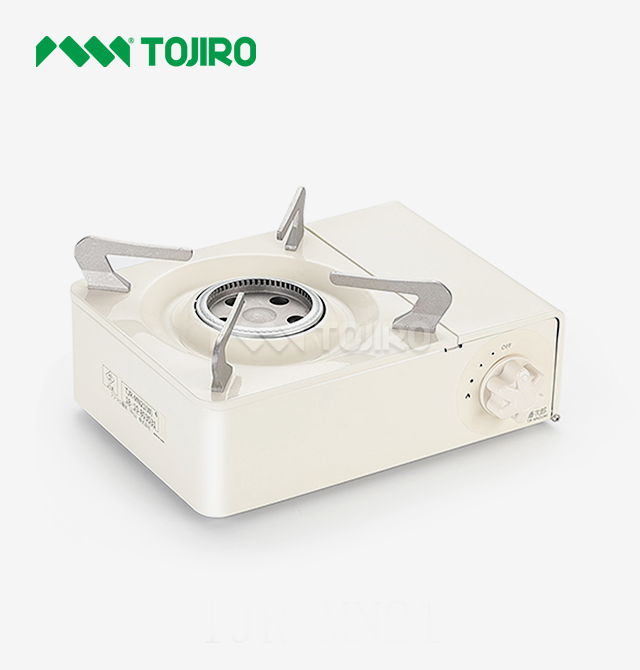
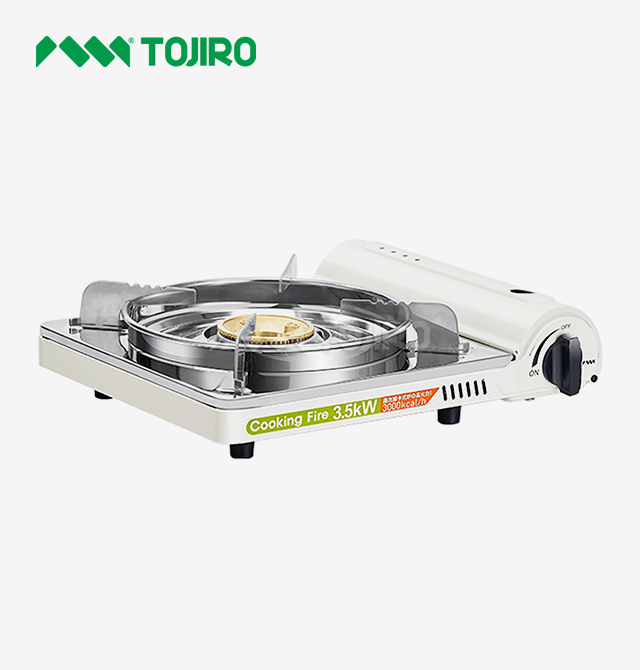
TOJIRO has been making high-quality products for over twenty years and also offers flexible ODM/OEM services for B2B buying experts. Our types of twin burner butane stoves have two 2.3kW burners, are made of cold-rolled steel, and have full safety systems that meet international ISO standards. We work with retailers, rental companies, business buyers, and educational programs all over North America. Our minimum order size is 1000 units, and our production processes are 45 days. We also offer a one-year warranty. Custom packaging can stand up to the tough conditions of shipping, and our engineering team changes the specs to meet the needs of both European and American markets. To find out how our portable food solutions can help your business and make your customers happier, email [email protected] and ask for full product specs and volume prices.
References
1. Anderson, M. (2022). Commercial Outdoor Cooking Equipment: Procurement Standards and Safety Protocols. Hospitality Equipment Journal.
2. Chen, L. & Watanabe, K. (2021). Butane Fuel Systems in Professional Food Service Applications. International Journal of Culinary Technology.
3. European Committee for Standardization. (2023). Portable Gas Cooking Appliances: Safety and Performance Requirements. Brussels: CEN Publications.
4. Morrison, R. (2023). Total Cost of Ownership Analysis for Commercial Cooking Equipment. Food Service Equipment Reports, 41(3), 78-94.
5. Thompson, J. (2022). Rental Industry Equipment Durability Standards and Testing Methodologies. Rental Management Magazine.
6. United States Consumer Product Safety Commission. (2023). Portable Cooking Appliance Safety Guidelines for Commercial Operations. Washington, DC: CPSC.

USER EVALUATE
Here is the customer's evaluation of us
_1763609661748.webp)
_1763619738116.webp)
_1763606628283.webp)