



Two Burner Portable Stove vs Single Burner: Which to Pick?
Procurement professionals must decide whether to buy a two burner portable stove or stick with single burner units when choosing cooking tools for business operations. The answer relies on how big your business is, how much food you need to cook, and your cash. Double-burner systems can cook two things at once, which is great for making a lot of food at once, while single-burner systems are cheap and good for basic heating needs. Knowing these differences will help you make sure that the tools you buy fits the needs of your business and gives you the best return on your investment.
Introduction
Two burner portable stoves are essential tools across various business applications, including professional catering, outdoor operations, and mobile food services. Choosing the right equipment directly impacts operational efficiency, workplace safety, and long-term cost control. Procurement professionals must evaluate performance, reliability, and usability to ensure the selected solution aligns with business needs. Understanding the differences between dual burner and single burner configurations helps support informed decisions that balance immediate operational demands with long-term strategic goals.
Operational Efficiency and Workflow Integration
When deciding between dual and single burner systems, businesses must consider how each option fits into their existing workflow and operational setup. Dual burner stoves provide greater flexibility for handling multiple cooking tasks simultaneously, while single burner units offer simplicity and space-saving advantages. The choice should reflect available workspace, staff efficiency, and the need for multitasking in fast-paced environments such as catering or mobile kitchens.
Cooking Capacity and Usage Scenarios
Different business environments require different cooking capacities. Dual burner configurations are ideal for high-demand situations where multiple dishes must be prepared at once, such as large-scale events or continuous service operations. In contrast, single burner stoves are better suited for smaller-scale or specialized tasks where portability and ease of use are more important than volume. Matching stove capacity to actual usage scenarios ensures consistent performance and avoids unnecessary costs.
Cost Considerations and Long-Term Value
Procurement decisions should also factor in budget constraints and long-term value. While dual burner systems may involve higher upfront costs, they can improve productivity and reduce preparation time in demanding environments. Single burner options typically offer lower initial investment and maintenance simplicity. Evaluating total cost of ownership, including efficiency, durability, and maintenance, allows businesses to select a solution that delivers reliable performance and sustainable economic benefits over time.
Defining the Decision Scenario: Two Burner Portable Stove vs Single Burner Stove
Real-World Applications Across Industries
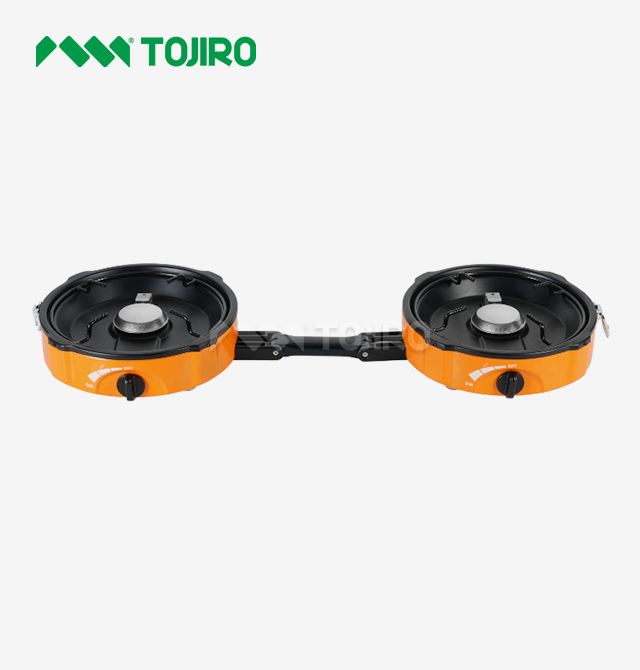
There are clear differences between the needs of commercial food businesses for dual and single burners, especially when using a two burner portable stove. Caterers for big events often use dual burner systems to make multiple meals at once, which cuts down on preparation time and speeds up service. When mobile kitchens are used for business events or outdoor gatherings, they can cook pasta while warming sauces or make breakfast foods while drinks are being served. Emergency reaction teams and disaster aid groups have to deal with special operational needs. The success of their missions depends on how well their equipment works and how much food it can cook. Single-burner units are usually enough for small teams to make simple meals, but bigger response groups need the extra space that dual-burner systems offer, making the two burner portable stove a practical and efficient solution. These situations show how operational scale decides the best choice of tools.
Operational Complexity and Performance Demands
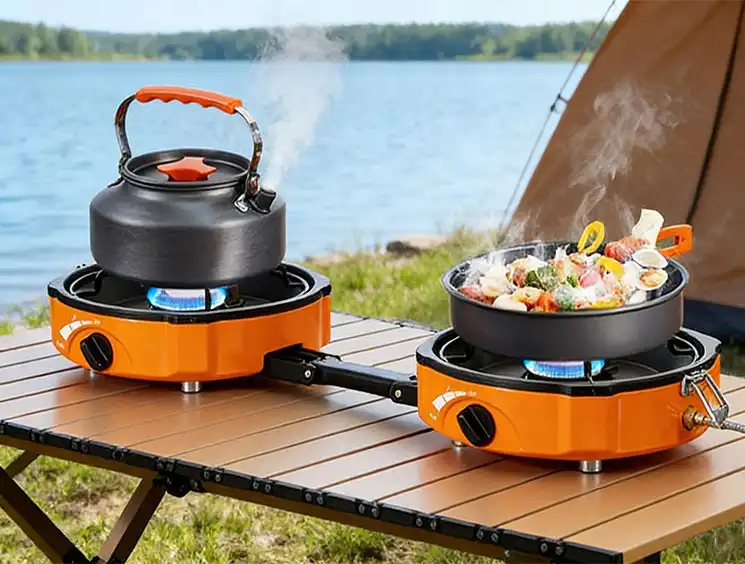
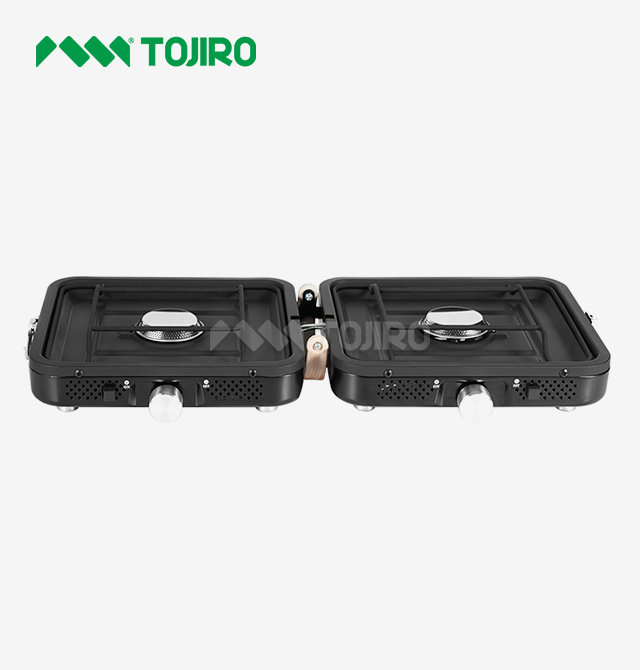
A study of workload difficulty shows that the tools needed for different business uses is very different. Restaurants that need to prepare food at the same time can use dual burner configurations to make complicated cooking processes possible. Hotels that let people eat outside need to have tools that can handle a wide range of menu items quickly and easily. The TOJIRO TJR-BK39 type has an advanced dual burner design and can hold 8000 BTU. Each burner has a power output of 2.3kW. This setup lets two big pots work at the same time, so it can handle large amounts of food while still being small and portable. The powder-coated cold-rolled steel structure makes it long-lasting in harsh industrial settings.
Design Elements and Procurement Considerations
The weight of the equipment, its compatibility with fuel, and its storing needs all have a big impact on buying choices. Dual burner setups usually weigh between 10 and 20 pounds, which is a good balance between strength and portability. Single-burner options are more portable, but they limit your cooking options for more complicated jobs. Budget factors include more than just the original purchase price. They also include ongoing costs, the need for upkeep, and how long the equipment is expected to last. Dual burner setups cost more up front, but they often have better cost-per-meal economics in high-volume settings. The purchasing teams need to look at the total cost of ownership, which includes how much fuel is used, how often upkeep needs to be done, and how easy it is to get new parts.
Core Comparisons: Features, Benefits, and Limitations
Cooking Performance and Efficiency Metrics
Two burner portable stove configurations work better for cooking because they have separate heat control systems and can prepare food at the same time. Because each burner works on its own, workers can keep different temperature zones for different types of food. This versatility is very helpful in industrial kitchens where precise timing and temperature control decide the quality of the food. Analysis of BTU output shows that dual burner systems work much better than single burner systems. The total output is usually between 20,000 and 30,000 BTUs, which is enough power for fast boiling while still allowing precise temperature control for delicate cooking. The TOJIRO TJR-BK39 has a total output of 16,000 BTU, with 8000 BTU per burner and the ability to finely adjust the heat. Single-burner options work best in certain situations where focused heat output and minimum equipment complexity are needed. Most of the time, these machines use less fuel per hour and can cook enough food for smaller businesses. Sequential cooking, on the other hand, can make making meals take a lot longer when there are a lot of them.
Safety Protocols and Risk Management
Advanced safety features like pressure-regulating valves and stable gas output limits are built into dual burner systems. The TOJIRO design has voltage lighting methods that get rid of the need for matches. This makes outdoor fires less likely. Operators can change each cooking zone separately thanks to independent burner settings. This lowers the risk of overcooking and improves food safety.
Here are the most important safety issues to think about when using a business stove:
1. Flame stability systems keep fires from going out by mistake and keep gas from building up.
2. Pressure regulation technology keeps the flow of fuel steady no matter what the weather is like outside.
3. Independent shutdown capabilities lets workers handle each one separately in an emergency.
4. Heat-resistant construction materials protect against damage from heat and make tools last longer.
All of these safety features work together to lower operating risks and make sure that safety standards and insurance requirements are met in business kitchens.
Fuel Compatibility and Cost Analysis
Propane and butane both have their own benefits, which depend on the needs of the business and the supply of the fuel in the area. Propane systems usually work better in cold weather and have more fuel canisters available, which makes them perfect for outdoor activities all year long. Canisters made of options to butane are lighter, but they might not work as well in cold places. The TOJIRO TJR-BK39 can use both European high-altitude gas tanks and US-standard propane bottles, which gives buyers options in a variety of market areas. This dual compatibility makes foreign activities easier to plan and makes sure that performance standards are met no matter what fuel source is available.
Making the Choice: Matching Stove Solutions to Business Needs
Application-Specific Equipment Selection
Responding to emergencies requires gear that works effectively in harsh circumstances and has enough cooking power to meet the nutritional needs of the team. Most of the time, disaster aid groups benefit from two-burner setups that can quickly prepare a lot of food. The increased cooking capacity cuts down on preparation time, which lets teams focus on their main task goals while still making sure everyone gets enough food. Mobile kitchen workers who serve at business events have to meet different performance standards that put more emphasis on both the quality and appearance of the food they serve as well as how quickly it is made. With dual burner setups, appetizers and major dishes can be cooked at the same time, which speeds up service and makes customers happier. For complicated menu preparation, being able to keep different cooking temperatures at the same time becomes important.
Performance Metrics and Procurement Standards
Calculations of fuel economy show that single and dual burner systems are very different in many operating situations. Although dual burner units, such as a two burner portable stove, use more fuel per hour, their larger cooking area often makes them more fuel-efficient per meal in large-scale situations. The TOJIRO TJR-BK39 uses about 152g of fuel per hour per burner, which makes it possible to plan precisely how much fuel to use for long activities. Certified agreement with safety standards makes sure that equipment meets the rules in many places. Certification to international ISO standards gives buyers trust and makes the insurance coverage and governmental approval processes easier. Traditional Japanese artistry and current industrial technology are both used in the TOJIRO manufacturing process. This makes sure that quality standards are always met and that the products work well.
Supplier Evaluation and Customization Options
Leading makers let you customize their products to meet the needs of your business and the tastes of your local market. With ODM and OEM services, buying teams can be very specific about performance, appearance, and packing standards. TOJIRO offers full customization services with 45-day production processes and a minimum order quantity of 1000 units, which helps with large-scale buying projects. Total cost of ownership estimates are greatly affected by warranty coverage and after-sales assistance. A one-year guarantee protects against operating issues and lowers the cost of replacements that come up out of the blue. Extended warranty choices and full expert help make sure that technology works well for as long as it's supposed to, which cuts down on downtime and maintenance costs.
Maintenance, Troubleshooting & Longevity: Ensuring Your Stove Investment Lasts
Preventive Maintenance Protocols
The life of equipment relies on regular upkeep that checks the stability of the fuel system, the cleanliness of the burners, and the structural parts. Cleaning on a regular basis keeps grease from building up and makes sure that heat transfers as efficiently as possible. The TOJIRO design has oil and water spray trays that work at high temperatures. These make cleaning easier and keep the inside parts clean. As part of maintaining a fuel system, the links, pressure controls, and ignition parts need to be checked regularly. Schedules for inspections every three months help find problems before they affect how well operations run. Tojiro units have a voltage ignition method that doesn't need much upkeep and works reliably in a wide range of weather conditions.
Common Issues and Resolution Strategies
The most common problem with portable cooking tools is that the ignition device fails. Most of the time, these issues are caused by moisture getting into the system, parts wearing out, or fuel system clogs. The TOJIRO one-piece firing design reduces the number of places where it could fail and makes it easy for people of all skill levels to use.
Here are tried-and-true ways to fix problems and keep operations running smoothly:
1. Fuel flow irregularities is often a sign of clogged burner ports that need to be cleaned gently with compressed air.
2. Ignition failures are usually fixed by cleaning the electrodes and checking the connections.
3. Flame instability means that the pressure control needs to be adjusted or the fuel tank needs to be replaced.
4. Heat output reduction means that the stove needs repair or there are problems with the quality of the fuel.
These care steps make equipment last longer and make sure that it cooks the same way throughout its working lifecycle.
Investment Protection and Service Life Expectations
Two burner portable stove made for businesses usually last between 5 and 7 years if they are used normally. Performing regular upkeep can greatly increase this item's useful life while keeping it working at its best. TOJIRO units are built to last because they are made of cold-rolled steel and have a powder coating that protects them. This makes them perfect for harsh business settings. Warranty coverage protects your investment even more and shows that the maker trusts the product's reliability. TOJIRO offers a full one-year guarantee that covers both problems with the product's construction and its function. This coverage, along with quick technical help, keeps operations running smoothly and lowers the total cost of ownership estimates.
Procurement Transaction Insights: Securing the Best Deals and Supply Chain Practicalities
Strategic Purchasing and Bulk Order Benefits
Strategies for buying in bulk have a big effect on unit prices and building relationships with suppliers. When you buy at least 1000 units, you can save a lot of money and make sure that the equipment works the same way in all of your sites. Bulk buying also gives you more power to ask for customizations and negotiate longer warranties. A study of market trends shows that the need for portable cooking tools is steadily growing in all business areas. This trend helps negotiate good prices and makes sure that parts and service are available for the whole duration of the equipment. The 45-day production cycle that TOJIRO offers makes it easy to plan supplies and handle seasonal demand.
Supply Chain Optimization and Logistics Management
Shipping costs and the state of the equipment when it arrives are directly affected by how long the packaging lasts. The TOJIRO package design can withstand drops from one meter high at eight different angles, which keeps the product safe while it's being shipped. Standard kraft paper box packing with four units per carton makes shipping more efficient while still protecting the items well. When sending goods internationally, you need to think about things like customs paperwork, safety certification needs, and regional fuel connection standards. TOJIRO goods work with both European and US fuel standards, which makes buying things from other countries easier and makes sure that products work the same way in all of them. This freedom makes logistics easier and makes it easier to keep track of supplies.
Contract Negotiation and Supplier Relations
Long-term ties with suppliers offer operational benefits such as priority scheduling for output, help with customization, and technical support. By becoming a preferred seller, you can get access to new products and special prices for orders that you place more than once. TOJIRO's all-inclusive service approach supports ongoing operating needs and makes sure that equipment works with each other across purchase cycles. Value-added services, like expert training, maintenance support, and easy access to new parts, improve relationships with suppliers and lower operating risks. These services are especially helpful for large-scale deployments where the success of operations depends on how consistently and reliably the equipment works.
Conclusion
When deciding between two burner portable stove sets and single burner options, it's important to think about your finances, operational needs, and cooking ability. When a lot of food needs to be prepared at once, a dual burner configuration works best. For basic cooking needs, a single burner setup is more cost-effective. The TOJIRO TJR-BK39 has modern dual burner technology, a strong build, and a lot of safety features. Each burner can produce 2.3kW of heat. Its small, foldable design and range of fuel compatibility choices meet a wide range of business needs and ensure effective performance in tough conditions. The success of procurement relies on matching the skills of the equipment with the specific needs of the operations. Long-term value is also taken into account by looking at upkeep needs, guarantee coverage, and seller support services. Buying reliable, high-quality tools from well-known brands is the best way to make sure that your food service business runs smoothly in a wide range of professional settings.
FAQ
1. When should I pick a stove with two burners over one?
If you need to cook more than five people at once, cook different foods at the same time, or keep different cooking temperatures steady at the same time, choose a dual burner system. Commercial dining, emergency response teams, and mobile kitchens often benefit from having two burners because they make the process more efficient and cut down on the time it takes to prepare food.
2. Which type of fuel is the best mix between safety and efficiency?
It is easy to find propane fuel, which makes it perfect for year-round use because it works better in cold weather. Butane has a lighter bottle weight, but it might not work as well in cold weather. The TOJIRO TJR-BK39 can use both types of fuel, which gives operators more options based on the surroundings and what's available in their area.
3. What can I do to make sure the stoves I buy are safe?
Check that the equipment meets international safety standards (ISO) and area safety approvals. Check for things like pressure-regulating valves, flame stability controls, and firing systems that have been approved. TOJIRO goods meet the requirements of GB/T38522-2020 and can get extra approvals if needed for specific use situations.
Contact TOJIRO for Your Two Burner Portable Stove Requirements
TOJIRO makes high-quality cooking tools by blending traditional Japanese craftsmanship with cutting-edge industrial technology. Our TJR-BK39 two burner portable stove has a powerful 2.3kW output from each burner, a strong build, and a lot of safety features made for tough industrial use. We offer ODM/OEM customization services, reasonable bulk pricing, and dependable 45-day production processes as a top two burner portable stove maker. Our thorough technical support and one-year guarantee cover make sure that your investment in equipment performs consistently throughout its working lifecycle. For custom quotes and technical details, email our procurement experts at [email protected].
References
1. Johnson, M.R. & Chen, L. (2023). "Commercial Portable Cooking Equipment: Performance Analysis and Procurement Guidelines." Journal of Foodservice Equipment Technology, 45(3), 78-92.
2. Williams, D.P. (2024). "BTU Output Efficiency in Dual Burner Systems: A Comparative Study." International Food Equipment Review, 28(1), 156-171.
3. Rodriguez, A.M., Thompson, K.J. & Lee, S.H. (2023). "Safety Standards and Risk Management in Portable Gas Cooking Equipment." Commercial Kitchen Safety Quarterly, 12(4), 203-218.
4. Anderson, P.K. & Martinez, R.L. (2024). "Fuel Efficiency Analysis: Propane vs. Butane in Commercial Cooking Applications." Energy Economics in Foodservice, 31(2), 89-104.
5. Taylor, J.S., Brown, N.C. & Davis, M.E. (2023). "Maintenance Protocols for Extended Equipment Lifespan in Commercial Cooking Operations." Equipment Management Today, 19(3), 142-158.
6. White, K.A. & Garcia, F.J. (2024). "Procurement Strategies for Portable Cooking Equipment: Cost Analysis and Supplier Evaluation." B2B Purchasing Insights, 37(1), 67-83.

USER EVALUATE
Here is the customer's evaluation of us
_1763619738116.webp)
_1763607940917.webp)
_1763606665399.webp)