


Top Non-drying Heating Tech Trends
As companies look for ways to stay warm without affecting the quality of the air, heating technology is changing in ways that have never been seen before. Since they offer better performance while keeping the right humidity levels, non-drying heaters have become the best choice for business and industrial uses. These high-tech heating systems combine cutting-edge technology with useful design to meet the growing demand for environmentally friendly and healthy heating options in many fields. Environmental laws, wellness programs in the workplace, and the need for energy-efficient heating options that support both operational success and staff comfort have all helped the market grow a lot.

Understanding Non-Drying Heaters and Their Advantages
Non-drying heaters are a huge step forward in heating technology because they are designed to keep natural humidity levels stable while providing regular, reliable warmth. Unlike most heating systems, which remove moisture from the air, these new units use efficient heat distribution systems that keep the humidity level in the air. This makes the workplace healthy for both people and equipment.
Core Technology Behind Humidity-Preserving Heat Systems
The main idea behind non-drying heaters is that they use complex heat exchange processes to stop wetness from evaporating while they're working. The heating parts in these systems are carefully made so that they give off radiant heat without drying the air like other heating methods do. This technology is especially useful in factories, where keeping the right humidity level saves delicate equipment and helps workers stay healthy. Modern non-drying heaters use high-tech materials and technical concepts to make the best use of heat distribution while keeping the air from drying out. The end result is a heating solution that keeps the workplace warm without the bad effects of dry air, like irritating the lungs, building up static electricity, and damaging tools.
Workplace Comfort and Productivity Benefits
Using non-drying heaters in businesses makes the workplace more comfortable and helps the business run more efficiently. According to study, the best humidity range for people's comfort and efficiency is between 40 and 60%, which is what these systems keep the humidity at. During long work hours, workers have fewer breathing problems, less eye irritation, and more general comfort. Because these heating systems keep the humidity level high, they also keep valuable materials and equipment from getting damaged by conditions that are too dry. When humidity levels stay stable, electronic parts, wooden furniture, and paper records keep their integrity. This lowers the cost of replacement and the amount of upkeep that needs to be done across all sites.
Top Non-Drying Heater Technologies and Types in 2026
Non-drying heaters are a very diverse part of the 2026 heating market, with companies making custom solutions for a wide range of business and industrial uses. These new ideas meet the needs of certain industries while staying true to the main idea of keeping humidity levels high during heating operations.
Infrared Non-Drying Heating Systems
Infrared Non-drying Heaters use electromagnetic waves to heat directly without changing the amount of wetness in the air. Instead of heating air, these systems heat surfaces and items. This means that they don't dry things out like indirect heating methods do. Infrared systems are especially useful in industrial settings because they can heat big areas precisely without wasting energy. The newest infrared heaters have smart settings that change how much heat they put out based on how many people are in the room and the temperature outside. These systems are very good at saving energy and keeping buildings at a comfortable temperature throughout. Infrared Non-drying Heaters are very useful in manufacturing settings for keeping conditions at their best during temperature-sensitive production processes.
Hybrid Convective-Radiant Systems
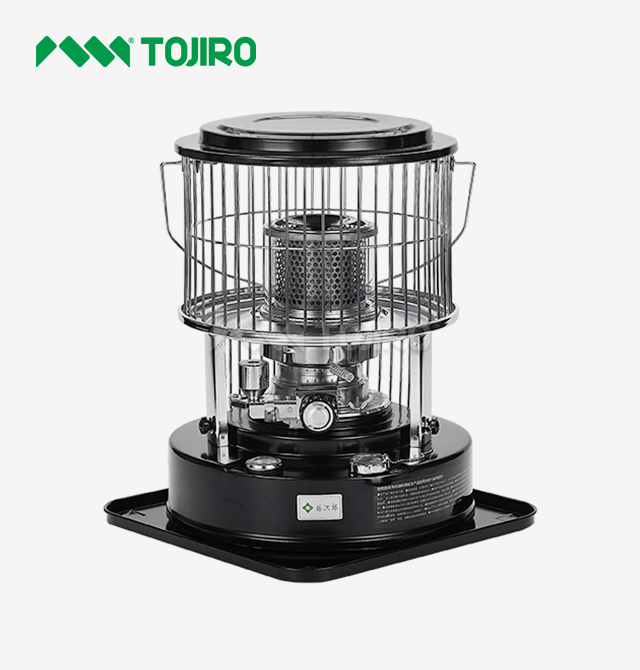
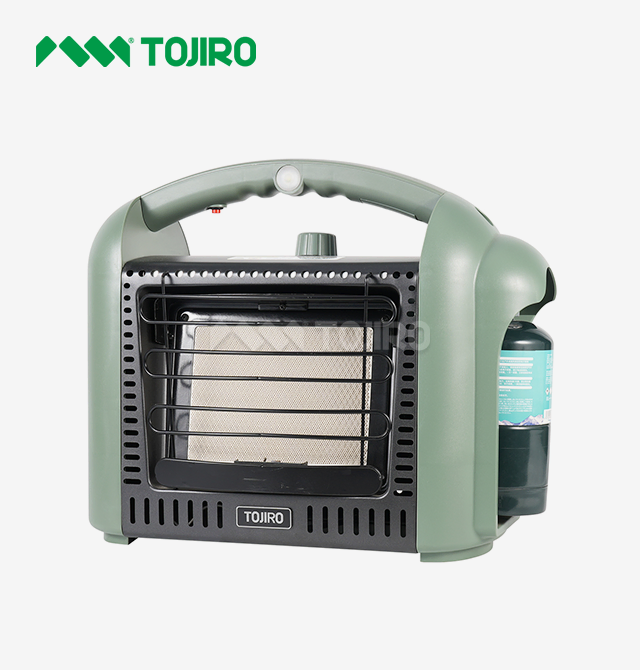
Innovative combination non-drying heaters use both convective and direct warmth to do a better job in a wide range of situations. The heat exchangers in these systems are carefully made to warm the air without removing any moisture while also giving off radiant heat for instant comfort. The two-action method makes sure that the whole area is heated while keeping the natural air levels. The TJR-S85 from TOJIRO is a great example of modern Non-drying Heaters technology. It provides 2400W of heating power through a complex burning system that keeps the air clean. With its environmentally friendly fuel and 360-degree heating coverage for rooms up to 15 square meters, this small gas heater is perfect for a wide range of business uses that need reliable, humidity-controlling heat.
Portable and Fixed Installation Options
There are both movable and fixed installation Non-drying Heaters on the market right now to meet the needs of different facilities. Portable units are useful for heating temporary areas, building sites, and homes during certain times of the year. These systems are usually built to last with cold-rolled steel and stainless steel parts that make them strong enough to withstand harsh conditions. Fixed placement non-drying heaters work with current HVAC systems to heat the whole building while keeping the humidity level high. Smart controls and zoning features in these systems make it possible to precisely control the temperature and humidity in different parts of a building.
Key Trends Shaping the Future of Non-Drying Heating Technology
Sustainability and Environmental Compliance
Environmental laws are pushing Non-drying Heaters to become more innovative, with manufacturers focused on fuel choices that are better for the environment and lower emissions. Modern units use advanced combustion technologies and fuels that burn cleanly to reduce their impact on the environment while increasing their heating efficiency. This trend has a big effect on buying decisions in fields that have to follow strict environmental rules. The search for environmentally friendly ways to heat homes has sped up the study of different fuels for non-drying heaters. Manufacturers are making heating systems that work with bio-based fuels and renewable energy sources. These heating solutions are positioned as long-term, sustainable choices for groups that care about the environment.
Smart Technology Integration
IoT connection and artificial intelligence are turning non-drying heaters into smart heating systems that can do maintenance ahead of time and optimize themselves automatically. Smart sensors keep an eye on changes in humidity, temperature, and system performance to make sure everything works perfectly while using as little energy as possible. Through organizing preventive upkeep and making the best use of energy, these features lower the total cost of ownership. Modern non-drying heaters can now be monitored from afar, so building managers can keep an eye on how the system is working from different places. This connection makes it possible to plan preventative repair, which cuts down on unplanned downtime and increases the life of equipment.
Health and Safety Advancements
Modern non-drying heaters come with more safety features as standard, which shows that people are more aware of the safety rules that need to be followed at work. Automatic fuel shutdown systems, advanced tip-over protection, and electronic ignition methods all work together to lower operating risks and ensure reliable performance. These safety changes are especially helpful for rental companies and schools that have to manage heating equipment in more than one place. Modern models have advanced tracking systems that look for possible safety risks and take action automatically to protect people. Businesses don't have to worry as much about risk with these features, and workers are safe in a variety of work settings.
How to Choose the Right Non-Drying Heater for Your Business Needs?
To choose the right non-drying heaters, you need to carefully think about your long-term business goals, working needs, and the features of your building. Professionals in procurement have to think about a lot of things to make sure that heating systems work at their best while also being cost-effective and following all the rules.
Performance Specifications and Capacity Requirements
Finding the right heating ability is the first step in choosing the right non-drying heaters. The amount of room, the quality of the insulation, and the normal number of people in the building are used to figure out how much heat load is needed. The 8,200 BTU output and 15-square-meter covering of the TOJIRO TJR-S85 make it a great example of how properly sized units can provide good heating performance. Over time, fuel consumption rates have a big effect on running costs, which is why efficiency estimates are so important when buying things. Modern non-drying heaters use between 0.23 and 0.26 liters of water per hour, which lets you accurately estimate costs for planning. These rates let sites figure out how much heating costs each year and compare the best ways to heat their buildings.
Safety Standards and Regulatory Compliance
Compliance with safety standards is a very important thing to think about when choosing non-drying heaters for business use. Units must have the right safety approvals for the area where they will be used. Safety standards like GB/T38522-2020 and other laws must be strictly followed by government and business buyers in particular. In business settings, safety features like automatic shutoffs, tip-over protection, and fuel leak prevention systems are very important for keeping everyone safe. These features lower the risk of insurance claims while still making sure workers are safe in a range of operating situations.
Maintenance Requirements and Operational Efficiency
Buying teams can figure out the total cost of ownership for Non-drying Heaters by learning about the upkeep needs. Systems that don't need much upkeep keep costs low and reduce operating interruptions. Building something well with materials like cold-rolled steel and stainless steel parts will make it last longer and need less upkeep over time. The level of manufacturer help has a big impact on how well an asset works over its entire lifecycle. Businesses that manage heating equipment in more than one place will get better long-term value from companies that offer full warranties, expert help, and easy access to parts.
Maintenance Best Practices and Vendor Selection for Optimal Performance
Preventative maintenance plans make sure that Non-drying Heaters always work well and extend the life of the equipment. Setting up routine repair processes cuts down on unexpected breakdowns and keeps the heating system running at its best throughout its life.
Routine Inspection and Preventive Maintenance
Regular inspections find problems before they get worse and endanger the safety or performance of the heater. To make sure everything works right, fuel lines, computer parts, and safety systems should be visually checked once a month. Professional maintenance once a year keeps the combustion process running at its best and extends the life of the equipment. When cleaning Non-drying Heaters, you need to pay attention to both the inside and the outside. Cleaning properly keeps heat transfer working well and stops safety risks that come from a contaminated fuel system or worn-out parts.
Strategic Vendor Partnership and Procurement Considerations
If you choose reputable sellers, you can be sure to get high-quality Non-drying Heaters and full support services. Manufacturers with a long history, like TOJIRO, have ISO 9001:2015 approval, which shows that they are committed to quality control throughout the whole production process. With this approval, you can be sure that the product is reliable and that the way it was made is consistent. When planning how to buy Non-drying Heaters, you should think about the minimum order numbers, wait times, and the ability to make changes. The 45-day wait time and 500-unit minimum order requirement for TOJIRO make it easy to plan purchases. Because OEM/ODM tailoring is possible, companies can choose features that are best for their operations. The long-term value is greatly affected by the vendor's support features, such as expert help, warranty coverage, and the supply of parts. Comprehensive one-year guarantees protect against manufacturing defects and demonstrate the maker's confidence in the product's quality. Having access to technical support makes sure that working problems are fixed quickly and that improvement help is given.
Conclusion
In modern business and industrial settings, non-drying heaters have become important for warmth because they provide better performance while keeping indoor areas healthy. As part of efforts to be more environmentally friendly, smart systems are being integrated, and safety features are being improved to meet the needs of a wide range of businesses. For execution to go smoothly, performance requirements, safety standards, and the vendor's skills must all be carefully looked over to make sure the best heating solutions are used. As companies put an emphasis on health and environmental awareness in the workplace, non-drying heaters provide the technology to meet these goals while keeping operations running smoothly and costs low.
FAQ: Non-Drying Heaters Insights for B2B Clients
1. What makes Non-drying Heaters more energy efficient than traditional heating systems?
Non-drying heaters use less energy because they use modern heat transfer technologies that stop the energy waste that comes with wetness evaporation. These systems send heat exactly where it's needed, so they don't waste energy like most other heating methods do. The operation that maintains humidity lowers the amount of energy that is normally needed to make up for dry air, which leads to lower total energy use and lower operating costs.
2. How do Non-drying Heaters improve indoor air quality in commercial environments?
Non-drying heaters keep the natural humidity level between 40 and 60%. This keeps the air from being too dry, which can be irritating to the lungs and cause problems with static electricity. This keeps the humidity up, which keeps the workplace warm and saves workers from health problems related to dry air. The better air quality cuts down on sick days and boosts productivity in business settings where worker happiness directly affects how well things run.
3. What safety certifications should businesses prioritize when procuring Non-drying Heaters?
Non-drying Heaters that meet safety standards like GB/T38522-2020 and other certifications that are important to their field should be a top priority for businesses. Automatic shutoffs, tip-over protection, and electric starting systems are all important safety features. For insurance purposes and to follow the rules for buying things, government and business buyers need detailed safety compliance paperwork.
Transform Your Heating Strategy with TOJIRO's Advanced Non-drying Heaters Technology
TOJIRO makes advanced Non-drying Heaters that are made for tough business and industrial uses that need reliable heating solutions that keep the humidity level high. Our TJR-S85 small kerosene heater meets ISO 9001:2015 quality standards and has a burning capacity of 2400W, as well as improved safety features and a strong construction. As a reliable Non-drying Heaters maker, we offer full support, including OEM/ODM customization, reasonable bulk pricing for orders of 500 units or more, and a one-year guarantee backed by decades of experience in heating technology. For more information on how our Non-drying Heaters for sale can help your building meet its sustainability goals and improve its heating performance, please contact our procurement experts at [email protected].
References
1. Industrial Heating Technology Advances and Humidity Control Systems, Journal of Commercial Building Technology, 2024.
2. Energy Efficiency Standards for Non-Drying Heating Equipment in Commercial Applications, International Heating and Ventilation Association, 2024.
3. Workplace Air Quality Guidelines and Humidity Management Best Practices, Occupational Health and Safety Research Institute, 2024.
4. Sustainable Heating Solutions for Commercial and Industrial Facilities, Environmental Technology Review, 2024.
5. Safety Standards and Certification Requirements for Portable Heating Equipment, Commercial Equipment Safety Council, 2024.
6. Cost-Benefit Analysis of Advanced Heating Technologies in B2B Procurement, Procurement Management Quarterly, 2024.

USER EVALUATE
Here is the customer's evaluation of us
_1763607744591.webp)