



Top 12 Volt Water Heater for RV Compact Models
Finding the ideal 12 volt water heater for rv use necessitates careful consideration of power efficiency, space limitations, and stability criteria that are most important to professional buyers. The RV business has been changed by modern compact water heaters that provide steady hot water while using low-voltage systems. These new devices are a mix of advanced tech and useful design, so they can be easily installed in a variety of recreational vehicle designs. When looking for tools for rental fleets, hospitality projects, or OEM partnerships, picking the right heating system has a big effect on both operating costs and customer happiness.

Understanding 12 Volt Water Heaters for RVs
Low-voltage water heating technology is an important part of modern mobile living options that has been accepted by the recreational vehicle business. These specialized systems only use 12-volt direct current power, so they don't have to deal with the problems and safety risks that come with installing high voltage in mobile settings.
Operating Principles and System Types
In order to improve thermal efficiency while reducing power usage, 12 volt water heater for rv units use complex heat exchange mechanisms. Tank-style systems keep hot water in sealed tubs so that you can use hot water right away for long periods of time. Tankless models heat water only when it's needed, which saves room and cuts down on idle energy losses that can drain batteries during long trips away from the power grid. Electric-only types only use 12-volt power sources, which makes them perfect for situations where gas lines would be hard to set up. Hybrid electric-propane systems combine the ease of use of electric lighting with the heating power of gas burning to provide better results in high-demand situations. These systems that use both gasoline and diesel can be used in a variety of ways, which makes them useful for a wide range of users in different markets.
Energy Efficiency and Power Management
Modern heating systems use cutting edge tech to solve important power management problems. For control systems, modern units use very little electricity, and for warmth, they use fuel burning that is very efficient. This way of thinking about design makes sure that the system can run for longer without reducing the power backups that other RV systems need. Mobile apps that need to generate power have natural limits on how much power they can produce, so optimizing battery usage is still very important. Modern water heaters have smart control systems that watch how much power is used and change the operation cycles to keep the heater running at its best while extending the battery's life. These features are especially helpful for fleet workers who have to manage a lot of cars in a variety of situations.
Safety Standards and Compliance
Recreational car water heating systems are designed and made according to strict safety rules. Industry compliance guidelines cover things like how much air flow is needed, how to find gas leaks, and how to keep people and property safe around electricity. It is important to make sure that certified units work reliably in a wide range of climates and geographical areas by trying them thoroughly in harsh circumstances. As worries about liability affect buying habits, safety certifications are becoming more and more important in professional shopping choices. Manufacturers who keep up with ISO standards and industry-specific certifications show that they are dedicated to quality control methods that lower operating risks and help with guarantee claims.
Top Compact 12 Volt Water Heaters for RVs
To choose the best heating tools, you need to carefully look at performance factors that match the needs of your business. There are a lot of different options on the market right now that are made to work with the different room limitations, power availability, and usage patterns that come with different RV uses.
Selection Criteria and Performance Metrics
Physical measurements, installation needs, and thermal output capabilities are some of the most important evaluation factors that show whether or not something is suitable for a certain car design. Power usage efficiency has a direct effect on running costs and battery management strategies, especially for long-term operations that are not connected to the grid. The difficulty of the installation affects both the original cost of setup and the ongoing cost of upkeep, both of which affect the calculation of the total cost of ownership. Product durability standards tell you how long a product is supposed to last when it is used continuously. The terms of the warranty show that the maker trusts the stability of the product and protects the money spent on it. Noise levels during operation affect both the comfort of users and compliance with camping rules that may limit when equipment can be used.
Leading Market Solutions
The TOJIRO 8L Vehicle-Mounted Gas Instantaneous Water Heater is an example of cutting-edge technology in a small 12 volt water heater for rv. This high-tech unit puts out 17.5kW of heat while using only 20W of electricity, showing that it is very efficient in mobile settings. The system heats up 8 kilograms of water per minute, which is enough for regular baths and washing in leisure settings. The noise level during operations stays below 50 decibels, which ensures quiet operation that doesn't bother nearby campers and follows the rules for quiet hours. The 11.5-kilogram weight gives the heater a lot of heating power without changing how the weight is distributed or wasting gas. Wall-mounted placement makes it easier to fit into current RV layouts and makes the most of the floor space that is available. Mobile water heating problems can be solved in different ways with competing products from well-known brands. Tank-style units can store enough hot water to support multiple uses at the same time, which makes them a good choice for bigger RVs with full plumbing systems. Tankless options save room and use less energy, which makes them appealing to people who want small installation areas and less standby loss.
Tankless versus Tank-Style Comparison
Tankless systems work great in places where there isn't a lot of room for installation and saving energy is the main goal. These units heat water immediately when it's needed, so there are no standby thermal losses that drain saved heat energy over time. Installation freedom lets you put tanks in small areas where standard tanks can't go, which increases the number of ways they can be installed for retrofit uses. Tank-style water heaters keep the temperature and pressure of the water steady, which is what most drainage systems expect. When hot water is stored, it can be used at the same time in multiple places without having to wait for it to heat up again. These systems work well in places where a lot of water is needed quickly and the tankless options can't keep up.
Installation and Maintenance of 12 Volt Water Heaters for RVs
The best performance, protection of equipment capital, and human safety are all guaranteed by following the right installation steps. Without lowering safety or performance standards, modern 12 volt water heater for rv systems add user-friendly design elements that make installation easier.
Professional Installation Procedures
Before planning an installation, the site must be carefully inspected to find the best places for placing and connecting utilities. For electrical links to work, the gauge wire must be the right size to handle the system's power needs without causing voltage drops that hurt performance. Installing a gas line must follow the rules set by leisure vehicle safety codes. These codes guide changes to the fuel system and how to test for leaks. Ventilation needs change depending on how the system is designed and where it is installed. Gas-powered units need to have enough burning air and waste gas removal to keep carbon monoxide from building up. Professional setups have safety cutoff systems that stop operation automatically when they sense something is wrong. Standard fittings make it possible for water line links to work with current plumbing systems without leaking, even when the system is mobile. Pressure release valves keep the system from getting too high of a pressure, which could damage parts or put people in danger. Normal function keeps damage from happening during heating and cooling processes by taking thermal expansion into account.
DIY Installation Guidelines
Basic tools and technical knowledge are all that are needed for experienced RV owners to finish repairs. Full guidance books show you how to do things step by step and cover common startup issues and possible problems. Safety plans make sure that important installation steps are done correctly, which lowers the risks that come with not following the right steps for assembly or connection. Getting the right tools, fittings, and mounting hardware together before starting the installation is part of pre-installation planning. System testing methods make sure that everything works right and find any problems that might be happening before the final installation steps are done. As part of the documentation standards, installation details and component specs must be written down so that they can be used in the future and for warranty support.
Maintenance and Troubleshooting
Routine repair processes make sure that equipment works reliably for longer amounts of time and extend its life. Regular checks look for possible wear spots and parts that need to be replaced on a regular basis. When gas lines are inspected, possible leak sources are found before they become dangerous or stop operations. Flushing the system once a year gets rid of the mineral layers and other waste that build up during normal use. Changes in water quality in different parts of the world affect how often repair needs to be done and how long parts last. Replacement parts can be bought from approved sellers, so repairs can be done quickly and without long periods of downtime. Problems with operation include warmth not working as well as it used to, batteries dying too quickly, and starting systems not working right. There are organized steps in troubleshooting guides that help you find the root causes of problems and the right way to fix them. Professional service support takes care of complicated fixes that most people can't do or that need special tools and knowledge.
Comparing 12 Volt Water Heaters with Other Options
Understanding the different options helps procurement workers make smart choices that meet business needs and stay within budget. When compared to more traditional methods of heating water, 12 volt water heater for rv systems have some benefits but also some limits.
12 Volt Systems vs. 120 Volt Systems
Traditional 120-volt water heaters need to be plugged into the wall or run by a generator, which makes them less useful when you're not connected to the grid. Higher voltage systems usually have more heating power, but they need a lot of electrical equipment, which makes installation more difficult and costs more. When you're boondocking or camping for a long time in a place without electricity lines, the lack of power can be a problem. The amount of installation difficulty changes a lot from one power level to the next. Many places need electrical licenses and professional installation for high-voltage systems, which makes the job more expensive and takes longer to finish. Low-voltage systems give you more freedom and fewer rules to follow, which makes them appealing to people who like to do things themselves and people who want to save money.
Propane vs. Electric Heating
Pure electric systems don't need to store or handle fuel, which makes planning easier and lowers safety worries. Battery-powered heating works well in situations where there is a lot of electricity production capacity but not a lot of fuel storage choices. Electric systems that are located in places with clean energy sources are better for the environment. Propane-powered units can heat more efficiently and for longer periods of time when they are not connected to the grid. Widespread delivery networks make it possible to get fuel, which gives travelers safe ways to resupply during long trips. Hybrid systems combine the ease of use of electricity with the heating power of propane. They offer operating freedom that can be adjusted to different needs and situations.
New trends in technology
Smart control integration lets you watch and handle things from afar using smartphone apps that show you the status of your operations and give you diagnostic data. Energy management systems make the best use of heating cycles based on how they are used and how much power is available. This keeps comfort levels high while improving efficiency. These technologies are especially helpful for fleet owners who have to manage many cars in different places. New materials and shielding methods make systems more thermally efficient while also making them lighter and smaller. Heat recovery systems take in waste heat from the engine or other sources and use it to help the vehicle's main heating systems work better. These new ideas improve the return on investment while also helping environmental goals that are becoming more important in purchasing decisions.
Procurement Insights and Buying Guide for B2B Clients
When professionals buy something, they need to carefully consider the supplier's skills, the product details, and the support services that will make sure the project runs smoothly. The 12 volt water heater for rv market gives buyers a lot of different ways to find what they need, depending on their buying style and the needs of their business.
Assessing and choosing a supplier
Authorized dealer networks give people access to real goods that come with guarantees and technical help from the maker. Established providers have a lot of goods and can handle shipping in a way that helps keep delivery schedules. Regional participation makes sure that service help and parts are easy to get throughout the lifecycle of a product. Direct links with manufacturers help with large purchases by allowing for competitive price and customization. OEM relationships allow for private labeling and changes to specifications that help with different ways of selling products. Long-term supply deals keep prices stable and make sure that materials are sent to the right places first when demand is high or supplies are low.
Advantages of Buying in Bulk
Volume prices take into account the economies of scale that help both buyers and sellers by lowering transaction costs and speeding up the turnover of goods. Quantity breaks usually start at small amounts that can be handled by medium-sized businesses. This makes buying in bulk possible for a range of company sizes. Longer payment terms and adjustable delivery plans can be used to meet different inventory management and cash flow needs. When you place a larger order, you often get better warranties that cover you for longer amounts of time and get help to you faster, which protects the value of your investment. Priorities for technical support make sure that operating problems that could affect business operations are fixed quickly. Staff training programs help them learn the right way to install and maintain equipment so that it works well and lasts as long as possible.
The Chances for Customization and OEM
Product changes meet specific needs in the market that set named products apart and improve their competitive positioning. TOJIRO's ODM skills let them change specifications to meet the needs of customers in different regions. Customization choices include choosing colors for the housing, control interfaces, and performance specs that meet the needs of the target market. Custom goods usually have minimum order quantities that need to be planned ahead of time, but they are still available for serious market growth efforts. Lead times for changed goods are based on the needs for engineering approval and tooling while quality standards are still met. Collaborative development methods make sure that custom solutions meet performance standards while still meeting cost and efficiency goals for production.
Conclusion
The market for water heaters for leisure vehicles is always changing because technology is getting better and people's needs are changing, which leads to new ideas and better performance. The efficiency, ease, and dependability that today's mobile lifestyles expect are all combined in 12 volt water heater for rv systems. Professionals are making more and more choices about what to buy based on comprehensive solutions that meet issues like ease of installation, operational efficiency, and the need for long-term assistance. Because TOJIRO is dedicated to making high-quality products and providing excellent customer service, the company is a top choice for many B2B uses. Using both traditional Japanese craftsmanship methods and modern industrial technology together results in goods that work better than expected while still keeping prices low. When it comes to large purchases across many market areas, ISO certification and full guarantee support give buyers peace of mind.
FAQ
1. What power consumption should I expect from a 12 volt RV water heater?
Modern 12 volt water heater for rv units usually take 15 to 25 watts for control systems and ignition functions. The TOJIRO 8L type only uses 20 watts of power, which makes it great for long-term use away from the grid. Gas-powered heating provides most of the thermal energy, which means less electricity is needed while still providing a lot of hot water.
2. Can I use these water heaters while I'm driving?
Most good units have safety features that turn off automatically while the car is running to keep gas from building up and make sure the road is safe. Some more modern types have "drive-safe" modes that keep the system ready without heating it up. When moving gas equipment, you should always check the manufacturer's instructions and the rules in your area.
3. What repair plan do I need to follow?
Professional checks once a year make sure that gas lines stay safe and ventilation systems work right. By visually checking the exhaust vents and air openings once a month, you can keep them from getting clogged, which could hurt performance. Flushing the water system every six months gets rid of mineral buildup and keeps the heating elements working at their best for transferring heat.
4. How do I figure out what size RV I need?
Figure out how much hot water is needed by looking at how many people are staying and how they usually use the facilities on their trips. The TOJIRO 8L type, which can produce 8 kg/min, can be used for most normal RV tasks, like showers, dishwashing, and general cleaning. When choosing the right capacity levels for different car configurations, you should think about how much room you have for fitting and how the weight will be distributed.
Partner with TOJIRO for Superior RV Water Heating Solutions
TOJIRO Electric Machines is a top 12 volt water heater for rv maker with decades of experience. They combine traditional Japanese precision with cutting-edge technology to create great heating solutions for mobile homes. Our ISO 9001:2015-certified manufacturing methods guarantee consistent quality, and our 45-day production rounds allow for quick delivery that meets tight project deadlines. As a reliable provider, we offer full OEM and ODM services that let us make solutions that are exactly what the market needs. Our engineering team works closely with clients to make sure that the goods they order meet their special needs while still meeting our high quality standards. Tojiro offers open relationship options that help your business goals, whether you need to buy in bulk, have your own brand name put on the products, or make technical changes. Email us at [email protected] to find out about bulk prices, talk about customization choices, and see all of our products. Our dedicated expert help and one-year warranty cover make sure that your investment works reliably for long service times.
References
1. Recreation Vehicle Industry Association. "2024 RV Market Analysis: Components and Accessories Trends." Industry Research Division, March 2024.
2. American Society of Mechanical Engineers. "Mobile Water Heating Systems: Safety Standards and Performance Guidelines." ASME Publications, 2024.
3. National Fire Protection Association. "Recreational Vehicle Code Compliance for Gas Appliances." NFPA Standards Committee, January 2024.
4. International Organization for Standardization. "Quality Management Systems for Automotive Components." ISO 9001:2015 Guidelines, 2024.
5. RV Technical Institute. "Energy Efficiency in Mobile Living: A Comprehensive Study of 12-Volt Appliances." Technical Research Department, February 2024.
6. Outdoor Hospitality Industry Association. "Commercial RV Operations: Equipment Selection and Maintenance Best Practices." Professional Development Series, 2024.

USER EVALUATE
Here is the customer's evaluation of us
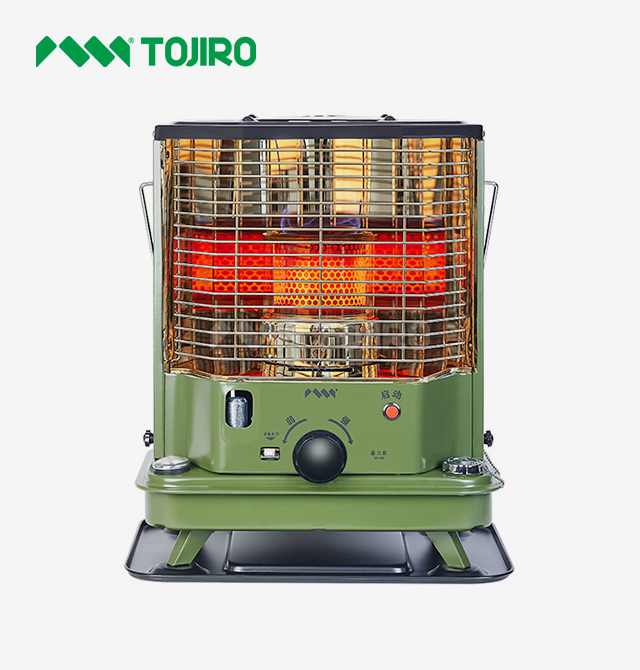 VIEW MOREcompact kerosene heater
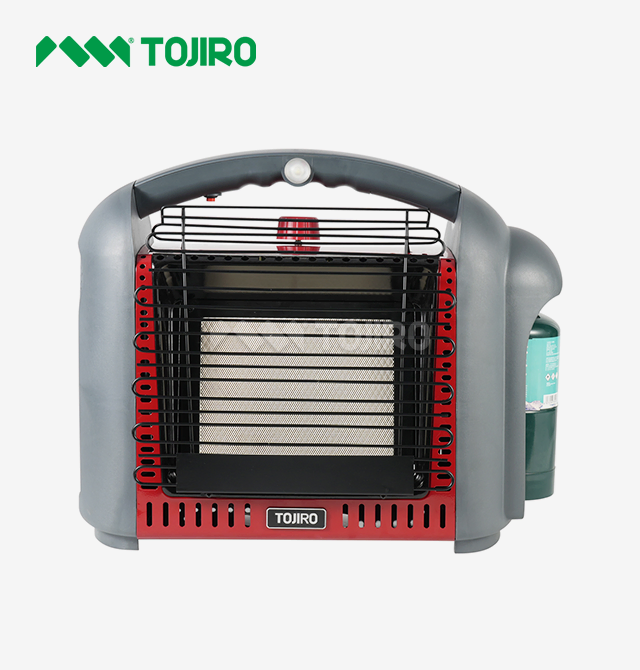 VIEW MOREresidential propane heaters
_1763619738116.webp) VIEW MORE12 volt water heater for rv
VIEW MORE12 volt water heater for rv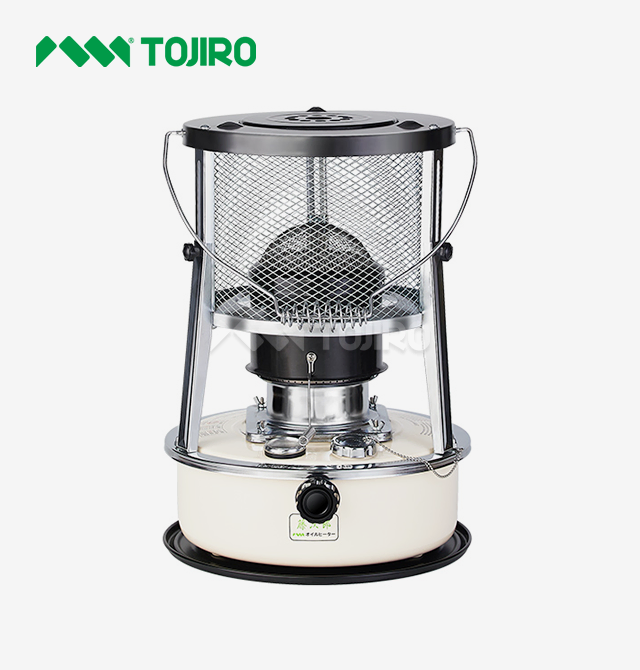 VIEW MOREdiesel heater on kerosene
_1763607791883.webp) VIEW MOREadjustable height propane patio heater
VIEW MOREadjustable height propane patio heater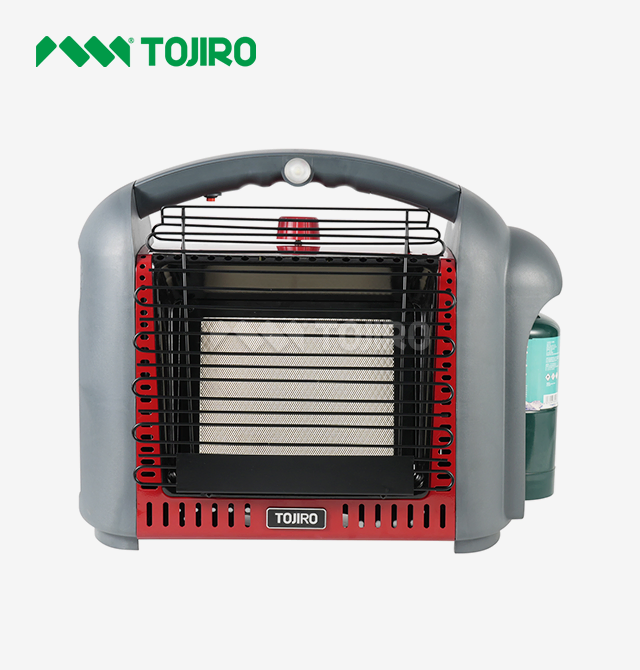 VIEW MOREportable solar heater camping
 VIEW MOREportable double camping stove
 VIEW MOREpropane heater outdoor camping