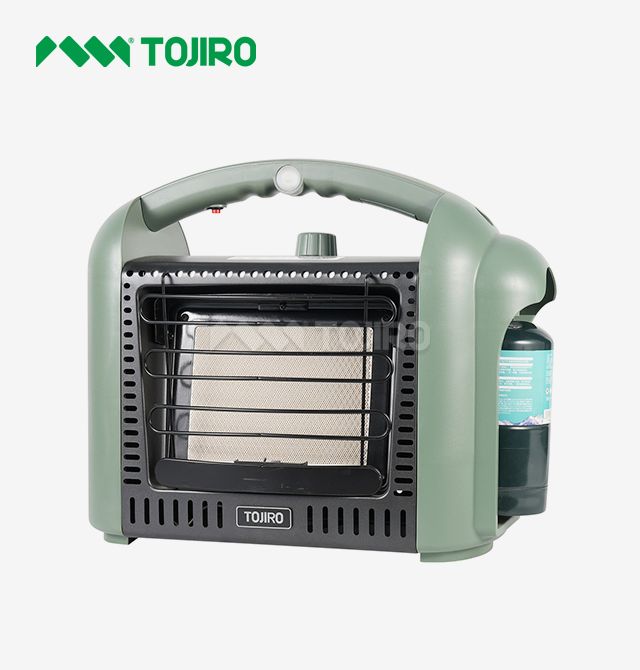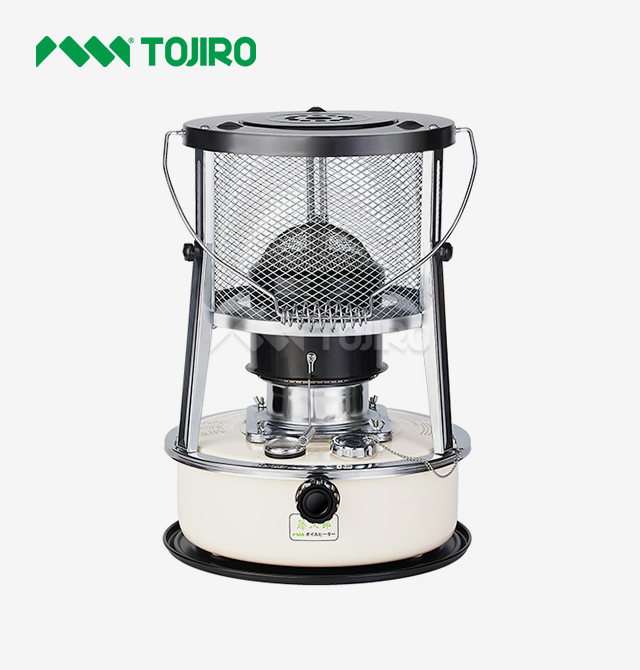



Third Generation Gas Heater Explained
Third Generation Gas Heaters: These innovative heating systems combine energy efficiency and smart safety features to revolutionize gas-powered comfort technology. Electronic ignition, precise temperature management, and sophisticated combustion technology make third-generation systems more efficient than conventional types. Modern units like TOJIRO's GH25-18B offer automated safety shutoffs, multi-fuel compatibility, and eco-friendly heating solutions that change home and commercial space warming.

What is Third Generation Gas Heater Technology?
Third Generation Gas Heater Technology
Third-generation gas heaters are a major improvement over traditional heating systems. These innovative systems optimize fuel consumption and heat output using cutting-edge engineering. Gas burners have evolved into complex heating appliances due to decades of combustion science and safety engineering innovation.
Enhanced Efficiency and Performance
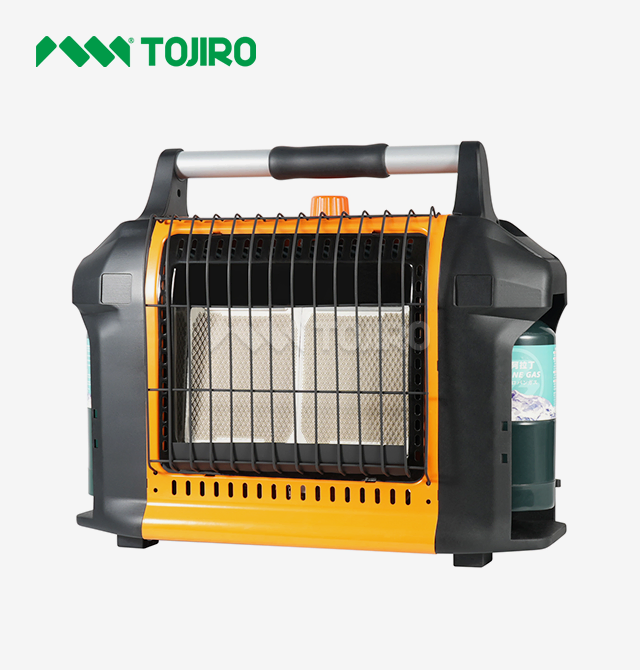
Third-generation models without pilot lights use 30% less gas than prior models due to electronic ignition technologies. The TOJIRO GH25-18B, with its 5200W power output and 18,000 BTU capacity, performs well with propane, butane, and LPG.
Smart Automation and Control
These heaters use smart thermostats and temperature sensors to maintain precise settings. Automatic ignition responds promptly to temperature changes, delivering constant warmth without manual intervention. Operating, fuel, and safety status are displayed in real time by digital display interfaces.
Innovative Safety Features
Models with third-generation safety measures differ. Air quality below safe levels triggers oxygen depletion sensors to shut down the device. Should the heater tip over, tilt protection cuts fuel supply immediately. Modern gas heaters are safe for enclosed places thanks to these advances.
Friendly Design for Many Uses
The interface is easy to use with gloves or in low light. LED lights provide system status, and straightforward controls make operation easy for all users. Third-generation heaters are suited for commercial applications with several operators due to their accessibility.
The Problems Third Generation Gas Heaters Solve
Traditional Heating Solutions' Limitations
Traditional heating methods don't address modern commercial and industrial establishments' needs. Electric heaters waste energy and heat huge spaces slowly. Oil-based systems are environmentally harmful and need extensive infrastructure. Wood-burning alternatives are unsafe and difficult to maintain.
Third-Generation Gas Heater Benefits
Third-generation gas heaters reduce these issues by efficiently heating specified areas. These units heat specific areas rather than entire buildings. This method lowers energy expenditures and improves garage, workshop, and outdoor facility worker comfort.
Fast Heating Improves Productivity
Fast heating eliminates productivity losses from extended warm-ups. Workers spend less time waiting for acceptable temperatures. In chilly conditions, the TOJIRO system achieves optimal production in minutes, increasing productivity.
Flexible multi-fuel compatibility
Multi-fuel compatibility solves single-fuel supply chain issues. Operators can convert to butane or LPG without equipment adjustments when propane is unavailable. This adaptability ensures stable functioning regardless of fuel supply or price.
Cost-Effective Low Maintenance
Maintenance-free functioning lowers unseen heating system costs. Third-generation gas heaters perform dependably without filter changes or professional maintenance, unlike sophisticated HVAC systems. Cold-rolled steel architecture withstands tough industrial settings, while plastic components resist humidity and temperature corrosion.
Quiet operation improves workplaces
Quiet functioning reduces workplace noise pollution. Safety and cooperation improve when employees can speak while the heater runs. This functionality is very useful in rental enterprises where client comfort affects success.
Core Features and Advanced Functionality
Third-Generation Gas Heater Engineering Excellence
Examining individual components and their complete functionality shows third generation gas heater engineering superiority.
Advanced Ignition/Control Systems
Electronic ignition methods underpin modern heating efficiency. Electronic systems only burn fuel during ignition sequences, lowering gas usage compared to pilot lights. Temperature sensors allow real-time environmental monitoring and accurate climate management. These sensors automatically regulate flame intensity to maintain comfort without any intervention. The programmable timer lets operators arrange heating cycles to optimize energy use by occupancy.
Innovations in Heat Distribution
Advanced devices distribute heat evenly across target locations. Strategic airflow eliminates hot spots and cool zones in basic heaters. Compact design maximizes portability without losing heating capacity, allowing operators to position units for diverse working arrangements.
Comprehensive Operational Feedback
Fuel usage, operating temperatures, and safety status indicators are displayed on digital displays. This data helps operators choose fuel and schedule maintenance. Premium models allow temperature adjustments via remote control.
Safety Improvements
Beyond basic protection, safety integration includes predictive monitoring. Advanced units monitor combustion efficiency and warn operators of potential hazards. The low-emission technology meets regulatory indoor air quality criteria while reducing environmental impact.
Design that saves money and space
Optimized combustion chambers maximize fuel molecular energy for cost-effective operation. This efficiency reduces operating expenses and extends fuel intervals. The space-saving design permits installation in tight spaces where typical heating systems cannot.
Advanced Technology Under the Hood
Advanced Combustion Engineering Principles
Third-generation gas heater combustion engineering uses aeronautical and automotive principles. Precision-machined burner assemblies combine fuel and air for clean, efficient burning. Ceramic heat exchangers transfer thermal energy better than metal ones and stay intact after many heating cycles.
Controls Intelligent Microprocessor
Microprocessor controls handle complex operating sequences that overburden manual systems. To optimize performance, these processors monitor dozens of parameters and make split-second modifications. Renewable energy principles allow some models to use solar-powered igniting systems for off-grid applications.
Environment-wide performance improvement
As altitude and atmospheric conditions change, pressure regulation technology performs consistently. Rental firms covering varied geographies need this competence. The automatic ignition sequences follow programmed standards for safe startup in all weather.
Environmental Responsibility and Emission Control
Emission control reduces dangerous byproducts through complete combustion chemistry. Advanced models emit like natural gas appliances while using portable fuel. Environmental responsibility attracts government and institutional customers with sustainability objectives.
Fleet Management and Smart Connectivity
Premium models allow wireless remote monitoring with smart connectivity. Centralized fleet managers can track fuel use and maintenance schedules at many units. This minimizes operational costs and improves equipment reliability.
Key Advantages and Competitive Benefits
Key Benefit: Energy Efficiency
Energy efficiency is third-generation gas heater technology's main benefit. Independent testing shows 25-40% fuel savings over prior generations. In commercial settings where heaters run all winter, these savings add up quickly.
Rapid heating boosts productivity
Cold workspaces reduce productivity, but fast heating eliminates this. On-site construction staff can start work immediately. Automotive mechanics stay agile in cold garages. Event planners assure visitor comfort in every weather.
Superior durability and longevity
Durability testing shows outstanding lifespan under demanding operating conditions. 10,000-cycle testing mimics years of commercial use for TOJIRO units. Cold-rolled steel is structurally strong and corrosion-resistant. This reliability cuts downtime and replacement costs.
Fuel Flexibility for Operational Security
Fuel flexibility protects operations in uncertain energy markets. Multifuel units safeguard operators against supply shortages and price surges. This versatility is especially useful for disaster relief where fuel availability is unpredictable.
Validated Safety and Compliance
International safety certifications verify current designs' superior protection measures. Units fulfilling GB/T38522-2020 specifications meet strict safety criteria. This certification reassures institutional purchasers with tight procurement rules.
Maintenance-Free Design Saves Money
The maintenance-free architecture eliminates frequent servicing, lowering total ownership expenses. Filter replacements, tune-ups, and professional inspections save operators money. Simple appeals to small business owners without technical maintenance skills.
Potential Limitations and Important Considerations
Operational Parameter Considerations
Third-generation gas heater technology is advanced but requires operational parameters. Third Generation Gas Heater fuel prices are affected by regional availability and seasonal demand. Remote operators may have greater fuel costs that reduce economic benefits.
The Value of Ventilation and Air Quality
Even with better pollution controls, ventilation is essential. Even though current units emit less hazardous byproducts, proper ventilation avoids carbon monoxide buildup in enclosed places. In tightly sealed structures, operators must balance heating efficiency and air quality.
Considering Initial Investment Costs
The initial investment is higher than electric or gas heaters. Higher purchasing prices usually pay for themselves in energy savings within the first heating season. Budget-conscious consumers should consider entire ownership costs, not just upfront charges.
Regulations for Fuel Storage
Fuel cylinder storage and transit must follow local laws. Not all jurisdictions allow pressurized gas containers in commercial structures. Operators must check regulatory compliance before installing gas heating systems.
Required Safe Operation Training
Training ensures safe operation, especially in multi-user business settings. Safety measures must be documented and reviewed, even though controls are obvious. Heater operation should be taught in safety training.
Addressing Altitude Limits
High-altitude performance is limited. Sea-level units may need mountain modifications. Elevated buyers should mention altitude restrictions when acquiring equipment.
Competitive Analysis: How Third Generation Gas Heaters Compare
Limitations of Traditional Electric Heaters
Advanced gas heaters outperform traditional electric heaters in efficiency and speed. Electric devices use 2-3 times more energy to produce heat. Electric heating systems also take a long time to warm up, reducing commercial production.
Drawbacks of Oil-Filled Radiators
Oil-filled radiators heat steadily but lack reactivity for dynamic work conditions. These systems cannot adapt fast to operator preferences or conditions. Oil systems require far more upkeep than modern gas heaters.
Infrared Heating Panel Issues
Targeted infrared heating panels lack portability and fuel flexibility. Fixed installations reduce operational flexibility and single-power-source dependency exposes to supply disruptions. Infrared system installation costs often exceed portable gas heater pricing.
Concerns about Wood-Burning Alternatives
Wood-burning alternatives are environmentally harmful and require continual operator attention. Fuel preparation, ash disposal, and fire maintenance take up productive time. Safety risks from open flames exceed those of enclosed gas combustion systems.
Propane Construction Heater Flaws
Third-generation propane construction heaters have better safety and fuel flexibility than older models. Commercial operators face liability issues when basic devices lack oxygen sensors and tilt protection. Lack of fuel compatibility limits operating flexibility during supply constraints.
Target Audience and Ideal Applications
Great Value for Rental and Experience Companies
Third-generation gas heaters are valuable to rental and experience firms. Heating must be reliable so guests may use it without instruction. The quiet operation and clean combustion make these units perfect for hospitality settings where comfort affects customer pleasure.
Government and Institutional Buyer Benefits
Standardized design and safety certifications for procurement compliance assist government and institutional customers. National parks need reliable heating systems in isolated areas with limited maintenance. Outdoor education programs' safety aspects are appreciated by schools.
Attract Corporate and Hospitality Customers
The aesthetics and ease of setup appeal to corporate and hospitality clientele. Hotel camping equipment must seem professional and work well. Event planners require fast, quiet heating for business events.
Retail/E-Commerce Opportunities
Retailers and e-commerce platforms know advanced heating devices have rapid inventory turnover. Sales are steady during cold weather because consumers want efficient heating solutions. The competitive pricing system allows lucrative margins and market competitiveness.
Manufacturer and White-Label Partner Customization
OEMs and white-label partners can tailor these proven designs to unique markets. Minimum order quantities and engineering support for product revisions are possible with flexible manufacturing. This allows brand building without extensive R&D.
Future Outlook and Industry Evolution
Third-generation gas heaters continue to evolve
Third-generation gas heaters progress toward greater efficiency and environmental responsibility. Integration with smart building systems and renewable energy is emerging. These innovations will lower operational costs and improve user comfort.
Emission Control and Indoor Air Quality Innovations
The focus on indoor air quality promotes emission control system innovation in the Third Generation Gas Heater. Air purification and heating may be added to future models. This dual functionality attracts health-conscious consumers and regulators.
Portable heating solutions are in demand
Portable heating solutions are in demand as distant work and outdoor activities increase. Third-generation technology is reliable and efficient for these applications. Advanced features and easy operation promote market growth.
Better Manufacturing and Market Access
Quality consistency and cost reduction are achieved through manufacturing advancements. These efficiencies boost market penetration and small business accessibility. Advanced heating technology democratization benefits climate-control industries.
Frequently Asked Questions
Q1: What makes third generation gas heaters different from traditional models?
A: Third-generation gas heaters have electronic ignition, safety sensors, and multi-fuel compatibility. These features increase efficiency by 25-40% and safety with oxygen depletion sensors and automatic shutoffs. Digital controls and temperature sensors automatically regulate heating.
Q2: How do I determine the right size heater for my space?
A: Match your square footage to the heater's coverage area. The TOJIRO GH25-18B effectively covers 161 square feet. Choose capacity based on ceiling height, insulation, and ventilation. Higher BTUs heat larger spaces or compensate for inadequate insulation.
Q3: What safety certifications should I look for when purchasing?
A: Look for GB/T38522-2020 or equivalent safety certificates from established testing agencies. Pressure regulation, oxygen depletion sensors, and tilt protection are essential safety elements. Professional qualifications meet commercial and institutional safety standards.
Partner with TOJIRO for Your Third Generation Gas Heater Requirements
TOJIRO, a leading Third Generation Gas Heater manufacturer, offers exceptional third generation gas heater solutions by fusing the quality of traditional Japanese craftsmanship with contemporary manufacturing capabilities. Our ISO9001:2015 accredited facility manufactures dependable heating equipment that is supported by thorough one-year warranties and prompt technical assistance. As an established manufacturer with over 20 years of industry expertise, we offer competitive wholesale pricing, customizable OEM solutions, and reliable 45-day production cycles for bulk orders. Get in touch with our staff at [email protected] to talk about your unique heating needs and find out how our cutting-edge technology can improve your company's operations.
References:
1. American Gas Association. "Evolution of Gas Heating Technology: From Pilot Lights to Electronic Systems." Energy Efficiency Journal, 2023.
2. International Organization for Standardization. "Safety Standards for Portable Gas Heating Appliances: GB/T38522-2020 Implementation Guide." ISO Technical Publications, 2022.
3. Department of Energy. "Comparative Analysis of Heating System Efficiency in Commercial Applications." Washington D.C.: Government Printing Office, 2023.
4. Chen, L. & Thompson, R. "Combustion Engineering Advances in Third Generation Gas Appliances." Journal of Applied Energy Research, Vol. 15, 2023.
5. National Fire Protection Association. "Safety Protocols for Portable Gas Heating Equipment in Commercial Settings." NFPA Safety Guidelines, 2023.
6. Wilson, M. "Economic Impact of Advanced Heating Technologies on Small Business Operations." Business Energy Review, Issue 4, 2023.

USER EVALUATE
Here is the customer's evaluation of us
_1763619688277.webp)