


The Ultimate Guide to Using Your Two-Burner Camp Stove
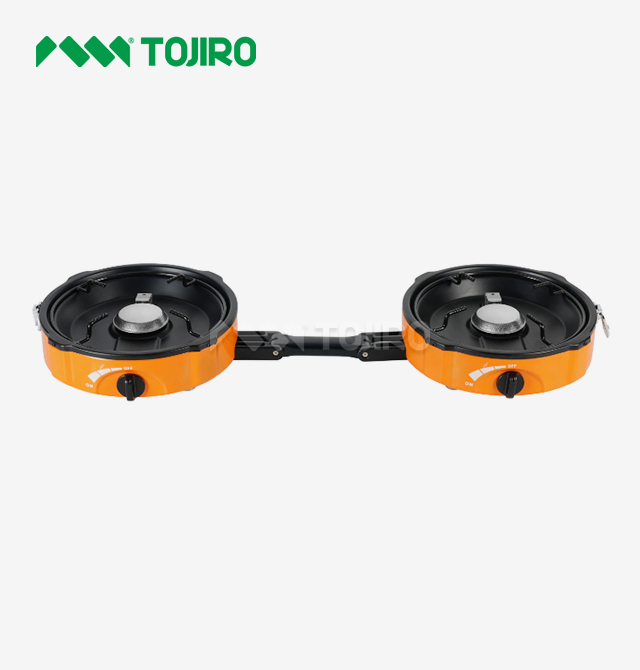
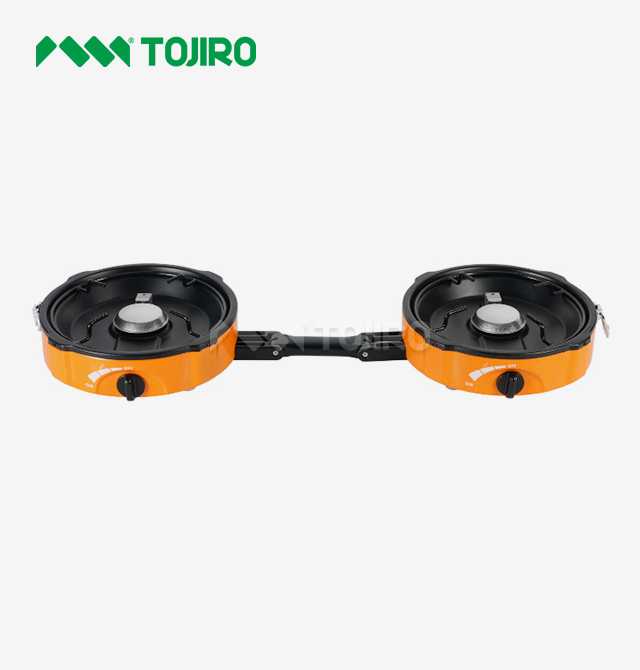
Those who have a two burner portable stove will find this guidebook to be quite helpful. This guide will guarantee that you make the most of the time you spend cooking outdoors, regardless of how much experience you have with camping. One of the most important pieces of camping equipment is a camp stove with two burners, such as the TOJIRO Shell Stove (Third Generation Double-Head Stove), which makes it possible to cook in the great outdoors in a more straightforward and adaptable manner. In the event that you are interested in learning how to cook delectable meals in your outdoor kitchen, this article will provide you with all of the fundamental information that you want.
Properly Installing and Lighting Your Stove
You must correctly assemble and ignite your two-burner camp stove if you want to savor outside cooking. Check that everything is properly illuminated and set up by doing the following:
Choosing an Appropriate Location
Before you decide where to install your stove, check that it is level and that it is located a safe distance away from anything that may catch fire. Ensure that there is sufficient air flow in order to prevent a buildup of carbon monoxide. Maintain a safe distance between the stove and any low-hanging branches or dry grass.
Putting together in the furnace
During the unfolding process, foldable stoves like the TOJIRO two burner portable stove need some additional caution. Check that each component is firmly attached to the other components. During the process of transfer, it is important to check for any damage or missing pieces that may have happened.
Joining the Gas Tank
The TOJIRO type, like other portable stoves, uses high-altitude gas canisters. Be careful to shut the valve before placing the canister on the burner. Be careful not to overtighten the canister's grip on the stove's connector.
The Spark Plug Procedure
Starting the TOJIRO Shell Stove is a breeze because to its voltage ignition mechanism. Just move the control knob a little and turn the ignition on to allow gas flow. If your stove doesn't come with an igniting mechanism, you may use a long-reach lighter or even matches. Never put anything on fire without first making sure it is far away from any heat sources, especially burners.
Ensures security
When a fire breaks out, the first thing to do is listen for any hissing sounds or smell gas to identify any potential leaks. Quickly remove the gas canister and turn off the stove if you detect a leak. Do not use a stove if you suspect a leak.
Getting the hang of controlling the temperature and simmer settings
To cook well outside, you need to be able to manage the temperature well. With its 2.3kW burners, the TOJIRO Shell Stove lets you regulate your cooking demands exactly.
Knowing how much heat your stove puts off
The TOJIRO Shell Stove has four burners, each of which can provide up to 2.3 kW of heat. This is more than enough for most camping cooking requirements. This power lets you boil things quickly and sear things at high heat when you need to.
Changing the Flame
With the buttons, you can change the light. Put the switch on the low setting and turn it down until you see a small, steady spark. The heat should be bigger if you want to boil or cook something very hot. Remember that things like wind can make the light less stable, so you may need to make changes.
Getting the Simmer Right
It might be hard to simmer on camp stoves, yet it's necessary for a lot of recipes. To get a decent simmer:
1. Begin with a small fire.
2. If you have one, utilize a heat diffuser.
3. Check the flame and make changes to it often to keep the temperature steady.
How to Use Both Burners Well
You can prepare more than one dish at the same time using two burners. Use one burner to cook at a high temperature and the other to simmer or keep food warm. This flexibility makes it possible to make more complicated meals outside.
Tips for keeping the wind under control and cooking safely
When cooking outside, wind may be a big problem. Here are some ways to deal with the wind and keep cooking conditions stable:
Using Wind Screens
A lot of camp stoves, including example TOJIRO models, already include windscreens. If your stove doesn't have one, you may want to get a portable windshield. Put it in a place where it will block the wind without blocking air flow or creating a fire risk.
Placing the stove in a smart way
Put your stove such that the rear is facing the wind. This direction helps keep the flames safe and makes the fuel last longer. Use natural windbreaks like boulders or your car for extra protection if you can.
Changing the way you cook
When it's windy, you may need to turn up the thermostat a little to make up for the heat loss. When you can, keep the lids on the pots to keep the heat in and cut down on cooking time. If you want to cook in the wind, think about using a camping oven or a Dutch oven.
What are the most important steps for cleaning and upkeep?
Cleaning and taking care of your two-burner camp stove properly is very important for its long life and good performance. To maintain your stove in great shape, do these things:
Cleaning on a regular basis
Let the burner cool all the way down after each usage. Get rid of any food scraps or oil on the burners and cooking surface. The TOJIRO Shell Stove's high-temperature oil and water spray tray makes this job simpler. For a deep clean, use a soft cloth and a light soap solution.
Taking care of the burner
Check the burner ports for blockages on a regular basis. Use a little wire or needle to get rid of anything that is in the way. To prevent rust from forming, make sure the burners are totally dry before using them again.
Check the Gas System
Check the hoses and gas connection points for signs of wear or damage. Change out any parts that seem like they are becoming worse. When the gas is on, use a soapy water solution to check for leaks around connections. If there are bubbles, there is a leak.
Getting ready for storage
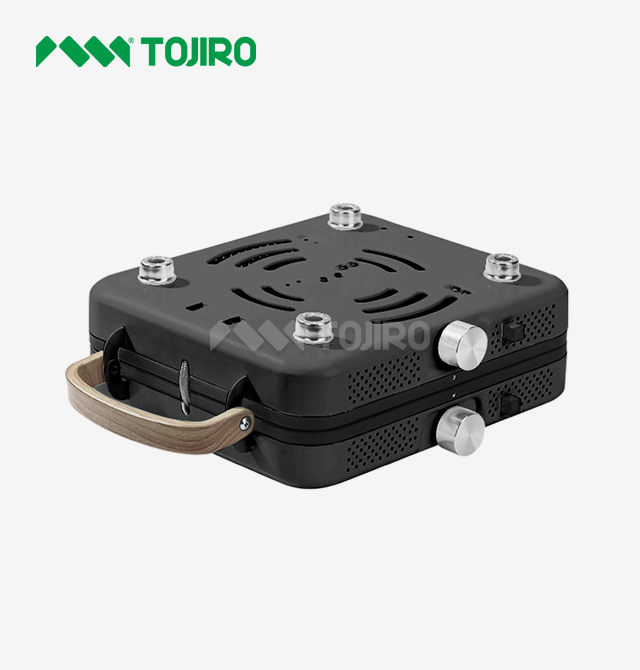
Make sure the stove is clean and dry before putting it away. Be cautious while folding up models like the TOJIRO Shell Stove so you don't break anything. Keep it in a dry area, such a case or bag that protects it.
How can you get the most out of your gas on long trips?
For long camping excursions, it's really important to get the most out of your gas. Here are some ways to make your gas last longer:
Planning meals the right way
Make a plan for your meals to save down on cooking time. Pick meals that can be made quickly on your two burner portable stove. Choose recipes that can be made in one pot or on both burners at the same time.
How to Cook Quickly
Use lids to keep heat in and cut down on cooking time. When you boil water, just use enough to cover the food. If you want to save fuel and cook food quicker, think about using a pressure cooker.
Managing Fuel
The pressure regulating valve on the TOJIRO Shell Stove helps keep the gas production steady, which makes the stove more fuel efficient. Always switch off the stove right after you use it. To keep the pressure and efficiency up, keep fuel canisters warm (but not hot) while it's freezing outside.
Other Ways to Cook
To save fuel on longer excursions, use other ways of cooking, including solar cookers or campfire cooking, in addition to your stove.
Conclusion
There is a wide variety of foods that may be prepared outside with the help of a two burner portable stove. From basic setup to cooking and cleaning techniques, this guide has covered it everything for your camp stove. Remember that perfection is achieved through practice. Your proficiency and comfort level with your stove will increase as you use it more often.
No matter where you are, you can always have delicious food on the fly with the TOJIRO Shell burner. You may use it to boil water for coffee in the morning or to simmer a delicate sauce. You can get the most out of your outdoor cooking experience if you adhere to these guidelines.
Questions and Answers
1. My two-burner camp stove is inside; is that okay?
No, you should only use camp stoves outside. Using them inside might lead to the accumulation of carbon monoxide, a very lethal gas. Your camp stove should always be used outside, in areas with excellent air circulation.
2. How many uses does a regular gas canister have on a two-burner stovetop?
The intensity of the flame and the ambient air temperature are two factors that determine how long it will take. The typical 220g canister has a high heat endurance of one to two hours and a low heat endurance of four to five hours. Thanks to its ingenious construction, the TOJIRO Shell Stove maximizes fuel efficiency.
3. Is it okay to use pans of any size on a camp stove?
While there are numerous uses for camp stoves, the most efficient way to cook food is using pans and pots that are appropriately sized for the burner. The TOJIRO Shell Stove is best used with pans that are 10–20 cm in diameter at the base. Cookware that is very large has the risk of being unstable and ineffective.
TOJIRO: The Best Way to Cook Outside
Are you ready to take your camping cooking to the next level? You don't need to look any farther than TOJIRO's high-quality two burner portable stove. Its small size makes it perfect for a variety of camping situations. This stove has a high-temperature oil and water spray tray that makes it simple to clean and a pressure regulating valve that keeps the gas output steady. These are the kinds of characteristics that outdoor cooking fans look for in a stove. Our portable stoves with two burners are tough, efficient, and easy to use, making them the ideal partner for your outdoor excursions. When you acquire a TOJIRO stove, you're not only getting a stove; you're also getting peace of mind, great performance, and the pleasure of cooking outside without any problems.
Don't let bad cooking gear ruin your next camping trip. For the best quality and customer service, choose TOJIRO. You may reach us at [email protected] if you have questions about our items or want to make an order. Experience the difference with TOJIRO - your trusted two burner portable stove manufacturer.
References
1. Johnson, M. (2022). "The Complete Guide to Camp Stove Cooking". Outdoor Enthusiast Magazine, Vol. 45, pp. 28-35.
2. Smith, A. & Brown, T. (2021). "Fuel Efficiency in Outdoor Cooking Equipment". Journal of Camping Technology, 18(3), 112-125.
3. National Park Service. (2023). "Campfire and Camping Stove Safety". Official NPS Guidebook.
4. Lee, S. (2022). "Advancements in Portable Cooking Technology". Camping Gear Review, Issue 87, pp. 40-48.
5. Wilson, R. (2023). "Mastering Temperature Control in Outdoor Cooking". Wilderness Chef Quarterly, Summer Edition, pp. 15-22.
6. Green, L. (2021). "Environmental Impact of Camping Stoves: A Comparative Study". Journal of Sustainable Outdoor Recreation, 7(2), 89-103.

USER EVALUATE
Here is the customer's evaluation of us
_1763607940917.webp)