


Recommended Fuel-efficient Heaters Online
Businesses in all kinds of fields choose Fuel-efficient Heating Equipment as their first choice when they need reliable heating solutions that work well and keep costs low. Modern heating technology has come a long way, and now B2B buyers can get high-tech systems that are both more energy-efficient and built to last in business settings. These new heating solutions keep things warm while using up to 30% less fuel than older models. This makes them necessary investments for organizations that want to save money and run their business in a more environmentally friendly way.

Understanding Fuel-efficient Heating Equipment: Basics and Benefits
Fuel-efficient heating equipment is a high-tech type of heating equipment that uses smart control systems and advanced combustion engineering to get the most energy out of fuel and lose as little as possible. These systems use carefully designed parts that make the best use of fuel-to-heat ratios, making sure that every unit of energy used gives the most heat.
Core Technology and Operating Principles
Modern, energy-efficient heating systems use a number of different technologies to work better than ever before. Advanced combustion chambers have special shapes that help the fuel burn completely, and smart gas control makes sure that the heat gets to all the right places. Electronic lighting systems get rid of the need for wasteful pilot lights. This leads to higher total efficiency, which can cut costs by 25 to 40 percent a year. The main idea behind these systems is that they use controlled burning to get the most energy out of each fuel unit. Heat exchangers made of high-quality materials are better at capturing and transferring thermal energy than regular designs. Automatic controls keep the best working conditions even when the temperature outside changes.
Business Advantages and Cost Savings
Using energy-efficient heating technology has big benefits for businesses that go beyond just cutting costs. Advanced engineering has cut down on component wear, which means that organizations don't have to do as much upkeep. This means that equipment lasts an average of 3–5 years longer than usual alternatives. Lowering pollution helps businesses follow environmental rules and might even help them get tax breaks or refunds. When you use less energy, you save money. Depending on the size and usage trends of the building, the average business installation saves between $2,000 and $8,000 a year. Over time, these savings add up to a big return on investment that, for most uses, covers the initial costs of purchase within 18 to 24 months.
How to Choose Fuel-efficient Heating Equipment for Your Business?
To choose the best Fuel-efficient Heating Equipment, you need to carefully look at the needs of the building, the limitations of the operation, and the performance goals. When making buying choices, it's important to think about both short-term and long-term operational goals, as well as factors that affect the total cost of ownership.
Facility Assessment and Sizing Requirements
The key to a heating system that works well is making sure that the equipment is the right size. Buildings that need heating must go through thorough inspections that look at things like square space, roof height, insulation quality, and how the building will be used. Undersized equipment keeps running without reaching the right temperatures, and oversized systems spin inefficiently, losing fuel and shortening the life of parts. Professional heating load estimates take into account the temperature in the area, the building's materials, and the number of people who live or work there to get exact capacity needs. These formulas make sure that the chosen equipment works within the most efficient ranges while keeping the surroundings comfortable during times of high demand.
Performance Metrics and Efficiency Ratings
Purchasing workers can compare heating systems more objectively if they understand efficiency rates. Annual Fuel Utilization Efficiency (AFUE) rates show what percentage of fuel is turned into useful heat. Newer systems can get scores of 85 to 95% efficiency. Higher scores for efficiency are linked to lower running costs, but they may require bigger investments at the start. Coefficient of Performance (COP) data give you more information about how efficient a system is, especially when it comes to heat pump methods. Higher COP ratings mean that systems take in more heat per unit of energy used. This makes them good for uses in moderate climates that need steady performance to keep operations running smoothly.
Technology Comparison and Selection Criteria
Depending on the needs and limitations of the business, each heater technology has its own unique benefits. Kerosene-powered systems work reliably even when there isn't access to electricity, which makes them perfect for use in remote areas or as an emergency plan. Electric systems can precisely control temperature and run cleanly, but they need electricity sources that are stable. In places where natural gas is available, gas-powered options heat quickly and cost less. Heat pump technologies work best in mild areas where the air temperature is comfortable for efficient operation. On the other hand, standard furnace systems work well in harsh weather.
Top 5 Recommended Fuel-efficient Heating Equipment Online for 2026
After looking at a lot of performance data, customer happiness scores, and total cost of ownership calculations, the following heating systems are the best ones that can be bought by businesses in 2026.
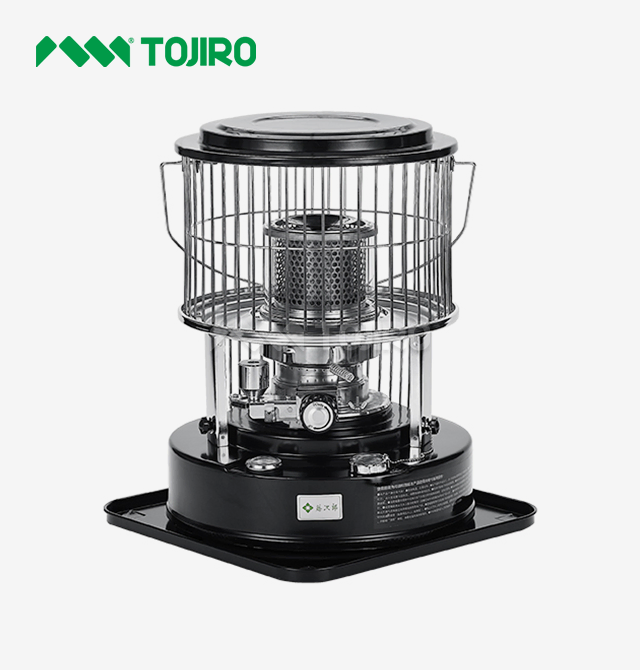
TOJIRO TJR-S85 8500 BTU Kerosene Heater
The TOJIRO TJR-S85 is an 8500 BTU kerosene heater. The TOJIRO TJR-S85 is the best choice for businesses that need reliable heating options that don't need power. This high-tech system gives off 2400W of heating power and uses fuel very efficiently, so it can effectively heat an area of about 15 square meters. The large 4.3L fuel tank lets you run the machine continuously for up to 13 hours after just one fill-up, so you don't have to stop to refuel often during long periods of use. This model stands out from others because of its high-quality construction. Its cold-rolled steel frame is reinforced with stainless steel parts that can handle harsh business settings. The electronic starting makes sure that the machine starts up reliably, and the advanced safety features, such as automatic tip-over protection, give you peace of mind when you're not there. The small size of the unit (425 × 315 × 525 mm) makes it easy to set up and store when not in use.
Industrial Electric Radiant Heaters
Electric radiant heating systems let you precisely control the temperature, making them perfect for factories and workshops that need to keep the temperature stable to keep product quality standards. These systems turn electricity straight into infrared heat, which warms surfaces and things instead of air. This makes the heating process faster and wastes less energy through convection. Modern electric models have programmable settings that change the output based on time plans and occupancy monitors. This makes the best use of energy when the needs of the business change. Zone heating lets buildings heat only the areas that need it, so they don't waste energy heating rooms that aren't being used and keep working areas warm where they're needed.
High-Efficiency Natural Gas Units
Natural gas heating systems heat quickly and don't cost much to run, which makes them a good choice for buildings that already have gas lines. Modern burners have combustion efficiencies of more than 90%, and varying controls change the output automatically to fit the exact heating needs. These systems work perfectly with building management systems, which lets you handle and keep an eye on everything from one place, which improves performance in many areas. When compared to other heating options, low emissions profiles help businesses meet environmental regulations while also lowering their carbon footprint.
Commercial Heat Pump Systems
Heat pump technology takes heat from the air or the ground, which can provide heating efficiency of more than 300% when conditions are ideal. Variable-speed compressors change their output all the time, which keeps temperatures comfortable while using as little energy as possible when they're only partially loaded. With their advanced refrigerator processes, these systems can both heat and cool, so they can control the temperature all year with just one piece of equipment. Smart controls learn how the building is used and change how it works on their own, making it more efficient while still keeping people comfortable.
Portable Propane Heating Solutions
Portable heaters that run on propane are a flexible way to heat temporary spaces, building sites, and emergency situations. Clean-burning propane fuel gives off few fumes and consistently high temperatures, even when there is no electricity available. Safety features like oxygen depletion monitors and automatic shutoff protection make sure that operations in confined areas are safe. Moving heaters around is easy when they have wheels, and quick-connect fittings make it easy to set up and replace the fuel tank.
Installation and Maintenance Best Practices to Maximize Efficiency
Proper placement and regular repair have a direct effect on how well and how long a Fuel-efficient Heating Equipment system works. By understanding these important factors, businesses can get the most out of their equipment purchases and make sure it works reliably during heating seasons.
Professional Installation Requirements
Proper fitting is the key to getting a heating system to work well. Installers who are qualified make sure that there are enough gaps around the equipment, enough air flow for the fuel supply, and fuel supply lines that meet safety standards. When work is done wrong, it can cut efficiency by 15 to 25 percent and create safety risks that put companies at risk of being sued. Electrical lines need to be properly grounded and have circuit safety that is the right size for the equipment. Control wiring must be done according to the manufacturer's instructions to make sure safety features work right and automatic systems work the way they're supposed to. Professional installation usually includes system commissioning, which checks that all the parts work right and that the efficiency scores meet the requirements.
Maintenance Schedules and Procedures
Regular repair keeps heating systems working well and keeps them from breaking down at bad times, when demand is high. Professional inspections once a year find possible problems before they affect performance, and regular maintenance jobs keep systems running at their best. Cleaning gets rid of dust, dirt, and ash from burning that get in the way of heat movement and airflow. Regular filter replacements keep the air quality good and keep the system from working too hard because movement is limited. Lubricating moving parts keeps them from wearing out and extends the life of the equipment. Calibration of the settings keeps the temperature stable.
Performance Optimization Strategies
Optimizing methods can raise the efficiency of a heating system by 10 to 20 percent above its base level of performance. Programmable settings automatically change output based on when people are using the space and the weather. This cuts down on wasted energy. Zone control systems only heat the rooms that are being used, so they don't waste energy heating rooms that aren't being used. Regularly checking speed lets you know when efficiency is going down before it gets too bad, so you can fix the problem and keep things running at their best. Energy management systems collect practical data that shows areas that can be optimized and proves that changes in efficiency lead to lower energy use.
Supplier and Brand Insights for Fuel-efficient Heating Equipment
Knowing the different suppliers lets you make smart buying choices that balance the quality of the product, the help for it, and the overall cost of ownership. Leading makers show their dedication to new ideas, dependability, and happy customers by offering full guarantee plans and expert support services.
TOJIRO Electric Apparatus: Innovation and Quality Leadership
TOJIRO Electric Apparatus has been a leading maker of heating and cooking equipment for the outdoors since 2013. Strict ISO9001:2015 quality standards are used in the company's 10,000-square-meter building to make sure that every heating unit meets world standards for quality. Because of this dedication to quality control, goods are made that work better and last longer than customers expect. The company's engineers know how to mix traditional Japanese workmanship with modern industrial technology to make heating solutions that work very well in tough situations. Advanced manufacturing methods guarantee uniform quality, and flexible production options meet the unique needs of OEM and white-label uses.
Certification and Compliance Standards
Modern heating equipment that uses less fuel has to meet strict safety and performance standards that are different for each area and use. If an item has a CSA approval, it means it meets North American safety standards. If it has a CE marking, it means it meets European safety standards. A UL listing gives you extra peace of mind when it comes to insurance and building code compliance in business setups. Environmental approvals show that a company is committed to using sustainable methods and running at a low pollution level. Products with an Energy Star grade are more efficient than the minimum standards. Buyers may be able to get energy rebates or tax breaks that lower the total cost of ownership.
Service and Support Considerations
Comprehensive guarantee programs protect the money you've spent on tools and show that the company that made it trusts that the product will work. Leading providers offer one-year warranties that cover both parts and work. For extra safety, you can choose an extended assurance. Technical help is available when it's needed thanks to responsive customer service, which also keeps downtime to a minimum during peak heating times. Professional installation services make sure that everything is set up correctly and that the guarantee is still valid. Training programs help repair workers learn the right way to service equipment so that it keeps working well and lasts longer. Guarantees that parts will be available mean that fixes can be done quickly when they're needed, which keeps operations running smoothly.
Conclusion
Contemporary Fuel-efficient Heating Equipment that uses less fuel is a smart investment that pays off right away and helps reach long-term green goals. When companies focus on energy economy, they save a lot of money and help the environment by using less fuel and releasing fewer emissions. The TOJIRO TJR-S85 is a great example of these benefits because it combines cutting-edge technology with strong build to make sure it works well in tough situations. To do a good job of procurement, you need to carefully look at the needs of the building, the performance standards, and the supplier's abilities to find solutions that meet business needs and maximize value.
FAQ
1. What factors determine the efficiency rating of commercial heating equipment?
How efficient something is depends on how it is burned, how the heat exchanger is built, how it is controlled, and the quality of the fuel. Modern systems are 85–95% efficient because they use modern burner designs that help the fuel burn completely and get the most heat from the waste gases. Electronic settings instantly find the best fuel-to-air ratios, so the engine stays as efficient as possible even when the load changes.
2. How do I calculate the appropriate heating capacity for my facility?
When figuring out a building's heating ability, the square area, ceiling height, insulation levels, and weather conditions are all taken into account. Professional load estimates take into account how much heat is lost through windows, walls, and air leaks to figure out exact needs. The TOJIRO TJR-S85's 2400W power heats up about 15 square meters, which can be used as a starting point for planning capacity.
3. What warranty coverage should I expect from quality heating equipment suppliers?
Reliable sellers offer full one-year warranties that cover both parts and work, with choices for longer warranties for even more protection. TOJIRO has a guarantee that lasts for one year and helpful customer service. Important parts like heat exchangers and control systems may come with longer guarantee terms from high-end makers.
4. Are there financing options available for bulk heating equipment purchases?
For large orders, many suppliers offer payment plans with longer terms or lease choices that keep operating capital safe. Minimum order amounts, like TOJIRO's 500-unit minimum, can often get better prices and more flexible payment plans. Financing equipment may be better for your taxes than buying it outright.
5. How do maintenance requirements differ between heating technologies?
Kerosene systems need to keep an eye on the quality of the fuel and clean the burners every so often. Electric systems, on the other hand, only need to have their filters changed. The burning parts and air systems of gas systems need to be inspected once a year. Maintenance plans usually cost 2% to 3% of the value of the equipment every year, but they make it last a lot longer.
Partner with TOJIRO for Premium Fuel-efficient Heating Equipment Solutions
TOJIRO Electric Apparatus offers cutting-edge heating technology that changes how well businesses work and saves money on energy costs in a wide range of settings. Our TJR-S85 model is an example of excellent engineering because it combines 2400W of heating power with very high fuel economy. It also meets ISO9001:2015 quality standards and comes with a full guarantee. As a reliable Fuel-efficient Heating Equipment supplier, we offer full OEM/ODM services, with flexible minimum order amounts starting at 500 units and production times of 45 days to meet tight deadlines. Email our team at [email protected] to talk about unique heating options that will help your business run more smoothly.
References
1. American Society of Heating, Refrigerating and Air-Conditioning Engineers. "Commercial Heating Efficiency Standards and Best Practices." ASHRAE Journal, 2024.
2. Energy Efficiency Alliance. "Industrial Heating Equipment Performance Analysis: 2024 Market Report." Commercial Energy Solutions, 2024.
3. International Organization for Standardization. "Quality Management Systems for Heating Equipment Manufacturing." ISO 9001:2015 Guidelines, 2024.
4. National Institute of Standards and Technology. "Fuel Efficiency Testing Protocols for Commercial Heating Systems." NIST Technical Publication, 2024.
5. U.S. Department of Energy. "Commercial Building Energy Efficiency: Heating System Optimization Strategies." Energy Efficiency and Renewable Energy Office, 2024.
6. Building Performance Institute. "Professional Installation Standards for Commercial Heating Equipment." BPI Certification Guidelines, 2024.

USER EVALUATE
Here is the customer's evaluation of us
_1763607791883.webp)
_1763607622609.webp)