


Portable Propane Heaters for Outdoor Activities
When temperatures drop and outdoor projects or events demand reliable warmth, portable propane heaters become indispensable. These compact heating units offer the flexibility and power necessary to maintain comfort in diverse outdoor settings—from construction sites and warehouses to camping trips and seasonal events. By combining efficient fuel combustion with straightforward operation, portable gas heaters deliver immediate heat without the infrastructure constraints of electric systems. Understanding their functionality and procurement considerations helps businesses secure heating solutions that align with operational needs and safety standards.
How Portable Propane Heaters Work and Their Benefits
The Core Mechanism Behind Gas Heating
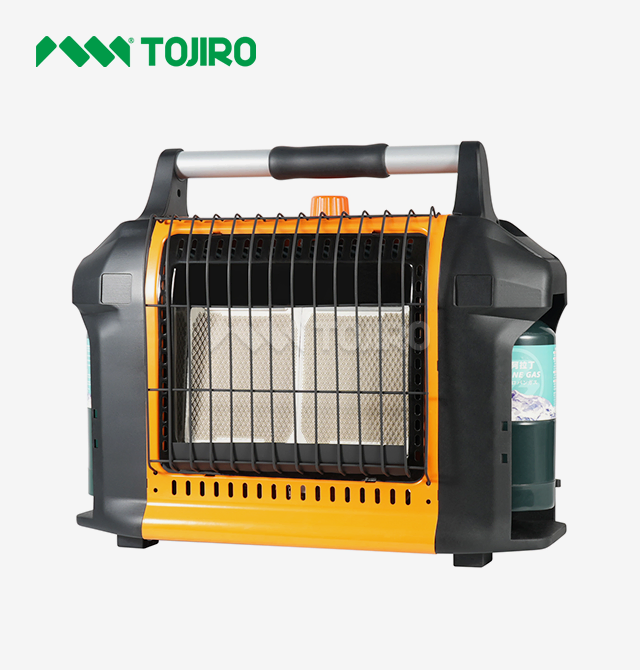
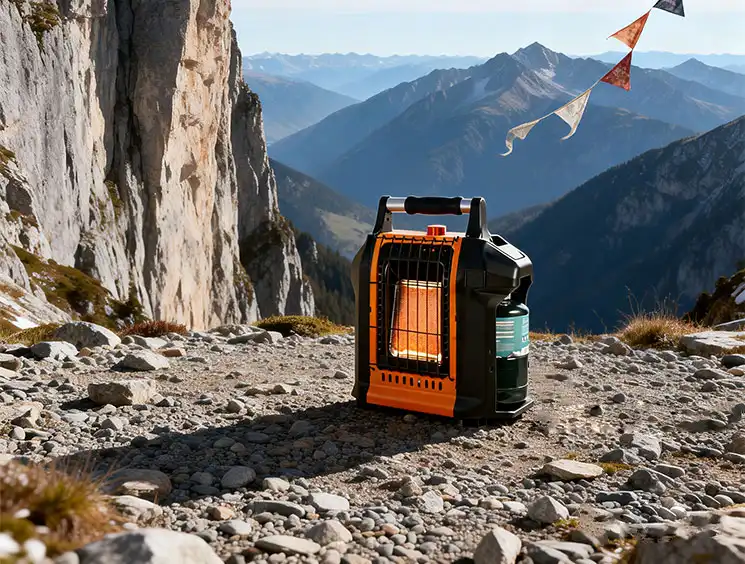
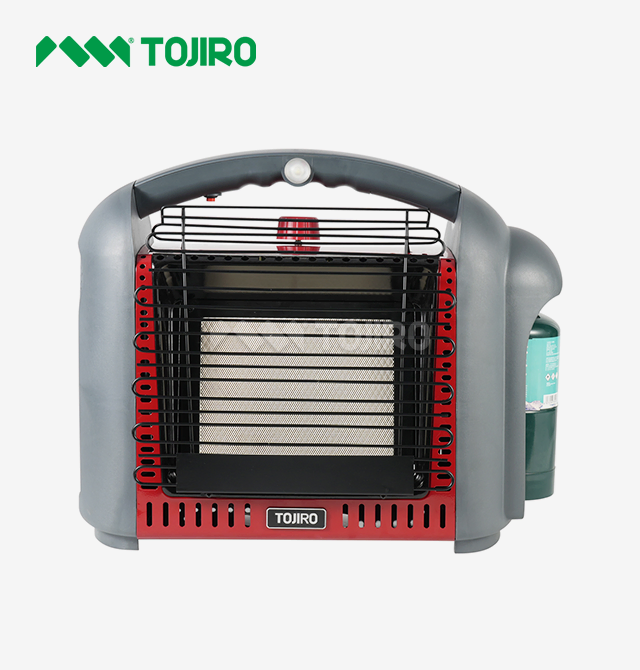
The simple but effective burning process inside portable propane heaters makes them work. Attached cylinders store propane, which flows through a pressure-regulating valve and mixes with oxygen before setting fire to the burner assembly. This controlled burning makes solar heat, which doesn't just heat the air but also warms things and people nearby. The TOJIRO GH25-9B model is a great example of this design principle. It has a 2600W power output and is made of cold-rolled steel and plastic, which makes it both durable and portable.
The voltage ignition system turns on the burner right away, so you don't need lighters or matches. These units reach full operating temperature in 5 to 10 minutes, turning cold places into comfortable places to work. This ability to heat up quickly is especially helpful for projects that need to be done quickly, and workers can't wait for long warm-up times.
Fuel Versatility Expands Application Range
Multi-fuel compatibility is one of the best things about it. Modern propane heaters can use different kinds of cylinders, like standard propane canisters, high-altitude gas tanks, butane cylinders, and LPG bottles. This flexibility takes away the need to worry about where to get fuel in different areas and for different projects. The built-in pressure-regulating valve adapts automatically to different fuel pressures, so the engine works the same way no matter what kind of canister it is.
Propane-based outdoor heating options have a higher energy density than electric options. The GH25-9B uses about 103 grams of propane per hour, so a single tank can run for hours without stopping. This efficiency leads to lower operating costs and fewer refueling stops during long outdoor activities.
Environmental and Economic Advantages
When propane is burned, it releases fewer particles into the air than oil or gas heaters, which makes it a better choice for heating outside. This lighter burn makes the air quality better in partially enclosed areas like decks with covers or temporary shelters. When choosing heating equipment, these environmental factors are becoming more and more important to procurement managers, who know that sustainable practices boost a company's reputation for being responsible.
When you add up all the costs of ownership, you can see how operationally cost-effective the business is. In many markets, propane is still cheaper than electricity, and portable heaters don't have the installation costs that come with permanent heating systems. This gives businesses that need heating during certain times of the year or equipment that moves from job site to job site big savings over time.
Safety and Maintenance Guidelines for Portable Propane Heaters
Integrated Safety Systems Protect Personnel
When choosing outdoor heating equipment, safety is the most important thing to think about. The GH25-9B has a number of safety features that protect it from common threats. The tilt protection system stops the flow of gas automatically if portable propane heaters lean more than the safe range of angles. This stops fuel leaks and flames that get out of hand. This feature is very important in busy workplaces where tools could be bumped or moved by mistake.
Oxygen depletion devices constantly check the quality of the air. When oxygen levels drop below safe levels, which usually means there isn't enough airflow, the sensor turns off the machine automatically. This extra safety layer works with the pressure-regulating valve to stop dangerous pressure build-ups that could lead to leaks or other problems.
Ventilation Requirements and Usage Parameters
When using any combustion-based heater, you must always make sure there is enough airflow. Outdoor areas naturally have enough airflow, but spaces that are partially enclosed need to be carefully looked at. Leaving three feet of space around the heater keeps you from touching hot surfaces by accident and lets air flow properly. Never use these units in places that are completely sealed off or in small rooms that don't have airflow.
Check the connection to the propane tank for damage and a tight fit before each use. Look at the tubes for cracks, brittleness, or signs of wear that could mean they need to be replaced. The heating area standard of about 10 square meters tells you how to set up the heater correctly—too big a heater for the space wastes fuel, and too small a heater doesn't heat it well enough.
Routine Maintenance Extends Equipment Lifespan
Regular maintenance keeps things running safely and gets the most out of your equipment investment. Every three months, clean the burner parts to get rid of dust and other things that could block the flow of gas or make the heating uneven. Check the battery compartment in the ignition system. The GH25-9B needs two AA batteries for the LEDs to work, so replace the batteries as needed to keep the car starting reliably.
When not in use, keep units in dry, well-ventilated places. By disconnecting propane tanks when they are not in use, slow leaks and pressure valve corrosion can be avoided. Quality makers like TOJIRO offer one-year warranties that cover material faults and manufacturing flaws. Following these upkeep guidelines will help you get the most out of your warranty coverage.
How to Choose the Right Portable Propane Heater for Procurement
Assessing Heat Output Requirements
Matching the heater's capacity to the job's needs keeps it from underperforming and costing too much. The GH25-9B's 2600W output heats areas up to 10 square meters well, making it good for small tents, work trailers, or specific heating zones in bigger areas. Professionals in procurement should figure out how much heating a space needs by looking at its size, the quality of its insulation, the temperature outside, and how long it will be occupied.
BTU ratings are another way to measure things. For example, a 9000 BTU heater gives off a lot of heat without using a lot of fuel. More heat is produced by higher BTU values, but more fuel is used in the same amount. Businesses that work in mild climates may be able to get by with mid-range units, but those that work in very cold climates need higher-output models. Portable propane heater professionals should always consult with manufacturers for advice tailored to specific applications.
Portability Versus Stability Considerations
True portability depends on how light it is, how big it is, and how easy it is to carry. The GH25-9B's net weight of 3.7 kilograms makes it possible for one person to move and place it without any help from tools. The heating body's small size (371 x 215 x 367 mm) makes it easy to store in the trunk or equipment lockers when not in use.
Stability features strike a mix between mobility and safety. Wide-base styles keep them from falling over, and lower center-of-gravity styles make them more stable on rough ground. When choosing between portable models, procurement managers should think about whether apps value frequent relocation or stationary placement.
Fuel Compatibility and Supply Chain Factors
Being able to use more than one fuel type takes away all the problems that come up when working in different areas. The GH25-9B works with propane, butane, high-altitude canisters, and LPG cylinders, so fuel is always available, no matter where you are. This flexibility is especially helpful for businesses that do business internationally or serve customers in a lot of different places.
Think about where you can get cylinders for your operations. Standard propane tanks are most popular in some areas, while butane bottles are more popular in others. Choosing heaters that can use fuels that are easy to find in your area cuts down on supply chain problems and the stress of making emergency purchases.
Evaluating Manufacturer Credentials and Support
Long-term happiness with outdoor heating equipment is greatly affected by the image of the supplier. TOJIRO makes heating solutions that meet international ISO quality standards by combining traditional Japanese craftsmanship with modern manufacturing technology. This quality control is very important when broken tools could stop work or put people in danger.
Lead times for production affect how purchases are planned. The GH25-9B is made in 45 days, so you need to buy it ahead of time to make sure you can get it before yearly demand spikes or project start dates. With a minimum order quantity of 1000 units, these heaters are more suited for businesses and distributors than for individual consumers. This is because they are designed for the business-to-business market.
Troubleshooting Common Problems and Optimizing Heater Performance
Addressing Ignition Failures
Systematic diagnosis quickly finds solutions when portable propane heaters won't light. Check the charge of the batteries in the starting system. Sparking can go wrong if the batteries are weak. Make sure that the valve on the propane cylinder opens all the way and that the connections are tight and don't leak. If there is air in the fuel line after changing cylinders, it may take more than one try to light the gas before it hits the burner.
Clogged burner ports prevent proper fuel and air from mixing, which can lead to weak flames or burning problems. Using compressed air or soft brushes to clean burner assemblies gets rid of the buildup of dirt and grime. Before doing repairs, you should always unplug any fuel sources and let the parts cool down fully.
Resolving Insufficient Heat Output
Not enough heating, even though the fuel is properly ignited, points to a number of possible problems. Low fuel pressure from nearly empty cylinders greatly lowers heat output; replace cylinders before they run out of fuel to keep performance stable. Partially closed regulator valves stop the flow of gas; make sure the valves are fully open while they are working.
Environmental factors also have an effect on how well heating works. Radiant heat is pushed away from its targets by wind. Putting heaters in sheltered places or using windbreaks makes the heat supply better. Extremely cold environments may need models with more output than climates that are more moderate.
Detecting and Managing Gas Leaks
Gas smells or hissing sounds are signs of possible leaks that need to be fixed right away. As soon as possible, close the cylinder valves and move the unit to open air. Use soapy water solutions on the connections; the bubbling will show you where the leaks are. If necessary, tighten up any loose parts or repair any covers that are broken. Do not try to fix damaged cylinders yourself; only exchange them at authorized dealers.
Testing for leaks before each use keeps dangerous situations from happening. This easy safety measure only takes seconds but removes big risks. Most leaks can be avoided by keeping the seals in good shape and not cross-threading when installing the cylinder.
Performance Optimization Strategies
Strategically placing heaters makes them work better. Place the units so that the heat from the sun bounces off walls or other obstacles and into the areas you want to cover. Placement should not be in direct wind paths or near things that can catch fire. Putting people or things together within the heater's useful range keeps the heat where it's needed instead of spreading out into the room.
When you run your car intermittently instead of continuously, you get better gas mileage. Modern portable gas heaters quickly reach full power, which lets them cycle on and off to keep you comfortable while using less fuel. This method increases the amount of time that can go by without refueling during events or projects that last more than one day.
Procurement Process and Supply Chain Insights for Portable Propane Heaters
Identifying Qualified Suppliers
Decisions about where to get portable propane heaters affect their quality, how reliably they are delivered, and how long they will be supported. Direct relationships with manufacturers often offer cost savings and customization options that you can't get through middlemen. TOJIRO's OEM and ODM services let wholesalers make heating goods with their own brands that meet the needs of specific markets. This includes designing custom packaging and providing documentation in multiple languages.
Certification requirements vary by destination market. CE marking is required for sales in Europe, while CSA or UL approval may be needed for sales in North America. Each Asian market has its own set of rules and regulations. TOJIRO's ability to pursue multiple certifications makes compliance easier for international distributors. However, buyers must specify which certifications they need during the initial discussions about purchasing.
Understanding Minimum Orders and Lead Times
Buying things for businesses is done on a larger scale than buying things for yourself. The minimum order quantity of 1000 units is based on manufacturing efficiencies that lower the cost per unit while still making sure there is enough stock for distribution channels. When placing orders, distributors should figure out seasonal demand projections while taking into account sales cycles and warehouse space.
The 45-day production schedule means that you need to plan ahead. For seasonal items like heaters, you need to place your order months before they sell out. To make sure that stock levels meet market needs, procurement managers have to combine production lead times with shipping times and customs clearance processes.
Customization Opportunities for Market Differentiation
OEM partnerships help products stand out in markets with lots of competition. Custom branding turns ordinary items into unique ones that help people remember your brand and stay loyal to it. In addition to simple things like where to put the name, more in-depth customization takes into account regional tastes by changing things like heat outputs, fuel compatibility, or the way ergonomic features are designed for specific groups of people.
Customizing packaging makes it look better in stores and gives you room for compliance labels, usage instructions, and marketing messages. TOJIRO creates packaging based on what the customer wants, taking into account different languages, government rules, and how the package will look on the shelf. This makes it easier to enter a wide range of foreign markets without changing the way the brand is perceived.
Navigating International Compliance Standards
International trade has more complicated rules, which may intimidate unprepared buyers. Knowing the target market's wants prevents costly delays and rejected items. Heaters with product safety certifications meet local electrical, emissions, and materials standards.
More documentation is needed than product certificates. Commercial contracts, packing lists, certificates of origin, and bills of lading must include legal information. International trade-experienced manufacturers like TOJIRO streamline paperwork and customs clearance.
Environmental regulations are increasingly hurting heating equipment. RoHS limits dangerous products. REACH requires reporting and restrictions on chemicals in Europe. Managers must buy items that meet current environmental standards to avoid responsibility when rules change.
Conclusion
Portable propane heaters provide flexible and effective warmth for a wide range of outdoor activities, from work on construction sites to camping for fun. Businesses can choose heating solutions that meet their needs while also being cost-effective and performing well by understanding operational principles, safety features, and procurement issues. Modern outdoor heating technology is shown by the TOJIRO GH25-9B, which combines quick heating, flexibility with multiple fuels, and full safety systems in a portable box. Strategic purchasing that takes into account wait times, minimum orders, and licensing needs makes sure that heating equipment is available when it's required. Organizations get the most out of their heating equipment investments while keeping outdoor work and event spaces safe and comfortable by putting supplier credentials, maintenance protocols, and performance optimization at the top of their list of priorities.
FAQ
1. What are the safety features in modern portable gas heaters?
Modern outdoor heaters have a number of safety features that protect against different risks. If the units tilt past safe angles, tilt protection stops the flow of fuel immediately. This stops spills and uncontrolled fires. Oxygen depletion devices check the quality of the air and shut down systems when airflow isn't enough. Pressure-regulating valves stop dangerous pressure buildup that could hurt or damage people or equipment. The GH25-9B combines all of these safety features, making extra layers of defense that meet strict safety standards. These safety systems work as long as the portable propane heaters are properly maintained, which includes checking the connections and cleaning the burners on a regular basis.
2. How do I calculate the right heater size for my space?
How much heat is needed depends on the size of the room, the shielding, the temperature outside, and how warm you want it to be. In normal outdoor settings, the 2600W power of units like the GH25-9B heats about 10 square meters well. For bigger rooms, you need more than one unit or models with higher output. Find the volume of the room in cubic meters, and then look up manufacturer specs that meet your needs. Climates that are colder need higher BTU rates than climates that are milder. Spaces or buildings with open sides that don't have good insulation need more space to make up for heat loss. Talking to manufacturers gives you advice that is tailored to your application.
3. What maintenance schedule should I follow?
Routine upkeep depends on how often it is used, but it usually includes pre-use checks before each launch and deep cleaning every three months. Before every use, check the valves, hoses, and burner assemblies for damage or wear. If you need to, replace the batteries in the key to make sure it starts reliably. Every three months, maintenance includes cleaning the burner well to get rid of any buildup of dirt and grime, checking the hoses for cracks or brittleness, and testing the pressure valve. Annual professional inspections by qualified technicians make sure that the safety system works and meets the requirements set by the manufacturer. This protects the warranty and ensures that the system is safe to use.
Partner with TOJIRO for Reliable Outdoor Heating Solutions
TOJIRO is a great company for distributors and procurement professionals who want to buy certified portable propane heaters that are made with high-quality parts. Our GH25-9B model has three safety systems that meet international ISO standards and heats up quickly (5–10 minutes). It can also use different types of fuel. We offer full OEM and ODM customization to help brands grow in a wide range of markets. Our flexible certification support includes CE, CSA, and regional compliance documentation. Our one-year guarantee and 45-day production cycle show that we care about quality and customer happiness. Get in touch with our purchasing team at [email protected] to talk about large sales, customization options, and how our portable propane heaters supplier can help you reach your marketing goals.
References
1. Anderson, M. (2023). Industrial Heating Equipment: Safety Standards and Procurement Guidelines. Commercial Equipment Press.
2. European Committee for Standardization. (2022). EN 12864:2022 - Low-pressure, non-adjustable regulators having a maximum outlet pressure of less than or equal to 200 mbar. CEN Publishing.
3. Johnson, R., & Williams, T. (2024). Outdoor Heating Technologies: Comparative Analysis of Fuel Types and Efficiency Metrics. Journal of Industrial Equipment Management, 18(3), 112-128.
4. National Fire Protection Association. (2023). NFPA 58: Liquefied Petroleum Gas Code - 2023 Edition. NFPA Publications.
5. Thompson, K. (2023). Supply Chain Management for Seasonal Products: Strategic Procurement in the Heating Equipment Industry. Global Business Quarterly, 41(2), 87-104.
6. World Safety Organization. (2024). Portable Heating Device Safety: International Best Practices and Compliance Frameworks. WSO Technical Standards Division.

USER EVALUATE
Here is the customer's evaluation of us
_1763619738116.webp)