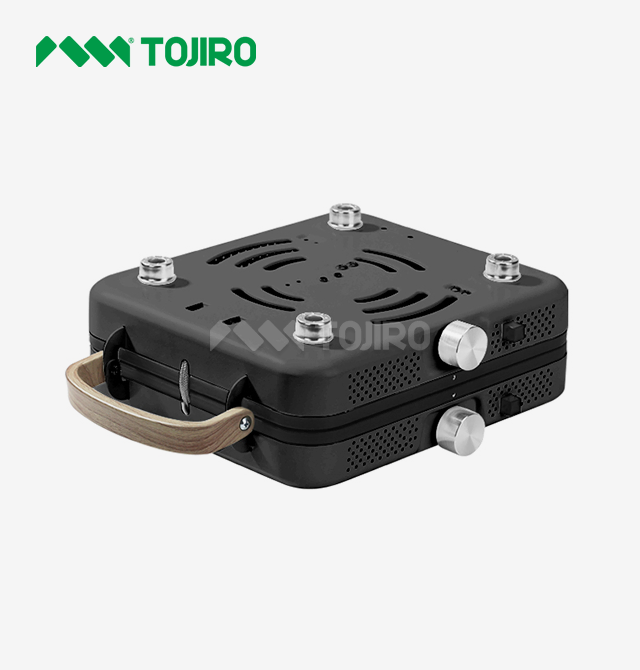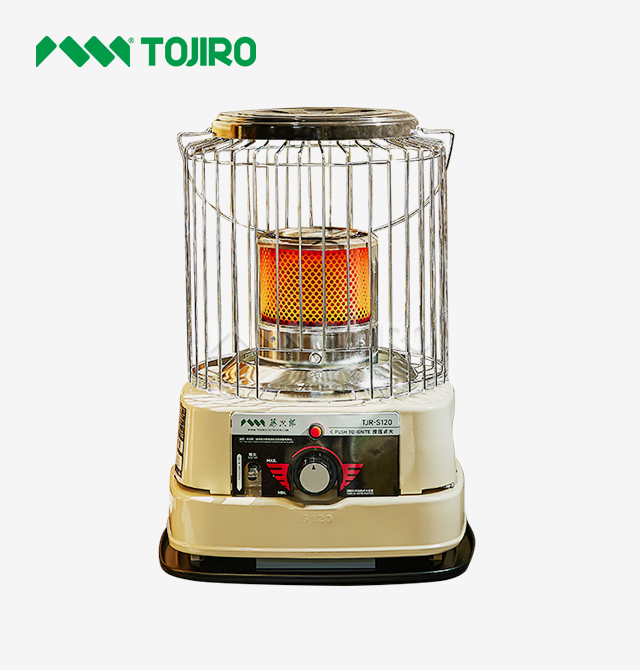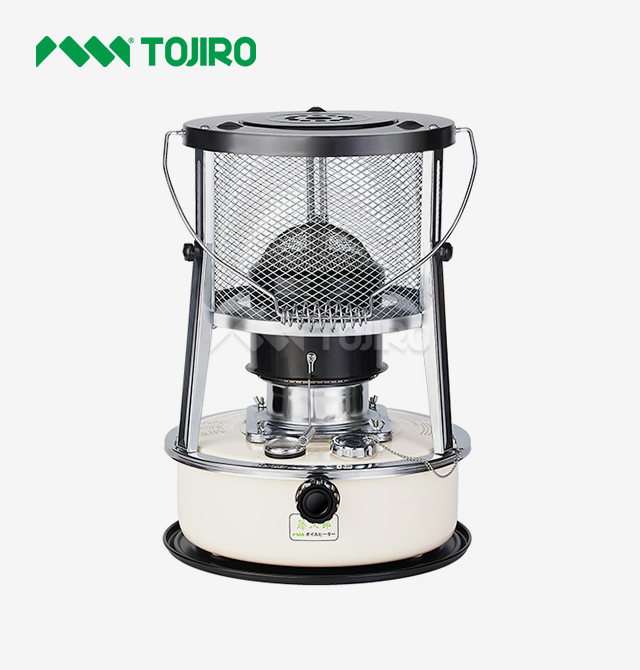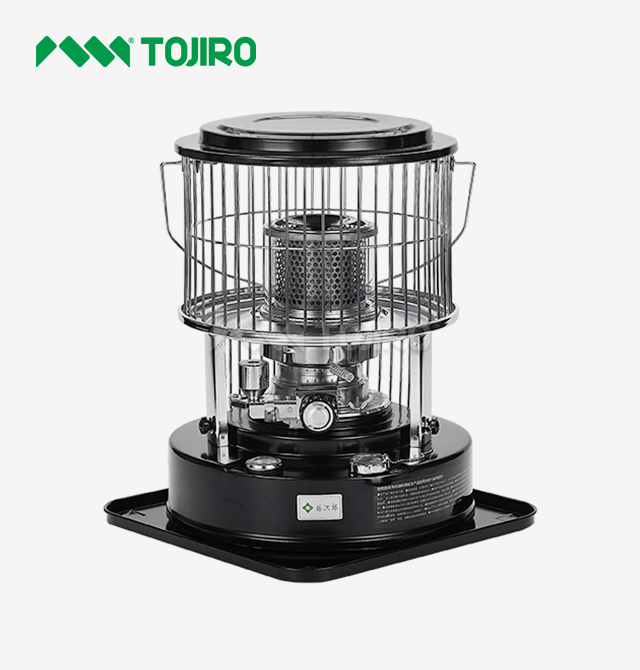



Portable Heater Outdoor Camping Tips for Cold Night Camping
It gets cold outside, and frost starts to form on the walls of your tent. To stay warm and cozy, you need the right portable heater outdoor camping gear. If you're camping at night on a cold night, you may need outdoor-made heaters to keep you warm. It's important to know the ins and outs of camping heating technology if you want to avoid trouble. This is true whether you're running a rental business, planning professional camping events, or buying gear for institutions. These days, heating systems are more complicated than simple gadgets that burn fuel. They have a variety of safety features, fuel connection options, and economy scores so that they can be used for a variety of tasks.

Understanding Portable Heaters for Outdoor Camping
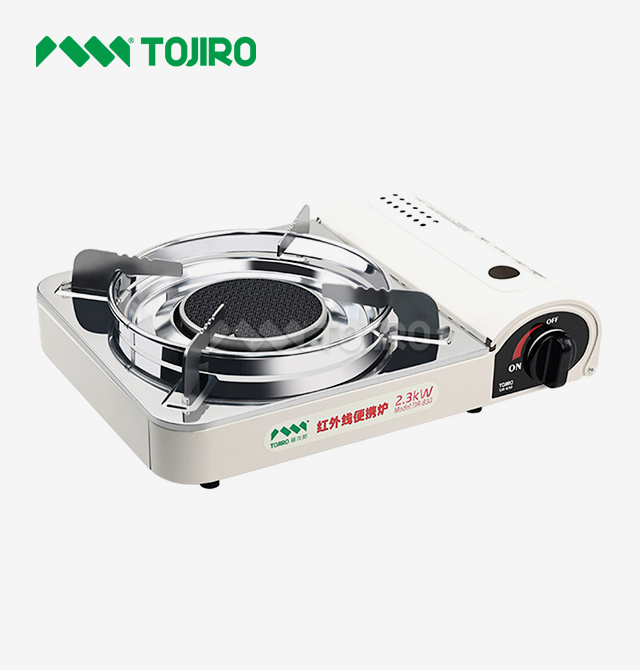
If you want to heat your tent or RV properly, you need to know how different technologies can help you do that. Fuel combustion stoves burn propane or butane with the help of controlled flame systems. This makes heat right away, which can warm up a room fast. Electric heaters use clay or resistance elements that are powered by batteries or plugs into the wall. They don't give off any fumes when they work. Catalytic heating technology is an improved way to burn fuel without open fires. It does this by using special surfaces called catalysts to make heat more efficiently while lowering safety risks.
Fuel Combustion Technology
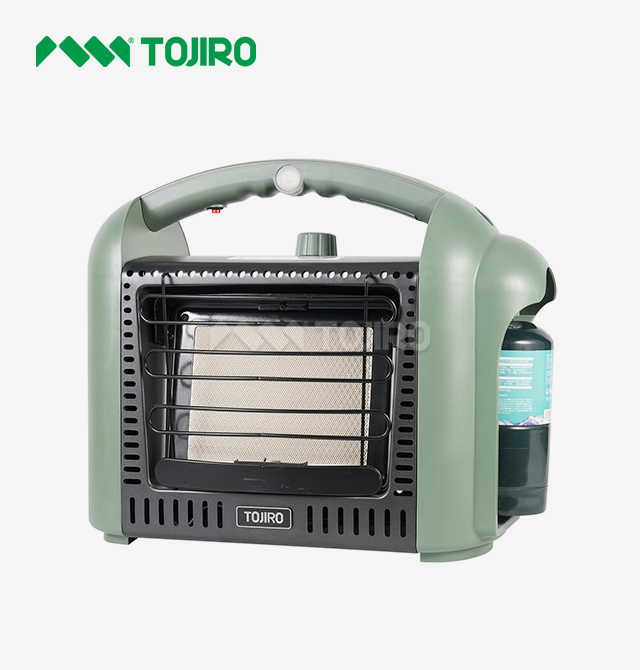
Most people choose traditional gas heaters for camping because they give off a lot of heat and are easy to fire. Between 3,000 and 18,000 BTU is what most of these units put out. To give you an idea, the TOJIRO GH25-18B's 5,200W of power can heat an area about 15 square meters. Care must be taken with the air during the burning process to make sure that the fuel burns all the way through and that oxygen levels stay safe in small spaces.
Electric and Battery-Powered Systems
Electric camping heaters are the safest way to heat a tent because they don't burn or give off dangerous gases like carbon monoxide. Types that run on batteries are small and easy to take with you when you're not near a power outlet. However, they can't heat as much because they need to store power. These setups work great for campgrounds and other well-known places with power.
Catalytic Heating Innovation
Catalytic heaters represent cutting-edge technology in the portable heater outdoor camping market. The fuel in these tools is burned at lower temperatures through plates that help the process along. 99% of the fuel is burned, and hot surfaces and open fires are eliminated. This technology uses a lot less fuel than old-fashioned stoves but still gives off the same amount of heat. Fuel selection impacts both performance and operational costs across different camping scenarios. Propane cylinders offer excellent cold-weather performance and consistent pressure output, making them ideal for winter camping operations. Butane provides lighter weight and easier handling but struggles in temperatures below 32°F. Liquefied petroleum gas (LPG) systems accommodate bulk fuel storage for extended operations, particularly valuable for commercial camping facilities and rental businesses.
Key Benefits and Features of Portable Outdoor Camping Heaters
There are many useful things that modern camping heaters can do besides just keeping you warm. In business settings, making users more comfortable directly makes customers happier. On the other hand, longer camping seasons bring in more money for hire businesses and park owners. Safety has gotten better thanks to progress in engineering, which means less worry about risk and lower insurance costs. This is very important for people who buy things for businesses and plan business events. Saving energy is the most important thing to think about when you're getting a lot of heating equipment. To help buyers decide which types to buy, they should check how much fuel each one uses (the TOJIRO GH25-18B uses 188 grams per hour) and how much power it makes (5,200W).
Critical Product Features for Commercial Applications
Professional-grade portable heater outdoor camping tools must have particular features that address business working needs. These are the main things that set business heating systems apart:
- Multi-fuel compatibility makes things easier for rental businesses because they can run their businesses in a wider range of camping places and fuel supply situations.
- Rapid heating technology gets the food to the right temperature in 5 to 10 minutes, so customers don't have to wait. This makes them happier.
- Integrated safety systems, such as tilt protection, air loss monitors, and automatic stop mechanisms, take care of all risks.
- Durable construction materials such as cold-rolled steel and plastics that don't break easily are long-lasting building materials that can be used over and over again in rental settings.
- Standardized certification compliance that meets GB/T38522-2020 and other international standards makes sure that rules are followed in many places.
They all address the main concerns of business-to-business buyers and provide measurable operating benefits that let prices go up in business markets.
When buying decisions affect a lot of people and the business's ability to keep running, brand reliability is more important. Long-lasting value that goes beyond the cost of the initial purchase comes from well-known brands that offer full warranty coverage, easy access to extra parts, and helpful expert support. When you mix old-fashioned craftsmanship with new industrial technology, like in Japanese manufacturing, you often end up with better products that always work better and last longer.
Safety and Maintenance Tips for Portable Camping Heaters
You need to know what the heater can and can't do and how the environment affects its performance in order to use it outside properly. Because combustion heaters don't let enough air move, they give off carbon monoxide, which is the most dangerous thing that can come out of them. At the very least, heaters should be kept as far away from the tent walls as possible. They should also be stable on flat areas and have ways for air to flow around them without affecting how well they heat.
Ventilation Requirements and Emergency Protocols
To meet both safety needs and energy savings, good air management is important. There should be at least two holes in the tent walls so that air can flow from side to side when it is being heated. This keeps the same amount of warm air and stops carbon monoxide from building up. There needs to be a quick-turnoff method for heaters, a way to find carbon monoxide, and an escape plan that can be used in any camping scenario.
Business owners should make sure their employees know how to use heaters, spot dangers, and handle situations through regular safety training. For insurance purposes, writing down safety rules shows that you did your study and keeps you from being sued if someone gets hurt while using heating equipment.
Maintenance Routines for Extended Equipment Life
Repair plans make sure that equipment works the same way for as long as it is in use and lasts as long as possible. Regarding portable heater outdoor camping gear, pay close attention to the parts that make up the fuel system, the ways that they are lit, and how the safety sensors work. It is important to clean off any carbon buildup that forms on areas that are burning, check the fuel lines for any damage or contamination, and make sure the safety system works by trying it regularly.
When you rent tools for the season and don't use them for a long time, it's even more important to follow storage rules. Making sure the fuel system is ready, parts are kept dry and free of rust, and goods are tracked in a planned way will ensure that gear is ready for when camping season starts up again. When buying managers figure out the total cost, they should include things like the cost of spare parts and training for service techs.
Comparing and Choosing the Best Portable Heater for Outdoor Camping
A study of the market shows that the best outdoor heaters are divided into different performance groups based on how much heat they can make, how well they use fuel, and how well they include safety features. Most of the time, higher-end models are better built, have more improved safety features, and can use more than one type of fuel. Their higher starting prices are due to the fact that these features give them a longer service life and lower running risks. The TOJIRO GH25-18B shows how a modern building can meet many business needs at once. It can make 5,200W of heat, use different fuels, and has a full safety system built in, so it can compete with other professional-grade heating choices. The device can work with propane tanks, high-altitude gas cartridges, and LPG systems with the right connections. This lets you use it in a variety of camping settings.
Performance Comparison Framework
You need to carefully look at a number of efficiency factors to find the right heater. It's easy to compare heating power (in BTU or watts), but what's more important is to see how much fuel is used over time. How heavy something is and how easy it is to move around can affect how much it costs to ship and how well people like it. This is very important when you're camping or moving things around a lot. The long-term prices of owning something should be part of the cost-benefit study. This includes how much it cost to buy, how much it costs to run, how much it needs to be fixed, and when it needs to be replaced. At first, cheap models may seem like a good deal, but they generally need to be changed more often and cost more to run over time. There is a good chance that quality heaters will cost less in the long run because they use less fuel, have longer warranties, and are easier to find spare parts for.
Procurement and Purchasing Guide for B2B Professionals
If you want to find key sellers of camping heaters, you should not only look at price and product specs. When you buy something directly from the maker, you can often get better guarantee terms, more ways to customize your order, and technical help. This is especially helpful for people who buy a lot of things. You can add your own name and change the specs to fit the needs of a certain market with OEM/ODM services from well-known companies like TOJIRO.
Wholesale Purchasing Advantages
Buying in bulk has many useful benefits besides dropping the cost per unit. Business owners like buying in bulk because of the following main benefits:
- Economies of scale reduce per-unit costs while providing better negotiating positions for payment terms and delivery scheduling
- Inventory management efficiency through organized shipping plans that lower the cost of moving and keeping goods
- Quality consistency ensures uniform performance across product batches, reducing customer satisfaction variations and warranty claim rates
- Technical support access lets you get help faster with problems, training, and getting advice from the maker's tech teams on how to meet requirements
- Customization opportunities enable product modifications, packaging designs, and certification additions that differentiate market offerings
These procurement advantages become particularly valuable for rental operations and institutional buyers where equipment standardization and reliable performance directly impact operational success.
Supplier evaluation should emphasize manufacturing capabilities, quality control systems, and after-sales service infrastructure. The 45-day production cycle at TOJIRO shows how quickly the company can make things while also giving enough time to plan supplies. The quality will always be the same if you follow the worldwide ISO standard. It's also easy to get government approvals in many places.
Strategic Supplier Relationships
Long-term relationships with suppliers are good for both sides because they make it easier to talk to each other, help with product growth, and give sellers extra help when supplies are low. Seasonal changes often affect how many portable heater outdoor camping systems people buy. This means that shipping and production plans need to be flexible. It's worth staying loyal to a seller even if a rival offers a short-term price advantage because they can help you manage your inventory, give you holiday payment terms, and tell you what your customers will want.
Conclusion
You have to find a mix between performance needs, safety concerns, and running costs in a number of different scenarios in order to make camping heaters that work. To meet the needs of business activities, modern portable heater outdoor camping technology has evolved. Today, it works better, is safer, and can use more than one type of fuel, which makes moving it easy. There are more things that B2B buyers should think about besides just the price of the item they want to buy. They need to think about the long-term goals of their business, the skills of the provider, and the total cost of ownership. Building strategic partnerships with well-known makers can give you access to customizable options, expert help, and good business terms that will give you an edge in the camping gear market for a long time.
FAQ
1. What is the typical lifespan of portable camping heaters under regular commercial use?
If you use professional tent lights made for business purposes regularly, they should last for 5 to 7 years. How well it is taken care of, how rough the work area is, and how often it is used all affect how long it lasts. Things like the TOJIRO GH25-18B, which is made of cold-rolled steel and industrial-grade parts, tend to last longer than imagined if they are taken care of properly.
2. What certification standards are required for commercial camping heater deployment?
When buying an outdoor heater for your business, you need to make sure it meets safety standards. For example, in China, it needs to be GB/T38522-2020 approved, in North America it needs to be CSA approved, and in Europe it needs to have CE marking. A lot of places also need business camping companies to have regular safety checks and proof that their operators have been trained.
3. What are the most common safety hazards associated with camping heater operation?
The biggest safety risk is carbon monoxide poisoning, which can happen in small spaces where air flow is low. Some other risks are getting burned on hot surfaces, starting fires by handling fuel wrong, and not having enough air flow in small areas. These risks are cut down a lot by making sure workers are properly trained and tools are in good shape.
Partner with TOJIRO for Premium Camping Heating Solutions
TOJIRO stands ready to support your camping heating equipment requirements through comprehensive manufacturing capabilities and dedicated customer service. Our GH25-18B portable heater outdoor camping model demonstrates our commitment to combining traditional Japanese craftsmanship with cutting-edge industrial technology, delivering reliable performance that meets demanding commercial applications. As a trusted portable heater outdoor camping supplier, we offer competitive pricing for orders of 1,000 units or more, with efficient 45-day production cycles that support your inventory management needs. Our ODM/OEM customization capabilities enable product modifications that align with specific market requirements and brand positioning strategies. Contact our sales team at [email protected] to discuss volume pricing, customization options, and technical specifications that address your procurement objectives.
References
1. Johnson, M. et al. "Safety Standards in Portable Camping Equipment: A Comprehensive Analysis." Journal of Outdoor Recreation Safety, 2023.
2. Chen, L. "Fuel Efficiency Trends in Modern Camping Heaters: Technology and Performance Evaluation." International Camping Equipment Review, 2023.
3. Williams, R. "Commercial Camping Equipment Procurement: Best Practices for B2B Buyers." Outdoor Industry Trade Publication, 2023.
4. Thompson, A. "Carbon Monoxide Safety in Recreational Vehicle and Camping Applications." Environmental Health and Safety Quarterly, 2022.
5. Martinez, S. "Heating Technology Innovation in Outdoor Recreation Equipment." Advanced Materials in Camping Gear, 2023.
6. Davis, K. "Economic Analysis of Camping Equipment Rental Operations: Equipment Selection and Operational Efficiency." Business of Outdoor Recreation, 2023.

USER EVALUATE
Here is the customer's evaluation of us