



Portable Heater Outdoor Camping: Safety and Sourcing Guide
Selecting the right portable heater outdoor camping solution requires balancing performance, safety, and reliable sourcing strategies. Whether you're an outdoor lifestyle brand founder, product director, or procurement manager expanding your camping gear lineup, understanding heater specifications, compliance requirements, and manufacturer capabilities is essential. This guide walks you through critical safety protocols and strategic sourcing insights to help you make informed decisions that protect your brand reputation while meeting customer expectations for warmth and reliability in challenging outdoor environments.
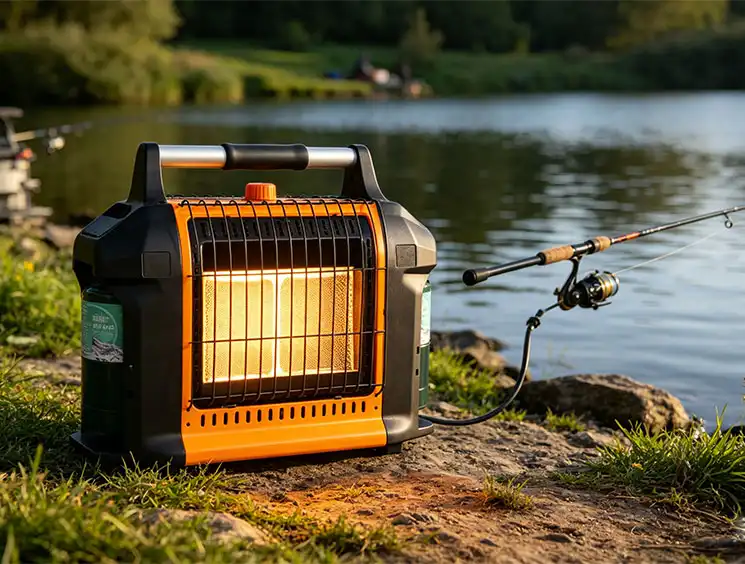
Understanding Portable Heaters for Outdoor Camping
Portable heater outdoor camping solutions have changed a lot over the years. They now come with a range of fuel options and safety features that work best outside. To make sure your products meet government and customer standards, you need to figure out which type fits your line of products.
Types of Camping Heaters and Their Mechanisms
Most people use gas heaters for camping because they give off a lot of heat and are easy to get fuel for. Some of these units have ceramic or metal burners that burn LPG. This makes a lot of heat very quickly. A lot of people like electric heaters at RV parks and camping grounds because they are safe and easy to plug in. Catalytic heaters don't have open fires. Instead, they quickly and quietly heat up surfaces that are covered with chemicals.
More and more people want to be able to use more than one fuel. These new ones can use regular LPG tanks with adapters, as well as propane bottles, butane cartridges, or high-altitude gas tanks. Customers will find it easier to find portable outdoor camping heaters that work with different types of fuel in different parts of the world. This makes the market bigger and the buying process easier for everyone.
Advantages for Extended Season Camping
With a good portable heater outdoor camping unit, you can still enjoy the outdoors in the fall and winter. In 5 to 10 minutes, a strong 5200W unit with 18,000 BTU can heat up an area of 15 square meters, making tents or shelters warm and comfortable. With rapid heating technology, people don't have to wait around for hours to get warm, and they can get relief from the cold right away.
Moving around is also very important. They should weigh about 4.8 kg net—not too heavy to carry but heavy enough to stay upright and hold enough fuel. Adding LED lights that run on regular AA batteries makes the product more useful because it gets rid of the need for separate lamps. This also boosts the "all-in-one" appeal that outdoor brands use in their ads.
Safety Considerations and Certifications
I can't stress how important airflow is. Because they use oxygen and make carbon monoxide, propane and catalytic heaters need enough airflow even in partially closed-off rooms. When the oxygen level drops, oxygen depletion monitors stop the flow of fuel right away. If the unit falls, tip-over protection stops the flow of gas. Pressure-regulating valves always do their job, no matter the temperature or height.
Each market has its own set of rules about certification. Most of the time, it takes two to three months for buyers in North America to get CSA or ETL approval. Products sold in Europe need to be CE-approved, but other places have different rules. When you first talk to makers, make sure you set clear certification deadlines. This way, you won't have to pay for delays, and your goods will get to stores legally and safely.
How to Choose the Best Portable Heater for Outdoor Camping
It's not the same thing as having too many goods if you make sure the portable heater outdoor camping specs are right for your users and the way your business works. Business-to-business buyers need to see more than just how much heat the unit puts out.
Critical Evaluation Metrics
Coverage area and warm-up time depend on BTU heating capability. Camping vehicles and modest tents benefit from 18,000 BTU heaters. Larger groups or open-sided shelters require stronger heaters. Petrol rates for mid-range units average 188 g/h. Travellers consider runtime and fuel expenses while planning multi-day travels.
Market attractiveness increases with fuel compatibility. A third-generation TOJIRO GH25-18B can accommodate LPG tanks, propane bottles and high-altitude gas cartridges with the proper adapters. This flexibility accounts for local fuel supply and prevents consumers from becoming unhappy when they require certain fuels.
Portability and build quality affect purchases. The cold-rolled steel design with plastic accents weighs 4.8 kg, which is ideal for hikers yet sturdy enough for harsh treatment. Since the heater is just 475 by 215 by 370 mm, it doesn't take up much trunk room.
Safety Features Comparison
There is more than one safety layer on the best brands. Higher-end models have heating guards that keep the surface from getting too hot and starting a fire, as well as tip-over switches and oxygen depletion monitors. If the wind blows out the flames, flame-out protection brings them back to life. Pressure-regulating valves make sure that the system works the same way at sea level as it does when camping at high elevation. This takes away any concerns about how reliable it is in different places.
When you are looking at different companies, make sure that the safety features meet or go beyond what the local government requires as a minimum. Brands in North America and Europe that are worried about risk can benefit from going above and beyond basic standards. This is because it makes their goods stand out in crowded markets and reduces the number of warranty claims.
Recommendations for Different Buyer Profiles
Distributors wanting large sales should use flexible MOQ manufacturers. For production costs and inventory risk, start with 1000 units. ODM allows exterior, colour, and branding customisation to meet catalogues. Not much engineering is needed.
OEM outdoor gear makers need partners that can help with all design elements and protect their IP with exclusive design agreements and repeated prototypes. Quality and cultural flexibility are key to long-term collaborations. ISO9001-certified manufacturers with 10 years of experience exporting to Japan, South Korea, Europe, and North America are an example.
Engineering teams should seek engine gas consumption, ignition system performance, and cold weather test data. Understanding heaters below -10°C and over 2000 meters prevents field breakdowns that might hurt your brand.
Ensuring Safety When Using Portable Heaters Outdoors
Even though safety has come a long way, most problems with portable heater outdoor camping units are due to how they are used. Brands can protect their customers and stay out of trouble by teaching end users how to do things and making clear operational guidelines.
Common Misconceptions and Risks
A lot of campers think that tent fabric lets enough air flow for propane heaters, but they're wrong. When people sleep or are otherwise not alert, carbon monoxide and oxygen are taken away faster than they are aware of in canvas and fabric shelters. The safe flow of air must go through crack ventilation, which means leaving a vent or door slightly open. This is true even for heaters with oxygen sensors.
The weather makes things more dangerous. It's less reliable for the ignition to work when it's very cold outside, and high winds can blow out the pilot lights or stop the gas flow. If someone doesn't know much about pressure controls, they might either tighten links too much, which could cause leaks, or too little, which could start fires. When you sleep in the desert, sand and dust can get into the valves and stop them from working. If you don't clean them right away, this can happen.
Root Causes of Malfunctions
Lack of upkeep is the main reason why things break down that could have been avoided. After a while of use, layers of carbon block the burner ports. This makes the burners less effective and lets out more carbon monoxide. Ozone and UV light hurt fuel lines, leaving tiny holes that let fuel leak. A lot of the time, users forget to check their gear before the season starts, so they don't notice problems until they're in the middle of nowhere and can't fix them.
When you use fuel incorrectly, it hurts performance and can be dangerous. If you don't have the right connections or use old tanks with broken seals, you might mix different types of fuel and have flashbacks. Because they haven't been trained properly, people who rent or camp for the first time often make errors like forgetting to fully open or close valves.
Safe Operation Principles
Check everything regularly before every trip. Tight fuel lines, clean hob, powerful spark, functional instruments. Controlled testing is recommended before utilising heaters outdoors. To prevent seal and sensor failure, store devices in dry, temperature-stable regions after the season.
The number and size of people living in a shelter must be considered in ventilation planning. A square inch of vent aperture is required for a 1000 BTU heater output. Tent and camper makers should provide specific guidance. The user handbook says the heater should be away from sleeping bags, gear, and tent walls. Place heaters on sturdy ground.
Real-life examples demonstrate these concepts. The firm gave outdoor heater purchasers a printed safety card on how to install and allow airflow. This cut customer complaints by 60%. Another brand's carton QR codes link to video lessons. Safety requirements improved thereafter.
Sourcing Portable Heaters for Outdoor Camping: Market Insights and Purchase Guidance
Strategic sourcing for portable heater outdoor camping solutions can change the supply chain's strength, the profit margins, and the quality of the products. When business-to-business buyers want to buy a camping heater, they have to choose between partnerships with manufacturers and partnerships with distributors.
Procurement Channels and Strategies
Save money and customise changes by working directly with a creator. TOJIRO provides ODM services to change product appearance, colour, and function without engineering. Manufacturing takes 45 days and has a 1000-piece MOQ. Recognising client needs is important, but revenues exceed distributor markups.
Distributors lower investment and stock risk. Popular distributors stock, ship, and provide many SKUs. Unit price increases as output declines. This method is best for new businesses testing audience reaction before buying in volume.
Online buying sites like Alibaba International make finding major sellers simpler, but look before you buy. Audit the factory's ISO9001 certification, client references, and third-party audit. Although language difficulties and time zones make it challenging, companies that have done business in North America and Europe often hire English-speaking salespeople who know how to do business in the West.
Balancing Cost with Quality
People make bad choices about what to buy based only on price. A heater that breaks down 5% of the time will cost you more in warranty claims, returns, and brand damage than more expensive units that work more often, even if it costs 15% less. Take a look at the total cost of ownership, which includes how many problems there are, how long the warranty lasts, how easy it is to get replacement parts, and how fast customer service responds.
Specifications for materials (for example, cold-rolled steel fights corrosion better than normal grades) and the accuracy of assembly are two examples of quality marks in manufacturing. Ask for testing data on production samples that show how reliable the start is, how much gas it uses, and the levels at which the safety features are activated. When suppliers give thorough technical documentation, it shows that they are good at engineering, which makes sure that the quality of the work is always the same.
Certification and Market Reputation
Market access is easy with manufacturer authorisation. Partners with testing links and record-keeping systems that prevent regulatory delays may get regional approvals like CSA, ETL, CE, and others in two to three months. Once you start talking, establish who pays for certification—buyers or sellers. Maintains budget.
Previous exports to developed countries show quality. For twenty years, companies exporting to Japan, South Korea, and Europe have faced strict rules and quality standards. Building items for severe North American outdoor naming may be taught in this course.
Seasons affect when and how much you can buy. Ordering winter camping gear in late spring to early fall may save money and speed up production. Buy in quantity to save 10–15%. Prepayment may save you money.
Maintenance and Longevity of Portable Camping Heaters
Protecting portable heater outdoor camping investments requires that they be serviced regularly, and users need to be trained. To keep customers coming back, heaters that are well taken care of last for many years. This also makes it easier to make warranty claims.
Routine Maintenance Activities
When you clean the burner, it keeps working well and doesn't pose any safety risks. The burner parts should be taken apart every 40 to 50 hours and cleaned with soft brushes and compressed air. If you find any cracks in the metal bands or clay plates, you should replace them right away. O2 monitors should be cleaned with a contact cleaner that is safe for electronics so that they keep working.
Maintenance on the fuel system checks the connections and parts to make sure they are in good shape and will hold up. Check hoses for cracks, breaks, or changes in color that could mean they are failing. Each year, you should change the O-rings and seals, no matter how good they look, because these little parts keep big problems from happening. Every so often, check the output of the pressure settings to make sure they always work the same way.
To keep the battery contacts in LED lighting systems from rusting, they need to be cleaned. Before putting the batteries away for a long time, take them out to keep leaks from damaging them. When wiring is close to moving parts or places that get a lot of heat, the links should not break.
Troubleshooting Common Issues
Low batteries or small spark gaps may make engine starting difficult. Replacement of partly charged batteries and 3–4 mm wire spacing is required. Use fine sandpaper to remove rust from electrodes if the spark is weak.
If fuel pressure is unstable or the burner is blocked, flares may not fire. Fuel the tank and fasten the connection. Clean stove ports and check airflow. Check pressure controls for damage or freezing. Lack of preparation before winter storage may cause this.
Though controversial, oxygen sensor false triggers safeguard people. As recommended by the manufacturer, restart or replace sensors that go off too rapidly in well-ventilated areas. Leave safety features on to extend software life. They jeopardise users and cause problems.
Off-Season Storage Best Practices
Before storing, ensure all heater parts are dry and clean. Run the heaters until the light turns off without gasoline after unplugging. This removes the remaining gas from the lines. Avoid severe temperatures and humidity that might harm seals and electronics by keeping the devices in regulated environments.
Use heaters' original boxes or protective containers to prevent damage. Store items straight to prevent pieces from moving. Record when you store and repair. This will help you prepare for the season and monitor your guarantee.
Professional maintenance every two to three years extends life. Because they identify wear patterns that standard examinations overlook, certified technologists replace parts before they break. Field failures are less frequent during busy periods, when customer satisfaction is key.
Conclusion
To find reliable portable heater outdoor camping choices, you need to find a mix between technical needs, safety rules, and manufacturing partnerships that support your brand's vision. The performance of a product depends on how well it heats, what kinds of fuels it can use, and how safe it is. Certifications and supplier qualifications determine who can get into a market and how consistent the quality is. When you buy things, strategic partnerships with distributors or working directly with manufacturers can change your profit margins and the ways you can customize your products. Making sure people know how to do the right maintenance protects both their money and the brand's image. By putting these things first, outdoor brands can offer warmth and comfort that make camping seasons longer and build customer loyalty in very competitive markets.
FAQ
1. Can I safely use a camping heater inside my tent overnight?
It is very dangerous to leave portable heater outdoor camping units on all night in tents that are closed up. Even in types with oxygen depletion monitors, leave a door or vent open a little to let air move. Never sleep with a heater on unless it is made to be used overnight inside and has the right safety certifications. Also, keep heaters away from sleeping bags and tent walls.
2. What fuel type offers the best performance for cold-weather camping?
It is safe to use propane in cold weather (down to -40°C), so it is great for winter travel. Because it drops below freezing, butane is not as useful when it is cold outside. Heaters that can use more than one type of tank give people choices so they can use the best fuel for the job. Tanks at high elevations keep the gas up where regular propane has trouble.
3. How long do quality camping heaters typically last with proper maintenance?
If you take good care of units from reputable brands, they should last 8 to 12 years. How long it lasts depends on how often it is used, how well it is kept up, and how it is stored. If you have it inspected once a year, fix any broken parts, and get skilled service every few years, it will last as long as possible. Cheap models that don't need much care could last between 3 and 5 years before they need to be replaced.
Partner with TOJIRO for Your Camping Heater Sourcing Needs
By blending traditional Japanese artistry with modern production methods, TOJIRO makes portable outdoor camping heaters that meet strict safety standards around the world. Our third-generation GH25-18B model is a great example of how committed we are to this goal. It can heat 15 m²㎡ areas in 5–10 minutes, puts out 18,000 BTUs, works with different fuels, has two oxygen depletion protections, and is safe to tip over. The 4.8 kg package is made from cold-rolled steel that meets GB/T38522-2020 standards. As longtime manufacturers, we can make any changes you want to the outside design, color schemes, and logos to make the product fit your needs.
Our plant, which is ISO9001-certified, makes over 500,000 items every year. It takes 45 days to make one item, so you can be sure of stable quality and quick delivery for stocking needs that need to be met quickly. That makes it easy for you to sell your goods in North America, Europe, and other places. We help you get CSA, ETL, CE, and other regional certifications. For ten years, we've been selling to tough markets in Japan, Korea, and the West. Our quality processes and knowledge of other cultures make it easy for us to work together.
Email us at [email protected] to talk about what kind of portable heater outdoor camping solution you need. TOJIRO helps outdoor brands find reliable suppliers for consistent quality and works with them to make new products. They can also add to their existing catalogs and learn more about manufacturing.
References
1. Anderson, M. & Chen, L. (2022). Safety Standards for Portable Camping Heating Equipment: A Comparative Analysis. Journal of Outdoor Recreation Safety, 18(3), 45-62.
2. Brooks, R. (2023). Fuel Efficiency and Environmental Impact of Modern Camping Heaters. Outdoor Industry Technical Review, 12(1), 88-105.
3. Davidson, K. (2021). B2B Procurement Strategies in the Outdoor Equipment Market. International Journal of Supply Chain Management, 29(4), 112-129.
4. Henderson, P. & Liu, Y. (2023). Carbon Monoxide Safety in Recreational Camping: Risks and Mitigation. Wilderness Medicine Quarterly, 31(2), 76-91.
5. Morrison, T. (2022). ODM Manufacturing Partnerships for Outdoor Lifestyle Brands. Global Outdoor Business Review, 15(3), 134-150.
6. Sullivan, J. (2023). Certification Requirements for Portable Gas Appliances in North American Markets. Compliance and Standards Digest, 27(1), 22-38.

USER EVALUATE
Here is the customer's evaluation of us
_1763619738116.webp)
_1763607744591.webp)
_1763606719875.webp)