


Outdoor Wok Stoves Are the Key to Restaurant-Style Stir-Fries
One essential component is the high, steady heat that only outdoor propane wok burners can provide in order to achieve true restaurant-style stir-fries. A propane wok burner generates the high-temperature flames necessary to make wok hei, which has a unique smoky taste and perfectly seared texture found in professional kitchens. Outdoor propane wok stoves are crucial for commercial catering enterprises, rental services, hospitality venues, and institutional food preparation because they provide the thermal power and precise flame control needed for rapid cooking, as opposed to standard electric or indoor gas burners. In B2B procurement markets, where dependable, high-performance cooking equipment is critical to operational success and customer satisfaction, their mobility, fuel efficiency, and exceptional heat production have gained them universal recognition.

How Do Propane Outdoor Wok Stoves Work?
The Science Behind High-Heat Cooking
Propane wok stoves work by burning liquid propane gas, which creates very strong fires that can hit temperatures over 500°F in a matter of seconds. Creating heat quickly like this is the basis for real stir-frying methods. Propane and oxygen are mixed through precisely designed hob heads during the combustion process. This creates a concentrated heat spread that covers the curved surface of the wok. This design makes sure that all of the ingredients are exposed to high temperatures right away and evenly. This keeps the food from getting soggy and cooking unevenly, which can happen with electric options.
Burner Design and Flame Control Mechanisms
Modern propane wok stoves have more advanced burner designs, such as IR and open flame burner heads. Open flame burners give off direct, obvious heat that is great for cooking in a traditional pan. For extended cooking durations, infrared technology increases radiant heat. Cooks may precisely adjust the flame's intensity to suit their demands since the integrated pressure-regulating valve maintains a constant gas flow. Propane systems differ from electric models in that they provide faster temperature changes, which is crucial for expert stir-frying techniques.
Practical Applications in Commercial Settings
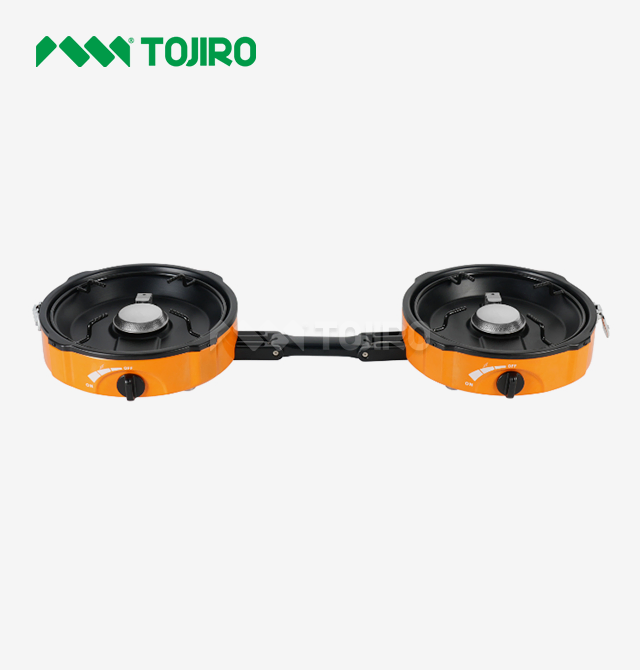
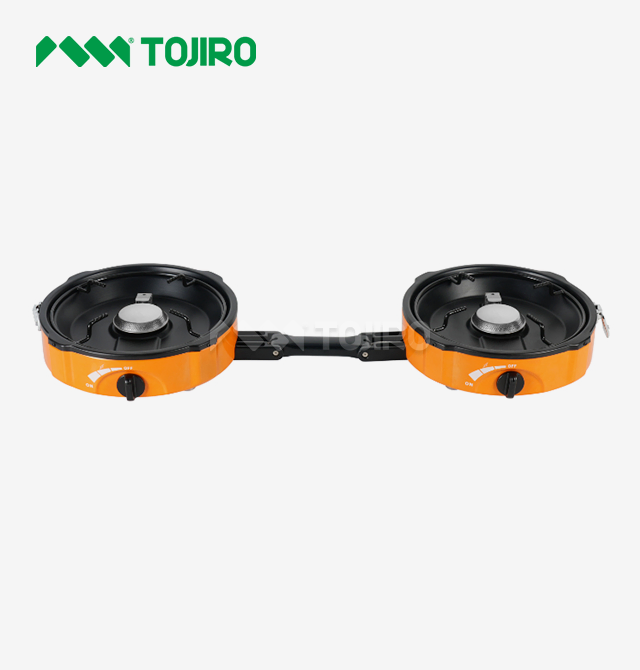
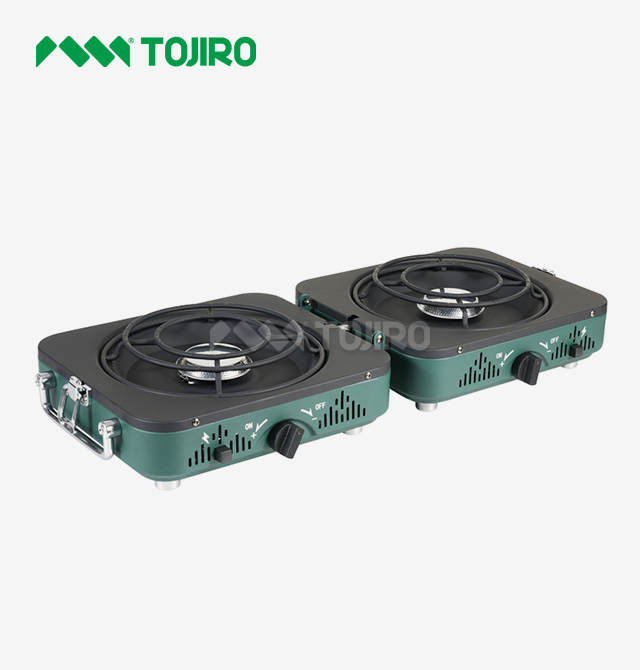
Outdoor food businesses always choose propane wok stoves because they work well with a lot of people. Food trucks that move around are useful because they are portable and don't need to be connected to an electricity grid. Adventure tour companies and glamping sites depend on these stoves to make restaurant-quality food in remote areas. The TOJIRO Shell Stove TJR-BK39 is a great example of this because it has a small, folding design that measures only 245x210x59mm when folded up but still has 2.3kW of power per burner, which is equal to 8,000 BTU and is enough for true wok cooking.
Comparing Propane Wok Stoves to Other Cooking Solutions
Performance Analysis: Propane vs. Electric Systems
Electric wok burners have fundamental constraints in terms of heat output and temperature changing rate. The power limit of most electric versions is between 1,500 and 2,000 watts, which is not enough heat for stir-frying. The BTU values of propane wok stoves are constantly higher. Commercial-grade models may generate between 8,000 and 15,000 BTU per burner. This temperature edge directly affects how well the meal cooks: the contents sear and caramelize properly without releasing too much moisture. In business settings, where power costs more than propane fuel costs, especially during peak usage times, operational costs favour propane.
Portable vs. Built-In Configurations
Portable propane wok stoves give businesses that need to serve customers in more than one place the most freedom. Rental companies, business event planners, and campgrounds all like how easy it is to move food equipment around. Built-in systems are good for permanent outdoor cooking setups at hotels and resorts because they blend in with the design and have their own utility connections. The choice depends on the business's working scope: portable models are better for businesses that serve a lot of different places, while fixed venues are more efficient because they have infrastructure built in.
Single vs. Dual Burner Considerations
For small activities or specialised cooking jobs, single-burner propane wok stoves are adequate. Dual-burner models, like the TOJIRO TJR-BK39, let you prepare multiple foods at the same time, which greatly increases output during busy service times. This feature is very important for food businesses that have to handle big events or restaurants that have a lot of table movement. Maintaining finishing temperatures on one hob while cooking on another speeds up the kitchen's work and cuts down on wait times for customers.
Propane will continue to lead the business outdoor cooking market until 2024 because it is easier to get than natural gas in outdoor settings. Propane tanks offer a standard way to send fuel that is compatible with both European and American standards. This gets rid of the need for infrastructure that limits natural gas uses. In the food service business, safety rules for handling propane are well-established, and procurement teams and operating staff can easily access a wide range of training materials.
Key Factors to Consider When Buying an Outdoor Propane Wok Stove
Defining Your Procurement Requirements
B2B buyers need to make sure that the tools they choose fits with their unique needs. Commercial kitchens that want to add outdoor cooking options need different requirements than rental companies that keep a wide range of tools on hand. When OEM partners are looking for white-label manufacturing possibilities, they put customisation choices and minimum order quantities at the top of their list. Institutional sellers, like national parks and schools, put a lot of emphasis on following safety rules and standard upkeep procedures. The TOJIRO factory can meet all of these different needs with production methods that are ISO9001:2015 approved and open ODM/OEM options.
Technical Specifications That Impact Performance
When it comes to propane wok stoves, BTU output is the most important success measure. For actual stir-frying techniques, heaters with a minimum output of 8,000 BTU are suitable. The variety of dishes that can be cooked depends on the type of burner. For instance, infrared elements provide a constant temperature for finishing activities, whereas open flame burners are excellent for cooking in a pan. The equipment's lifespan is determined by the material's structure. For instance, even after being repeatedly heated and cooled, cold-rolled steel with a powder coating does not corrode and maintains its structural integrity.Universal compatibility with cookware with foot widths ranging from 10 cm to 20 cm gives you operating freedom across a wide range of food uses.
Safety Standards and Compliance Requirements
Regulatory compliance in target areas must be taken into account when making procurement choices. For industrial cooking tools, U.S. buyers need to make sure that the equipment they buy has the right safety certifications. European markets require that high-altitude gas cylinder guidelines and area safety rules be followed. TOJIRO meets these needs by providing full support for licensing applications, which makes sure that equipment meets the rules in each state. It's also important to think about how durable the packaging is. TOJIRO's own design can withstand drop tests from one metre heights at eight different angles, which keeps shipping damage to a minimum and protects buying investments.
Evaluating Supplier Capabilities and Support
The name of the seller and the standard of their after-sales service are important for long-term procurement success. TOJIRO's 45-day production cycle makes it possible to handle goods quickly and without having to wait too long for orders to arrive. The minimum order quantity of 1,000 units works for stores, rental services, and large buyers who buy in bulk. The one-year guarantee protects you financially and shows that the maker trusts the product's reliability. When comparing providers, you should look at the total cost of ownership, which includes how easy it is to get maintenance help and new parts.
Best Practices for Using and Maintaining Propane Outdoor Wok Stoves
Setup and Flame Adjustment Techniques
The initial steps in appropriate setup are to connect the gas tank tightly and check for leaks using a soapy water solution. Place the stove on a level, strong platform away from flammable items and make sure there is enough airflow. The integrated pressure regulating valve of the TOJIRO TJR-BK39 makes flame adjustment easier, enabling users to accurately alter the heat output to meet their cooking needs. To guarantee even cooking, preheat the pan for two to three minutes before adding the food. To keep the same flame patterns during cooking, keep an eye on the gas flow and adjust the control valve as necessary.
Safety Protocols for Outdoor Propane Use
Ventilation problems are less of a concern when using propane wok burners outside, but conventional safety procedures must be adhered to. Propane tanks should be stored upright in a dry, cold location away from sources of direct heat. Regularly inspect the gas connections and lines for wear or damage. When cooking, ensure sure shutdown valves are easily accessible and never leave working instruments unattended. Instruct all employees on how to start a fire properly. A one-touch electric ignition mechanism on high-quality propane wok burners eliminates the risks associated with matches and ensures a steady start.
Routine Maintenance for Extended Equipment Life
To avoid grease accumulation and guarantee that hygiene requirements are met, clean the oil and water drop tray after each usage. The powder-coated surfaces of TOJIRO stoves don't color rapidly and are simple to clean with basic detergents. Look any impediments that might interfere with the flame patterns on the burner heads once a month. Use a soft brush or compressed air to get rid of any dirt. Make that the ignition leads are properly aligned and that a spark is being created by checking them on a regular basis. Once a year, professional service by qualified specialists identifies any issues before they reduce the system's dependability.
Troubleshooting Common Performance Issues
Flame patterns that aren't regular usually mean that the burner is blocked or that the gas pressure isn't stable. Thoroughly clean the burner ports and make sure the gas tank is filled to the right level. Weak flames even though the gas supply is full could mean that the regulator is broken. Test with a new regulator to be sure of the diagnosis. Electronic igniting systems often fail because the batteries are dead or the wires are not lined up right. Too much fuel use could mean that the fuel isn't burning completely because the air-to-fuel ratios aren't right. This means that the burner needs to be adjusted by a trained expert.
To consistently get restaurant-quality results, you need to pay close attention to how you prepare the ingredients and when you cook them. Cut the vegetables in the same way so that they cook evenly. Make sure the wok is hot enough, and then add the ingredients in the right order: aromatics first, then meats, and finally veggies. Keep moving while stir-frying to keep things from sticking and help the heat spread evenly. Propane wok stoves have a high heat output, allowing for quick cooking that keeps the texture and nutritional value of the vegetables while creating the complex flavour profiles typical of professional Asian food.
Top Outdoor Propane Wok Stoves & Accessories for 2026: Recommendations for B2B Buyers
Featured Model: TOJIRO Shell Stove TJR-BK39
The TOJIRO Shell Stove TJR-BK39 is the best choice for business-to-business purchases in 2024 because it combines traditional Japanese craftsmanship with cutting-edge tech. Each of the two burners gives off 2.3kW (8,000 BTU) of cooking power, which is more than enough for real wok hei growth while still being movable. The premium powder finish on the cold-rolled steel construction makes it last for thousands of work rounds. The built-in oil and water drip tray makes cleanup easier, which saves time and money on labour while still meeting cleanliness standards. Being compatible with both European high-altitude gas tanks and U.S. propane standards gets rid of any problems that come up when buying propane in different regions for international activities.
The foldable design solves a big problem that hire companies and mobile food businesses have: they don't have enough room. When it's folded up, the small size makes it easy to move and store without affecting how well it cooks. The automatic firing system that only needs one touch makes it easier for staff with different levels of skill to do their jobs. This means that less training is needed and results are always the same. The ability for all tools to work with each other lets you make a wide range of dishes, from traditional stir-fries to Western-style dishes, so you can get the most out of your equipment.
Essential Accessories for Optimal Performance
To get the most out of their operations, procurement teams should think about getting complete accessory packages. High-quality pressure controllers make sure that the gas supply is always the same and extend the life of equipment by keeping parts from getting stressed out because of pressure. Specialised wok rings keep round-bottomed woks stable on burner surfaces, which makes cooking safer and more efficient. Protective covers keep equipment from rusting and getting damaged by the weather when it is stored outside. Heat-resistant gloves that are approved for use in business food service keep workers safe when they are working with hot things.
Cleaning kits that are made just for propane wok stoves keep things clean and keep the equipment looking good. Include degreasing products made for powder-coated surfaces, soft-bristle brushes for cleaning the hob and microfibre cloths for everyday use. Replacement ignition parts make sure that electrical system breakdowns cause as little downtime as possible. Standardised spare parts available makes upkeep easier and lowers the cost of keeping an inventory. This is good for buyers who are in charge of big equipment inventories.
Wholesale Procurement Advantages
TOJIRO has structured price perks for large orders that meet the minimum order number of 1,000 units. Volume buying lowers the cost per unit and makes sure that inventory levels are the same in all of your sites. The 45-day production cycle lets stores and rental services plan for seasonal demand and get ready for busy times. When you buy a lot of units at once, the warranty covers all of them. This protects your finances completely and makes managing your fleet easier.
Logistics help includes custom packing solutions that meet the needs of each customer while still meeting the strict drop-test standards that keep equipment in good shape while it's being shipped. OEM and white-label partners can change things like colour schemes, branding elements, and technology specs to suit their needs. The factory has 10,000 square meters of space for production, which means that even big orders from government bodies and schools can be reliably filled.
Strategic tool selection is all about finding the right balance between the original costs of buying something and its overall usefulness. When you buy the TOJIRO Shell Stove TJR-BK39, you get a great return on your investment because it is built to last, so you don't have to replace it as often, uses fuel efficiently, so you don't have to pay as much for it every month, and works well in a lot of different situations. These things add up to a lower total cost of ownership compared to cheaper options that need to be replaced more often or use more fuel.
Conclusion
Outdoor propane wok stoves are must-haves for any business that wants to serve real, restaurant-quality stir-fries and other high-heat foods. They are great at keeping food warm, can be used in a variety of ways, and use little fuel. This makes them useful in business kitchens, rental services, hospitality places, and school food operations. Propane systems have technical benefits like quick temperature response, exact flame control, and not relying on any infrastructure. These benefits directly lead to better cooking results and higher operating efficiency. As shown by the TOJIRO Shell Stove TJR-BK39, modern propane wok stoves combine traditional cooking performance with cutting-edge engineering to meet the most stringent business needs while still being portable and simple to use, which opens up more operating options.
FAQ
1.How does propane consumption compare to electric alternatives?
Propane wok stoves need about 0.5 to 1 pound of propane per hour of high-heat cooking, which means that a normal 20-pound cylinder can last for 50 to 100 hours of use. Electric equivalents need a constant draw of 1.5 to 2 kW, which means that the cost of energy is higher than the cost of propane in most business rate structures. Because gas systems produce more heat, cooking takes less time, which increases operating efficiency and fuel economy even more.
2.What stove size suits different catering needs?
Single-burner propane wok stoves are good for businesses that make 20 to 30 meals per service time. Dual-burner models, like the TOJIRO TJR-BK39, can make 50 to 100 meals at a time by letting you cook and finish at the same time. Large institutional users who need to cook more than 100 meals at once need multiple dual-burner units or commercial-grade stand-alone systems with higher BTU values.
3.Can propane wok stoves operate indoors safely?
When propane is burnt, carbon monoxide is released, and the room needs a lot of air flow to be safe. Most building codes don't allow using propane inside without commercial-grade exhaust systems that meet certain air exchange standards. For portable propane wok stoves, using them outside is still the best option because there are no air issues and the conditions are perfect for working.
Partner with TOJIRO: Your Trusted Propane Wok Stove Supplier
TOJIRO offers complete solutions for companies that want to buy reliable, high-performance propane wok stove equipment that is backed by a history of excellent making. Our ISO9001:2015-certified factory uses both traditional Japanese artistry and cutting-edge industrial technology to make tools that meet the highest quality standards around the world. The 45-day production cycle quickly meets deadlines for purchases, and the company's ODM/OEM skills allow for custom specs for white-label partners and unique uses. Each unit comes with a one-year guarantee and is put through a lot of tests to make sure it works the same way in all kinds of business settings. When procurement teams place orders of at least 1,000 units, they can get better prices, get full help with certifications to make sure they're following the rules, and get personalised technical advice to meet their unique business needs. Email our team at [email protected] to talk about the tools you need, to ask for product demos, or to look into ways to buy in bulk. To see our full line of products and learn why top stores, rental companies and government agencies trust TOJIRO for their outdoor cooking needs, go to qstojiro.com.
References
1. Chen, M., & Wang, L. (2023). "Thermal Performance Analysis of Commercial Outdoor Cooking Equipment." Journal of Food Service Technology, 18(3), 234-249.
2. Davidson, R. (2024). "Propane vs. Electric: A Comprehensive Cost Analysis for Commercial Kitchens." Commercial Food Equipment Review, 45(2), 67-82.
3. Harrison, J., Martinez, S., & Lee, K. (2023). "Safety Standards and Best Practices for Outdoor Gas Cooking Appliances." International Journal of Hospitality Equipment Management, 12(4), 156-171.
4. National Restaurant Association. (2024). "Equipment Trends in Commercial Outdoor Cooking: 2024 Industry Report." Chicago: NRA Publications.
5. Thompson, A. (2023). "The Science of Wok Cooking: Heat Transfer and Flavor Development." Culinary Science Quarterly, 29(1), 45-63.
6. Wu, H., & Patel, R. (2024). "B2B Procurement Strategies for Commercial Cooking Equipment: A Decision Framework." Supply Chain Management in Hospitality, 31(2), 112-128.

USER EVALUATE
Here is the customer's evaluation of us
_1763619721954.webp)
_1763607708566.webp)