


Outdoor Propane Instant Water Heater: The Complete Guide
Businesses and groups can now get reliable hot water in remote areas, work sites, and outdoor buildings with the help of an outdoor propane instant hot water heater. In contrast to traditional tank systems, these on-demand heating units use propane-fueled stoves to instantly heat water through small heat exchanges. This means that there is no need for storage, and the temperature can be controlled consistently. This guide tells procurement professionals about important technical requirements, installation methods, and factors for choosing a supplier that will help them get the best return on their investment and improve business efficiency.
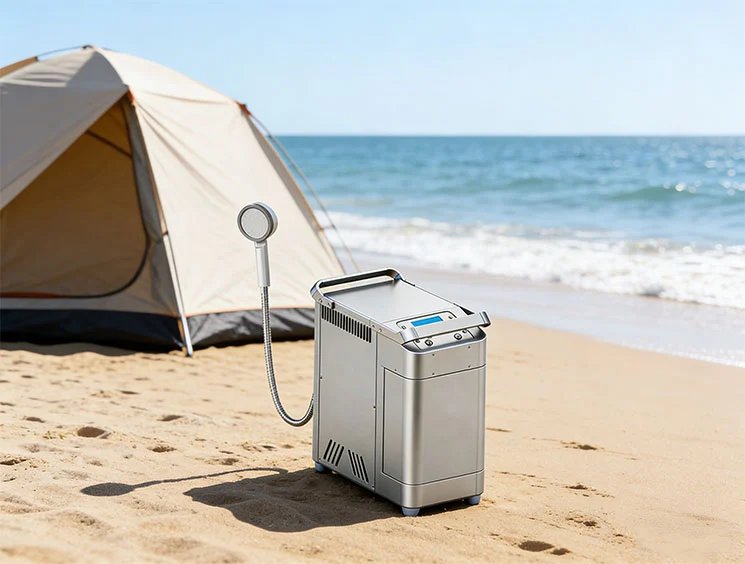
Understanding Outdoor Propane Instant Hot Water Heaters
How These Systems Work
Outdoor propane instant hot water heaters work in a way that is both simple and complex. When you turn on the hot water faucet, cold water flows through the machine, which sets off an alarm system that lights the gas burner. The water goes through a heat exchanger, where flames quickly move heat from one place to another. Within three seconds, the water is hot. This gets rid of the energy loss that comes with tank-style heaters when they are not in use.
A propane regulator, an electric ignition system, heat transfer coils, temperature monitors, and safety cutoff valves are the main parts. Modern units have microprocessors built in that automatically adjust the flame strength and watch the flow rate of water. This keeps the output temperatures stable even when demand changes. Because of these improvements, tankless gas water heater systems are especially useful in business settings that need to be reliable.
Key Advantages Over Traditional Systems
When businesses use outdoor propane instant hot water heaters outside, they get a lot of practical benefits. The small size makes it possible to put in small areas where other water heaters can't. Multiple people can use the hot water at the same time without running out, which is very important for campgrounds, building sites, and emergency centers.
The ability to use less energy is another big benefit. These units use less fuel than units that heat water all the time because they only heat water when it's needed. Businesses can move their heating capacity to different project areas because it is portable, which is something that fixed systems can't do.
Safety and Compliance Considerations
Modern outdoor propane instant hot water heaters have a lot of safety features that are needed for business use. If the ignition fails or the flames go out without warning, flame failure recognition will turn off the gas flow immediately. Overheat safety keeps internal parts from getting damaged when something goes wrong. Carbon monoxide monitors are more common in tight spaces, but they add another layer of safety.
Teams in charge of buying things have to make sure that the units they choose meet safety standards specific to their area. In North America, this includes making sure that the units have ANSI Z21.10.3 approval. By understanding these legal requirements, businesses can avoid being sued and keep end users safe in a variety of work settings.
Buying Guide: What to Know Before You Purchase
Evaluating Flow Rate and Capacity
How many outlets an outdoor propane instant hot water heater can serve at the same time depends on its flow rate, which is given in liters or gallons per minute. One shower or washing station can get enough water from a unit that delivers five liters per minute. Businesses that use a lot of items at the same time need models with more space or multiple units set up in parallel.
Temperature rise estimates help make sure that the right tools is used for the job. Find the difference between the temperature of the water coming in and the temperature you want it to be at the exit, and then check the manufacturer's specs to make sure the unit can handle this rise at the flow rate you need. In cold climates, activities are harder because the groundwater temperature may drop below 10°C, which means they need more powerful heated equipment.
Fuel Efficiency and Operating Costs
The real performance can be seen by comparing the BTU output to the actual hot water supply. With little loss, a 34,000 BTU machine turns propane's chemical energy into heat. High-efficiency types have energy factor scores of 85% or higher, which means they use less fuel and cost less to run over their lifetime.
The amount of propane used depends on how much it is used. A portable water heater with 34,000 BTU uses about 0.3 gallons of gas per hour when it is running continuously at full capacity. Figure out their monthly fuel bills by guessing how many hours of use they get on average each day and increasing that number by the cost of propane in their area. This study shows the total cost of ownership, which is more than just the buying price.
Warranty and Supplier Reliability
Outdoor propane instant hot water heaters for commercial use should come with a full guarantee. A standard guarantee lasts for one year, but some high-end makers offer longer warranties on heat exchangers and other important parts. The warranty should make it clear that it covers parts, work, and shipping costs.
Dependability of suppliers has a direct effect on the continuation of operations. Check out possible sellers' after-sales support systems, availability of replacement parts, and speed with which they respond to requests for expert help. Businesses that operate in rural areas need providers that can speed up shipping and offer online troubleshooting help to keep downtime to a minimum when problems do happen.
Installation and Troubleshooting Essentials
Site Preparation Requirements
Choosing the right place to put the item is the first step in a proper fitting. Outdoor propane instant hot water heaters that are used outside need to have enough air flow, be protected from direct weather, and be away from materials that can catch fire. Configurations that are mounted on the wall save ground room and make upkeep tasks easy to get to.
For the heater to work at its best, the water source lines must provide enough pressure, usually between 20 and 80 PSI. Put a sediment filter on the line that brings in air to keep internal parts from getting dirty particles. Propane connections need approved flexible lines that are rated for use outside, and they need to be tested for leaks before they can be used.
Electrical and Control Integration
Units with displays that can be controlled by apps need stable power sources. Modern compact units with a 10,000mAh battery can run on their own for four hours, which is long enough for most outdoor tasks. But businesses that need to run nonstop for several days should plan for charge stations or extra battery packs.
Smart control systems let you change the temperature using mobile apps, so you don't have to do it by hand. This technology is helpful for rental businesses and hotels where staff can set settings before guests arrive. Modern units don't have fans, which cuts down on noise pollution and makes parts last longer by reducing mechanical stress.
Common Operational Challenges
Inconsistent temperatures are often caused by low gas pressure or blocked water flow that is blocked. Check to see that the propane valves keep the pressure at a level that meets the manufacturer's requirements. Regularly cleaning the entrance screens will keep the flow from getting slowed down, which could cause temperature changes or safety shutoffs.
When the ignition fails, it usually means that the battery is dying, a starting part is broken, or the gas source has been cut off. Systematic troubleshooting starts with making sure the gas tank is full and the valves are in the right place. Next, use the control app to check the battery charge state. If you keep having lighting problems, you should get a professional to check the wire gaps and the way the control board works.
When it's cold outside, activities need extra care. Insulation or heat trace wires must be used to keep water lines from freezing. Some more modern types have pre-heating cycles that move water through the heat exchanger before it is used. This keeps it from breaking down because of sudden changes in temperature.
Comparison and Recommendations: Selecting the Best Model for Your Needs
Portable Versus Fixed Installation Units
Outdoor propane instant hot water heaters work great in situations where they need to be moved around and used in different ways. Builders move these units from one job spot to another as the projects go on. During disaster aid efforts, emergency response groups value being able to quickly set up access to hot water. The small size and built-in handles make it easy to move in service cars or storage trucks.
Fixed installation models work well in fixed or semi-permanent places like showers at campgrounds, outdoor event settings, and industrial sites that are far away from people. These machines usually have higher BTU ratings and more flow capacity, so they can handle more people at the same time. Wall-mounted versions make the best use of room and make plumbing connections easier.
Performance Specifications Analysis
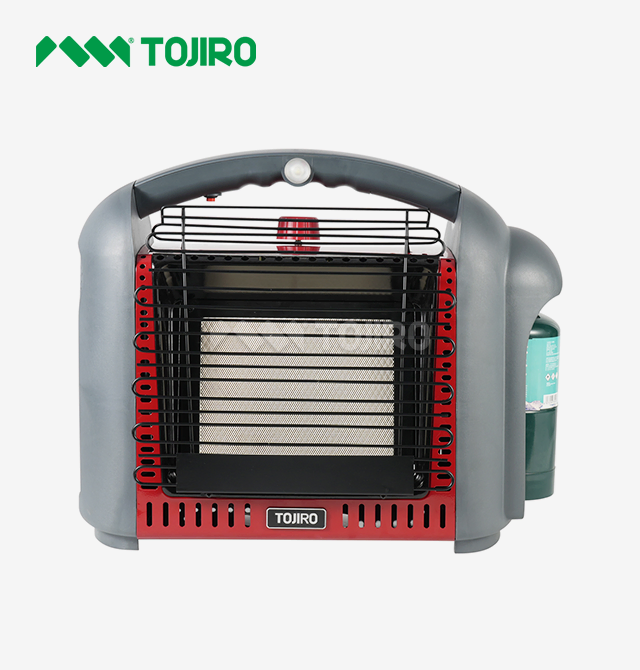
The TOJIRO movable water heater shows how cutting-edge technology can be used in the real world. It can handle uses for one person or a small group thanks to its 34,000 BTU output and 5-liter-per-minute flow rate. With 10,000W of heating power, the temperature responds in three seconds, so as little water as possible is wasted during starting.
Being able to handle apps is a big step forward for business processes. Facility managers can check on the state of the system, change the temperature settings, and see how much battery life is left without having to physically reach the equipment. This feature cuts down on the amount of work that needs to be done and makes the user experience better by delivering regular comfort.
Price-to-Performance Considerations
People who are watching their budgets often focus on the initial purchase cost, but the total cost of ownership gives a more accurate picture of a product's value. Figure out how much it will cost over its entire lifetime, taking into account things like fuel use, repairs, and planned replacement times. Higher-efficiency units built with better materials may be worth the extra money up front because they have lower running costs and last longer.
For businesses that use more than one machine, bulk buying offers economies of scale. Volume discounts and standard equipment specs make it easier for rental companies to keep track of their inventory and train technicians. This is also true for campground owners who are improving their facilities and disaster planning groups that stock up on emergency supplies.
Procurement and After-Sales Support for B2B Clients
Selecting Reliable Distribution Channels
Buyers in the business-to-business (B2B) market should get to know manufacturers who offer approved distributor networks or direct sales methods. Buying directly from ISO9001:2015-certified facilities makes sure that quality control is consistent and could lower costs by getting rid of markups that are added by middlemen. TOJIRO Electric Appliances is a good example of this method because they combine their knowledge of making things with a system for quick customer service.
When looking for outdoor propane instant hot water heaters from other countries, you should carefully think about how to ship them. Standard production processes take about 45 days from the time an order is confirmed until it is delivered. This means that you need to plan ahead for times when demand is high or when a project needs to be finished. Reliable providers keep contact open and clear during the entire production and shipping process, giving customers tracking information and early warnings of delays.
Customization and White-Label Opportunities
Businesses can set their products apart from others on the market by customizing specs and using their own name on packaging using ODM and OEM. Rental companies may ask for specific color choices that fit their brand. Retailers can work out "white-label" deals with manufacturers that let them sell goods under their own brand names while still using the manufacturers' design and production skills.
Different providers have different minimum order amounts. Manufacturers who are flexible can accept smaller initial orders to help them test the market before committing to large inventory positions. Talk about customization choices as early as possible in the buying process, since unique features or branding needs may make production take longer than usual.
Comprehensive Service Agreements
Professional installation services lower the risks of execution and make sure that local rules are followed. Suppliers of "turnkey" solutions take care of getting permits, setting up the system, and doing the first tests. This lets buyers focus on their main business tasks instead of the technical details of setting up the system. This method works especially well for businesses that don't have their own professional staff with gas system knowledge.
Ongoing repair contracts make technology last longer and keep it from breaking down when you least expect it. Scheduled checks find signs of wear before parts break, so they can be replaced ahead of time during easy maintenance windows instead of having to be fixed quickly during busy times. To make sure that the quality of the service meets practical needs, detailed service agreements should include reaction times, parts coverage, and technician training.
Conclusion
In conclusion, outdoor propane instant hot water heaters are flexible and efficient heating options that can be used in a wide range of business settings. Businesses are better prepared for successful deployment if they understand the basics of the technology, carefully compare specs to practical needs, and build relationships with dependable providers. These systems are useful for businesses that work in open areas because they are portable, use little energy, and have advanced control features. Planning carefully before buying something, including looking at the total cost of ownership, the guarantee, and the after-sales support, will make sure that you are happy with it for a long time and that it works well.
FAQ
1. Can outdoor propane instant hot water heaters operate safely indoors?
Because they need to be able to breathe, outdoor propane instant hot water heaters were designed to be installed outside. When used indoors, carbon monoxide can build up and pose serious health risks. Always install according to the building rules in your area and the manufacturer's instructions.
2. What factors affect propane consumption rates?
How much is used depends on how much the temperature needs to rise and the weather. When water comes in colder, it needs more energy. At 34,000 BTU output, continuous maximum-capacity running uses about 0.3 gallons of gas per hour. However, normal usage trends lead to lower average consumption.
3. How do I maintain consistent temperature output?
Make sure there is enough gas pressure by setting the regulator correctly. Keep the entrance filters clean to keep the flow going. Modern types with automatic temperature control systems change the brightness of the flame on the fly to adapt to changing circumstances. Descaling heat exchangers regularly in places with hard water keeps their efficiency from going down.
Partner With TOJIRO for Reliable Outdoor Propane Instant Hot Water Heater Solutions
To make outdoor propane instant hot water heaters that meet strict business needs, TOJIRO combines traditional Japanese precision craftsmanship with modern industrial engineering. Our ISO9001:2015-certified making makes sure that the quality of every unit is the same. The 45-day production cycle works well with your schedule for ordering, and the full range of ODM and OEM options allows for customization to meet the needs of different markets. We offer a guarantee that lasts for one year and offer helpful technical support at [email protected]. TOJIRO is your reliable source for outdoor propane instant hot water heaters, whether you're a store looking for stock, a rental company needing long-lasting gear, or a school needing heating solutions that meet regulations.
References
1. Anderson, M. (2022). Propane Heating Systems: Engineering Principles and Commercial Applications. Industrial Press.
2. Chen, L., & Yamamoto, K. (2023). "Energy Efficiency Analysis of Tankless Water Heating in Outdoor Environments." Journal of Applied Thermal Engineering, 48(3), 215-228.
3. International Association of Plumbing and Mechanical Officials. (2023). Uniform Plumbing Code: Commercial Installation Standards.
4. Roberts, D. (2021). Outdoor Equipment Procurement Guide for Commercial Operations. Business Technical Publishers.
5. Thompson, R., & Martinez, J. (2023). "Comparative Life-Cycle Cost Analysis of Portable Propane Water Heaters." Facilities Management Quarterly, 37(2), 112-125.
6. Wilson, S. (2022). Safety Compliance in Commercial Propane Applications. National Safety Council Press.

USER EVALUATE
Here is the customer's evaluation of us
_1763607791883.webp)