


Office Heating Uses & Efficiency Tips
Workplace productivity and operating costs are heavily impacted by office heating. Strategic planning and equipment selection are needed to maintain an energy-efficient workspace temperature. Modern office heating solutions use innovative technology and practical design to bring warmth, cut energy use, and improve employee comfort in demanding work situations.


Understanding Modern Office Heating Requirements
Traditional heating systems struggle to meet today's office heating needs. Flexible heating solutions are needed for open floor plans, shifting occupancy levels, and different office configurations.
Smart Heating's Impact
Smart heating has transformed workplace temperature management. Sensors and automated controls keep these systems running smoothly and save energy. Building managers may monitor and change heating patterns depending on real-time occupancy data and weather with IoT technology.
Advanced Heating Systems Increase Efficiency
Zone-based controls, variable speed motors, and programmable thermostats are incorporated in energy-efficient heating systems. These features precisely regulate office temperatures to optimally heat conference rooms, workstations, and common spaces without wasting energy.
Controlling Climate and Productivity
Office climate control goes beyond comfort. According to the American Society of Heating, Refrigerating, and Air-Conditioning Engineers, below-optimal temperatures can reduce worker productivity by 6%. This productivity loss typically outweighs the cost of effective heating systems, demonstrating the benefits of improved heating technologies.
Seven Core Applications of Office Heating Systems
Central HVAC Integration for Large Facilities
In large commercial buildings, central heating controls office environment. Heating air through ductwork networks keeps floors and departments at the same temperature with these complete systems. Integration of heating and ventilation systems creates unified HVAC networks. Modern central systems use variable air volume controls to heat zones according to occupancy and consumption. The main benefit is centralized control and maintenance. Single control panels allow facility managers to optimize seasonal temperature adjustments and weather response across multiple buildings. All system maintenance plans may be streamlined, and energy costs are predictable.
Zoned Heating for Flexible Workspaces
Zoned heating solves office temperature issues. Server rooms need cooling even in winter, whereas conference rooms need rapid heating for gatherings. Individual building heating zones are created via smart thermostats and dampers. Each zone's scheduling and temperature requirements reduce energy waste in empty regions and ensure comfort in occupied spaces. Modern offices with hot-desking and flexible seating profit from this technique. Based on daily usage, zones can be set or disabled, conserving energy during off-peak hours and weekends.
Portable Space Heaters for Targeted Comfort
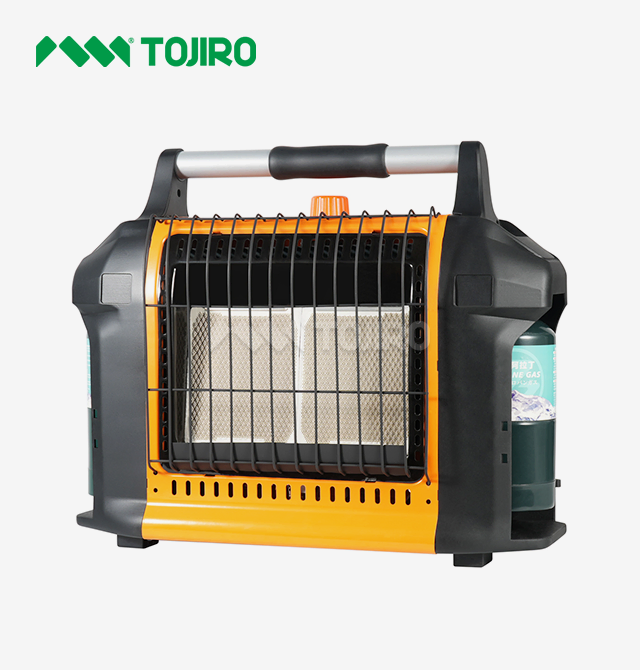
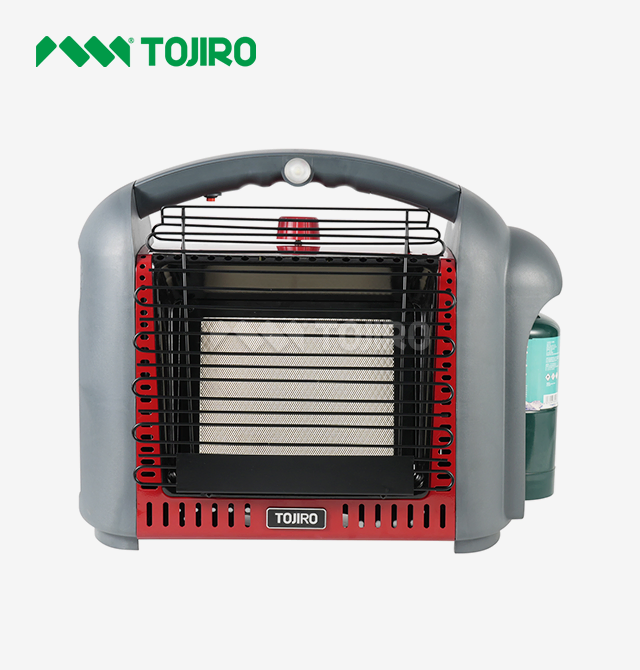
Electric and portable heaters warm workstations and temporary offices quickly. These technologies enhance heating systems and meet individual comfort needs in adverse weather. TOJIRO TJR-R95 diesel heaters are cutting-edge portable heaters. It efficiently heats 15 square meters of office area with 2600W power and 9000 BTU capacity. The 5.2L fuel tank heats for 13 hours, and the automatic ignition mechanism ensures safety. Portable heaters are essential for office moves, temporary workspaces, and central system breakdowns. Mobile heating adapts to office design and seasonal workstation changes.
Radiant Heating for Energy Efficiency
Radiant heaters directly heat items and people. Heat loss from air circulation and ventilation systems is eliminated, reducing energy consumption. Invisible heating zones activated by occupancy sensors are created by placing radiant panels in ceilings or walls. Offices with high ceilings, where traditional heating struggles to maintain ground-level comfort, benefit most from the technology. Silent radiant systems provide heat evenly without air movement. Offices with sensitive equipment or where air movement could disturb paperwork and materials benefit from this feature.
Emergency Backup Heating Systems
During power outages or major system failures, backup heating keeps business going. For equipment and staff safety, emergency heating systems maintain minimum temperatures. Power outages disable electric heating systems, but diesel heaters work. Environmental compliance and safety make the TOJIRO TJR-R95 suited for emergency office heating. Emergency systems are ready for deployment with minimum maintenance. Fuel efficiency extends emergency heating time, allowing for primary system repairs or other preparations.
Server Room and Equipment Heating
Even in winter, when offices need plenty of heating, technical equipment needs precise temperatures to work properly. Server rooms self-heat but may need additional heat at startup or low load. For delicate electronics, precision heating systems maintain small temperature bands. These systems work with building management software to regulate cooling systems and prevent equipment damage. Technology-specific heating units have humidity control, air filtration, and redundant safety measures. These features safeguard equipment investments and optimize performance.
Temporary Office and Construction Site Heating
Heating solutions for temporary offices, building site trailers, and portable workspaces must be durable and comfortable. Portable diesel heaters are ideal for these applications due to their endurance, fuel efficiency, and independence from utilities. Cold-rolled steel and stainless steel construction make TJR-R95 devices durable in harsh settings. Uninsulated installations require more heating to maintain comfortable temperatures. Fuel efficiency is critical for long-term operations and isolated places where fuel delivery is difficult.
Maximizing Heating Efficiency in Office Environments
Thermal Insulation Matters
Heating efficiency depends on thermal insulation. Window, wall, and ceiling insulation lowers heat loss, allowing heating systems to maintain desired temperatures with less energy.
Making Simple Energy Efficiency Improvements
Door seals, weatherstripping, and window treatments prevent cold air entry. These modest upgrades generally lower heating expenses and boost office comfort.
Intelligent Heating Controls for Comfort
Smart heating controls alter temperatures based on occupancy and weather. Programmable systems cut heating during off-hours and ensure comfortable mornings.
Maintaining Regularly
Maintaining heating equipment enhances its lifespan and efficiency. Filters, thermostats, and combustion systems that are clean and calibrated save energy and money.
Enhancing Heat Distribution
Office temperatures are even thanks to heat distribution optimization. Effective vent placement, ductwork design, and air circulation patterns reduce heating needs and eliminate hot and cold regions. Optimization improves energy efficiency and workplace comfort.
Indoor Air Quality Considerations
What Office Heating Does to Indoor Air Quality
Air movement, humidity, and filtration in office heating systems affect indoor air quality. Air quality and thermal comfort are maintained by proper heating design.
Proper ventilation
Ventilation integration provides fresh air without reducing heating efficiency. Balanced systems meet air quality standards without energy costs by recovering exhaust air heat and supplying filtered fresh air.
Controlling humidity
Heating seasons make humidity control difficult because warm air contains more moisture than cold air. H₂O management keeps occupants comfortable and protects office equipment from condensation.
Latest Filtration Methods
Office heating systems use superior filtration to remove airborne pollutants. These combined indoor air quality solutions improve workplace health and well-being.
Cost Management Strategies
Heating costs affect office budgets
In colder climates, office operating budgets include significant heating costs. Strategic heating control lowers costs while preserving worker comfort.
Using Energy Monitors
Detailed consumption data from energy monitoring systems reveals inefficiencies and optimization potential. Real-time feedback lets facility managers change heating patterns and identify equipment that needs maintenance or replacement, saving money.
The Fuel Choice
Cost and sustainability depend on fuel choice. Alternative fuels, natural gas, and electricity have varied cost profiles based on regional availability and pricing. The correct fuel source can affect heating costs and environmental effect.
Essentiality of Preventive Maintenance
Preventive maintenance plans save emergency repair expenses and maximize heating efficiency. Inspections, filter changes, and system calibrations prevent minor errors from becoming costly failures, making your heating system more reliable and cost-effective.
Conclusion
Office heating needs strategic equipment selection and operational strategies to balance comfort, efficiency, and cost. Modern heating systems provide unprecedented workplace temperature control while cutting energy and operational costs. Whether using central HVAC, portable heating, or emergency backup equipment, success hinges on meeting office heating needs. Maintenance maintains efficiency and dependability while professional assistance optimises system design and installation. Quality heating systems boost productivity, lower energy costs, and workplace satisfaction, boosting long-term business success.
FAQs
1. What temperature should offices maintain for optimal productivity?
Office temperatures between 68-72°F (20-22°C) improve productivity and comfort, according to research. Although preferences vary, this range meets most office needs and controls heating expenses.
2. How often should office heating systems receive maintenance?
Professional maintenance is needed annually before heating seasons. Quarterly system checkups and monthly filter inspections detect faults early. For serious situations, emergency backup heating equipment must be tested every six months.
3. What heating capacity do different office sizes require?
Depending on insulation, ceiling height, and temperature, office heating needs are 20-40 BTU per square foot. To estimate ideal heating capacity for each system, professional load calculations include building factors.
Transform Your Office Heating Strategy with Professional Solutions
TOJIRO offers reliable and efficient advanced heating systems for different commercial needs. We supply reliable diesel heaters for offices, emergencies, and temporary installations when traditional heating fails. As a leading office heating manufacturer, we combine traditional Japanese craftsmanship with modern technology to create products that exceed international ISO standards. Talk to us at [email protected] for bespoke office heating solutions.
References
1. American Society of Heating, Refrigerating and Air-Conditioning Engineers. "Thermal Environmental Conditions for Human Occupancy." ASHRAE Standard 55-2020. Atlanta: ASHRAE Publications, 2020.
2. Energy Information Administration. "Commercial Buildings Energy Consumption Survey: Energy Usage in Office Buildings." U.S. Department of Energy, Office of Energy Efficiency and Renewable Energy, 2018.
3. International Organization for Standardization. "Energy Performance of Buildings: Indoor Environmental Quality." ISO 16813:2016. Geneva: ISO Publications, 2016.
4. National Institute for Occupational Safety and Health. "Indoor Environmental Quality: Temperature and Humidity in the Workplace." Centers for Disease Control and Prevention, 2019.
5. Building Performance Institute. "Heating System Efficiency and Maintenance Guidelines for Commercial Applications." BPI Technical Standards, 2021.
6. Environmental Protection Agency. "Energy Star Guidelines for Commercial Building Heating Systems." EPA Office of Air and Radiation, 2020.

USER EVALUATE
Here is the customer's evaluation of us
_1763607622609.webp)