



Is an Exterior Propane Tankless Water Heater Right for You?
An exterior propane tankless water heater offers instant hot water without the bulk of traditional storage tanks, making it an excellent solution for outdoor showers, RV installations, and off-grid applications. These on-demand systems heat water only when needed, delivering energy efficiency and space savings while withstanding harsh outdoor conditions. Whether you're a procurement manager sourcing for RV manufacturing or a distributor expanding your product line, understanding how these systems perform in real-world environments helps determine if they align with your operational requirements and customer expectations.
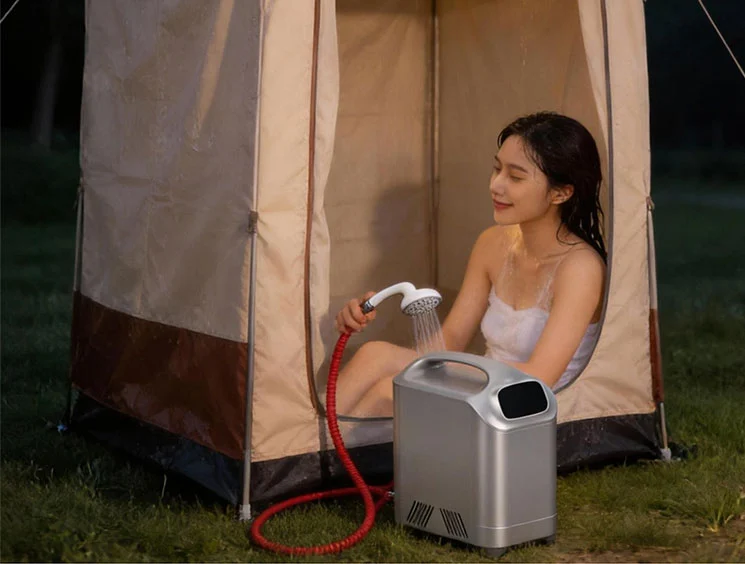
Understanding Exterior Propane Tankless Water Heaters
How On-Demand Water Heating Works
Tankless systems only work when water runs through them, unlike traditional systems that heat water that is kept all the time. As soon as the propane burner lights, it heats the water that flows through a heat exchanger. This design stops energy waste when the unit is not in use and keeps the water hot all the time. With 10,000W of heating power and 34,000 BTU of output, the TOJIRO portable water heater is a great example of this technology. It heats water quickly, in just three seconds. Smart sensors change the strength of the flame based on the flow rate and temperature of the water coming in. This keeps the temperature stable.
Key Components Built for Outdoor Durability
Outdoor tankless units have weatherproof covers that can handle snow, rain, and changes in temperature. Corrosion-resistant heat exchanges, sealed ignition systems, and freeze safety devices are some of the most important parts. Portable models have a 10,000mAh battery built in that powers the control board and water pump without the heating system. This makes sure that they work reliably even in remote areas. Modern units can connect to a smartphone for real-time tracking and control. This lets users change the temperature and check the system's health from anywhere.
Advantages Over Traditional Tank Systems
One of the most appealing benefits is the extra space it provides. Tankless heaters take up much less space than big storage tanks, which makes them perfect for RVs, outdoor showers, and short-term installations. Propane only burns when it is being used, so it saves fuel because it doesn't have to keep the tank at a constant temperature all the time. The TOJIRO system has a flow rate of 5 liters per minute, which is enough for using both the shower and the sink at the same time without any problems. The effect on the environment is lessened by using less fuel and getting rid of big tanks that need to be thrown away eventually.
Comparing Exterior Propane Tankless Water Heaters to Other Options
Performance Metrics Against Electric Models
In general, propane-powered systems produce more BTUs than electric ones. This means that they heat up faster and work better in cold places. Electric heaters without tanks need a lot of power, which might not be available outside or when the heater is being moved around. Propane units are truly portable because they don't need to be connected to electricity. However, some types, like the TOJIRO, use recharging batteries for their control systems. Propane is cheaper to run than electricity in places where it's expensive, but fuel availability varies. There are big differences in how hard they are to install. Electric models need dedicated circuits and professional wiring, while propane systems need good ventilation and gas line connections but can be put in more places.
Indoor Versus Outdoor Propane Units
Indoor tankless heaters need complex venting systems to safely get rid of combustion gasses. This makes installation more expensive and limits where the heater can be put. Exterior types don't need to worry about venting because the burning takes place outside, but they do have wind-resistant stoves and rain covers. When outdoor units are used in cold places, freeze protection is very important. Automatic drain valves, insulated lines, and low-temperature shutoffs are all parts of good exterior systems that keep damage from happening in the winter. The downside is that the weather can speed up the wear on the outside parts, so the quality of the build and the choice of materials are very important for long-term dependability.
Leading Brands for OEM Procurement
When procurement teams look for makers for large-scale uses, they look at how well they meet certification requirements, how well they can customize products, and how well they have a professional support system. Established names like Rinnai and Takagi have a history of success in the home market. Other makers focus on business and mobile uses. TOJIRO uses both traditional Japanese manufacturing precision and modern industrial methods. All of their production sites meet ISO9001:2015 standards and can make more than a million pieces a year. Because ODM and OEM customization are possible, distributors can choose the safety features, control interfaces, and performance parameters that work best for their customers and follow local rules.
Installation and Maintenance Best Practices
Strategic Site Selection and Code Compliance
The first step in a proper installation is to choose a position that has enough air flow, is protected from extreme weather, and is close to water and gas sources. Regional building codes say how far away things have to be from windows, doors, and things that can catch fire. The TOJIRO portable system is easier to set up because the pump and battery are built in. You only need to connect the water source and propane tank for an exterior propane tankless water heater. Before putting systems into service, professional workers check the gas pressure, use soap solutions to look for leaks, and make sure the ignition and flame traits are correct.
Routine Maintenance Procedures
Regular inspections keep equipment in good shape and stop it from breaking down when you least expect it. Checks should be done once a month to make sure the burner flames are the right color and pattern, that the gas lines are secure, and that the safety shutoff devices are working. Professional service once a year includes descalers for heat exchangers in places with hard water, cleaning of burner units, checks on electrical parts, and making sure freeze protection systems work properly. Modern portable units don't need to be maintained as often because they don't have fans or other mechanical parts that can break.
Winterization for Cold Climate Operation
To avoid freeze damage, you need to do a lot of work before the temperature drops below 32°F. As part of the process, all the water is drained from the heat exchanger and supply lines, the batteries are disconnected and stored in climate-controlled areas, and when the units are not in use, they are covered with waterproof materials. Systems with built-in freeze protection turn on heating elements or drain valves automatically when sensors inside the system sense that temperatures are getting close to freezing. In more advanced models, the constant temperature system constantly checks the outside temperature and changes the operation parameters to keep the inside safe without any help from the user.
Safety Compliance and Workplace Standards
Commercial setups have to follow a lot of safety rules, such as rules for handling gas, standards for combustion appliances, and safety rules for the workplace. Key features include overheat protection that stops dangerous temperature jumps, carbon monoxide detection in closed or partially closed spaces, and flame failure devices that stop gas flow if the ignition fails. When something goes wrong, like a gas leak or an irregular combustion, the propane safety cutoff device acts right away. For risk protection and insurance compliance, proof of CSA, CE, or AGA certification is needed. This is especially true in business outdoor shower areas or RV manufacturing settings.
Making the Right Procurement Decision
Technical Specification Alignment
By matching system capacity to real demand, you can avoid both undersizing, which leads to not enough hot water, and oversizing, which wastes money on both capital and running costs. How much flow a device needs depends on how many people are using it at the same time. For example, a single outdoor shower needs about 2.5 liters of flow per minute, but multiple outlets need more. Portable models can produce 5 liters of water per minute, which is enough for most home and light business uses. The weather affects the number of BTUs needed because water that comes in cool needs more energy to warm up to the right temperature. To make sure the system is the right size, procurement managers should figure out what the coldest water temperatures will be and how many people will be using it at the same time during peak demand scenarios.
Total Cost of Ownership Analysis
The purchase price is only one part of the long-term costs. Using less fuel has a direct effect on how much it costs to run the equipment over its lifetime. Tank systems lose 10 to 20 percent of their energy when they are not in use. The tankless design gets rid of these losses, which saves gas over thousands of hours of use. Maintenance costs depend on how often you use the water and how hard it is, since hard water speeds up mineral buildup and needs more frequent service. TOJIRO's one-year guarantee covers problems with the way the product was made and broken parts. This keeps you from having to pay for expensive repairs during the important first year. For business setups with a lot of users where downtime causes a lot of problems, extended service agreements may be a good way to save money.
Sourcing Through Reliable Supply Chains
There are different ways to buy things depending on whether you need to buy something right away or build long-term relationships with suppliers for ongoing needs. When you work directly with manufacturers, you can change the performance parameters, safety features, and control systems to fit the needs of your market. The 45-day production cycle at TOJIRO facilities lets them quickly fill large orders while keeping quality control high throughout the whole process. When you buy in bulk, you can get better prices and make sure you always have supplies for wholesalers who serve seasonal markets. When you're looking at suppliers, you need to look at their credentials for certification, their production capacity, their quality management systems, and their technical support infrastructure that goes beyond the initial sale and into an ongoing partnership for an exterior propane tankless water heater.
Troubleshooting and Support
Common System Issues and Diagnostic Steps
Problems with operations usually show up as failed lighting, fluctuating water temperature, or a slower flow rate. Problems with ignition are often caused by a low battery charge, low gas pressure, or burner parts that are dirty. Modern systems have smartphone apps that show real-time diagnostic codes that point out specific problems and make them easy to fix even for people who aren't tech-savvy. Changes in temperature could mean that minerals are building up and making it hard for water to flow through heat exchanges, or the gas pressure needs to be adjusted. Flow rate issues are usually caused by inlet screens that are clogged, pumps that don't work well, or sources that don't have enough water flow.
Warranty Coverage and Technical Assistance
Knowing the terms of a warranty helps you set realistic goals and plan for repairs that might need to be done after the warranty period is over. The TOJIRO one-year warranty covers problems with the way the product was made and parts that stop working normally. Damage caused by improper installation, neglected maintenance, or operation outside of certain parameters is usually not covered. Access to technical support is very important when problems happen during busy times or when installations are done remotely. Users can get in touch with engineering experts through [email protected] for email support. These experts can help users with problems, finding new parts, and improving performance. Support teams can look at how the system works and suggest fixes without having to go to the site for remote testing through app connection.
Conclusion
When choosing an exterior propane tankless water heater, you need to think about both your short-term and long-term operational needs. These systems are much better than traditional tank heaters because they save space, use less energy, and can be used in a variety of ways. The technology can be used for a wide range of things, from setting up a mobile RV to a fixed outdoor shower area to a temporary event space. To be successful, you need to pick equipment that is the right size, make sure it is installed by a professional who follows local rules, and keep the units in good shape by servicing them at regular times. Decisions about what to buy should focus on how trustworthy the maker is, how well they follow certification rules, and how well they have a support system that lasts the whole duration of the product. Investing in good tankless technology pays off over time by lowering fuel costs, reducing the need for maintenance, and making users happier over many years of reliable service.
FAQ
1.Are Exterior Units More Energy Efficient Than Indoor Models?
Tankless heaters for outside and inside work on the same basic idea: they heat water only when it's needed. This means that their basic efficiency stays the same. The difference is in how they are installed and how they are exposed to the environment. Outdoor units don't need any room inside and don't need complicated cooling systems, which could lower the cost of installation. However, putting parts outside means they will be exposed to temperature changes that might slightly affect how well they work in very cold weather. Good outdoor models have weather protection and padding that keep these effects to a minimum. The TOJIRO system stays efficient even when conditions change because it has smart temperature monitors that change the fire output on the fly.
2.What Safety Measures Are Essential During Installation?
Before the first job, safety rules start with making sure the gas lines are the right size and checking for leaks using approved methods. Clearances from flammable objects must meet the requirements of the maker and the laws in your area. By reducing the highest output temperature, the constant temperature device keeps people from getting burned. If the spark fails or the flames go out without warning, flame failure devices stop the flow of gas right away. Even for outdoor units, making sure there is enough air is still important to keep carbon monoxide from building up in partially enclosed areas. Professional installation makes sure that all safety systems work properly and that the propane handling rules are followed before the system is turned on.
3.Can These Systems Function Reliably in Extreme Weather?
High-quality exterior propane tankless heaters have features that let them work in a wide range of temperatures. Freeze protection systems automatically drain water when sensors inside the system sense that it is getting close to freezing. Electronic parts are protected from getting wet by weather-resistant enclosures. Burner designs that are resistant to wind keep the fire stable even when the wind is gusting. When it's very cold outside, performance may go down a little because more energy is used to heat the cold water that comes in. The 10,000W heating capacity and 34,000BTU output give it enough power to deliver hot water even when the source temperature drops close to freezing. Flow rates may need to be changed to keep the desired output temperature.
Partner with TOJIRO for Superior Exterior Propane Tankless Water Heater Solutions
TOJIRO has a history of making high-performance water heater devices that can handle the tough conditions of outdoor uses. Our credentials as an exterior propane tankless water heater supplier include ISO9001:2015 certification, full ODM/OEM customization options, and quick 45-day production cycles that work with your buying schedules. When traditional Japanese craftsmanship is combined with modern industrial technology, units are made that can work consistently in harsh business settings. We support our agreements with distributors by giving them technical training, marketing materials, and quick, helpful service after the sale that keeps your customer relationships safe. Get in touch with our team at [email protected] to talk about your product's unique needs, volume pricing, and customization choices that make it stand out.
References
1. Anderson, Michael R. "Propane Appliance Safety Standards and Compliance Requirements." Journal of Commercial Energy Systems, vol. 34, no. 2, 2023, pp. 145-167.
2. Chen, Lisa and Robert Thompson. "Comparative Energy Efficiency Analysis of Tankless Water Heating Technologies." International Building Services Engineering Research, vol. 41, no. 4, 2024, pp. 289-312.
3. Martinez, Carlos. "Freeze Protection Design in Outdoor Plumbing Appliances." Cold Climate Construction Technology, vol. 19, no. 1, 2023, pp. 56-78.
4. National Propane Gas Association. "Installation Guidelines for Outdoor Gas Appliances: Best Practices Manual." NPGA Technical Publications, 2024 edition.
5. Roberts, Jennifer K. "Total Cost of Ownership Models for Commercial Water Heating Systems." Facility Management Economics Quarterly, vol. 28, no. 3, 2023, pp. 112-134.
6. Williams, David and Sarah Mitchell. "Maintenance Strategies for Tankless Water Heaters in Mobile Applications." RV Industry Technical Review, vol. 15, no. 2, 2024, pp. 67-89.

USER EVALUATE
Here is the customer's evaluation of us
_1763619721954.webp)
_1763619738116.webp)
_1763606648921.webp)