



Inset Cooking Pan Butane Stove: Your Outdoor Cooking Companion
Procurement workers who are looking for tools for hire fleets, retail stores, or institutional operations need to find a reliable cooking option that is both portable and performs well. This is a tried-and-true technology that meets these needs: the inset cooking pan butane stove is small, uses little fuel, and can be used in many different ways. With an 8,000 BTU output and a 2.3kW burner, this cooking system gives you restaurant-level heat control in the field while still being portable enough for modern outdoor activities. If you know what this technology can do, you can make smart choices about where to buy it that meet operating needs and buyer standards, whether you're buying for glamping sites, disaster aid groups, or your own brand-name products.

Understanding the Inset Cooking Pan Butane Stove – Features and Benefits
Core Design Advantages for B2B Applications
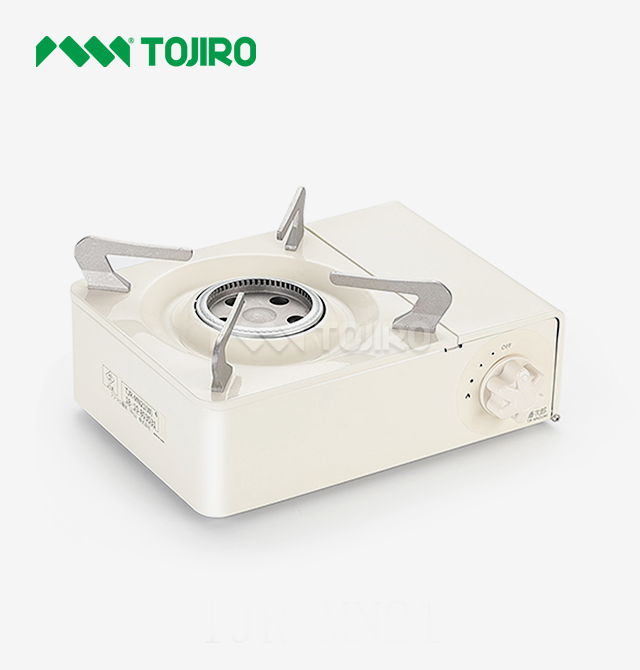
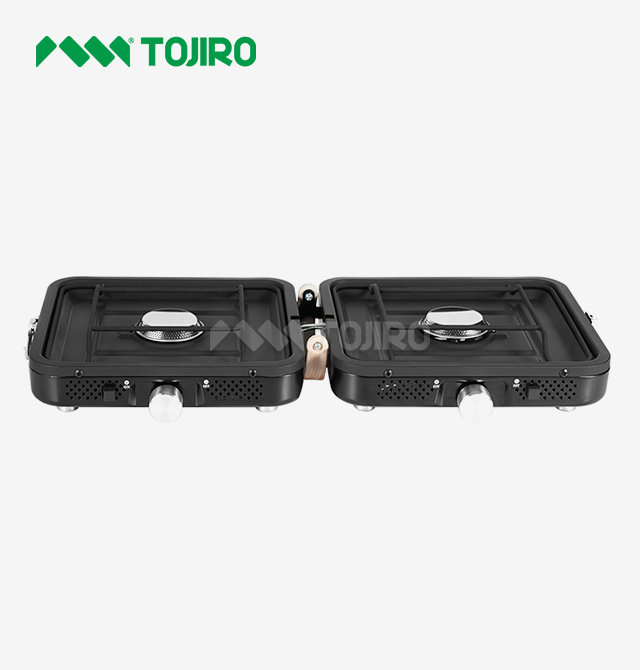
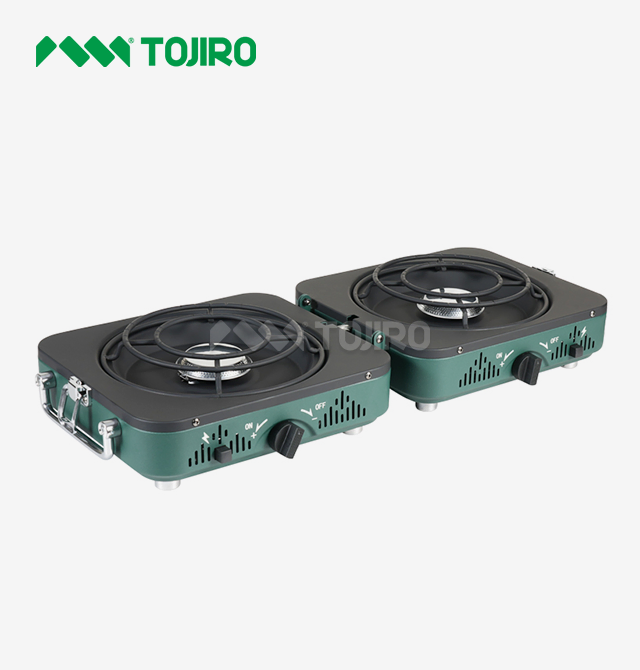
Portable butane cooking systems are built in a way that makes them last longer while also keeping the weight down. The TOJIRO TJR-BK39's furnace body and water pan are made of cold-rolled steel that has been coated with powder. This makes the surfaces resistant to rust and damage from impacts during repeated shipping cycles. This way of building meets ISO9001:2015 standards for manufacturing, which means that all batches will be the same. This is very important when buying tools for rental businesses or educational use, where standardization cuts down on training time and maintenance costs.
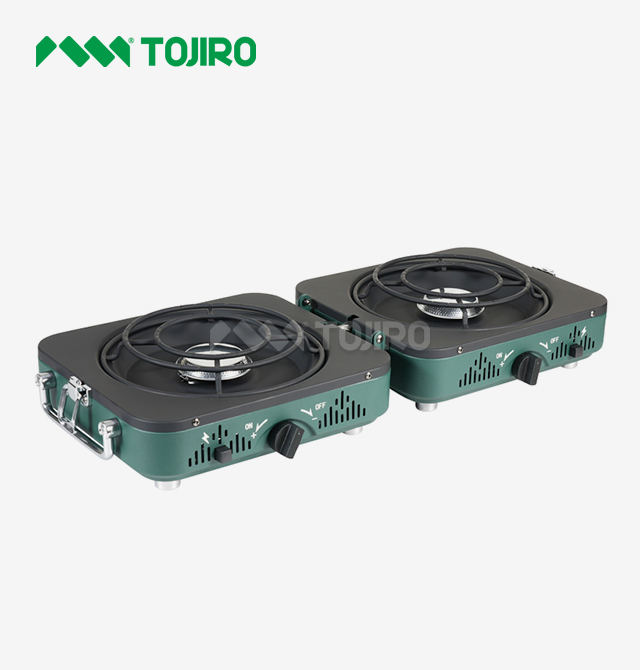
The two burners, which combine open flame and infrared heating elements, give you more cooking options than single-function units. Open flame stoves are great for quickly boiling and searing food at high temperatures. They produce strong direct heat that is good for quickly making meals. Infrared stoves, on the other hand, spread heat evenly across the surfaces of cookware, keeping temperatures steady and perfect for boiling, reducing sauces, and warming. This setup lets workers make complicated multi-course meals on the job without needing a bunch of different cooking tools.
Energy Efficiency and Fuel Compatibility
Butane fuel systems are about 10–12% more efficient than propane systems when the conditions of use are the same. This means that each fuel cylinder can cook food for longer and needs to be refilled less often during multi-day activities. The small 8-ounce canister size makes inventory management and storage easier, which is helpful for businesses that have tools in various places or need to keep emergency supplies on hand but don't have a lot of room.
What fuels work in each market is different. In Europe, normal configurations can fit high-altitude gas cylinders, but in the US, units use connections for propane gas tanks. This feature for regional customization lets OEM partners and dealers choose the right fuel systems for their target markets without having to spend money on developing new products. TOJIRO's factory infrastructure can handle these customization needs with a 45-day production cycle for sales of at least 1,000 units. This strikes a good balance between reasonable lead times and scalable production capacity.
Safety Engineering and Operational Reliability
Modern butane stoves have unique two-stage overpressure safety shutoff systems that stop the flow of fuel automatically when the pressure inside the stove goes above what is safe. This safety design keeps canisters from exploding when they get too hot or when the valves stop working properly. This is an important feature for businesses that may be held responsible for accidents that happen in rental or educational settings. Also, piezoelectric ignition systems don't need matches or different lighters, which lowers the number of places where an ignition could fail and makes it easier for people who aren't trained to use them.
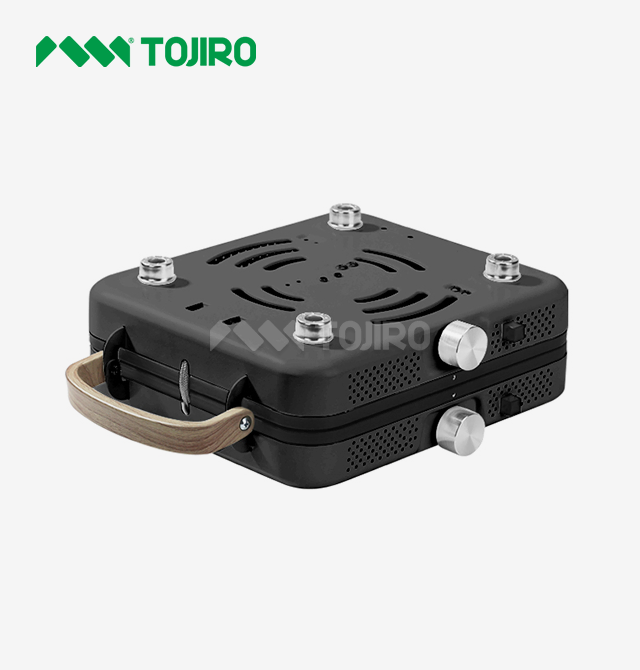
The small folded size of 245x210x59mm allows for efficient packing arrangements that increase the number of inset cooking pan butane stove units that can be moved per carload or warehouse storage space. TOJIRO's packing design can survive drop tests from one-meter heights and eight different angles. This makes sure that goods get to stores or rental facilities in working order, even when they've been through a lot of stress in the supply chain.
How to Use and Maintain Your Inset Cooking Pan Butane Stove
Step-by-Step Operation Protocol
Setup steps that are done correctly reduce user mistakes and increase the life of the equipment. First, take off the safety cap from the butane tank and open the base of the stove. Place the canister alignment tab inside the notch on the canister collar after lifting the tab. Before you push the engagement lever down to lock the canister connection, make sure the gas flow number stays in the "off" position. This order stops fuel from leaking during installation, which is important for safety in high-volume rental businesses where equipment is handled by many people.
To install the cooking grate, you have to flip the part from its small storage position to the active cooking position. Most compact stove designs hide the grate inside the main body so it takes up less space when it's not in use. Once the grate is taken out, it should firmly rest on the fixing points to keep cookware stable.
The integrated piezoelectric device is used for ignition processes. While the igniter button makes a spark near the burner head, turn the gas control dial all the way open. When the spark hits the gas, it should catch fire right away. You can change the dial to get the flame strength you want—higher settings for fast cooking and lower settings for simmering. In windy weather, put up natural windbreaks like rock structures or car bodies to protect the flame. This will keep the burning process going smoothly without directly surrounding the stove in a way that could cause carbon monoxide to build up.
Maintenance Protocols for Extended Service Life
Regular cleaning keeps waste from building up, which hurts function and poses a fire risk. Let the unit cool down all the way before doing any repair. Take off the cooking grate and use a wet cloth to clean all the surfaces. This will get rid of any food bits or grease that are on them. The shape of the water pan makes cleaning easier by collecting spills and keeping them from getting to the inside parts. Electronic ignition systems shouldn't be submerged in water. Instead, clean these areas with barely wet clothes and then dry them completely.
Check the flame heads often to see if they are getting clogged up with food particles or carbon buildup. Gas jets with small obstacles have uneven flame patterns and heat less efficiently. To clear out clogged ports, use thin wire or compressed air. Check the parts that hold the canister in place for signs of wear, like alignment tabs that are broken or loose fit limits. Replace old parts before they break while the machine is running. This is called proactive maintenance, and it lowers the number of customer complaints in rental situations and guarantee claims in retail sales.
Troubleshooting Common Operational Issues
Most ignition problems are caused by piezoelectric igniters that are too weak, fuel tanks that are empty, or burner parts that are not lined up correctly. Check the igniters by watching the sparks form when there isn't much light. If there aren't any or small sparks, the igniter device needs to be replaced. Check the weight of the fuel canisters to make sure they have enough gas; empty canisters feel much lighter than full ones. Make sure the burner is lined up correctly by making sure all of its parts fit snugly into their fixing holes.
When flame patterns aren't constant, it means that gas jets are blocked or there isn't enough fuel pressure. Uneven flames are usually fixed by cleaning the burner ports. If the fires don't go out and on after cleaning, the problem could be with the pressure control valves, which need to be fixed by a professional, or the unit needs to be replaced. By understanding these diagnostic paths, problems can be fixed quickly, reducing the amount of equipment downtime that impacts schedules or measures of customer happiness.
Comparing Butane Stoves: Making the Right Choice for Your Business Needs
Butane Versus Propane: Cost and Performance Analysis
Compared to propane, butane has lower per-unit fuel costs and is less dangerous, which makes it a better choice for businesses that have to be environmentally friendly. The fuel burns cleaner and puts out fewer pollutants, which is good for camping or indoor event spaces with enough airflow. That being said, butane doesn't work as well below 40°F; near 30°F, it stops vaporizing completely. Because of this, it's not good for tasks that need to be done in cold weather or at high elevations where temperatures drop a lot at night.
Propane is reliable even when it's below freezing outside, so it works well in a bigger range of temperatures. Propane systems are often chosen by businesses in northern temperatures or hilly areas, even though the fuel is more expensive and the canisters are bigger. Which type of fuel to use depends on where the operation is located and how it is used during different times of the year. TOJIRO can handle both types by offering flexible fuel system configurations that let dealers match product specs to the needs of each area market.
Electric Alternatives: When Grid Power Changes the Equation
Electric cooking systems get rid of the need to transport fuel and can be used easily in rooms that don't have any airflow issues. However, they need reliable electrical infrastructure, which can't always be found in remote outdoor areas, temporary event sites, or emergency reaction situations where grid power isn't accessible. Because of how the heating element is built, electric units usually weigh more than their butane counterparts, which takes away from their portable benefits.
The inset cooking pan butane stove works great in off-grid situations where mobility and not needing to connect to a power source are important. Butane's self-contained fuel system is useful for rental businesses that serve campsites without electricity, disaster aid efforts in areas with damaged infrastructure, and mobile catering services that work at outdoor events. Understanding these application scenarios helps people who work in buying match the technologies they choose to the settings where they will be used.
Leading Models and Use Case Alignment
Coleman goods are the most popular camping gear for consumers because they are sold in so many stores and have been known as a name for so long. Iwatani specializes in small tabletop units that are popular in Asian markets and are also becoming more popular among Americans who want to cook in less area. MSR makes high-end products for serious outdoor users that focus on reducing weight and performing well in harsh conditions.
TOJIRO is in the business-to-business (B2B) market, which means that it offers production relationships instead of competing directly with consumer brands. Because the company does both ODM and OEM, stores can make private-label goods that are specific to their customers without having to invest in production facilities. Mid-sized stores and specialty outdoor shops building their own product lines can use this method because they only need to order 1,000 units at a time. The one-year guarantee covers quality assurance, which helps store sales and makes it easier to handle warranty claims.
Procuring Butane Stove and Cooking Pan Solutions: Buyer's Guide
Evaluating Supplier Capabilities and Partnership Potential
B2B buying is more than just unit price. It also includes the dependability of the provider, the ability to make changes, and the infrastructure for assistance after the sale. TOJIRO has a 10,000-square-meter factory in Zhongshan, China, where they use both traditional Japanese methods of craftsmanship and modern production technology. With this mixed method, you can make products that meet international quality standards while keeping costs low enough to compete with companies that only make mass-produced goods.
There is a good mix between responsiveness and output efficiency in the 45-day production cycle. Retailers who want to stock up on items for the summer camping season can place orders in early spring, and rental businesses that are adding to their teams can include this lead time in their spending cycles for new equipment. For businesses that serve more than one market, certification flexibility is important. TOJIRO provides a wide range of legal compliance requirements, which lets businesses that operate in areas with different safety standards use a single source for their purchases.
Bulk Purchasing Strategies and Price-Performance Optimization
Entry-level portable stoves usually cost between $25 and $45 per unit when bought in bulk. They have basic features that make them good for people who want to save money or for short-term rentals. Premium units with features like two burners, built-in windshields, and carrying cases cost between $60 and $120 each. They are popular with serious outdoor fans and business owners who care more about reliability than initial cost.
Because TOJIRO's manufacturing model lets you customize within price ranges, buyers can choose the exact feature pairs they want instead of picking from pre-set product setups. A glamping business might care more about how things look by using higher-quality powder coatings, while a disaster aid organization might care more about how tough the buildings are and how easy it is to find replacement parts. With this ability to customize, procurement goes from picking out goods that are already on the market to creating solutions that meet specific operational needs.
Essential Accessories and Replacement Parts Infrastructure
When used outside, windshields make burning much more efficient, which cuts down on fuel use and cooking time. Accessory canisters make more fuel sources work with each other, so you can use different types of fuel in a situation if your main supplies run out. Carrying cases keep things safe while they're being moved and stored, which extends their useful life by avoiding damage from impacts and the elements.
Setting up supply lines for replacement parts is important for companies that manage big fleets of equipment. Parts supply terms should be written into procurement contracts. This includes wait times for standard consumables like igniter mechanisms and pressure regulator valves. TOJIRO's desire to support the supply of after-sales parts through specialized lines of distribution or direct fulfillment arrangements gives customers long-term operational confidence after they buy equipment.
Case Studies and Applications: Success Stories with Butane Stove Cooking Solutions
Large-Scale Outdoor Catering Operations
It can be hard for regional catering companies that serve food at festivals, business retreats, and outdoor weddings to get their cooking equipment to places that don't have fixed kitchens. One catering business in the Pacific Northwest switched to portable butane systems when they found that transporting fuel canisters was cheaper than renting generators for electric cooking gear. The 8,000 BTU output was enough for making food for a business, and the dual-burner setups let more than one menu item cook at the same time.
The company made all of its tools use the same type of inset cooking pan butane stove. This made it easier to train staff and keep track of parts inventory. When equipment broke down, workers who knew how to fix the standard unit quickly used spare parts that were on hand. This approach to standards cut down on downtime costs, and the portable nature of the equipment let the company take on venue contracts in faraway places that rivals couldn't easily serve.
Glamping Resort Equipment Procurement
A Colorado glamping resort owner was looking for cooking tools for 30 luxury tent sites, meeting the needs of guests and the need to keep the resort running smoothly. For electric cooking systems to work, a lot of electrical equipment had to be installed across the land, which was an expense the owner didn't want to incur. The lodge chose movable butane stove kits that came with high-quality cookware sets, storage cases that could also be used as rustic decor, and the stove itself.
Feedback from guests praised the strangeness of cooking outside with modern conveniences, which led to good online reviews and return bookings. The maintenance staff liked how easy the equipment was to clean and how it didn't have any complicated electrical parts that needed expert repair. After three seasons, the resort said it didn't need to replace much of the equipment, which proved that the original choice to buy it was a good one in terms of cost.
OEM Partnership Development
Through TOJIRO's OEM program, an American outdoor gear store made a line of private-label camping stoves. The store asked for custom powder coating colors that would match its brand, windshield designs that were unique to its products, and packages with its name and marketing messages. Because TOJIRO was ready to make these changes for orders of at least 1,000 units, the store was able to get into the camping stove business without having to build a manufacturing facility.
The line of products came out during the camping season in the spring, with the help of the store's already-established marketing and sales systems. Sales were higher than expected, and customers liked that they could trust the name and the prices were reasonable. Within six months, the store put in reorders, adding to the product line with matching camping cookware that came from the same manufacturing relationship.
Conclusion
There are a lot of different B2B buying needs for the inset cooking pan butane stove, from retail to rental to institutional to white-label. Portability, good food performance, and the ability to be customized during production make it useful for a wide range of situations, from glamping to disaster aid. By knowing what the technology can do, how it needs to be used, and how it might work with other suppliers, you can make smart choices about where to get tools that meet your organization's needs. TOJIRO is a good company to work with if you need solid outdoor cooking options backed by quick production and full after-sales support. The company has a lot of experience making things, quality certifications, and OEM freedom.
FAQ
1. What pan sizes work best with portable butane cooking systems?
The width of the pan shouldn't be more than two inches bigger than the stove head size so that heat can move efficiently and the pan doesn't tip over. Most types of compact butane stoves can fit pans that are 10 to 12 inches across. Heavy cast-iron cookware works well because it keeps heat in well, but considering weight is important for camping. Nonstick-coated metal pots are lighter options that can be used for cooking that uses less fuel. Make sure that the sides of the pans always sit flat on the grates so that they stay in place while they're cooking.
2. Can these stoves operate safely in enclosed spaces?
Carbon monoxide is made when butane is burned, which means that people who are trapped in places without enough airflow could suffocate. Portable gas stoves should never be used in tents, cars, or places that don't have enough airflow. Use outside in well-ventilated places is the right environment for this purpose. To avoid accidents, the companies that run these machines should make clear instructions on how to use them, focusing on the need for air.
3. What maintenance schedule extends equipment lifespan?
To keep grime from building up, clean cooking surfaces every time you use them. Check the burner ports once a month for clogs that need to be cleaned. Check the gears that hold the fuel bottle in place every three months for signs of wear. When spark production drops, it's time to replace the igniter device. When not in use, keep tools in dry places that are away from high temperatures. In moderate-use apps, following these rules should give you 5 to 7 years of reliable service.
Partner with TOJIRO for Your Inset Cooking Pan Butane Stove Supply Needs
TOJIRO is a trusted seller of inset cooking pan butane stoves for businesses that need to rely on our manufacturing skills. Our ISO9001:2015-certified factory makes equipment that meets international quality standards. We also offer ODM and OEM customization so that goods fit your brand and meet market needs. The 45-day production cycle strikes a good mix between quick response times and efficient batch production, making it possible to plan seasonal inventory and meet deadlines for fleet growth. At a minimum order size of 1,000 units, the bulk purchase price makes private-label development possible. Our comprehensive one-year guarantee protects your investment, and our after-sales support system makes sure that it will work reliably for a long time. Get in touch with us at [email protected] to talk about your needs for outdoor cooking tools and find out how our production skills can help your business reach its goals through customized product development and reliable supply partnerships.
References
1. Anderson, M. (2021). Portable Cooking Systems: Engineering and Applications. Outdoor Equipment Publishing.
2. Chen, L., & Watanabe, K. (2020). "Comparative Efficiency Analysis of Portable Fuel Systems." Journal of Outdoor Recreation Technology, 15(3), 112-128.
3. Henderson, R. (2022). Commercial Outdoor Catering Equipment Guide. Hospitality Press International.
4. National Fire Protection Association. (2023). Safety Standards for Portable Cooking Appliances. NFPA Publications.
5. Peterson, J. (2021). "B2B Procurement Strategies in Outdoor Equipment Markets." Industrial Supply Chain Review, 28(4), 67-83.
6. Williams, S., & Martinez, D. (2022). Fuel Technology in Portable Applications. Energy Systems Press.

USER EVALUATE
Here is the customer's evaluation of us
_1763607744591.webp)
_1763606665399.webp)