



How to clean and maintain a propane wok stove
Cleaning and keeping a propane wok stove means removing grease buildup on a daily basis, checking the burner parts and making sure there is enough gas flow to keep the stove running at its best. This process protects your investment, makes equipment last longer, and makes sure that all business activities follow safety rules. If you are in charge of rental companies, run a restaurant, or sell outdoor cooking equipment, knowing these maintenance rules will help you cut down on downtime and keep cooking results that meet customer standards.

Understanding Propane Wok Stove Cleaning and Maintenance
Keeping outdoor cooking tools in good shape has a direct effect on how well it works and how safe it is. Commercial propane wok stoves have to work in tough situations that speed up wear and tear if they are not taken care of. Building up grease around burner parts lowers their heating efficiency, and over time, corrosion weakens the structure. Professionals in procurement know that when equipment breaks down during busy times, it costs money and hurts relationships with customers.
Common Challenges in Commercial Settings
When you use high-BTU cooking equipment in a renting, hospitality, or educational setting, it needs special care. When grills are used for cooking multiple times a day, grease builds up quickly. Commercial units usually put out 8,000 BTU, which is a lot of heat that bakes remains onto cold-rolled steel surfaces. If you don't clean these layers regularly, they block the flame ports and make the hob less effective.
Corrosion happens when water comes in touch with metal parts, which can happen at coastal camping sites or wet glamping spots. Powder-coated finishes offer good protection, but if they get chipped or scratched, the metal underneath can rust. Thermal expansion cycles can cause electrodes to become out of line in ignition systems. This makes starting difficult, which is frustrating for both staff and clients.
Critical Components Requiring Attention
Burner heads need to be watched all the time because they control how the flame spreads and how much heat is produced. Cleaning an open flame burner or an infrared burner is done in a different way for each. Regulators keep the gas pressure fixed, which is important for getting professional results when cooking. Changes in pressure that could damage equipment or put people in danger are stopped by pressure controlling valves.
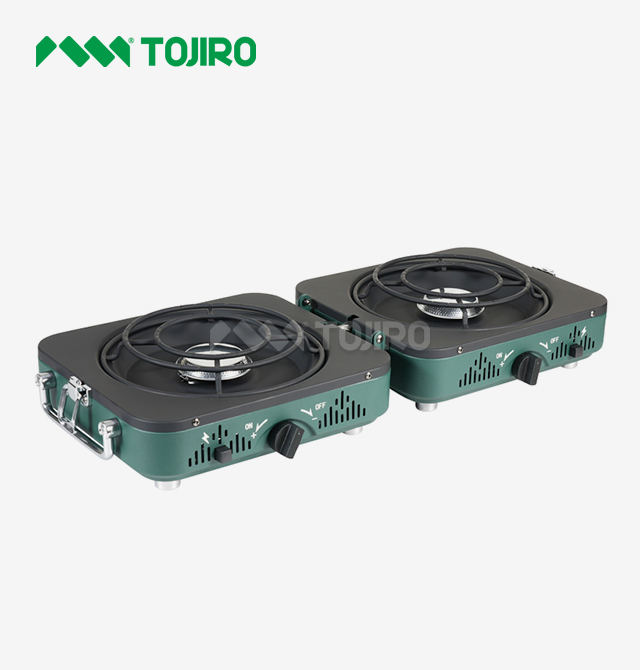
Piezoelectric ignition systems need to be checked on a regular basis to make sure the electrode gaps stay within the allowed range. Good units, like the TOJIRO Shell Stove TJR-BK39, have one-touch voltage start systems that make it easier to use, but they need clean electrical connections to work properly. Hose joints can be places where water leaks out, so they need to be checked regularly using approved methods for finding leaks.
Step-by-Step Cleaning Process for Propane Wok Stoves
Setting up regular cleaning schedules saves expensive tools and keeps safety standards high. This methodical technique takes care of each part completely without damaging precision parts.
Preparation and Safety Procedures
Cutting off the gas supply before doing any repair work keeps the fuel from leaking out by accident. By turning the control switches to the "off" position and taking out the gas tanks, there are no longer any sources of ignition. Allowing enough time to cool down keeps you from getting burnt when handling parts that were just used at cooking temperatures.
Getting the right tools together makes the cleaning process go more quickly. Soft-bristle brushes can get into flame holes without hurting the openings. Compressed air can get rid of dirt and dust in tight areas that are hard to clean by hand. Degreasing agents made for business cooking tools get rid of built-up oils without hurting metal or powder-coated surfaces.
Disassembly and Component Cleaning
By taking off the stove caps and grates of propane wok stove, you can get to the main cleaning areas. When you lift these parts off, you can see the hob base, which is where the grease gathers during cooking. Soaking parts that can be taken off in warm, clean water first breaks up any baked-on grime before you scrub. If you don't use rough cleaners, the powder covering that saves cold-rolled steel from corrosion will last longer.
When you clean flame ports, you need to be very careful because clogs make the burning patterns uneven. By using special port brushes to remove carbon layers, holes that control gas flow are not enlarged. Compressed air blown through holes on the bottom loosens particles that can't be removed by cleaning alone. Before putting it back together, make sure that each port has been cleaned completely by looking at it in good lighting.
The oil and water drip pan below collects spills that would otherwise stick to the mounting surfaces. Taking this tray out to wash it properly stops smells and fire risks from grease buildup. By looking at the tray for damage or twisting while it is being cleaned, parts that need to be replaced before they break down during service can be found.
Post-Cleaning Verification
When maintenance is done, putting parts back together properly ensures safe function. Making sure that the stove caps fit properly and the grates are level stops gas leaks and uneven warmth. Problems with the link can be found before they start by reconnecting the propane source and checking for leaks with a soapy water solution. When bubbles form at joints, it means there are leaks that need to be fixed right away.
When you test the light patterns after cleaning, you can be sure that the upkeep worked. When burners are working properly, they create steady blue flames with no yellow tips that show incomplete burning. When cleaning shows airflow problems that were hidden before, adjusting the air shutters improves the flame's features. Keeping track of cleaning times and notes helps with predictive maintenance planning, which stops problems from happening out of the blue.
Routine Maintenance Guide to Maximize Stove Performance
Scheduled preventative maintenance greatly increases the life of equipment and lowers the cost of repairs. Different repair schedules take into account the different rates of wear on different parts.
Daily and Weekly Tasks
Cleaning the surface after each use keeps grease from building up and making it harder to get off over time. Cleaning powder-coated surfaces while they are still a little warm gets rid of spills before they set in and become permanent stains. Visual checks show any weak connections, broken hoses, or strange wear patterns that need instant attention.
Deep cleaning once a week takes care of places that daily maintenance misses. Taking apart and washing burner parts breaks down built-up oils that won't come off easily. Checking the spark wires once a week makes sure that they work reliably during busy times. By checking the propane tank amounts, you can avoid running out of fuel during service rushes.
Monthly and Quarterly Activities
As part of the monthly repair of propane wok stove, high-temperature grease allowed for cooking equipment is used to grease the moving parts. When properly oiled, control valves work easily and allow exact flame adjustment for the duration of their useful life. By checking the state of the hose once a month, you can find cracks, wear, or other problems before they become leaks.
Burner units must be taken apart completely and cleaned thoroughly every three months as part of a deep cleaning process. This thorough care gets rid of buildups in places that regular cleaning can't reach. By replacing old parts every three months, you can keep your equipment from breaking down during busy times, when it's most expensive. Keeping OEM substitute parts on hand makes fixes go quickly and with as little downtime as possible.
Annual Professional Servicing
Petrol pressures are set to the manufacturer's specs by certified techs who do yearly inspections. This ensures the best performance and fuel economy. Comprehensive safety checks make sure that industrial cooking equipment is in line with local rules. Professional service paperwork meets the needs of insurance companies and shows that care was taken in case of responsibility.
Every year, when you get your car serviced, you can upgrade to better parts as makers release new designs. By working with authorised service providers, you can be sure of getting real parts and expert technical help. The TOJIRO one-year warranty covers production flaws during the important break-in time, which helps these maintenance plans work.
Safety Tips for Cleaning and Maintaining Your Propane Wok Stove
Safety rules keep people and equipment safe while repair work is being done. When working with propane, you need to take extra care because liquid petroleum gas has its own risks.
Gas Connection Management
By following the right steps to turn off gas sources, you can keep fuel from leaking during repair. When you fully close the cylinder valves and unhook the regulators, the pressure in the feed lines goes away. Opening the control valves after disconnecting them gets rid of any gas that is still inside before cleaning starts.
Using soapy water solutions to find leaks is a reliable and inexpensive way to check the health of a link. Commercial gas monitors add an extra layer of safety to enclosed areas where propane that has leaked builds up near the floor. By using only official substitute parts, you can be sure that the parts meet safety standards and that your guarantee is still valid.
Fire Prevention During Maintenance
Keeping dangerous cleaning products away from gas appliances keeps leftover vapours from being a source of ignition. Water-based degreasers clean well without putting people at risk of fire. Making sure there is enough air flow during and after cleaning gets rid of any gas that has built up before it can catch fire again.
Wearing heat-resistant gloves and safety glasses is one way to protect yourself from getting burnt or exposed to chemicals. Face guards add extra safety when using compressed air, which could throw objects at the user. Keeping work areas clear keeps people from tripping and falling while moving hot parts or cylinders under pressure.
Choosing the Right Propane Wok Stove and Accessories for Maintenance
The choice of material has a big effect on how much upkeep is needed and how much the whole project costs. Understanding the changes in building helps people who buy things choose equipment that meets the needs of the business.
Material Considerations for Durability
For compact cooking gear, propane wok stove, cold-rolled steel with a powder finish strikes a good mix between strength, weight, and resistance to corrosion. This building can handle the physical demands of rental businesses, moving guests, and storing things in institutions. Compared to painting finishes, the powder coating is more scratch-resistant, so it keeps its look over a longer period of time.
In places where there is a lot of wear and tear, stainless steel parts offer better rust protection when they have to be exposed to water. Burner parts made of stainless metals don't rust when cleaning agents and results of combustion come in contact with them. When buying something, looking at the material specs makes sure that the equipment will work in the places where it will be used.
Sourcing Compatible Replacement Parts
Authorised sellers sell OEM parts that are made to exact specs to make sure they fit and work right. Generic substitute parts often have differences in size that make them less effective or even dangerous. Agreements to buy in bulk from manufacturers save money and make sure that real parts are always available.
Keeping spare parts for parts that wear out quickly cuts down on downtime when repairs are needed. Standardising equipment types across fleets makes it easier to handle parts and train technicians. The business buying minimum order quantity of 1,000 units lets you negotiate better prices and customisation choices that lower lifecycle costs.
Warranty and Support Considerations
Full warranty protection keeps buying investments safe from flaws in the manufacturing process and early fails. The TOJIRO one-year guarantee shows that the company behind the product is confident in its quality and protects customers financially during the important initial service time. Knowing the terms of your warranty when it comes to repair standards will help you follow them and keep your coverage.
Access to technical support helps fix business problems and make repair procedures work better. Manufacturers who offer training materials help their employees learn how to take better care of their tools. Custom orders have a 45-day production cycle, which lets you plan inventory changes that cause the least amount of trouble while also adding design improvements or new specifications.
When you buy equipment that meets the ISO9001:2015 quality control standards, you can be sure that the manufacturing process will be regular and that the equipment will work well. Being able to get certification for different foreign markets makes compliance easier when doing business across countries. Equipment is kept safe during shipping to remote placement sites by packaging that can weather drop tests from one metre at eight angles.
Conclusion
Propane wok stove investments are protected by good cleaning and care procedures, which also guarantee safe and dependable operation in tough business settings. Paying regular attention to stove parts, ignition systems and gas lines keeps the quality of the cooking high so that customers are happy. Structured maintenance plans help procurement workers lower the total cost of ownership by making equipment last longer and reducing downtime. Choosing durable tools from reputable makers is the basis for maintenance plans that make things last longer. Building ties with authorised service providers and parts sellers completes the support system needed for long-term operations to go smoothly.
FAQ
1.How often should commercial propane wok stoves undergo maintenance?
Maintenance plans that work are based on cleaning surfaces every day and inspecting parts once a week. Deep cleaning once a month gets rid of built-up leftovers, and replacing worn-out parts every three months keeps them from breaking down when they're least expected. Professional servicing once a year by qualified experts makes sure that safety rules are always followed and that the performance is always calibrated at its best.
2.When does professional servicing become necessary?
Professional service is needed for complicated fixes that are too hard for the staff to do themselves or when the yearly safety checks are due. Calibration of gas pressure needs special tools that are only worth buying for big groups. For warranty coverage to stay valid, fixes must often be done by authorised service providers.
3.What cleaning agents work best without damaging equipment?
Degreasers made for industrial kitchen tools that are water-based get rid of grease well without damaging powder-coated finishes or metal parts. Aluminium and steel parts won't rust if you don't use acidic cleaners. Manufacturers often list acceptable cleaning products in the upkeep paperwork that comes with new equipment.
Partner with TOJIRO for Premium Propane Wok Stove Solutions
TOJIRO blends traditional Japanese craftsmanship with modern manufacturing ability to make outdoor cooking gear that goes above and beyond what businesses need. Our propane wok stove has a stable 2.3kW output thanks to its well-designed burner parts and long-lasting cold-rolled steel build. Since 2013, we've been following ISO9001:2015 quality standards, so buying workers can be sure that our products will be consistent and reliable. Customisation options allow for regional gas standards and marking needs, and orders of at least 1,000 units are supplied within 45 days of being placed. Email our team at [email protected] to talk about ways to buy in bulk, OEM relationships, and technical details that will help you make the best decision about how to buy outdoor cooking tools.
References
1. Chen, W. & Yamamoto, T. (2021). Commercial Outdoor Cooking Equipment: Maintenance Best Practices for Hospitality Operations. International Journal of Foodservice Technology, 15(3), 234-251.
2. Industrial Gas Appliance Manufacturers Association. (2022). Safety Standards for Portable Propane Cooking Equipment in Commercial Applications. IGAMA Technical Publication Series.
3. Liu, H. (2023). Material Science Applications in Outdoor Cooking Equipment Design. Journal of Consumer Product Engineering, 8(2), 112-128.
4. National Fire Protection Association. (2022). NFPA 58: Liquefied Petroleum Gas Code - Commercial Equipment Maintenance Requirements. NFPA Standards Council.
5. Robertson, K. & Martinez, J. (2020). Preventive Maintenance Strategies for Rental Equipment Fleets. Equipment Management Quarterly, 12(4), 45-62.
6. Zhang, Q., Anderson, P. & Schneider, M. (2023). Corrosion Resistance in Powder-Coated Steel: Applications for Outdoor Cooking Systems. Surface Engineering Research Journal, 29(1), 78-95.

USER EVALUATE
Here is the customer's evaluation of us
_1763606628283.webp)