


How to clean and maintain a dual burner butane stove safely
Keeping your dual burner butane stove clean and in good working order will protect your investment and make sure it always works and is safe. This food equipment needs to be cleaned and oiled regularly to keep carbon from building up, keep fuel from not working as well, and lower the risk of fire. Not doing upkeep on technology shortens its life and raises the cost of running it. Cleaning burners the right way keeps them working, saves fuel, and meets safety standards that are important for B2B activities. Structured repair routines make things more reliable and build trust with customers, whether you're in charge of rental fleets, hotels, or store shelves.

Understanding the Importance of Proper Cleaning and Maintenance
Maintenance is a must if you want to keep your business profitable and safe. If you take good care of your dual burner butane stove, it will give off more heat, waste less fuel, and work safely in tough situations. Poor maintenance can cause burner ports to get jammed, flame patterns to change, and gas leaks that put users in danger and hurt the brand's image.
When it comes to buying things, putting care first lowers the total cost of ownership by a large amount. When equipment works well, it needs to be replaced less often and guarantee claims are made less often. This method works especially well for rental companies because stoves that are well taken care of can be used over and over again without losing their effectiveness.
Buyers in the hotel and corporate sectors want equipment that meets safety standards and needs little downtime. This makes the supply chain more reliable and increases customer happiness. Industrial companies that run outdoor adventure programs or campgrounds have their own problems to solve. The equipment has to work effectively in all kinds of weather and be able to handle being moved and set up a lot. These operating risks can be reduced with regular maintenance, which also increases the life of appliances and ensures continuity.
Government and institutional buyers who have strict rules about what they can buy only buy equipment that has safety certifications and follows written maintenance protocols. Setting up regular care plans shows that you are following them and limits your responsibility. Butane stoves that are well taken care of also help a brand's image. Customers will be loyal to stores that sell well-maintained equipment because it works consistently. When their named goods show that they are durable and reliable, OEM and white-label partners get a competitive edge. Maintenance records are useful proof that you are following industry norms and government rules during reports and checks.
Step-by-Step Guide on How to Clean a Dual Burner Butane Stove Safely
To clean a dual burner butane stove safely, you need to follow safety rules and take good care of its parts. This walkthrough is for business settings where multiple units are cleaned on a frequent basis. By following these steps, you can keep safety standards and protect the functionality of the tools.
Preparation and Safety Protocols
Turn off the power source fully before starting any cleaning process. Take out the butane tank and let the stove cool down for at least 30 minutes after the last use. Work away from sources of fire in a well-ventilated place. Wear gloves to keep your skin from coming into contact with cleaning products and carbon residue. As a safety step, keep a fire extinguisher close by. Before you go any further, check the cooker for damage or old parts that you can see.
Disassembling Key Components
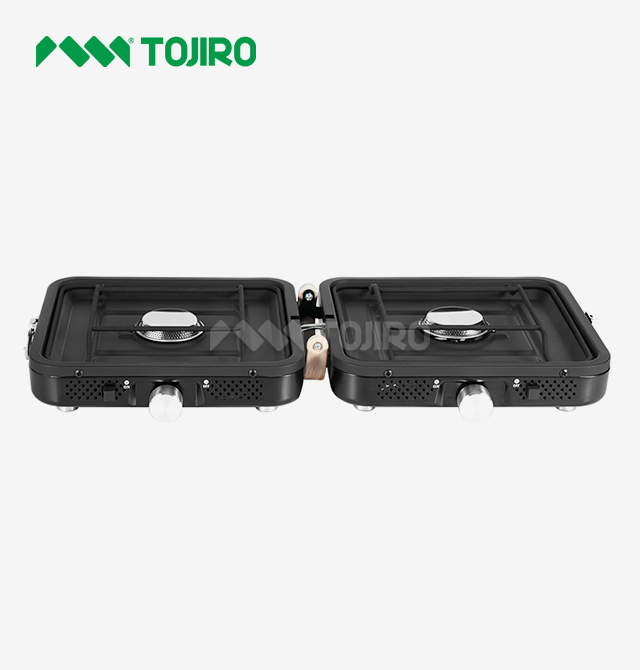
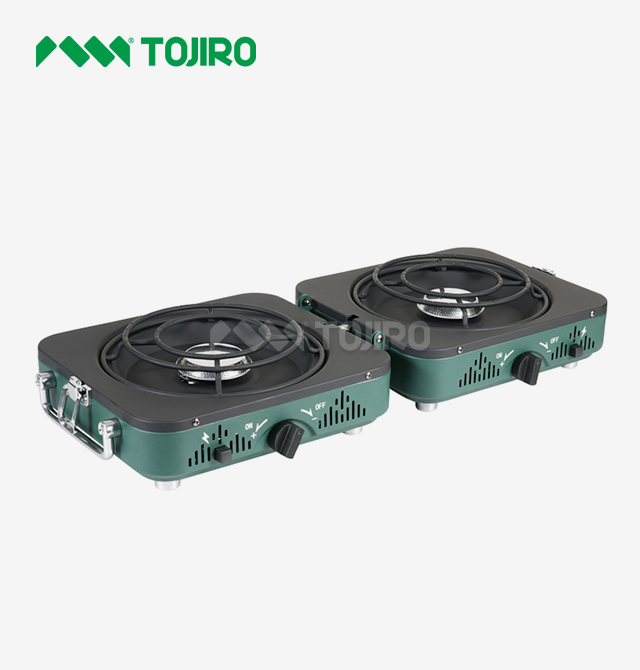
Carefully take off the burner covers and cooking grates. The TOJIRO TJR-BK39 has an oil and water spray tray that can be used at high temperatures and can be quickly lifted out for cleaning. Detach burner caps and check each component for grease buildup or debris. To make sure the right construction, take pictures while taking it apart. Put small pieces in a container so they don't get lost while they're being cleaned.
Cleaning Burners and Grates
Soak grates and burner components in warm water mixed with mild degreasing soap for 15 minutes. To get rid of carbon buildup and food leftovers, use a brush with soft bristles. Do not use rough materials on cold-rolled steel surfaces because they will scratch the protection layers. For tough buildup, mix baking soda and water to make a paste and apply it directly to the problem areas. Do not scrub too hard for 10 minutes after putting on the paste. Use a thin wire or needle to clean the burner ports and get rid of any clogs that are stopping gas flow. Hold components up to light to check all ports are clear. Rinse fully with clean water and dry totally using lint-free cloths. Moisture trapped in burner parts causes rust and operational breakdowns.
Cleaning the Stove Body and Drip Tray
Wipe down the stove body using a wet cloth with light detergent. Pay extra attention to control buttons, ignition systems, and fuel connection spots. The powder-coated finish on TOJIRO stoves doesn't rust, but it does need to be cleaned gently to keep its good looks. Thoroughly clean the drip tray to keep grease from building up and causing a fire. First, make sure that all the areas are totally dry.
Post-Cleaning Inspection and Testing
Carefully put the parts back together, making sure they are aligned correctly and that the connections are tight. Look for damage or wear on the covers and seals. Reconnect the butane tank and use soapy water to test for leaks at the connection places. Bubbles show gas leaks that need quick attention. Both burners should have their starting systems and flame patterns checked. The flames should always be the same height and colour. If the flames are yellow or orange, it means that the burning isn't full and needs more cleaning or professional service. These thorough cleaning steps keep equipment ready to use and make sure it meets safety standards before it is sent back out into the field. For guarantee protection and to keep track of compliance, purchasing managers and engineering teams should write down when things were cleaned and what they found during inspections.
Best Practices for Maintaining Dual Burner Butane Stoves for Longevity and Efficiency
Regular care practices increase the life of equipment and make it work more efficiently. Setting up organised inspection plans keeps small problems from getting worse and turning into expensive failures.
Establishing Routine Inspection Schedules
dual burner butane stove Burner state, fuel lines and ignition systems should be visually checked every week for commercial operations. As part of the monthly full checks, the parts should be taken apart for deep cleaning and inspection. Rental businesses with a lot of units may need repair rounds that happen more often. Write down what you found during the check so you can find trends and figure out when to replace parts.
Lubrication and Minor Repairs
To keep things running smoothly, apply food-grade oil every three months to the stems and springs of the control valves. Make sure the gaps between the starting wires are the right size, and clean the ceramic insulators. To stop gas leaks, replace old seals and O-rings before they get damaged. The TOJIRO TJR-BK39 has a pressure-regulating valve that keeps the gas flow stable. Check this part for damage or jams on a regular basis. Keep a supply of replacement parts on hand to keep machines from having to be shut down for fixes too long.
Fuel Quality and Storage Strategies
Using high-quality butane cylinders makes burning more efficient and keeps carbon from building up. Keep fuel tanks in cool, dry places that are out of direct sunlight and away from sources of heat. Check to see if the canister works with your stove type. For example, the TJR-BK39 can handle high-altitude gas canisters for use in Europe and propane canisters for use in the US. Change the fuel supplies so that the canisters don't break down and the performance stays the same.
Commercial Workspace Safety Protocols
Put stoves on stable, level areas that are away from things that can catch fire. Make sure that tight areas have enough air flow to keep carbon monoxide from building up. Teach your staff the right way to turn off the lights, place fuel canisters, and do an emergency stop. Put up clear directions for how to use the tools nearby to cut down on mistakes. Keep fire extinguishers close by and do safety drills on a daily basis. Following these best practices lowers the chance of accidents and keeps you in line with regulations, which is important for B2B business safety. These rules protect both the people who use the tools and the equipment itself.
Comparing Maintenance Needs: Dual Burner Butane Stove vs. Other Stove Types
Knowing the differences in maintenance needs between stove types helps procurement professionals choose suppliers that meet the needs of the building and the working capabilities.
Butane vs. Propane Systems
Butane stoves usually don't need as much upkeep on their fuel systems as propane units do. Butane burns more cleanly, so it leaves behind less carbon that blocks burner ports. On the other hand, gas systems work better when it's cold outside. The way to clean stays the same, but links for propane need different parts and seals that need to be checked regularly. Different types of petrol have different rules about how to store fuel, which affects how facilities are planned and how well they meet the rules.
Dual Burner vs. Single Burner Complexity
When there are two burners, there is twice as much cleaning to do and twice as much checking of parts to do. During repair rounds, each burner assembly needs to be looked at separately. Control systems that handle two burners make debugging more difficult. Dual hob units, on the other hand, offer operational redundancy—if one hob breaks, the second one will still work, which cuts down on downtime in business settings. The extra money spent on maintenance gives the business more operating freedom, which is useful for high-volume uses.
Electric vs. Butane Models
Electric stoves are easier to clean because they don't need as many parts to be taken apart. They also make dealing fuel easier. Electric types, on the other hand, can't be moved around and need a stable power grid. Butane stoves like dual burner butane stove can be used anywhere, which is important for outdoor businesses, hire services, and sites that are far away. The TOJIRO TJR-BK39 is about 2.5 kg when fully built, which makes it easier to move around than electric options. When cleaning a butane stove, you have to pay extra attention to the fuel lines and combustion parts that aren't present in electric stoves. However, the operating freedom makes the extra work worth it. When balancing repair skills against practical needs, this comparative study helps people make smart choices. Professionals in procurement should look at these things along with cost and the supplier's skills.
Choosing the Right Dual Burner Butane Stove for Your Business Needs
When choosing the right cooking tools, you need to look at design features that make upkeep easier while also making sure that safety and performance standards are met for business use.
Design Features That Simplify Maintenance
Look for models with burner parts that can be taken off and drip trays that can be cleaned thoroughly without the need for special tools. The TOJIRO TJR-BK39 has an easy-to-remove oil-and-water spray tray and a one-piece starting system that make upkeep easier. Cold-rolled steel construction with a powder finish lasts longer and resists rust better than painted or bare metal options. When folded, these small designs (245x210x59mm) take up less room and cover the parts while they're being transported.
Safety Mechanisms and Compliance Certifications
Pressure-regulating valves keep dangerous gases from building up and make sure the flame output stays the same even when the air conditions change. Check that the equipment meets the necessary safety standards. For example, the TJR-BK39 meets the requirements of GB/T38522-2020. Voltage igniting methods get rid of the risks that come with using matches to light a fire. Stoves made for certain markets come with fuel canisters that work with those markets, like European high-altitude canisters or US propane standards.
Evaluating Brand Reputation and Product Support
TOJIRO combines the accuracy of traditional Japanese artistry with the speed and efficiency of modern industrial production. This mix gives you the dependability you need for business activities. The company backs up its purchases with a one-year guarantee that covers problems with the way the product was made. TOJIRO can quickly handle large orders and special requests because they use ISO-standard quality control and 45-day production processes. Coleman has a big foothold in many markets and makes parts easy to find in many places. Campingaz has strong delivery networks across Europe. When choosing a provider, you should look at their warranty terms, how easy it is to get expert help, and how many replacement parts they have on hand. OEM and white-label partners should make sure that the MOQ is flexible. TOJIRO can handle sales starting at 1000 units and can customise them for different markets.
Procurement Considerations for B2B Buyers
Compare the original purchase price to the total owning costs, which include repairs, gas mileage, and replacement cycles. Before placing a big order, ask for samples of the product to try out for yourself. Make sure the packing meets the standards for shipping durability. TOJIRO packaging can survive drop tests from 1 metre height at 8 different angles. Check the number of cartons (4 units per box for TJR-BK39) against the warehouse's ability to receive them and its inventory control systems. When choosing suppliers, think about their system for after-sales help. TOJIRO gives expert advice and upkeep instructions, which makes it easier for staff to learn. Suppliers who offer marketing materials and product paperwork that improve the customer experience and lower return rates are good for retailers and e-commerce platforms.
Conclusion
When you clean and maintain dual burner butane stoves the right way, you protect your business's investments and make sure they work safely and reliably. Structured repair procedures lower the total cost of ownership, make equipment last longer, and make customers happier in renting, leisure, and educational settings. The TOJIRO TJR-BK39 is an example of a well-designed product that balances performance with ease of upkeep. It provides procurement workers with a reliable option that is backed by good craftsmanship and quick support. Putting equipment care first gives you a competitive edge by ensuring uniform performance and reducing downtime, whether you're in charge of store inventory, rental fleets, or building operations.
FAQ
1.How frequently should commercial dual burner butane stoves undergo deep cleaning?
For high-volume operations, deep cleaning processes should happen once a week. For moderate-use settings, intervals can be pushed back to once a month. Equipment should be cleaned every time a customer returns it to a rental company. If you see visible carbon buildup or changes in the flame pattern, you need to clean it right away, no matter how often you're supposed to.
2.What cleaning agents protect equipment longevity without compromising performance?
Use mild cleansers made for cleaning food service tools. Do not use harsh chemicals that remove protection layers or leave behind residues that make it harder to burn. A paste made of baking soda and water works well to get rid of tough deposits without scratching surfaces. After cleaning, always rinse well and dry fully.
3.Can improper maintenance void manufacturer warranties?
Yes, makers usually want you to follow their upkeep instructions. Keep track of all the cleaning and checking you do to show that you took good care of things. Using new parts that aren't authorised or cleaning methods that aren't right could void the guarantee. Carefully read the warranty terms, and if you need more information, call the seller.
Contact TOJIRO for Reliable Dual Burner Butane Stove Solutions
TOJIRO is ready to help sourcing professionals who need reliable cooking equipment backed by expert work and quick service. Our TJR-BK39 type is perfect for business uses because it is portable, durable, and easy to maintain. We are a reliable company that makes dual burner butane stoves. We can customise them according to your needs, offer low prices for large orders, and have 45-day production rounds that keep your supply chain running smoothly. Our quality meets international ISO standards, and we back up your investment with a one-year guarantee. You can email our team at [email protected] to talk about your unique needs, ask for product samples, or look into white-label options. You can find more information and technology tools at qstojiro.com. Whether you need to buy a dual burner butane stove for retail distribution, to add to your rental fleet or for an institution, our experienced team can help you through the whole process.
References
1. Anderson, M. (2021). Commercial Cooking Equipment Maintenance: Best Practices for Procurement Managers. Industrial Kitchen Press.
2. Chen, L. & Roberts, K. (2022). "Safety Standards for Portable Gas Cooking Appliances in Commercial Applications." Journal of Food Service Equipment Technology, 18(3), 145-162.
3. International Organization for Standardization. (2020). ISO 9001:2015 Quality Management Systems for Outdoor Equipment Manufacturing. Geneva: ISO Publications.
4. Martinez, R. (2023). Butane vs. Propane: Fuel Selection Guide for Outdoor Hospitality Operations. Hospitality Equipment Review.
5. National Fire Protection Association. (2022). NFPA 58: Liquefied Petroleum Gas Code - Commercial Kitchen Applications. Quincy, MA: NFPA Press.
6. Thompson, J. (2023). "Total Cost of Ownership Analysis for Commercial Cooking Equipment." Procurement Today Magazine, 34(2), 78-91.

USER EVALUATE
Here is the customer's evaluation of us