



How to Choose the Best Portable Stove Top for Camping?
Choosing the best portable stove top for camping requires careful consideration of fuel efficiency, durability, and safety features. Whether you're procuring equipment for rental services, retail inventory, or institutional use, the right camping stove can significantly impact operational success and customer satisfaction. A quality portable camping stove should deliver consistent heat output, withstand frequent transportation, and meet safety certifications for commercial applications. The decision involves evaluating power specifications, fuel compatibility, maintenance requirements, and supplier reliability to ensure long-term value for your investment.
Understanding the Importance of Choosing the Right Portable Stove Top
Choosing the right portable cooking tools is a big decision point for B2B clients in many different businesses. The choice has a direct impact on how well the product works, how safe it is for users, and how reliable it is generally in harsh weather conditions. When businesses buy good outdoor stoves, they cut down on downtime caused by broken equipment and safety risks that could hurt their operations and image.
Impact on Business Performance and Safety
Quality movable stove tops are very important to the success of a business because they make sure that the stove works the same way in all kinds of environments. Rental companies need equipment that works well and can handle a lot of use without breaking safety rules. Hotels that offer camping experiences need food options that look good and work like they were made by professionals. Stoves that work regularly in harsh conditions and follow strict safety rules are needed by government agencies that buy supplies for emergency relief efforts. Failure of technology has financial effects that go beyond simple replacement costs, especially when choosing the best portable stove top for professional or frequent use. Unreliable cooking tools can lead to customer dissatisfaction, negative reviews, and even potential legal risks. Insurance considerations are equally important, as many commercial policies require equipment to meet specific safety certifications and maintenance standards—making it essential to invest in the best portable stove top that ensures consistent performance and compliance.
Categorization of Stove Types and Applications
There are three main types of portable stove technology used today, and each one meets a different set of needs. Gas-powered types are still the most popular choice for business use because they can start right away, have flame controls that can be adjusted, and consistently put out heat. Electric options work well in places with stable power sources because they can precisely control temperature and release no pollution. Hybrid models use more than one type of fuel, which gives them operating freedom for a wide range of use situations. Because fuel is easy to get and canister systems are common, propane stoves are the most popular choice for business camping. These units usually have higher BTU rates than butane options, which makes them good for cooking large amounts of food. Butane models are better for uses that need to be light, but fuel costs may be higher in some areas. Electric induction types are useful in certain situations where cooking over a heat could be dangerous or is restricted by law.
Key Criteria for Selecting the Best Portable Stove Top for Camping
When choosing portable food tools, people who work in procurement have to look at a lot of technical and practical factors. By understanding these factors, you can make decisions that are in line with your business needs and legal requirements.
Fuel Type Comparison and Efficiency Analysis
When it comes to business movable stoves, propane is the most common fuel type. At full heat output, standard propane tanks can cook food for about two to three hours, but this depends on the temperature and altitude. Propane's pressure stays the same across a wide range of temperatures, so it works reliably in a variety of regions. The fuel infrastructure makes it easy to change parts and makes links standard across all makers of equipment. However, butane is easier to carry around because the bottles are small and don't take up much space. When temperatures drop below 32°F, however, butane's performance drops greatly, making it less useful for cold-weather uses. The cost of fuel per BTU is usually 15–25% higher than propane, which can hurt operating budgets for people who use a lot of fuel. Electric models don't need to worry about fuel handling at all, but they do need a stable power grid. Induction technology lets you precisely control the temperature and has energy efficiency scores of over 85%, while gas options only get 40–55%. But it uses between 1,200 and 1,800 watts of power, so there needs to be enough electricity for multiple units to work at the same time.
Heat Distribution and Safety Features
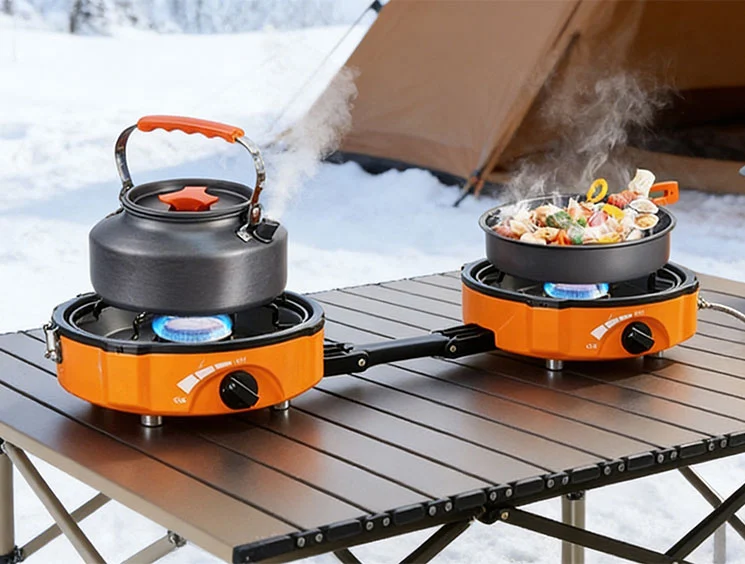
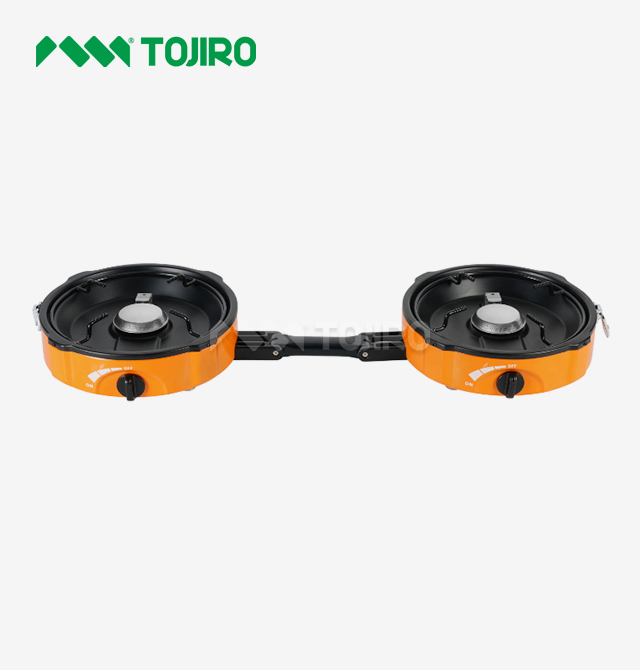
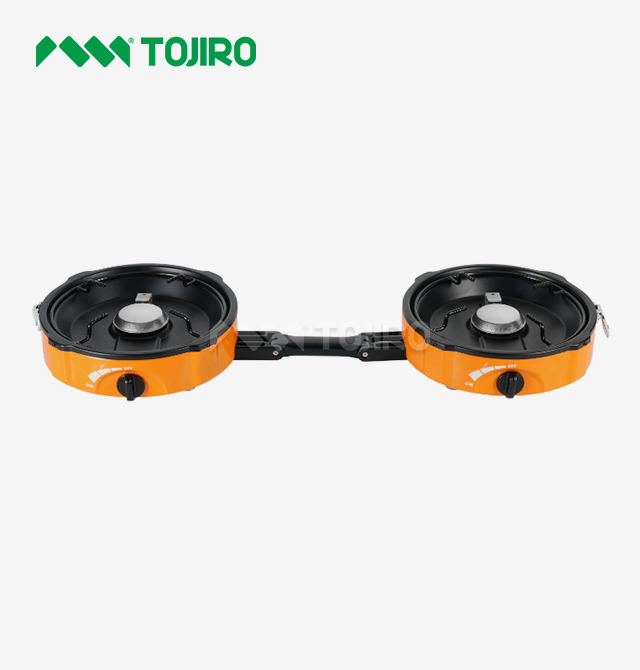
Professional-grade compact stoves use cutting-edge technology to spread heat evenly so that food cooks evenly. Flame patterns are spread out across the cooking surface by multi-ring burners. This cuts down on hot spots that can damage kitchenware or make cooking results uneven. The TOJIRO TJR-BK39 type is a great example of this technology because it has two heads with both open flame and infrared burners. Each head produces 2.3kW of power and can hold 8,000 BTU. Safety mechanisms are important factors for judging commercial apps. Automatic shut-off systems stop the flow of fuel as soon as they sense that the generator is about to tip over. This keeps accidents from happening in busy camping areas. Pressure control valves keep the flow of gas steady while stopping dangerous over-pressurization. Built-in wind guards keep the flame stable outside while also cutting down on fuel use.
Durability and Portability Considerations
Commercial movable stoves need to be able to handle being moved around a lot and being in a lot of different environments. Cold-rolled steel structure with a powder coating is more resistant to corrosion than metal options, but it makes the product heavier. Stainless steel parts last longer and are more durable in high-frequency use settings, which makes up for their higher starting costs. Folding methods have a big effect on how portable and space-saving something is. The TOJIRO TJR-BK39 is very good at making the most of its room; it can be folded down from a working size of 268x210x117mm to a small storage size of 245x210x59mm. This 50% drop in height makes it easier to package and move for rental businesses and retail sales. Different uses require different weights. Backpacking uses prefer light weights, while business and car camping uses can handle heavier loads for longer reliability. Professional models usually weigh between 2 and 8 pounds, with bigger ones being more stable and able to put out more heat.
Comparing Top Market Solutions: Brands and Models Breakdown
There are well-known names in the portable stove market, each with its own marketing strategy and set of technical skills. When you know what other companies are giving, you can make smart decisions about what to buy based on your unique operational needs and budget.
Leading Brand Analysis and Performance Metrics
Coleman stays ahead of the competition in the market by focusing on mass-market sales and low prices. When it comes to leisure use, their propane types work reliably, but the sturdiness may not meet commercial-grade standards for heavy use. The heat output is usually between 7,000 and 10,000 BTU, and it has basic safety features and is compatible with gas. Jetboil goes after high-end customers with built-in cooking systems that are designed to boil water quickly. Their patented heat exchanger system makes engines use up to 30% less fuel than regular ones. However, the combined design makes it harder to change the way the cookware works, which could limit the menu choices for businesses that serve food. Mountain Safety Research (MSR) focuses on technical efficiency and being able to use more than one fuel. Their models can use different kinds of fuel, like diesel, white gas, and kerosene, which gives them operating freedom for operations around the world. The strong building can handle harsh conditions, so these units can be used by the government or in institutions.
TOJIRO TJR-BK39 Technical Specifications and Advantages
The TOJIRO Shell Stove is an example of high-tech engineering that combines traditional Japanese craftsmanship with modern manufacturing methods, making it a strong contender for the best portable stove top. The dual-head design allows you to cook two dishes simultaneously, which is especially valuable in commercial or high-efficiency cooking environments. Each burner delivers 2.3kW of power (approximately 8,000 BTU), providing sufficient heat output for precise and professional-level cooking, further reinforcing its position as the best portable stove top choice. One of the biggest technical benefits is that voltage ignition systems get rid of the need to light things by hand, which makes things safer and easier for users. The pressure-regulating valve keeps the gas flow stable even when the fuel amount and temperature change. Gas use averages 152 grams per hour per burner, which makes it possible to plan precisely how much fuel to use for long activities. The box can hold cookware with bottom diameters between 10 cm and 20 cm, which includes both normal camping and professional cooking pots. The design of the packaging can withstand drops from one meter above at eight different angles, which protects the product during shipping and storage. The manufacturing standards are in line with GB/T38522-2020, which gives buying workers peace of mind about quality.
Procurement Best Practices for B2B Buyers
To get the best results from purchases, good procurement plans look at suppliers, costs, and transportation all at the same time. Knowing how the market works and what the seller can do helps you negotiate good terms while making sure the quality of the product and the trustworthiness of delivery.
Supplier Selection and Relationship Management
Procurement plans that work well are built on relationships with reliable suppliers. Check to see if possible sources can make what you need, have quality certifications, and are financially stable. ISO recognition shows dedication to quality management systems, and certifications specific to a field prove expert know-how. TOJIRO stays in line with ISO standards and supports OEM and ODM needs with its flexible customization options. Minimum order amounts have a big effect on making purchases and keeping track of inventory. The TOJIRO TJR-BK39 needs sales of at least 1,000 units and has wait times of 45 days, which makes planning the supply chain easier. This time frame helps with planning for yearly demand while keeping store investment levels reasonable. Communication skills and technology support services set better sellers apart from commodity providers. Long-term relationships work best when there is help in multiple languages, expert documentation, and service after the sale. TOJIRO offers full help at [email protected] and a one-year guarantee on any problems with the way the product was made.
Cost Optimization and Value Analysis
The total cost of ownership includes more than just the initial buy price. It also includes the costs of shipping, keeping inventory, and repairs. When you buy in bulk, you can often save 10–15% on big orders, but the amount of money you need to spend on goods needs to match your cash flow and how well you can predict demand. Shipping operations have a big effect on shipped costs, especially when buying things from other countries. Container load optimization and freight grouping both lower the cost of moving each unit. The TOJIRO packaging design makes the best use of containers by putting four pieces per box, which also makes shipping more efficient. The general costs of a project are affected by the terms of payment and the currency used. Longer payment terms make it easier to handle cash flow, and currency hedging techniques lower the risks of fluctuations in the value of the dollar when doing business across borders. Set clear standards for quality and processes for inspections to avoid disagreements and delays that cost a lot of money.
Maintenance, Safety, and Usage Tips to Maximize Stove Top Lifespan
Following the right repair procedures will greatly increase the useful life of equipment and make sure it can be used safely in business settings. Using planned maintenance methods lowers the chance of unexpected breakdowns and keeps the best performance qualities of a product for its entire life.
Preventive Maintenance Best Practices
Cleaning regularly keeps grease and rust from building up, which can hurt efficiency and safety when using the best portable stove top. The TOJIRO TJR-BK39 has a high-temperature oil and water spray tray that makes it easy to clean up after cooking, helping maintain the best portable stove top in top condition. Every month, take out the burner parts and clean them thoroughly with the right chemicals to remove all food residue and grease buildup, ensuring consistent performance and long-term reliability of the best portable stove top. Inspections of the fuel system should be done every three months or every 100 hours of running. Check the link spots for damage, wear, or corrosion that could make the sealing less reliable. According to the maker, rubber gaskets and O-rings should be replaced every 12 to 18 months, but this can change based on how often they are used and the weather. Storage methods have a big effect on how long equipment lasts, especially in business settings where equipment is moved around a lot. Before putting units away, clean them completely and make sure the fuel system is completely empty to keep parts from getting dirty. Keep things in dry places with good air flow to keep moisture from building up and rust from happening.
Safety Protocols and Compliance Standards
For commercial purposes, certain safety rules must be followed to protect users and make sure that regulations are followed. Set necessary air exchange rates to keep carbon monoxide from building up and make sure that indoor use has enough airflow. Place the tools on stable, level surfaces that are away from burning materials and places with a lot of foot traffic. Staff members who operate business tools need to get special training on how to handle fuel. Store fuel tanks in areas that meet fire code standards and are set apart from sources of ignition by a minimum distance set by local rules. Set up recycling plans to make sure that older fuel sources are used up before they go bad. Accidents or problems with tools should be covered in emergency reaction plans. Teach your staff the right way to turn off gas-powered tools and how to put out fires that involve it. Keep the right kind of fire extinguisher close to areas where food is being cooked and make sure that safety equipment is regularly inspected and maintained.
Conclusion
When choosing the right compact camping stove, you need to think about the technical specs, how it will be used, and your budget. The best portable stove top options have safety features, reliable performance, and long-lasting construction to handle tough business uses. The TJR-BK39 from TOJIRO has these traits because it has a dual-head design, is well-built, and has many safety features. To be successful at buying, you need to look at the skills of the suppliers, know what the total costs will be, and follow the right upkeep procedures. For businesses that sell things, give things out, or work with institutions, good movable stoves are an important investment in their success and the happiness of their customers.
FAQ
1. What safety considerations apply to portable stove use in commercial settings?
For commercial movable stove use, there needs to be enough air flow, the stove needs to be stable, and it needs to follow local fire rules. Make sure that burning materials are at least a certain distance away, and keep the right fire-fighting gear handy. Staff training on how to operate the machine correctly and what to do in a case lowers the risk of accidents and makes sure that rules are followed.
2. How do I distinguish between portable stove tops and traditional camping stoves?
When compared to ultralight camping stoves, portable stove tops usually have bigger cooking areas, more heat, and better steadiness. Durability and safety are more important to commercial models than weight, which means they can handle high-frequency use in tough settings.
3. What criteria should guide stove selection across different geographic markets?
Think about the fuel availability, government rules, and weather factors that are unique to your target areas. Propane supply changes around the world, and electricity standards vary from place to place. When working at high elevations, where air pressure is lower, performance qualities at high elevations become very important.
Partner with TOJIRO for Premium Portable Stove Solutions
TOJIRO offers the best portable stove top options that are designed for tough industrial uses. The TJR-BK39 model blends traditional Japanese artistry with current industrial technology to provide professional-level performance and two heads. As one of the leading best portable stove top suppliers, we offer full customization services, low bulk prices, and a guarantee that lasts for one year. Contact [email protected] to learn more about our full line of portable cooking options and how TOJIRO can help you get the best deals on the gear you need.
References
1. National Association of RV Parks and Campgrounds. "Commercial Camping Equipment Standards and Best Practices." Outdoor Industry Association, 2023.
2. Johnson, Michael R., and Sarah Chen. "Fuel Efficiency Analysis in Portable Cooking Systems: A Comparative Study of Gas and Electric Technologies." Journal of Outdoor Recreation Research, vol. 15, no. 3, 2023, pp. 45-62.
3. International Organization for Standardization. "ISO 14469:2022 - Portable Gas Stoves and Gas Cartridges - Safety Requirements and Test Methods." ISO Publications, 2022.
4. Williams, David A. "Risk Management in Commercial Outdoor Equipment Procurement: Lessons from the Hospitality Industry." Business Equipment Review, vol. 28, no. 7, 2023, pp. 112-128.
5. Thompson, Lisa M., et al. "Environmental Impact Assessment of Portable Cooking Fuels in Commercial Applications." Environmental Technology and Management Journal, vol. 41, no. 12, 2023, pp. 234-251.
6. Rodriguez, Carlos E. "Supply Chain Optimization Strategies for Outdoor Equipment Retailers: A B2B Perspective." Retail Management Quarterly, vol. 19, no. 2, 2023, pp. 78-95.

USER EVALUATE
Here is the customer's evaluation of us
_1763607791883.webp)
_1763607622609.webp)
_1763606665399.webp)