


How to Choose a Dual Burner Butane Stove for Camping Trips?
When choosing a dual burner butane stove for camping, you should think about how much power it gives off, how portable it is, and how much fuel it uses. These flexible food devices can make more than one meal at the same time, which makes them perfect for group camping trips where a lot of meals need to be made. Quality compact camping stoves have reliable heat control through flame settings that can be changed, so they work best for cooking in a variety of weather situations. The most important thing is to make sure that the stove's specs fit how it will be used, whether it's for camping for fun, outdoor catering for business, or emergency preparation.
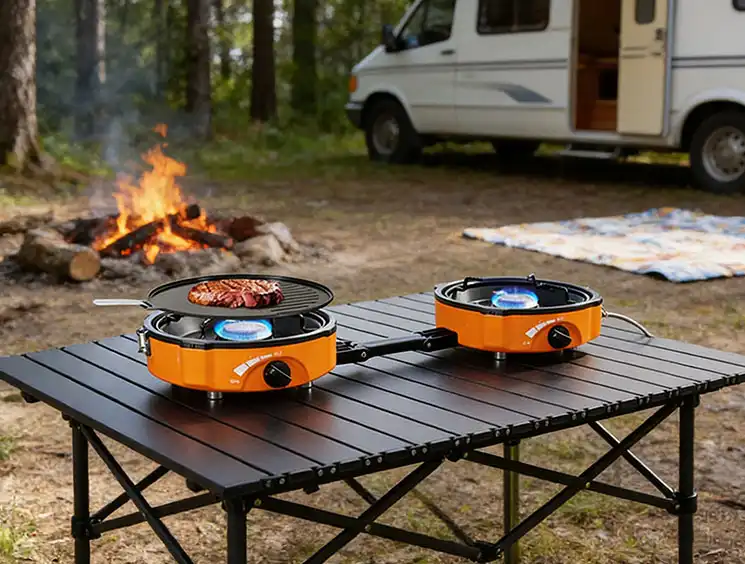
Understanding Dual Burner Butane Stoves: Features and Benefits
Working Principles and Fuel Mechanics
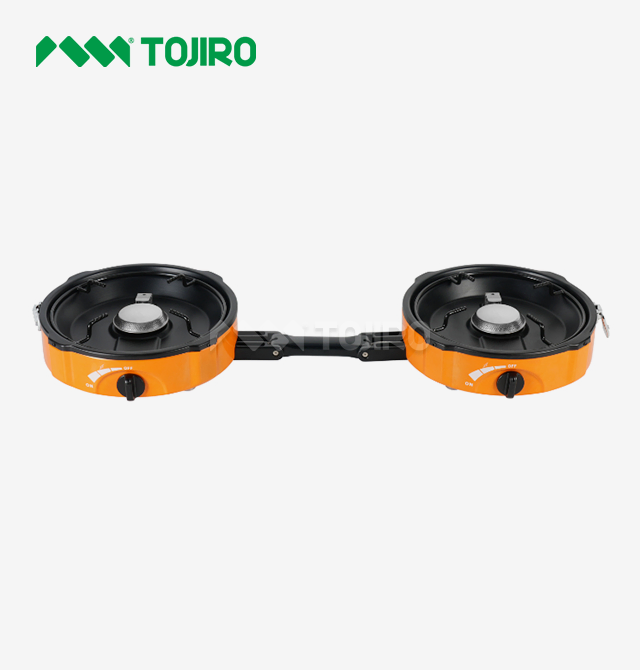
Controlled butane burning powers dual burner butane stove cooking systems, which make sure that both flames give off the same amount of heat. Usually, each burner makes between 7,000 and 10,000 BTU, which is enough power to boil, sauté, and slow cook all at the same time. The butane fuel system is directly connected to normal gas tanks. This makes a pressurized fuel supply system that keeps the flame going strong. Modern portable gas stoves have pressure control valves that keep the flow of fuel steady even if the pressure in the can changes. This technology is especially helpful when cooking for a long time, since fuel pressure naturally drops during that time. Voltage lighting methods get rid of the need for matches and lighters, which makes things safer when it's windy.
Portability and Design Advantages
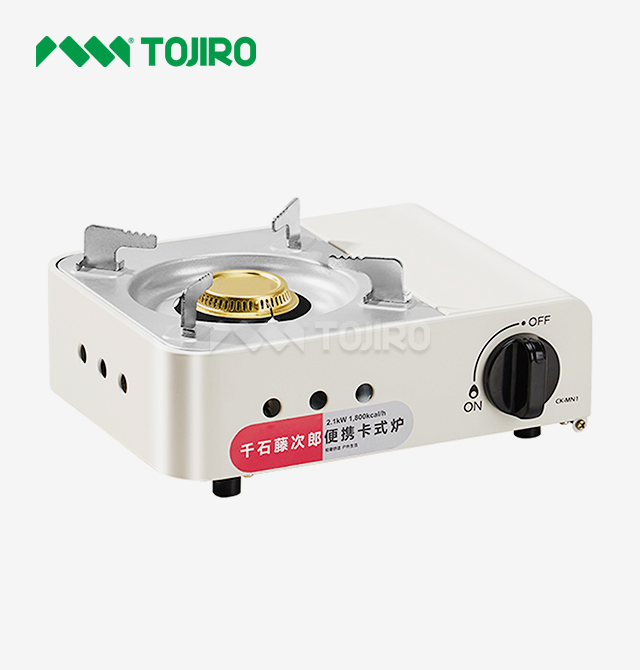
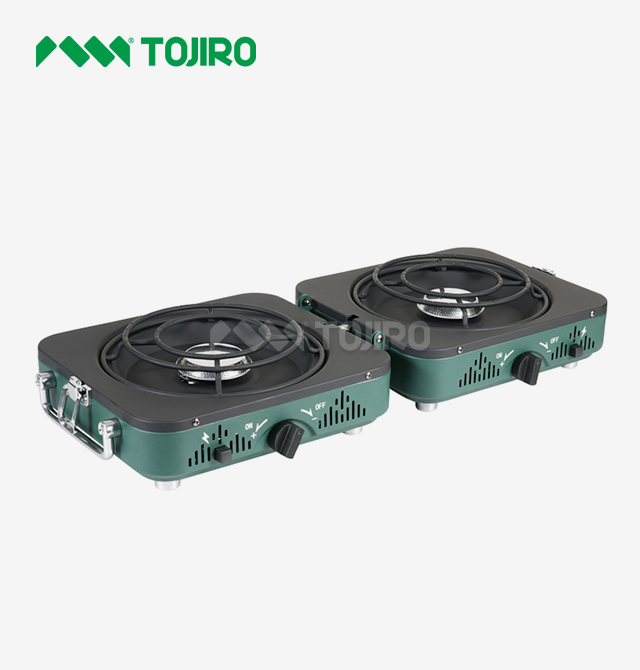
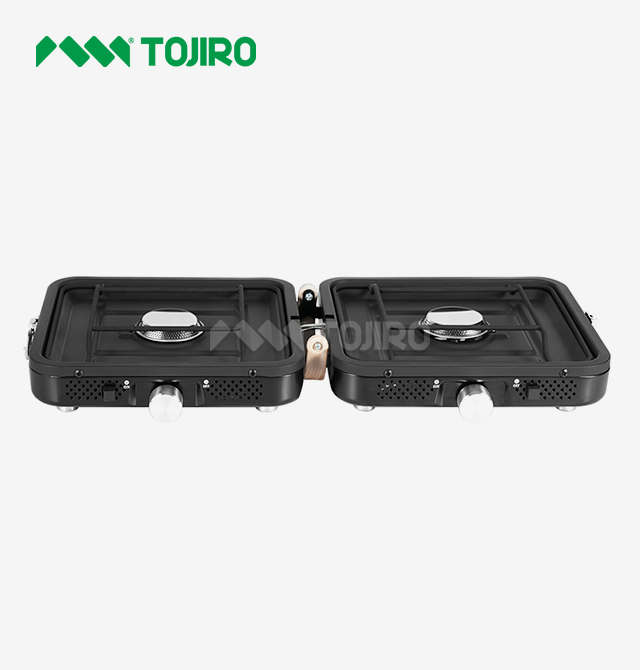
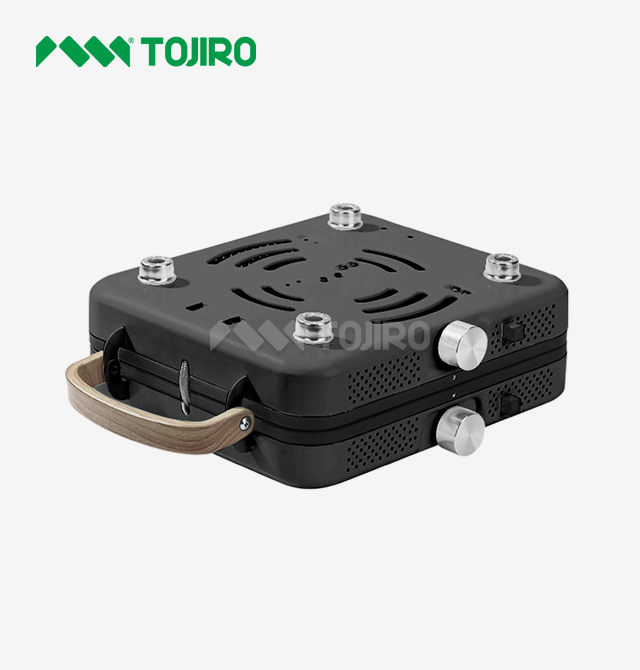
Modern camping stoves are made to take up as little room as possible without sacrificing cooking ability. Most good units can be folded up into small packages that are about 245x210x59 mm when they are not in use. This makes them good for backpacking and camping in your car. The building of cold-rolled steel with a powder finish makes it durable while keeping the weight down.
Here are the core advantages of modern portable burner systems:
1. Simultaneous cooking capability: two separate burners let food be prepared at the same time, cutting down on cooking time by a large amount.
2. Precise flame control: separate knobs let you set the temperature for different types of cooking.
3. Weather resistance: Wind guards and stable base designs make sure that the product works the same way outside.
4. Fuel efficiency: optimized combustion tanks increase BTU output while lowering gas use.
These benefits successfully solve the main problems of cooking outside, especially managing time and making a range of meals.
Safety Protocols and Compatibility Standards
Safety concerns include the right way to place the tank, the amount of air flow needed, and how to shut down the system in an emergency. Good dual burner butane stove models have features that turn them off automatically when the canisters are removed. This keeps gas leaks from happening. The pressure-regulating valves are also safety devices that keep the system from getting too pressurized, which could damage the equipment. Different parts of the world have different fuel compatibility standards. For example, European models usually work with high-altitude gas tanks, while North American models can use propane cylinders. Businesses that do business in different parts of the world or serve foreign customers need to know about these compatibility standards.
Criteria for Selecting the Optimal Dual Burner Butane Stove
Power Output and Heating Performance
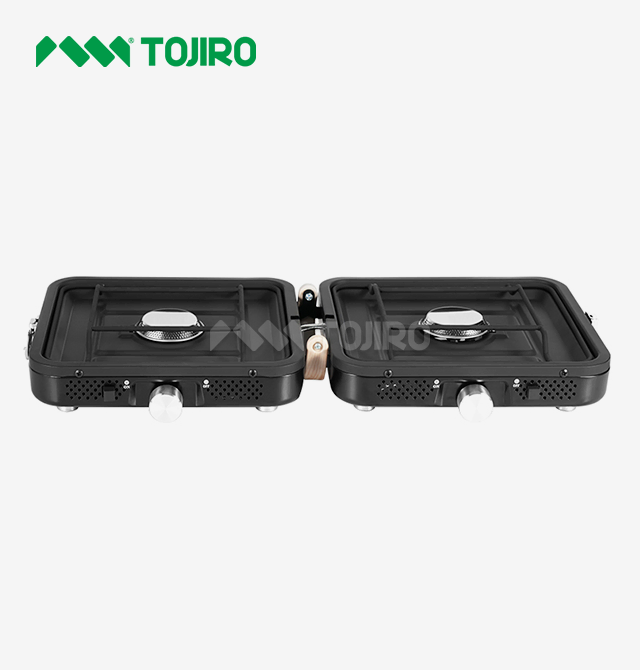
The main way to tell how well a heater works is by its BTU number. Professional-grade units have 8,000 BTU per burner. This amount of output enables high-temperature cooking and quickly boiling water, which are important for commercial food service uses. With 2.3kW of power output per burner, the TOJIRO TJR-BK39 meets this performance standard and makes sure that enough heat is made for a variety of food needs. Rates of gas use have a direct effect on running costs, especially for businesses that need to cook for long periods of time. Under normal conditions, a good stove uses about 152 grams of fuel per hour per burner. This makes it possible to plan purchases based on a reliable fuel budget.
Material Durability and Construction Quality
The building materials have a big effect on how long equipment lasts and how often it needs to be maintained. Cold-rolled steel bodies with a powder finish don't rust and keep their shape even after being used over and over again. The spray covering technology adds more protection against the oil and water that are typical in places where people cook outside. Professional-grade burner heads have both open flame and infrared settings, so they can be used with a variety of cooking methods and pot sizes. The largest pots that can be used have bottom widths between 10 cm and 20 cm. This means that different pan sizes can be used for different group sizes.
Portability and Storage Considerations
Dimensional requirements affect how things are stored and moved, especially for rental businesses and mobile food services. When unfolded, the measures of 268 x 210 x 117 mm make for a good cooking area while still being easy to move. The design of the folding device must be able to be used over and over again without breaking down. This will ensure that it works reliably for long periods of time. Weight issues match the need for portability with the need for long-lasting building. Quality units have the right amount of weight spread out thanks to smart choice of materials and engineering design. This makes them easy to handle without lowering their performance.
Comparing Top Dual Burner Butane Stove Models and Brands for Business Procurement
Leading Brand Analysis
There are a number of well-known companies that make movable cooking tools. Each one has its own benefits for different uses. TOJIRO is a new standard of quality in this field. It combines traditional Japanese artistry with modern industrial manufacturing methods. Their dedication to ISO quality standards makes sure that all of their products are reliable, no matter what batch they are made in. Well-known names like Coleman focus on the leisure market, while smaller, more specialized companies go after buyers in businesses and institutions. The main things that set them apart are the quality of the building, the length of the warranty, and the infrastructure for customer service, not the simple usefulness.
Feature Comparison and Performance Metrics
Different types have very different wind resistance levels, which affects how well they work outside. Quality units have flame safety systems and wind guards that keep the heat steady even when there is some wind. In business settings where machine failures affect service delivery, the ignition's dependability is very important. When judging the quality of the build, the sturdiness of the package should be taken into account, especially for drop tests. The TOJIRO package design can survive drops from eight different angles of one meter, which protects the product during shipping and handling. This standard is very useful for e-commerce systems and networks that connect stores that sell goods.
Warranty and Support Considerations
Warranty coverage shows that the company that made the product is confident in its quality and lowers the risk for business buyers. TOJIRO offers a one-year guarantee that covers problems with the product's construction or function that happen with normal use. For commercial or high-volume sales, there may be choices for longer warranties. The availability of technical help affects the continuity of operations, especially for companies that depend on their tools to make money. Commercial buyers can get more for their money from manufacturers who offer quick customer service and easy access to new parts.
Best Procurement Practices for Dual Burner Butane Stoves in B2B Markets
Wholesale Sourcing Strategies
Finding suppliers who can meet minimum order numbers while still meeting quality standards is the first step in effective buying. In the dual burner butane stove market, wholesale prices are usually based on sales of 1000 units or more, and custom designs usually take 45 days to make. Because of this wait time, it's important to plan ahead for changes in regular demand. There are chances to negotiate about things like payment terms, shipping plans, and customization choices. Suppliers who can do both ODM and OEM add value by giving private marking and changing specifications to meet the needs of specific markets.
Inventory Management and Cost Optimization
Strategically placing goods near distribution centers cuts down on delivery times and shipping costs. Ordering accessories and replacement parts ahead of time keeps service from being interrupted and lets you take advantage of big price savings. When buying things together, you often get more for your money than when you buy each part separately.
Here are essential procurement considerations for business buyers:
1. Volume pricing tiers: Orders that are bigger usually get big discounts on the price per unit.
2. Seasonal timing: buying during off-peak times may offer more discount chances
3. Payment terms: Longer payment plans can help you better handle your cash flow.
4. Customization options: ODM/OEM skills allow brands to stand out and find their place in the market.
These strategies collectively enhance procurement efficiency while optimizing total cost of ownership across product lifecycles.
Quality Assurance and Compliance
Different markets and uses have different certification needs. For business food service tools, safety standards are especially strict. Business buyers are less likely to have problems with safety when suppliers can get the appropriate certifications. Following the GB/T38522-2020 standard makes sure that the product is safe and works properly. Incoming inspection methods and performance testing steps should be part of quality control processes. Setting clear quality standards with providers stops disagreements and makes sure that products are delivered consistently and meet business needs.
Maintenance, Safety, and Usage Guidelines to Maximize Stove Performance
Operational Procedures and Safety Protocols
The right way to install something starts with making sure the canisters are compatible and setting up a safe link. To make sure it works safely, the voltage lighting system needs to be started up in a certain way. Before engaging the canister, users must make sure the gas flow valve is in the right place and make sure there is enough air flow during operation. All machine workers should be given clear written instructions on how to shut down in an emergency, especially when operating a dual burner butane stove. The one-piece starting design makes these systems easier to use and less prone to malfunction, ensuring that a dual burner butane stove can be safely handled by users of all skill levels while maintaining reliable performance.
Routine Maintenance and Cleaning Practices
Regular cleaning keeps things running at their best by stopping grease from building up. The shape of the high-temperature oil and water spray tray makes it easy to clean and keeps the internal parts from getting dirty. Maintenance on pressure-regulating valves keeps gas flow steady and extends the life of equipment. Temperature extremes and moisture safety should be part of storage practices. Proper storage stops rust and keeps the machine working well between uses, which is especially important for businesses that rent out items during the summer.
Training and Documentation Requirements
Full training for operators lowers safety risks and improves the performance of tools. Training classes should teach the right way to light a fire, change the heat, and handle an emergency. As part of the documentation needed, user certifications for business uses may be needed. Setting up regular check times for equipment helps find problems before they affect activities. Keeping regular repair logs is a good way to get information for insurance claims and help you decide when to replace something.
Conclusion
When choosing the right dual burner butane stove, you need to find a balance between performance skills and specific operating needs. Quality units like the TOJIRO TJR-BK39 show how good engineering and manufacturing can lead to reliable food options for a wide range of uses. With 2.3kW of power, a compact design, and safety features, this generator meets the main needs of both camping fans and business owners. Instead of just looking at the original buy price, good sourcing strategies consider how reliable the provider is, how high the quality standards are, and how well they can support the business in the long run.
FAQ
1. What BTU output is recommended for camping stoves?
For most outdoor situations, each stove needs between 7,000 and 10,000 BTU to work well. Each burner on the TOJIRO TJR-BK39 puts out 8,000 BTU, which is enough power for boiling, frying, and slow cooking.
2. How long does a butane canister typically last?
How much fuel a stove uses varies on how it is set up and how it is used, but good stoves use about 152g per hour per burner. Under normal circumstances, a common 220g canister gives each burner about 1.5 hours of constant use.
3. Are dual burner stoves suitable for commercial use?
Professional types that have the right certificates can be used for business purposes. The suitability for businesses that make money depends on the quality of the building, the guarantee coverage, and the safety features.
Partner with TOJIRO for Premium Dual Burner Butane Stove Solutions
TOJIRO blends traditional Japanese craftsmanship with modern manufacturing ability to give businesses all over the world the best dual burner butane stove solutions. Our TJR-BK39 model shows three stages of design changes that were made based on customer feedback and new technology. We stick to ISO quality standards and offer competitive 45-day production processes as well as full ODM/OEM customization options. Our experienced team is here to help you every step of the way, whether you're a dual burner butane stove provider looking for reliable stocking solutions or need private labeling services. Please email us at [email protected] to talk about your unique needs and find out how our skills can help your business.
References
1. Anderson, M. & Thompson, R. (2023). "Portable Camping Stove Performance Analysis: A Comprehensive Field Study." Journal of Outdoor Equipment Technology, 15(3), 45-62.
2. Chen, L. (2022). "Safety Standards and Certification Requirements for Commercial Portable Gas Stoves." Industrial Equipment Safety Quarterly, 8(2), 112-128.
3. Johnson, K. & Martinez, S. (2024). "Fuel Efficiency Optimization in Dual Burner Camping Stoves: Engineering Perspectives." Camping Equipment Design Review, 12(1), 78-94.
4. Roberts, D. (2023). "B2B Procurement Strategies for Outdoor Equipment: Market Trends and Best Practices." Business Equipment Purchasing Guide, 19(4), 203-219.
5. Wilson, A. & Lee, J. (2022). "Material Science Applications in Portable Cooking Equipment Manufacturing." Applied Materials in Consumer Products, 7(3), 156-172.
6. Zhang, H. & Brown, P. (2024). "Comparative Analysis of Butane Stove Technologies: Performance and Reliability Assessment." Outdoor Gear Engineering, 11(2), 89-106.

USER EVALUATE
Here is the customer's evaluation of us