


How do portable fish grills work?
Portable fish grills work by carefully burning fuels like gas, charcoal or electricity. This creates heat that is passed to the cooking surfaces through conduction and radiation. A typical portable gas-powered fish grill has a burner system that is connected to a propane cylinder. The flames are controlled by a fuel flow that is regulated and an ignition source. The heat rises to the grill grates or cooking baskets and cooks the fish through direct contact and the movement of heat in the air. Using temperature control systems and heat transfer designs that work well together makes it possible to get regular cooking results, which is important for professional food service operations that happen outside.
Understanding Portable Fish Grills: Basics and Functionality
Defining the main features of these specialised cooking appliances helps buying teams figure out if they will work in the workplace. When you need to cook delicate seafood in a place that isn't a standard kitchen, a portable fish grill is the perfect solution. Unlike most outdoor cooking gear, these units focus on even heat spread, quick temperature changes, and small sizes that make them easy to carry without sacrificing performance.
Primary Heat Source Categories
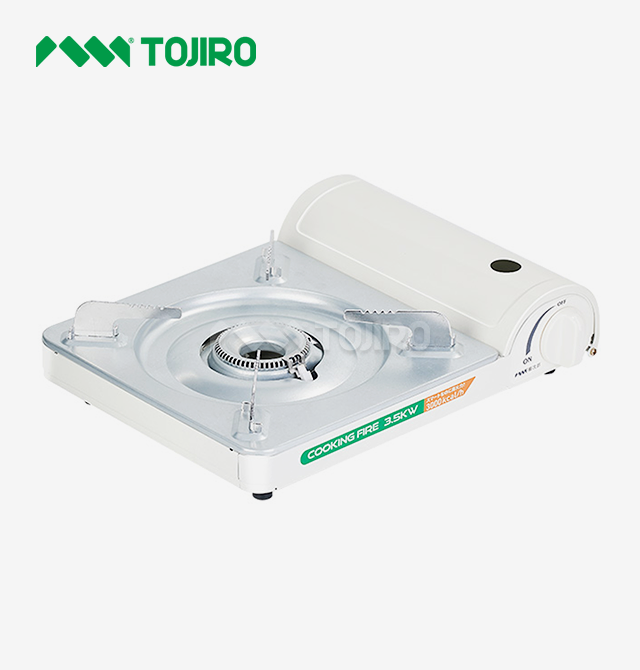
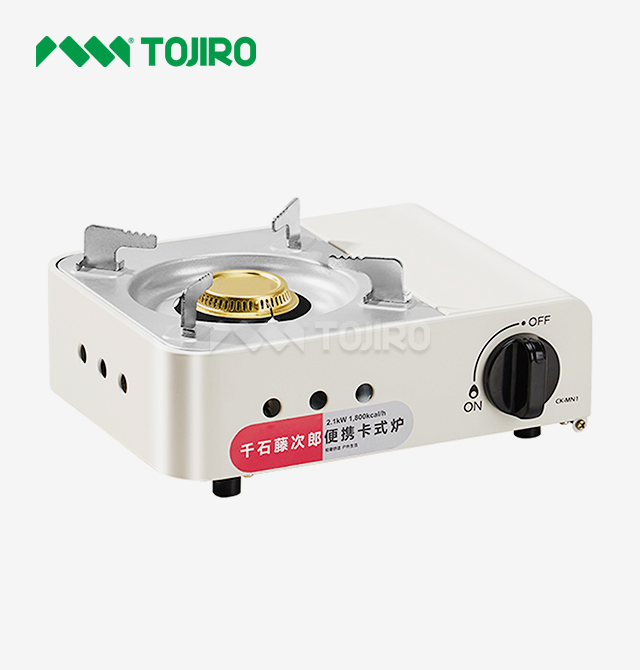
There are three main types of fuel that are used in outdoor cooking tools. Gas-powered models use cylinders of propane or butane to provide instant ignition and precise flame control through valves that can be adjusted. For charcoal versions, embers are used to burn, which gives them real smoky flavours but takes longer to prepare. Electric systems use power from a home or generator to heat elements. They are clean and can be used in places that are partly indoors, like covered pavilions.
Heat Distribution Mechanics
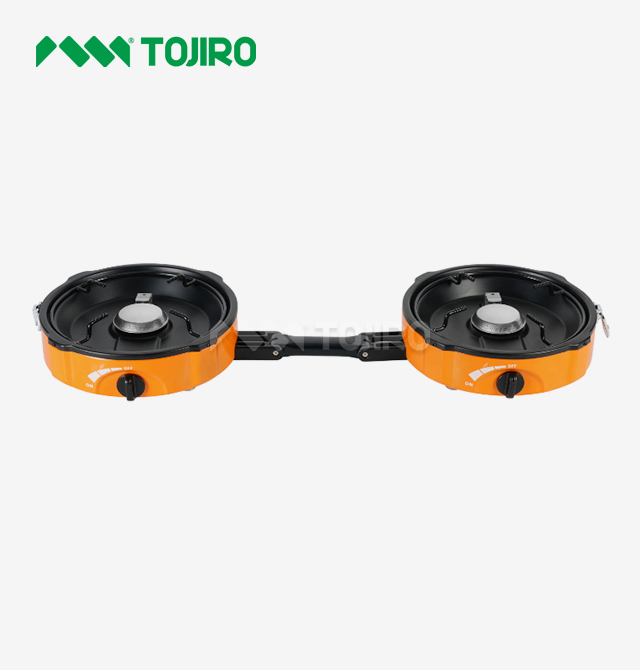
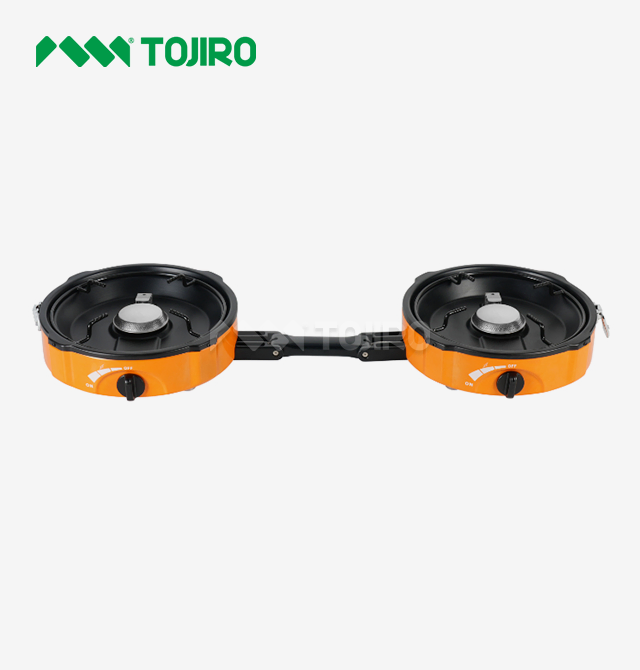
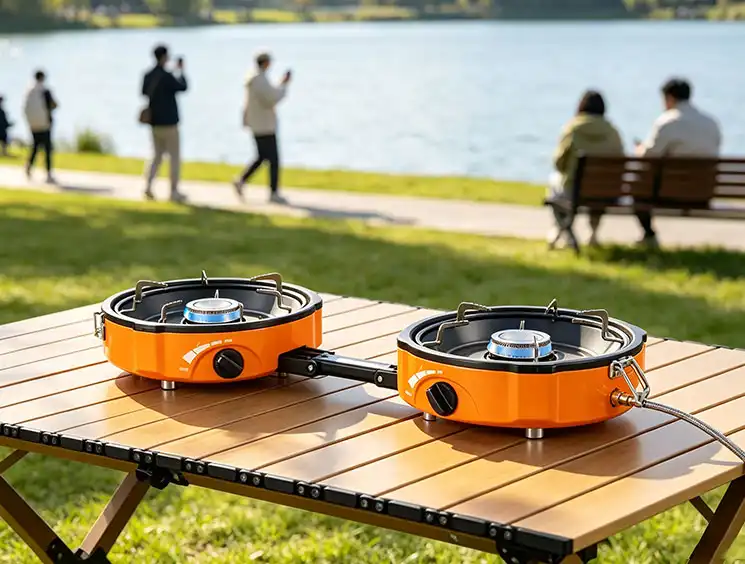
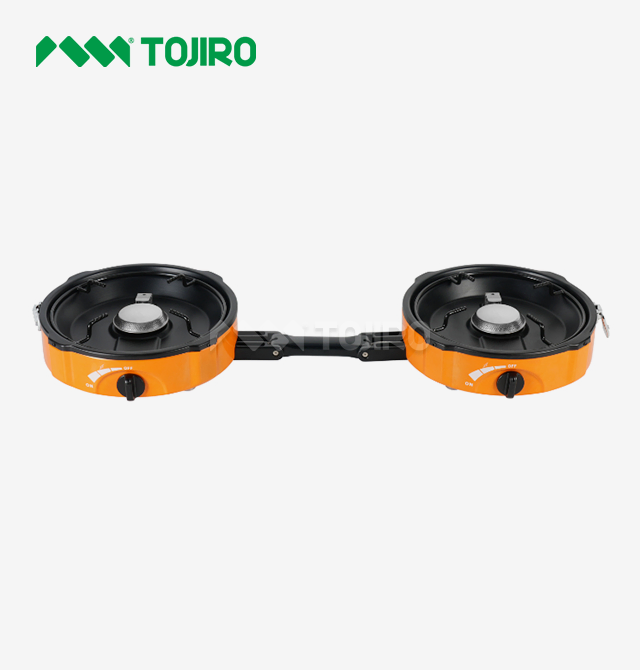
How heat goes from the fuel source to the cooking surface has a big impact on how well a portable fish grill works. Gas burners usually have radial flame patterns that spread heat over large areas. This keeps fish fillets from getting too cooked in hot spots. Tojiro's more advanced models have infrared flame heads that send out concentrated radiant heat that quickly sears protein surfaces while keeping the wetness inside. This two-burner setup lets you cook several things at once at different temperatures, which makes the workflow better for business food service uses.
Temperature Control Technologies
High-quality units for professionals have pressure-regulating valves that keep the gas flow steady no matter the temperature or altitude outside. This stability is very important for businesses that operate in a lot of different places. TOJIRO's systems have 2.3kW (8000 BTU) of heat output per burner, which is enough for quick preheating, which is something that best practices in the industry stress. By caramelising proteins, preheating to 400–450°F makes food surfaces nonstick, which stops the sticking problems that happen on grills that aren't hot enough.
Types of Portable Fish Grills and Their Working Principles
To choose the right grill type, you need to know how the structure affects the grill's ability to do its job. Each type has its own benefits that are tailored to the needs of a particular business.
Gas-Powered Systems
Gas models are most common in commercial settings because they are easy to use and can be set up quickly. The way it works is that a propane tank is connected to a valve that controls the flow of fuel to one or more heaters. When you turn a control knob or press an electric ignition button, flames appear right away. The powder coating on TOJIRO's cold-rolled steel parts makes them resistant to corrosive coastal environments and frequent changes in temperature. The makeup of the material keeps heat in better than aluminium options, so less fuel is used during long cooking sessions.
Charcoal Variants
Charcoal grills work by transferring heat indirectly from the burning ashes. People put briquettes or lump charcoal in a firebox under the grill grates and light them by hand or with starter fluids. When charcoal burns, it gives off heat and smoke particles that give fish its own unique flavours. Because these machines don't have any moving parts, they are very stable in remote areas. However, because they take longer to set up, they aren't as good for food service businesses with a lot of customers.
Electric Models
Through resistive coils or heating plates, electric grills turn the electricity in your home into heat. These systems work great in places where open flames aren't allowed, like on apartment decks or in some public parks. But because they need to be connected to electricity, they aren't really portable. This means they aren't as good for camping in the woods or trips to the beach, where gas-powered options are better.
Material Impact on Performance
Choosing between stainless steel, cast iron, and coated steel has a direct effect on how well it keeps heat in, how much maintenance it needs, and how long it lasts. Stainless steel doesn't rust, but it doesn't conduct heat as well as cast iron, which does a great job of keeping its temperature but needs to be seasoned to stop corrosion. Tojiro's cold-rolled steel with powder coating is the perfect mix of rust resistance, good thermal conductivity, and lighter weight compared to cast iron. The built-in water pan under the cooking surfaces collects drips and makes cleanup easier after making oily fish dishes on a portable fish grill.
Key Factors Influencing Portable Fish Grill Performance
Defining the important things that affect how well a portable fish grill works is essential for buying teams. When buying something, people have to think about a lot of different performance factors that tell them if a grill meets operational standards.
Heat Distribution Quality
When cooking areas are all the same temperature, fish doesn't cook differently, which is a common problem with cheap grills. Good units have heaters that are placed in strategic places and heat screens that reflect heat around the whole grill area. As part of the testing procedures, temperature maps should be made at several places on the surface when the load is full. Tojiro's design goes through quality control procedures that are ISO9001:2015-certified. These make sure that every unit meets strict heat transfer standards before it is shipped.
Portability Engineering
Truly portable items aren't just light; they also have small store spaces and long-lasting transport features. The TOJIRO grill's folding process makes it smaller, from 268x210x117mm when it's open to 245x210x59mm when it's folded up. This 50% drop in volume lets logistics teams make the most of vehicle cargo room when they're providing rental fleets or catering events. Packaging that can survive 1-meter drops from eight different directions keeps goods safe while they're being shipped, which lowers the cost of replacing items that get damaged in transit.
Safety and Compliance Standards
For government contracts and group purchases, following the rules is not an option. Safety features must include flame failure devices that stop gas flow if burners go out suddenly, pressure relief valves that keep the tank from getting too pressurised, and handles that can handle heat but stay cool while the machine is running. TOJIRO keeps its approval options open, so it can meet the needs of different regions, whether it's for high-altitude gas cylinder systems in Europe or propane tank setups in the United States.
Weather resistance determines how reliably something works in all seasons and regions. Powder-coated finishes keep rust from forming in wet coastal areas, and wind-resistant burner designs keep flames stable in windy conditions that would put out uncovered flames.
Comparing Portable Fish Grills to Traditional Grills: Benefits and Use Cases
Figuring out the practical benefits of portable systems over fixed ones makes it easier to see how valuable they are for certain business models.
Mobility Advantages
Businesses that have traditional built-in grills are stuck in one place, which makes it harder to make money through mobile catering, pop-up events, or seasonal venue changes. Any outdoor area can be turned into a temporary kitchen with portable units. This lets rental companies send equipment to multiple client sites every day. A glamping resort could put grills at each campsite to improve the experience of guests without having to make long-term investments in infrastructure.
Fuel Efficiency Analysis
Portable fish grills that run on gas use fuel more efficiently than charcoal systems, which lose a lot of heat energy to the air around them. Gas burners send almost all of their heat toward food areas because they use controlled combustion. Businesses that keep track of cost-per-meal data find that propane's steady burn rates make budgeting easier than charcoal's unpredictable patterns of use.
Setup Speed Impact
Businesses value technology that takes as little time to set up as possible. A gas grill that is properly set up can reach cooking temperature in five minutes, while a charcoal grill needs twenty to thirty minutes. During busy times, when customers expect to wait as little as possible, this speed is important. Event chefs who serve multiple seatings need to be able to quickly switch between cooking batches, which is something that portable gas grills always do well.
Real-World Application Scenarios
In national parks, concessionaires use long-lasting, portable grills at trailheads that are far away and can't have fixed buildings. Disaster relief groups use mobile cooking equipment when traditional kitchens can't be used because of damage to the building's structure. Planners of business retreats include movable grills in team-building activities so that people can cook meals in beautiful outdoor settings. Institutions that teach survival skills in the outdoors depend on gear that students can use safely with little help.
Maintenance, Safety, and Optimization Tips for Portable Fish Grills
Systematic repair practices must be followed to make sure that equipment lasts as long as possible and is safe to use.
Cleaning Procedures
Remove food from the grill grates with a stainless steel brush after each use, but make sure they are cool enough to handle. This stops a pile that carbonises during later cooking sessions, making flavours that aren't good and possibly causing a flare-up. The water pan under the burners collects grease drips. Empty and clean this part after each use to keep it from building up with bad oil. As part of a three-month deep cleaning, the hob should be checked to make sure that dirt doesn't block the gas ports and change the flame patterns.
Fuel Management Safety
Care must be taken when handling propane tanks to avoid leaks or other problems related to pressure. Hold tanks upright in well-ventilated areas far from things that could start a fire. Check the O-rings and connection threads for damage or wear before joining the cylinders. After connecting the tanks, check for leaks by applying soapy water to the connection spots. Bubbles show that gas is escaping and needs instant attention. Never store propane inside or in the trunk of a car, where heat buildup could cause the pressure relief valve to open.
Transport Guidelines
Protect portable fish grills while transporting vehicles so they don't move around and damage parts or cause dangers when the vehicle stops suddenly. TOJIRO's folding design has locking devices that keep it from opening by mistake while it's being moved. Take out the gas tanks before transporting them and store them separately according to rules for dangerous materials. Rental companies should have checkout checking processes to make sure that all parts are still in good shape and working before the customer picks up the item.
Grilling Optimization Techniques
To get fish that's good enough for a restaurant, you need to know how heat moves. Warm up the cooking surfaces to between 425°F and 450°F. This will let the metal grates hit temperatures that will sear the protein surfaces right away. This quick surface cooking makes a release layer that keeps fish from sticking to the grates. Before putting the fish on the grill, generously oil both of them. As a general rule, fish should be cooked for 8 to 10 minutes for every inch of thickness. Only flip the fish once to avoid handling it too much and breaking the delicate fillets. When fish is fully cooked, it naturally comes off of grates that have been properly hot; moving it too soon causes it to tear and stick.
Grilling with the lid closed keeps the temperature inside the same, which cuts down on cooking time and fuel use. Every time the lid is opened, the heat that has been building up is released, which extends the cooking time and could dry out the fish through extended contact.
Procurement Insights: Selecting and Buying Portable Fish Grills for Your Business
When buying strategic equipment, you need to look at more than just the initial purchase price. Selecting the right portable fish grills for your company involves several procurement insights.
Essential Evaluation Parameters
How useful a heat source is depends on how well it works with your operating system. Gas systems need reliable propane supply lines. Before you buy gas-powered tools, make sure that tanks are available in the areas you serve. The size of the grill should match the amount of food that is usually cooked. Grills that are too small cause service problems during busy times, and grills that are too big waste fuel and store room.
Material construction affects the total cost of ownership. Lower-quality materials may have lower prices at first, but they will cost more to replace when they break down too soon. Tojiro's cold-rolled steel design strikes a good mix between price and durability, providing reliable performance throughout all seasons that makes the investment worthwhile. Risk reduction is achieved through warranty coverage. TOJIRO's one-year guarantee covers manufacturing flaws, lowering the cost of replacements that come up out of the blue.
OEM and Bulk Purchasing Advantages
White-label partnerships let stores and online shopping sites sell branded outdoor cooking gear without having to invest in manufacturing infrastructure. TOJIRO can make unique parts based on specific needs, such as different burner setups or colour schemes that match company logos. The minimum order quantity of 1000 units is low enough for serious delivery operations while still being easy for mid-sized stores that want to get into the outdoor gear market.
Buying in bulk can help you get better deals and be more competitive. Volume discounts lower the cost per unit, which lets retailers set higher prices or make more money. The 45-day production lead time gives enough time to plan supplies for regular demand spikes without having to pay too much for storage.
Comparative Brand Analysis
Weber has a well-known name in consumer markets, and its high prices are backed up by its large partner networks and accessory ecosystems. Coleman makes products for budget-conscious leisure users that have fewer features and are lighter so they can be used occasionally. Lodge makes a lot of cast iron items that look like they belong in the past but are heavy. Blackstone makes the most popular flat-top griddles, which have big cooking areas that are great for serving a lot of breakfast food at once.
TOJIRO stands out by using Japanese precision engineering and competitively efficient manufacturing. The two-burner design with both open flame and infrared choices gives it the flexibility of more expensive competitors while keeping costs low enough for bulk purchases. ISO9001:2015 certification shows a dedication to consistent quality management, which is a very important factor for institutional buyers who need standard equipment in many locations.
Purchasing Channel Considerations
Direct relationships with manufacturers get rid of markups by distributors, which saves buyers a lot of money. TOJIRO's factory-direct model allows for customised packing needs and open payment terms that work with different ways of buying things. Value-added services like combining accessories like grill baskets, heat-resistant gloves, and cleaning tools make it easier for rental businesses that offer full food kits to set up their equipment.
Terms of shipment have a big effect on landing costs. Understanding Incoterms and getting good freight deals can keep foreign orders from going over budget. Buyers don't have to lose money on useless goods when there are return policies that cover broken units or mismatched specifications.
Conclusion
Procurement workers can choose outdoor cooking equipment that meets the needs of their businesses by understanding how it works. Gas-powered portable fish grills work best because they have controlled combustion, good heat distribution, and the ability to be set up quickly, which is important for business use. Long-term value goes beyond the original cost of acquisition and depends on things like the choice of materials, safety standards, and ease of upkeep.
TOJIRO's engineering method combines the accuracy of traditional Japanese craftsmanship with the efficiency of modern manufacturing. This makes equipment that meets strict operating standards while keeping prices low. The two burners, each with a 2.3kW output, the strong cold-rolled steel construction, and the small, foldable design make it perfect for rental businesses, event caterers, institutional buyers, and retail channels.
Strategic equipment procurement looks at the total cost of ownership, which includes things like how much fuel it uses, how much maintenance it needs, what the warranty covers, and how reliable the supplier is. Businesses that are ahead of the curve can set themselves apart in the competitive outdoor dining market by buying in bulk and letting OEMs customise their products.
FAQ
1. What maintenance schedule should commercial operators follow?
Portable fish grills that are commercial-grade need to be cleaned after each use to get rid of food waste and grease buildup. While the grates are still warm, brush them, empty the drip pans after each use and check the burners once a month for clogged gas ports. When you do a deep cleaning every three months, you should take apart all the parts that can be taken apart and clean them completely. Gas lines, pressure controls and ignition systems should be serviced by a professional once a year to make sure they stay safe.
2. Can these grills operate safely in partially enclosed spaces?
Gas-powered units give off carbon monoxide, which needs to be vented properly. You should never use a gas grill in a tent or an indoor area that doesn't have enough air flow. Partially covered areas, like pavilions with open sides, let enough air flow to keep things safe. Electric models are better in places with limited air flow, but they aren't really portable because they need power.
3. What factors should bulk buyers prioritize?
Volume purchases should focus on how long the building will last, how easy it is to get replacement parts, and how well the maker supports its infrastructure. Look at the guarantee terms that cover business use instead of personal use. Check that the certification follows the rules for the destination market—U.S. Buyers need systems that work with propane, while markets in Europe might need gas cylinders that can handle high altitudes. Check lead times to make sure that product gets there before demand peaks during busy seasons. TOJIRO's 45-day production cycle and variable MOQ of 1000 units make it easy for medium- to large-sized buyers to buy without having to spend a lot of money.
Connect with TOJIRO: Your Portable Fish Grill Supplier
TOJIRO makes professional-grade outdoor cooking gear that is designed to meet the needs of rental businesses, hospitality places, retail sales, and institutional uses. Our engineering team has worked in this field for over twenty years and uses ISO9001:2015-certified manufacturing methods to make sure that every portable fish grill meets strict quality standards.
We offer full OEM/ODM customisation, including white-label partnerships and changes to specifications that fit your individual market placing. Competitive bulk price on sales of at least 1000 units saves you money and gives you an edge over your competitors. Our 45-day production wait time and one-year guarantee give your customers the peace of mind they expect.
To talk about your unique equipment needs, get technical specs, or set up sample trials, email our procurement experts at [email protected].
References
1. Anderson, M. (2021). Commercial Outdoor Cooking Equipment: Design and Performance Standards. Culinary Equipment Publishers.
2. Bennett, S. & Roberts, K. (2020). Heat Transfer Dynamics in Portable Grilling Systems. Journal of Food Service Engineering, 15(3), 112-128.
3. Chen, W. (2022). Material Science Applications in Outdoor Cooking Apparatus. International Manufacturing Review, 8(2), 45-63.
4. Davidson, R. (2019). Procurement Strategies for Hospitality Equipment Buyers. Business Equipment Quarterly, 22(4), 89-104.
5. European Outdoor Equipment Association. (2023). Safety Standards for Portable Gas Grills: Compliance Guidelines. EOEA Technical Publications.
6. Miller, J. (2020). Fuel Efficiency Analysis in Commercial Cooking Equipment. Energy Management in Food Service, 12(1), 33-51.

USER EVALUATE
Here is the customer's evaluation of us
_1763607672511.webp)