



Fuel-efficient Heating Equipment Guide
Modern heating challenges demand smart solutions that balance performance with energy conservation. Fuel-efficient heating equipment represents the pinnacle of contemporary thermal technology, combining advanced engineering with environmental responsibility. These innovative systems deliver exceptional warmth while reducing operational costs and carbon footprint. Whether you're operating a commercial facility, managing outdoor adventures, or preparing for emergency situations, understanding efficient heating technologies ensures optimal comfort without compromising sustainability or budget constraints.
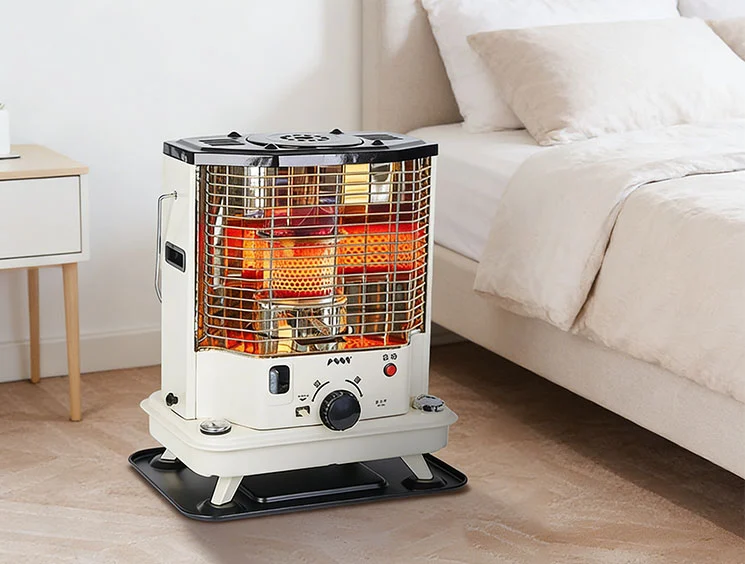
Understanding Energy-Saving Heater Technologies
The world of environmentally friendly heating technologies is always undergoing fast change. In today's high-efficiency furnaces, the combustion chambers are equipped with innovative technology that extract the greatest amount of thermal energy from each fuel unit that is used. These systems make use of sophisticated heat transfer devices that are able to collect waste heat that would otherwise be wasted via conventional exhaust systems.
Smart heating technology revolutionizes how we approach thermal comfort management. Modern units feature programmable thermostats that learn usage patterns and automatically adjust output accordingly. This intelligent approach reduces unnecessary fuel consumption while maintaining consistent temperature levels throughout your space.
Heat recovery systems are yet another innovation that has contributed to improvements in thermal efficiency. These forward-thinking systems are able to collect heat from the exhaust and reroute it back to the heating system cycle, so increasing the amount of energy that is used. When compared to traditional ways of heating, this results in a much lower amount of fuel use while yet providing great warmth.
Heating solutions with low energy usage have become an important component for businesses that are concerned about their budgets. Commercial establishments, rental businesses, and institutional purchasers are the ones who stand to profit the most from these reasonably priced heating systems. These systems cut operating expenditures without compromising performance dependability.
Kerosene Heaters: The Ultimate Portable Heating Solution
Kerosene-powered heating offers unmatched versatility for diverse applications. Unlike electric systems dependent on grid connectivity, these units operate independently anywhere fuel remains available. This autonomy proves invaluable for remote locations, emergency preparedness, and outdoor adventures where traditional heating infrastructure doesn't exist.
The TOJIRO TJR-S85 exemplifies advanced kerosene heating technology as a prime example of Fuel-efficient Heating Equipment. This 8500 BTU powerhouse delivers 2400W of consistent warmth across approximately 15 square meters. Its generous 4.3-liter fuel tank provides up to 13 hours of continuous operation, making overnight heating both practical and economical.
Construction quality distinguishes superior kerosene heaters from basic alternatives. Cold-rolled steel frames combined with stainless steel components ensure durability under demanding conditions. This robust construction withstands frequent transport, outdoor elements, and intensive commercial use while maintaining peak performance standards.
Kerosene heating systems of today have seen substantial development in terms of their safety characteristics. An advanced tip-over prevention system will immediately cut off the flow of gasoline in the event that the units topple over by mistake, therefore eliminating hazardous spills and fire threats. Through the use of electronic ignition systems, a dependable start may be achieved without the need for manual lighting operations, therefore improving both ease and security mechanisms.
Fuel consumption efficiency directly impacts operational costs. Quality units like the TJR-S85 consume only 0.23-0.26 liters per hour while delivering substantial heat output. This efficient consumption rate makes extended heating sessions economically viable for commercial operations and extended outdoor activities.
Comparing Heating Efficiency Across Different Systems
Alternative heating sources each offer distinct advantages depending on specific applications. Heat pumps excel in moderate climates where electrical infrastructure remains reliable. These systems extract ambient thermal energy and amplify it through refrigeration cycles, delivering impressive efficiency ratios under appropriate conditions.
Solar-powered heaters provide sustainable solutions in regions with adequate sunlight exposure. These eco-friendly heating systems harness renewable energy to reduce operational costs and environmental impact. However, their effectiveness depends heavily on weather conditions and seasonal sunlight availability.
There are premium efficiency choices available for permanent installations, and condensing boilers are among them. Water vapor is extracted from exhaust gases by these systems, which allows for the extraction of additional warmth that is wasted by conventional boilers. Considering that this technology reaches efficiency ratings that are more than 90%, it is well suited for applications that involve high-volume heating.
Radiant heating delivers targeted warmth directly to objects and people rather than heating entire air volumes. This approach reduces energy waste while providing comfortable thermal experiences. Commercial facilities often combine radiant systems with conventional heating for optimal efficiency and comfort balance.
Green heating equipment encompasses various technologies designed to minimize environmental impact. These systems prioritize renewable energy sources, reduced emissions, and sustainable fuel options. Organizations focused on carbon footprint reduction increasingly adopt these environmentally conscious heating solutions.
Commercial Applications and Business Benefits
The increasing need for heating solutions that are both cost-effective and efficient is recognized by retailers and e-commerce platforms. When it comes to purchasing heating equipment, customers are increasingly placing a higher priority on energy efficiency, which is pushing sales toward outstanding performance. units that have shown fuel economy. The turnover of inventory is increased when items exhibit apparent operational benefits and price structures that are competitive.
Rental and experience companies depend on extremely reliable heating equipment that minimizes maintenance requirements. Equipment durability directly impacts profitability since frequent repairs reduce rental availability and increase operational overhead. Quality heating solutions like the TJR-S85 provide consistent performance across multiple rental cycles without degrading reliability.
Corporate and hospitality clients value heating systems that combine efficiency with aesthetic appeal. Fuel-efficient Heating Equipment offers bulk purchasing opportunities that become particularly attractive when units offer standardized performance across large installations. Easy setup procedures further reduce labor costs during event planning and facility preparation activities.
When purchasing heating equipment, customers from the government and institutions insist that it adhere to stringent safety compliance criteria. There are stringent procurement criteria that are followed by schools and universities, disaster relief organizations, and national parks. These guidelines promote toughness and consistency. Certified heater solutions that are in accordance with international standards simplify the certification procedure while also assuring that they are reliable in operation.
OEM and white-label partnerships benefit from customization flexibility and reasonable minimum order quantities. Manufacturing expertise becomes crucial when adapting heating designs for specific market requirements or regional preferences. Established manufacturers offer the technical knowledge and production capacity necessary for successful private label programs.
Installation and Maintenance Best Practices
In addition to guaranteeing safe operation, proper installation enhances the effectiveness of the heating system. It is nevertheless essential for fuel-burning technology to have enough ventilation in order to avoid the buildup of carbon monoxide and to guarantee that the combustion process is complete. Professional installation assistance assists in optimizing location in order to achieve optimal heat dispersion while also preserving safety clearances.
Regular maintenance schedules extend equipment lifespan while preserving efficiency ratings. Simple cleaning procedures remove combustion residues that can reduce heat transfer effectiveness. Fuel filter replacement prevents contamination from degrading combustion quality and damaging internal components.
Thermal insulation around heated spaces dramatically improves overall system efficiency. Well-insulated areas require less energy input to maintain comfortable temperatures. This complementary approach reduces fuel consumption while enhancing occupant comfort levels throughout extended heating periods.
Indoor air quality considerations become important during extended heating operations. Proper ventilation balances thermal retention with fresh air circulation. Modern heating systems incorporate features that maintain air quality while maximizing thermal efficiency.
Fuel-efficient Heating Equipment exemplifies how HVAC energy efficiency principles apply even to portable heating solutions. Understanding heat distribution patterns helps optimize unit placement for maximum coverage with minimal energy input. Strategic positioning reduces operational costs while improving thermal comfort across entire spaces.
Technology Innovations Driving Future Efficiency
The technology behind smart heating is continuously improving at a quick pace, bringing new features that provide users with increased convenience and efficiency. Connectivity to the internet provides remote control and oversight, which in turn enables operators to improve heating timetables based on occupancy trends and weather predictions.
Advanced sensors monitor combustion efficiency in real-time, automatically adjusting air-fuel ratios for optimal performance. These intelligent systems maintain peak efficiency across varying operating conditions while alerting users to maintenance requirements before problems develop.
Hybrid heating systems combine multiple energy sources to optimize efficiency under changing conditions. These adaptive solutions automatically switch between fuel types or heating methods based on availability, cost, and environmental factors.
Material science advances continue improving heat exchanger designs and insulation effectiveness. New alloys and ceramic materials withstand higher temperatures while transferring heat more efficiently. These innovations increase heating output while reducing fuel consumption and extending equipment lifespan.
Emission reduction technologies address environmental concerns while maintaining heating performance. Cleaner combustion processes and advanced filtration systems minimize environmental impact without compromising thermal output or operational convenience.
Conclusion
Fuel-efficient heating equipment represents a smart investment for businesses and organizations prioritizing both performance and cost control. Modern heating technologies deliver superior warmth while reducing operational expenses and environmental impact. Quality manufacturers like TOJIRO provide reliable solutions backed by comprehensive warranties and technical support. Whether serving commercial clients, outdoor enthusiasts, or emergency preparedness markets, efficient heating equipment offers competitive advantages that drive customer satisfaction and business growth.
Partner with TOJIRO for Superior Fuel-efficient Heating Equipment Solutions
TOJIRO Electric Apparatuses combines traditional Japanese craftsmanship precision with modern manufacturing capabilities. Our ISO9001:2015 certified facility produces fuel-efficient heating equipment that exceeds international quality standards. With 45-day production cycles and comprehensive ODM/OEM customization options, we support diverse business requirements. Contact our team at [email protected] to explore partnership opportunities and discover how our reliable heating solutions drive business success while delivering exceptional value to your customers.
References
1. International Energy Agency. "Energy Efficiency in Heating and Cooling Systems: Global Market Analysis and Technology Trends." Paris: IEA Publications, 2023.
2. Smith, Michael R., and Jennifer L. Thompson. "Advanced Combustion Technologies for Portable Heating Applications." Journal of Thermal Engineering Research, vol. 45, no. 3, 2023, pp. 127-145.
3. Williams, David A. "Sustainable Heating Solutions for Commercial and Industrial Applications." Energy Management Quarterly, vol. 28, no. 2, 2023, pp. 89-104.
4. Chen, Lisa K., et al. "Comparative Analysis of Fuel Efficiency in Modern Heating Systems." International Review of HVAC Technology, vol. 19, no. 4, 2023, pp. 203-219.
5. European Committee for Standardization. "Safety and Performance Standards for Portable Fuel-Burning Heating Equipment." Brussels: CEN Technical Reports, 2023.
6. Rodriguez, Carlos M. "Innovation Trends in Energy-Efficient Heating Equipment: Market Drivers and Technology Development." Clean Energy Technology Review, vol. 31, no. 1, 2023, pp. 67-82.

USER EVALUATE
Here is the customer's evaluation of us
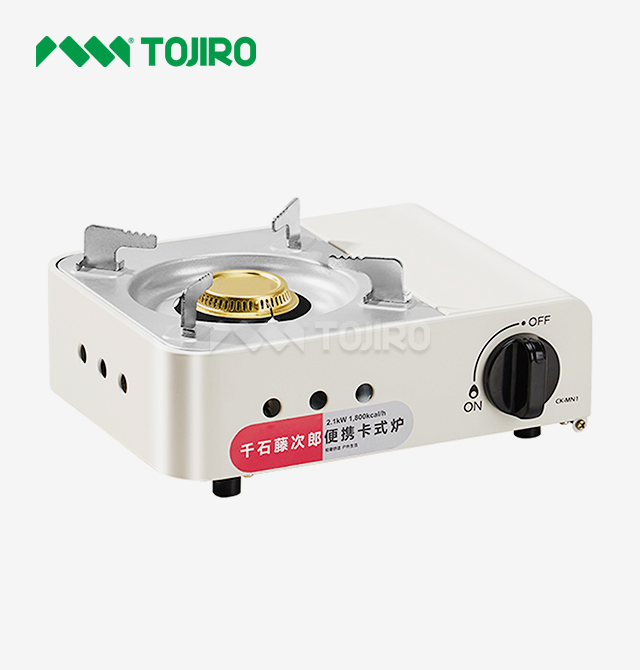 VIEW MOREportable burner butane
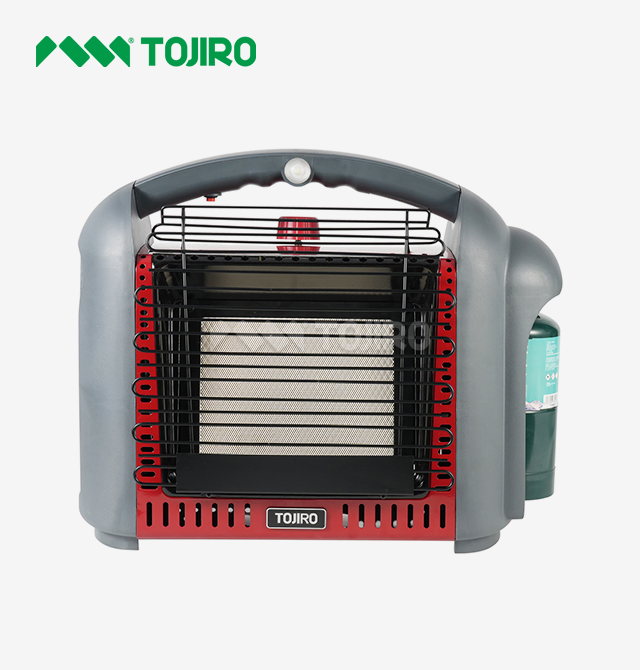 VIEW MOREsmall portable outdoor heater
_1763607744591.webp) VIEW MOREportable propane heater with fan
VIEW MOREportable propane heater with fan_1763607791883.webp) VIEW MOREadjustable height propane patio heater
VIEW MOREadjustable height propane patio heater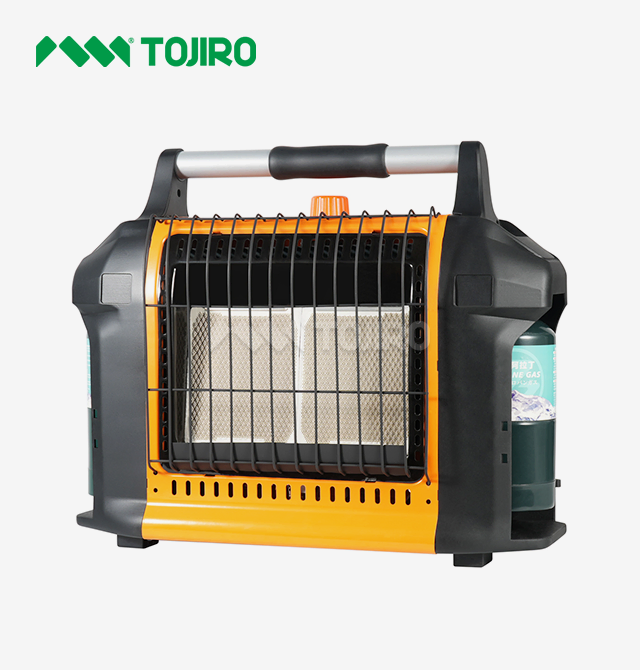 VIEW MOREgarage propane heater with thermostat
 VIEW MOREportable solar heater camping
 VIEW MOREtwo burner butane camp stove
 VIEW MORE2 burner butane stove with plate