



Exterior Propane Tankless Water Heaters: The Complete Guide
Exterior propane tankless water heaters are a big step forward in providing hot water on demand for business, industry, and outdoor use. Traditional tank systems use energy all the time to keep the water at the right temperature. Tankless models, on the other hand, only light the gas when hot water runs, so there are no standby losses and the costs of running the system are lower. This technology is especially useful for business-to-business buyers, like glamping owners who need reliable services for their guests or disaster aid groups that need portable hot water solutions. Whether you're in charge of rental fleets, buy things for institutions, or make your own brand of camping gear, knowing how these systems work, how to install them, and the pros and cons of each will help you make smart purchases that get you the best return on your money.

How Exterior Propane Tankless Water Heaters Work
The technology behind on-demand heating in gas water heaters gets rid of waste while maintaining regular performance. When you turn on the hot water faucet, cold water flows through the inlet pipe and sets off a flow monitor that turns on the gas burner assembly. In just three seconds, the combustion chamber produces very high temperatures—up to 34,000 BTU—that are sent through a heat exchanger. As the water moves through copper or stainless steel coils, its temperature rises quickly.
Core Components That Drive Performance
An outdoor gas water heater is made up of several units that work together to heat water. The burner assembly carefully controls the flow of propane through a hole, mixing fuel with air to make a full flame. Modern heat exchangers make the most of the surface contact between hot gases and water pathways, which is how they get thermal efficiency rates of more than 80%. Integrated control systems constantly check temperature sensors and change the brightness of the flame to keep the temperature you set within one degree.
Smart technology built into modern units changes the way users experience them. App-controlled systems let workers change settings from afar, using their smartphones to check on fuel use and battery life. This is very helpful for rental companies that have a lot of units in different places or for business event planners who need to set up temporary facilities.
Safety Systems and Environmental Compliance
When it comes to commercial-grade tools, safety features are a must. Flame recognition monitors cut off the propane supply right away if the fire stops, so dangerous gases don't build up. Automatic boil safety checks the temperature of the water and turns off the supply before it gets too hot. When it gets cold, freeze protection kicks in to keep internal parts from getting damaged by ice. This is very important for units that are used in places with changing temperatures.
Because it burns cleanly, propane releases fewer pollutants into the air than other fossil fuels, mostly carbon dioxide and water vapor. This environmental profile helps businesses meet the sustainability standards that are being asked for more and more by government and institutional buyers. The small molecular structure makes sure that the fuel burns completely, leaving behind few unburned chemicals that can harm the air quality.
Comprehensive Installation and Maintenance Guide
The life and dependability of a system are directly affected by how well it is installed. Before installing your exterior propane tankless water heater, you need to choose the right location by looking at a number of external factors. When you're in a warm zone, exterior walls that face south reduce the chance of freezing, and closed alcoves keep parts dry without blocking airflow. Depending on the area, local building rules usually set minimum distances between windows, doors, and air intake vents. These distances are usually between 12 and 36 inches.
Installation Requirements and Best Practices
When mounting, different things need to be thought about based on the unit weight and how it moves. For wall-mounted setups, the structure must be able to support the weight of the equipment and its full water capacity. For portable types with five-liter tanks, this is about 50 pounds. The National Fire Protection Association says that propane hookup lines must use approved flexible links with built-in cutoff valves for emergency disconnections.
When a water source is integrated, pressure needs to be taken into account. Most tankless systems work best when the pressure is between 20 and 80 PSI. For high-pressure city systems or low-pressure uses, pressure controllers or booster pumps are needed. The five liters per minute flow rate helps you figure out if your water source can give enough water for multiple faucets at the same time.
Smart-controlled types need different amounts of electricity than regular gas heaters. Battery-powered starting systems don't need to be plugged into the power grid, but if you want to use more than one, you'll need a way to charge the 10,000mAh battery. Setting up four-hour rounds of continuous operation helps rental companies plan charging changes that don't cause service interruptions.
Maintenance Protocols That Extend Service Life
Scheduled repair protects your investment and keeps it from breaking down, which costs a lot of money. Visual checks done once a month can find rust, loose connections, or pests getting into parts before they break. Cleaning the burner every three months gets rid of carbon layers that slow down combustion, bringing back the best fuel consumption rates. In places with hard water, heat exchangers should be descaled once a year, gas pressure should be tested, and safety systems should be checked.
Preparing for winter is an important part of running seasonal businesses. Freeze damage can be avoided by draining any remaining water, and pressure stays constant in propane tanks that are stored in temperature-controlled areas. Covering open parts with protective materials that let air pass through stops moisture from getting in without trapping condensation, which speeds up rusting.
Comparing Exterior Propane Tankless Water Heaters with Other Options
People who make decisions about purchases should know how exterior propane tankless water heaters compare to electric and natural gas options. Propane is a very useful fuel for remote locations where grid power isn't available or isn't stable because it is easy to transport. Compressed propane tanks work the same way no matter what kind of utility infrastructure is in place. This makes them perfect for temporary event sets, building sites, or camping in the woods.
Performance Benchmarking Across Leading Brands
When you look at all the outdoor gas tankless water heater options on the market, TOJIRO stands out because it focuses on performance, flexibility, and ease of use. TOJIRO has a 10,000W heating system, a 34,000 BTU output, and fast warmth that happens in 3 seconds. It works well in the real world and is good for camping, living in an RV, and outdoor events. Many standard units choose between portable and heating power, but TOJIRO has both with a 10,000mAh battery, app-based control, and a quiet design that doesn't use fans. This outdoor hot water option is very competitive for B-side buyers like rental companies, hotel providers, and OEM partners because it lasts a long time, is easy to maintain, and can be changed to fit specific needs.
Selecting the Right Capacity for Your Operations
When figuring out sizes, you have to take into account both how they will be used and how much they need to rise in temperature. At 110°F, a single shower needs about two to three gallons of water per minute, which is well within the five liters per minute capacity of portable units. When you have more than one fixture at the same time, you need to scale the units proportionally. For example, three showers need units that give at least 7.5 GPM, which usually means installing them in parallel or moving to commercial-grade systems that can handle 10 GPM or more.
How much the temperature rises depends on how hot the water is coming in. At 50°F, groundwater needs to rise 60°F to reach a comfortable shower temperature. It takes about 85,000 BTU to heat five gallons of water per minute. The 34,000 BTU output works well for single-point uses, but it might not work as well for multiple outlets during times of high demand.
Purchasing and Procurement Insights for B2B Clients
Cost models include more than just the buying price. They also include costs for setup, upkeep, and use. Portable exterior propane tankless water heaters for beginners cost between $800 and $1,500, while commercial-grade permanent installs cost between $2,500 and $5,000, based on the number of BTUs they have and the features they have. Buying in bulk through OEM partnerships can often get you 15-30% off orders over 50 units, which is good for rental companies that are building up their inventory or resort groups that are standardizing their facilities.
Distribution Channels and Supplier Relationships
When you work directly with a maker, you can make changes that you can't make through a store. With ODM agreements, hospitality brands can choose finish colors, control interfaces, and safety standards that meet the needs of their area. When trying new markets or seasonal products, MOQ flexibility is very important. Manufacturers who are willing to take 10-unit minimum orders make it possible to test the market without taking on too much inventory risk.
White-label programs help stores and online shopping sites get named goods without having to make their own. Well-known providers offer private labeling with your brand and the package you want. They also handle quality control and compliance paperwork. This is especially helpful for outdoor specialty stores that want to set their own lines of products apart from national chains that sell the same mainstream names.
Professional sellers and cheap importers are separated by their after-sales support systems. For home use, warranty terms are usually one year, but for business use, longer coverage is needed because of the higher duty cycles. Repair times depend on how quickly parts can be sourced. For example, companies with North American distribution centers can send new heat exchangers or control boards within 48 hours, but shipping them from overseas may take three weeks.
Financing Strategies and Total Cost Analysis
Leasing turns capital expenses into routine costs, which helps growing companies keep their cash flow steady. Commercial HVAC equipment rental companies usually offer 36 to 60-month terms with the opportunity to buy out the equipment at the end of the term. This format works well for glamping operators who want to add sites slowly or for business clients who would rather have fixed monthly costs than handle assets on their balance sheets.
When you figure out the total cost of ownership, you have to include the cost of fuel over the expected service life. Propane prices vary by area and range from $2.50 to $4.00 per gallon. Tankless systems use about 0.5 gallons of propane per hour when they are running all the time. For modest use—an average of two hours a day—annual fuel costs are $400 to $600, which is a lot less than electric resistance heaters in areas with high utility rates.
Maximizing ROI: Best Practices and Future Trends
Increasing the life of tools directly increases the return on investment for items that cost a lot of money. Regular repair plans keep things running at their best and stop them from breaking down too soon. Setting up inspection checklists makes sure that all setups are serviced the same way. This is especially important for rental fleets where units move between different operators and settings.
Smart Technology Integration and Data-Driven Optimization
IoT-enabled Exterior propane tankless water heaters are the next big thing in managing water heaters. Connectivity to an app lets you check on usage trends, fuel use, and repair alerts from afar. Fleet managers are notified when batteries need to be charged or when gas levels drop below what is needed for operation. This lets them plan ahead for tasks instead of waiting for emergencies to happen.
Usage data analytics show ways to improve things that you wouldn't notice by looking at them on their own. Rental companies can set the best temperature for each type of customer by keeping track of their temperature preferences. This cuts down on the time and fuel needed for adjustments. Peak demand analysis checks to see if the current capacity meets operating needs and if adding more units would get rid of wait times during busy times.
Emerging Innovations and Regulatory Landscape
New developments in material science offer better durability and economy. Titanium heat exchangers don't rust in seaside settings where salt air speeds up the breakdown of stainless steel. Ceramic burner assemblies can handle higher temperatures, which lets combustion tanks be smaller. This lowers the total size of the unit without lowering its output.
More and more, regulations are putting an emphasis on saving energy and reducing pollution. California's strict air quality standards call for ultra-low NOx burners that put out less than 14 nanograms per joule. As environmental laws get stricter across the country, these standards are likely to be applied everywhere. When manufacturers put money into making designs that are legal, buyers will be better prepared for future buying rules that may limit the use of old equipment.
Improvements to battery technology make them more portable and extend their life. Lithium iron phosphate cells have a longer cycle life than regular lithium-ion batteries. After 2,000 charge cycles, they still have 80% of their original capacity, while regular batteries only last 500 cycles. This means that the product will last six to eight years instead of two to three years, which means that it will need to be replaced much less often in high-use situations.
TOJIRO's movable water heater is a good example of these improvements made possible by smart engineering. The fanless design keeps noise from disturbing nature areas, and the steady temperature system keeps you comfortable without having to make any adjustments. Manufacturing standards that are in line with ISO9001:2015 certifications show that a company is committed to the quality management systems that big buyers look for in qualified vendors.
The 45-day production cycle is flexible enough to handle the seasonal changes in demand that are usual in the outdoor leisure industry. Rental companies that want to build up their inventory for the spring profit from regular lead times that keep them from running out of stock during busy booking times. Customization for specific markets is possible with ODM, such as changing control interfaces to meet foreign voltage standards or making structures that can handle harsh weather.
Conclusion
Exterior propane tankless water heaters are a great deal for a wide range of business uses because they save energy, are easy to use, and have a history of reliability. Procurement pros can choose systems that meet the needs of their organizations by knowing how they work, how to install them, and how to keep them in good shape. By comparing propane to electric and natural gas options, it becomes clear when its flexibility and ability to work without the grid make it worth it. Strategic buying through relationships with manufacturers gives buyers more choices for customization and better prices for large orders. Using new smart technologies and proactive repair methods together helps organizations get the most out of their investments and get ready for future legal requirements. When choosing systems for renting cars, resort services, or emergency response, it's important to think about how they will be used instead of how much they cost at first. This way of thinking leads to better long-term performance that makes you more competitive.
FAQ
1. What propane tank size works best for continuous operation?
Under normal conditions, standard 20-pound propane tanks can run for eight to ten hours, which is enough time for daily use at campgrounds or temporary event venues. For high-volume uses, 100-pound tanks that last 40 to 50 hours between refills are helpful because they lower the cost of logistics. Multiple smaller tanks with quick-disconnect fittings allow for hot-swapping while the machine is running, so there are no breaks in service for changing cylinders.
2. How does cold weather affect tankless water heater performance?
The incoming water temperature has a direct effect on the flow rates that can be reached. Water that comes in at 35°F needs a lot more energy to get to 110°F than water that comes in at 60°F, which could cut flow capacity by 30–40%. Freeze prevention devices keep parts from breaking, but they don't stop performance loss in very cold weather. Putting units in partially covered areas or using insulated shelters keeps operations running efficiently in the winter.
3. Can these systems integrate with existing infrastructure?
Standard water lines make it easier to add new features to buildings that are already there. Three-quarter-inch NPT valves work with most supply lines, and flexible connections can handle vibrations and changes in temperature. Different electrical systems have different needs. For example, battery-powered starting systems can work on their own, but smart controls might need a place to charge their USB cables. For propane hookups, you need flexible lines that are certified and shutoff valves that are allowed and meet local gas codes.
Partner with TOJIRO for Your Portable Water Heater Needs
B2B buyers seeking an exterior propane tankless water heater manufacturer that delivers reliability, customization, and responsive service find ideal partnerships with TOJIRO. Our engineering team merges traditional Japanese craftsmanship precision with modern production efficiency, manufacturing over one million units annually while maintaining ISO9001:2015 certification standards. The portable water heater combines 10,000W heating power with app-controlled convenience, delivering hot water in three seconds for camping operations, glamping resorts, disaster relief deployment, or corporate outdoor events.
ODM and OEM capabilities accommodate white-label requirements for retailers building branded product lines, while flexible minimum order quantities support market testing initiatives. The 45-day production cycle aligns with seasonal inventory planning, backed by comprehensive one-year warranty coverage. Procurement managers, rental operators, and institutional buyers can discuss bulk pricing structures and customization options by contacting our team at [email protected] .
References
1. Anderson, R. & Mitchell, K. (2022). Commercial Water Heating Systems: Design and Procurement Guide. Industrial Equipment Publishing.
2. Chen, L. (2023). Propane Appliance Safety and Maintenance Standards. National Fire Protection Research Foundation.
3. Harper, D. & Stevens, J. (2021). Energy Efficiency in Outdoor Recreation Facilities. Hospitality Resource Management Journal, 45(3), 112-128.
4. Martinez, S. (2023). Comparative Analysis of Tankless Water Heating Technologies. ASHRAE Technical Committee 6.8 Report.
5. Thompson, G. & Liu, W. (2022). Portable Power Solutions for Remote Operations. Off-Grid Technology Review, 18(2), 67-84.
6. Wilson, P. (2023). Procurement Strategies for Commercial HVAC Equipment. Facilities Management Quarterly, 31(4), 45-59.

USER EVALUATE
Here is the customer's evaluation of us
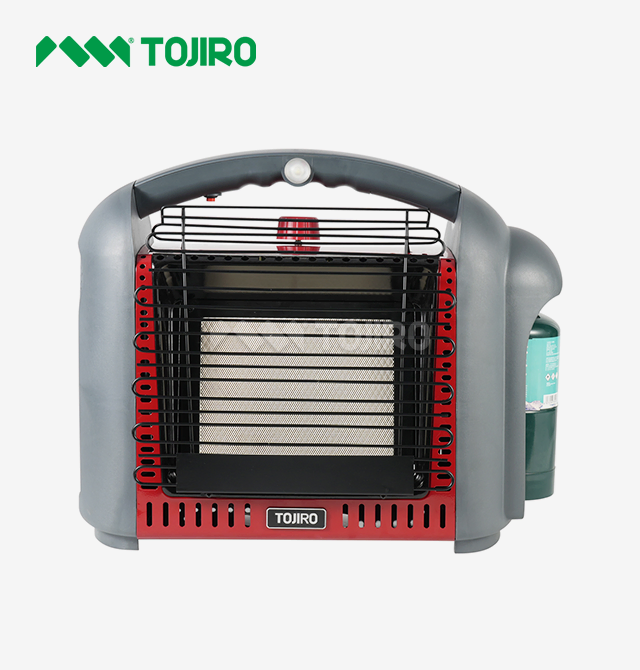 VIEW MOREresidential propane heaters
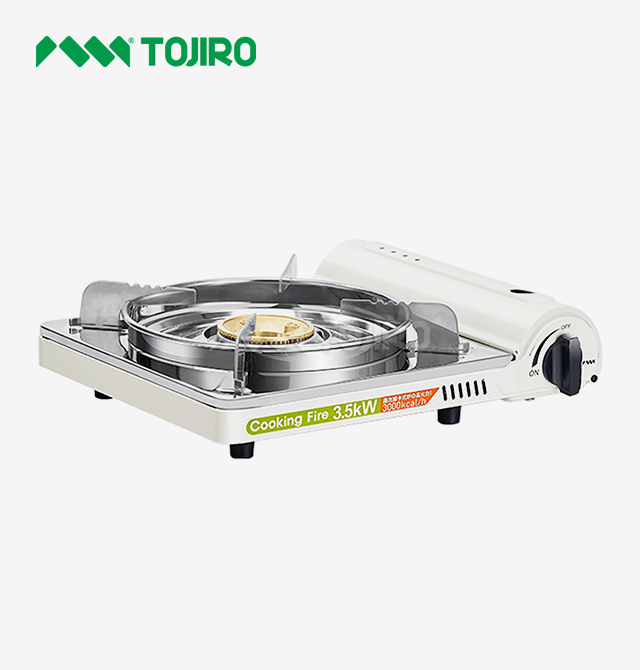 VIEW MOREOutdoor Butane Stove for Camping
_1763607881538.webp) VIEW MOREpropane heater for mobile home
VIEW MOREpropane heater for mobile home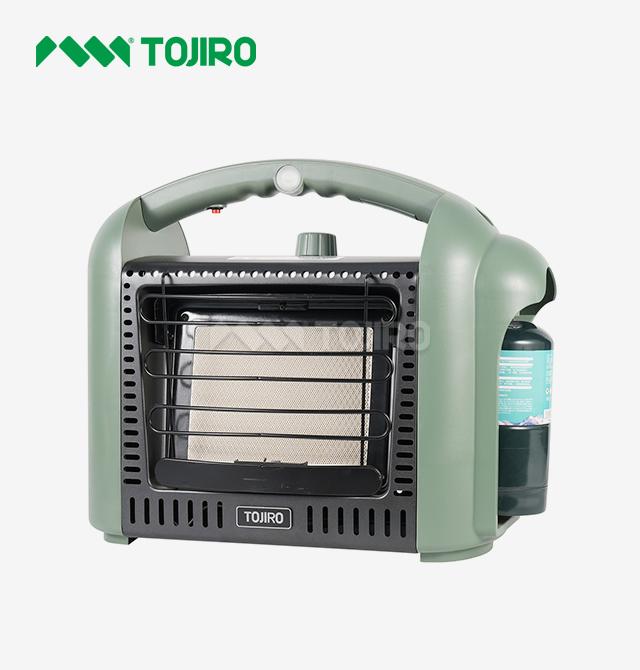 VIEW MORE5 foot tall propane patio heater
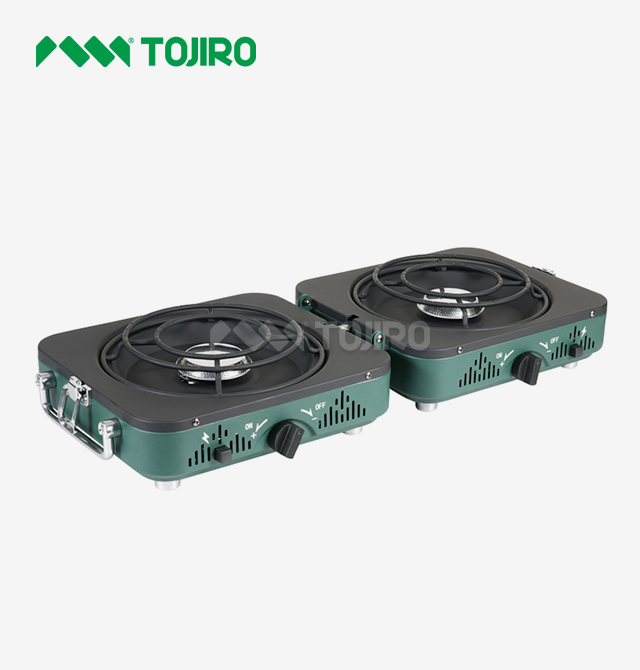 VIEW MOREtwo burner butane camp stove
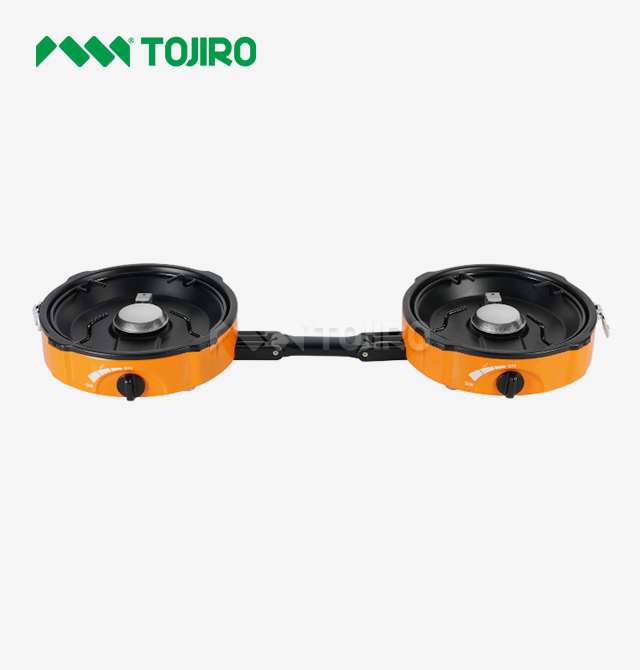 VIEW MOREinset cooking pan butane stove
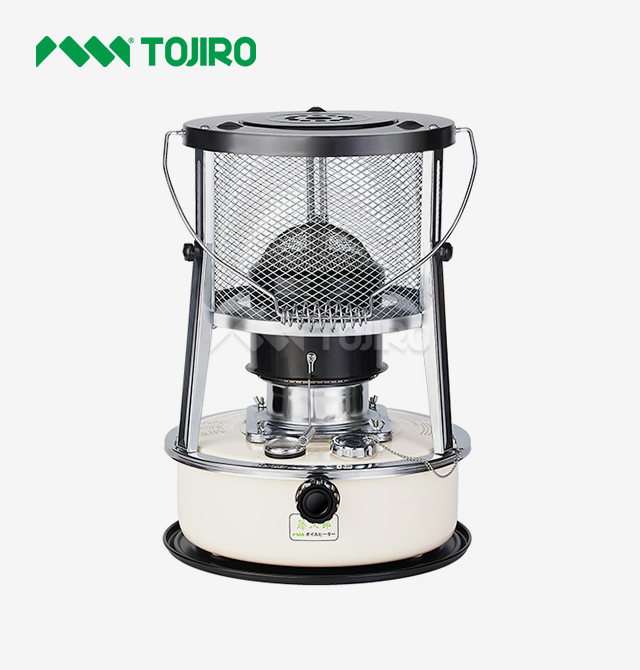 VIEW MORE9000 BTU kerosene heater
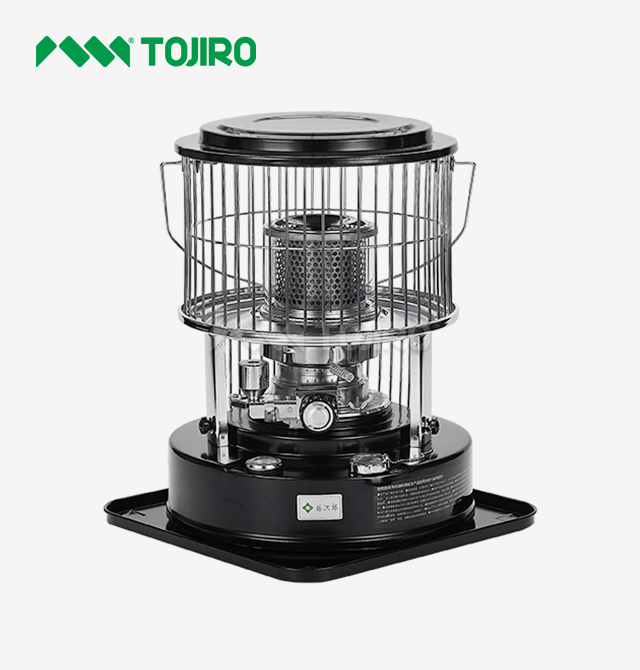 VIEW MOREcommercial kerosene heater