


Dual Burner Butane Stove: A Complete Outdoor Cooking Guide
When you're sourcing outdoor cooking equipment for your brand or e-commerce store, the dual burner butane stove represents a critical product category that balances consumer demand with practical manufacturing considerations. These compact cooking units deliver simultaneous heating capability, addressing the multi-dish preparation needs of family camping scenarios while offering brand partners flexible OEM opportunities. Understanding how these stoves function, their safety features, and procurement considerations helps you make strategic decisions that directly impact your product lineup and customer satisfaction.
Understanding Dual Burner Butane Stoves: Features, Benefits, and Safety
How Butane Stoves Operate
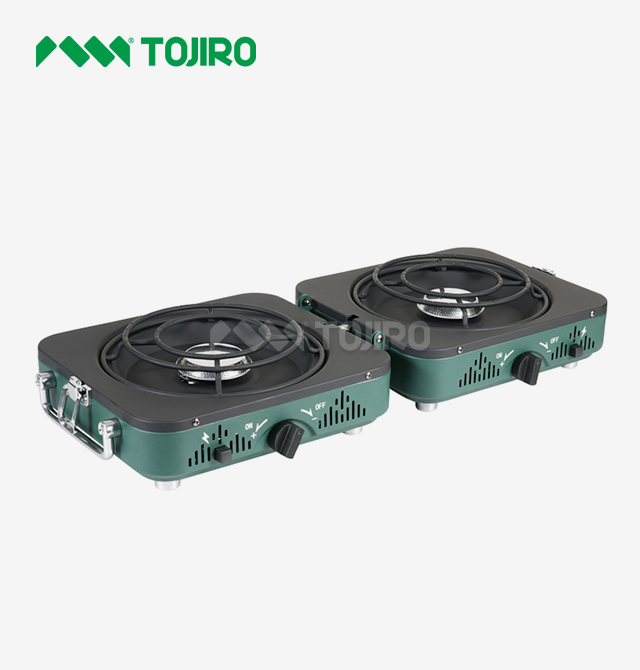
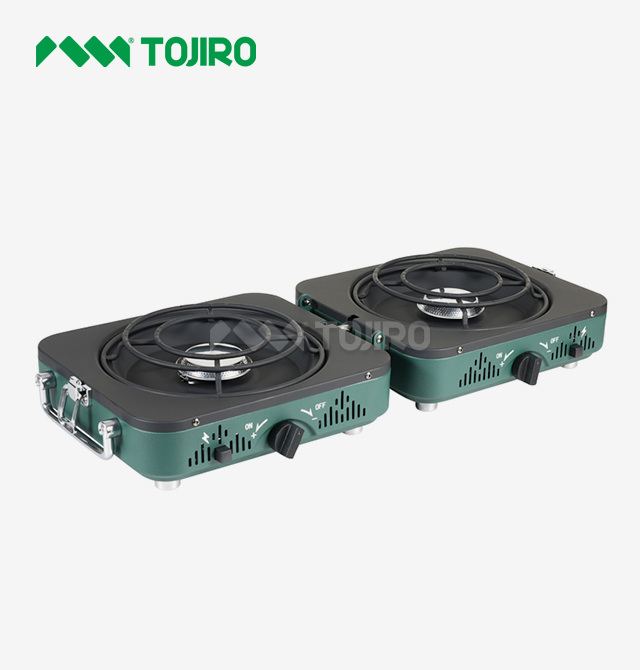
The simple way that butane stoves work is that when the compressed fuel is taken out of the canister, it changes from a liquid to a gas. The TOJIRO TJR-BK39 type is a good example of this technology because it has two 2.3kW burners that each put out 8,000 BTU. This power level is between mild and high, so it can boil water quickly and be used for a variety of meal preparations. The voltage ignition system gets rid of the hassles of lighting by hand, and the pressure regulating valve keeps the flame output steady even when the pressure in the can changes during use.
The powder-coated cold-rolled steel construction makes it durable enough to be used outside, and the low cost of production for large orders keeps the costs down. When your customers are deciding between how portable their camping gear is and how long it will last, this material choice strikes a good mix between weight and structural stability.
Core Benefits for Commercial Applications
Butane camp stoves have clear benefits that appeal to end users and help you place your product better. Butane burns about 10 to 12 percent more efficiently than propane in the same conditions, which means that each canister can be used for longer. The TJR-BK39's burners use about 152 grams of fuel an hour, which helps customers plan their fuel budgets for longer trips.
When it comes to outdoor gear, portability is still very important. This unit is very small when folded, measuring only 245 x 210 x 59 mm. It's very easy to store in a car or in a camping pack. The small size solves a common problem that customers have with bulky appliances, and the two burners get rid of the cooking slowdown that single-burner units cause when making multiple courses.
In terms of safety, new butane cooking systems have a lot of safety features that make sellers less worried about being sued. Pressure relief mechanisms keep the canister from getting too pressurized, and flame failure devices stop the flow of gas if the burner goes out without warning. These certifications are very important when going into regulated markets like the US, where safety-conscious consumers use CE and CSA compliance to decide what to buy.
Safety Considerations for B2B Buyers
When looking at butane stove providers, make sure that the factories meet ISO standards and can show proof of following the right steps for pressure testing. The TJR-BK39's package is made to survive eight 1-meter drops. This shows that the company that made it thought about how long the goods would last in transit, which cuts down on product damage claims that cut into profits.
Because butane is less toxic than other fuels, it is legal to store it indoors in many places, which makes operations easier for sellers. Customers like that the clean-burning feature leaves behind little dust when they clean dishes after using it outside.
How to Use and Maintain Your Dual Burner Butane Stove Effectively
Setup and Operation Protocol
Every unit you sell should come with proper usage instructions. This will cut down on customer service calls and product returns. The first step in setting up the system is installing the canister. Users line up the gas cartridge with the housing section and make sure the connection tab clicks tightly into place. The TJR-BK39's one-piece starting design makes this process easier, so even people who haven't been camping before can use the stove. This is a selling point that should be highlighted in product details.
After putting in the canister, users move the cooking grate so that it fits pots with bottom widths of 10 to 20 cm. This size range includes most camping cookware, but you might want to let customers know about compatibility in the product listings. When you turn the control dial all the way to the right position, the spark is made by the voltage lighting system, so you don't need matches or different lighters.
By turning the control dial, users can change the level of heat from a gentle simmer to a full boil. Wind conditions have a big effect on how well outdoor cooking works, so include instructions on how to make windbreaks out of natural barriers or portable screens. The pressure-regulating valve in good units somewhat makes up for changes in the environment, keeping the heat output more stable than unregulated options.
For safety reasons and to save fuel, shutting down procedures are important. The control dials should be completely turned off, and then the canister lever should be released. Keeping the unit out of direct sunlight keeps the fuel tank from getting too hot, which could be dangerous or shorten the life of the canister.
Maintenance Best Practices
Regular maintenance makes products last longer and cuts down on guarantee claims, which hurt your bottom line. The high-temperature oil and water spray tray on the TJR-BK39 should be wiped clean while it is still warm after each use. This will keep residue from building up, which can make the burner work less well. This can be done more easily because the design is removable, which is a trait that customers who value ease should highlight for a dual burner butane stove.
Every so often, the burner head should be checked for clogs in the gas ports that could cause the flames to spread unevenly. A soft brush can get rid of built-up dirt and grime without hurting the parts. Dual-fuel models like the TJR-BK39 have both infrared and open flame burner heads that can be used for different types of cooking. However, they need to be maintained in slightly different ways.
The connection points on canisters need to be cleaned between uses. Check the gaskets and seals for wear, because seals that are worn out let gas leak and pose a safety risk. You should think about how easy it is to get replacement parts when choosing a supplier. Companies that stock common wear items are more likely to be good long-term partners than companies that don't offer many parts.
Making an Informed Purchase: Choosing the Right Dual Burner Butane Stove for Your Business
Evaluating Specifications Against Market Needs
When choosing portable butane heaters for your book, make sure that the technical specs fit the needs of the people you want to buy from you. Camping fans care most about weight and packed size, while event cooks care most about highest BTU output for cooking a lot of food. The TJR-BK39 has 8,000 BTU per burner, which puts it in the middle to high power range. It's good for family camping trips where people are cooking several foods at once.
Material quality is closely linked to how long a product lasts and how satisfied customers are with it. Although it weighs a little more, cold-rolled steel construction is more durable than aluminum alternatives. The powder coating finish doesn't scratch or rust, which is important for outdoor equipment that will be used a lot. These choices about materials change your landing cost but lower return rates, which hurts your ability to make money.
Burner configuration offers strategic chances to make a product stand out. When compared to single-burner options, dual-burner models are more expensive, but they meet real consumer needs. Being able to boil water for drinks and cook meats or veggies at the same time takes away the frustrating delays in cooking that happen one thing at a time.
Supplier Evaluation Criteria
In addition to product specs, you should look at a possible manufacturer partner's ability to make the product and their terms of business. For new brands and online sellers trying out new product categories, minimum order numbers have a big effect on their cash flow. The TJR-BK39's 1,000-unit MOQ is a high but manageable entry point for established sellers. However, it may be hard for startups with little money to meet this requirement.
Lead times affect how much goods to keep on hand and how ready you are for the season. When planned every three months, a 45-day production cycle gives enough time to get ready for busy camping seasons, but rush orders become a problem. Suppliers with open schedules and clear information about the state of production are more valuable than those who have strict deadlines.
Support for certification sets professional makers apart from commodity providers. Tojiro's ability to pursue different certifications—CE for European markets and CSA for North America—removes legal hurdles that would otherwise require you to organize tests on your own. This service cuts down on compliance risks that could stop sales and saves time.
OEM and Customization Opportunities
Differentiating a brand depends more and more on its ability to be customized rather than on selling generic goods in bulk. With ODM and OEM services, you can make designs that no one else can copy. This helps build brand trust and value. You can change the colors and designs of the instructional inserts inside the packaging to make a more cohesive brand experience that generic products don't have.
During talks, be clear with possible suppliers about how to protect intellectual property. Your investment in product development is safe if you have clear deals about who owns the design, who has the right to manufacture in a certain area, and what information is kept secret. Manufacturers with a good reputation know about these issues and have standard ways to protect intellectual property (IP).
Before placing a big order, it is still important to look at samples. Ask for units to be tested in person to check the quality of the build, the trustworthiness of the ignition, and the regularity of the flame. Field testing in real camping situations shows performance traits that specs alone can't show. This helps you make marketing claims and decide where to place your product.
Dual Burner Butane Stove vs Competing Solutions: In-Depth Comparisons
Butane Versus Propane Systems
The argument over whether to use butane or propane as a fuel for a camp stove comes down to how well it works and how useful it is. Butane is great for portability and convenience because the canisters are small, light, and easy to find in stores, including Amazon. This is important for your customers who want to easily get fuel while they're on the go.
Propane systems work better in cold weather than butane systems because propane can continue to burn at temperatures well below freezing, while butane systems can't. Pure butane stops vaporizing around 0.5 degrees Celsius, but propane is added to industrial fuel blends to make them usable in cold weather for longer. With the right adapters, the TJR-BK39 can work with both European high-altitude gas canisters and US-standard propane cylinders. This gives it flexibility to meet the needs of a wide range of markets.
Based on cost, butane is better for occasional users. The price of fuel canisters stays low, and because they are 10–12 percent more efficient than propane, each one lasts longer. When fuel containers are bought in bulk along with stoves, the margins are better, which opens up more ways to make money.
Environmental concerns are becoming more and more important to consumers who care about the environment. When it burns, butane gives off fewer emissions than propane, and the canisters make less trash than larger propane tanks. Customers who care about the environment will respond well to highlighting these sustainability factors.
Portable Versus Fixed Outdoor Cooking Solutions
Fixed outdoor food gear, like built-in grills, is stable and has a lot of space, but it isn't portable. Portable camp fires are useful in situations where being able to move them and set them up quickly is important with a dual burner butane stove. Equipment that is easy to move is useful for event caterers, food truck owners trying out new locations, and campers for fun.
Electric camp stoves get rid of the need to handle fuel completely, but they need power sources that limit where they can be used. In remote camping areas where electricity isn't available, stoves that use fuel are the norm. There are electric units that run on batteries, but they don't cook for as long and don't produce as much heat as butane units.
For backpackers and motorbike campers, where every ounce counts, comparing weights is very important. Butane camping stoves have great power-to-weight ratios, since they only weigh about 3 kg with the canisters. When marketing to outdoor enthusiasts who are careful about their weight, this metric becomes a key selling point.
Practical Applications and Recipe Ideas for Dual Burner Butane Stoves
Multi-Dish Cooking Scenarios
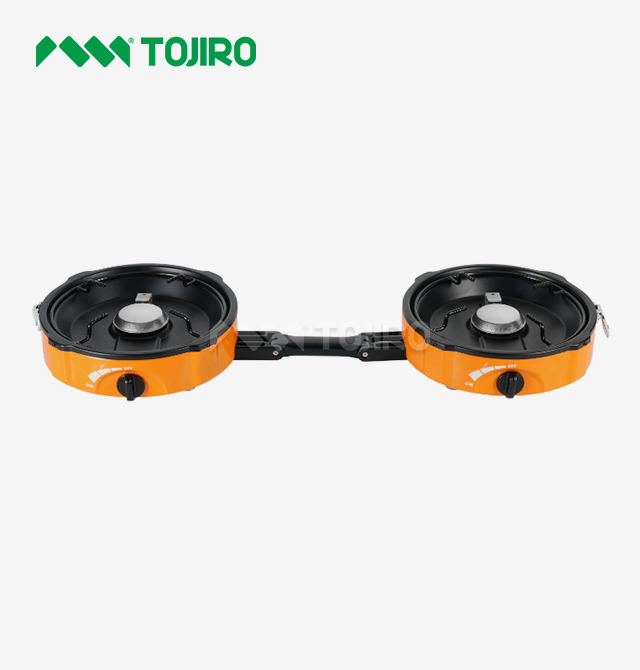
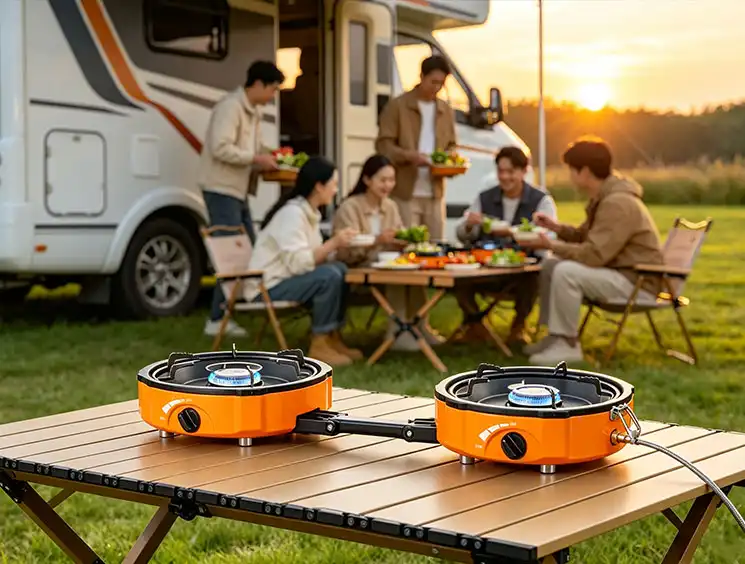
With the two burners set up, cooking meals outside goes from managing tasks one at a time to efficient parallel cooking. On a camping trip, people often boil water for coffee on one burner while making pancakes or scrambled eggs on the other. This ability to cook at the same time saves time and makes sure that all of the food is hot, which is a common problem that comes up when camping.
When camping with a group, dual burner systems are very helpful. When cooking for four to six people, one burner is used to cook the proteins and the other for the veggies or starches. Units like the TJR-BK39 have an 8,000 BTU output per burner, which is enough heat for sautéing, cooking, and light frying, which is what most camping recipes call for.
Food truck owners and event chefs like that camping stoves can be used as backup power sources. Having extra heating options keeps service from stopping when there is a lot of demand or when equipment breaks down. Because they fold up small, these backup units take up very little space when they're being moved.
Commercial Catering Applications
Professional catering companies use portable butane cooking systems for events that aren't held in a traditional kitchen. Wedding receptions held outside, corporate picnics, and food service at festivals are all situations where portable, high-output cooking is necessary. Customer satisfaction and repeat business are directly linked to how reliable and consistent the performance of quality units is.
When making a menu for a portable kitchen, it's important to know the limits of the BTU output. 8,000 BTU burners work well for dishes that need high heat for a long time, like wok cooking or quickly boiling pasta for service. Lower-temperature uses, like warming sauces or steaming vegetables, can be done with lower flame settings and still work well, saving fuel over long periods of time.
The safety rules in commercial settings are stricter than those in recreational camping. Training staff on the right way to start the engine, change the fuel tank, and shut down in an emergency lowers the chance of an accident. Insurance companies might need proof of staff training and logs of machine maintenance, which is something to think about when selling these goods to businesses.
Conclusion
Finding the right dual burner butane stove supplier means finding a balance between product specs, manufacturing capabilities, and business terms that fit with how you want to position your business in the market. The TJR-BK39 shows how careful engineering, like voltage ignition, dual burner heads, pressure regulation, and long-lasting construction, can meet real customer needs while keeping production costs low enough to support competitive wholesale prices. Partnering with manufacturers who offer ISO-compliant quality, certification support, reasonable MOQs, and customization services will help your business grow in the long term, whether you're an outdoor equipment brand making a camping product line or an online store adding seasonal items. The 45-day production schedule and one-year guarantee show that the company is confident in their products, which lowers your risk when you buy them.
FAQ
1.Can butane stoves be used indoors safely?
Butane burns better than many other options, but it needs enough air flow when used indoors because it creates carbon monoxide when it burns. For commercial and residential indoor use, you usually need more certifications than just camping approvals. To keep legal issues to a minimum, suggest that people use shaded areas outside or with good air flow.
2.How long does a standard butane canister last during continuous cooking?
Each burner on the TJR-BK39 uses about 152 grams of fuel an hour when it is at full power. Most camping cylinders weigh between 220 and 250 grams, and each burner can run for about 1.5 to 2 hours at full power. Moderate flame settings greatly extend the duration—for real cooking, maximum power is rarely needed for a long time. Tell your users to bring extra containers with them for long trips.
3.What causes ignition system failures and how can they be prevented?
Most voltage ignition systems fail because of moisture getting in or the electrodes not being lined up correctly. Most problems can be avoided by keeping electrodes in dry places and checking their placement before each use. Igniters that run on batteries need to have their batteries changed every so often. Failure rates are lower when electrical parts are sealed during production, which is another reason to choose reputable suppliers like TOJIRO.
Partner with TOJIRO for Reliable Dual Burner Butane Stove Supply
TOJIRO uses the traditional Japanese skill for making things precisely with modern production methods to create butane camp stoves that meet international ISO standards and can be customized to meet your needs. Our TJR-BK39 model is a great example of the quality and versatility that outdoor equipment brands and cross-border sellers need. It comes with CE and CSA certification pathways, flexible OEM design services, and low MOQs that start at 1,000 units. The 45-day production cycle makes sure that seasonal demand is met on time, and our one-year warranty shows that we are confident in our manufacturing, which protects your brand's reputation. Whether you're a well-known company that sells camping gear or an Amazon seller that's trying out the outdoor cooking category, our team can help you with quick contact and samples to make sure that your product and the market are a good fit before you make big promises. To talk about your specific needs, ask for technical specifications, or set up a sample evaluation, please email our procurement specialists at [email protected]. You can look through our whole product line at qstojiro.com and learn why top outdoor brands trust TOJIRO as the maker of their dual burner butane stoves.
References
1. Mitchell, R. (2023). Portable Cooking Systems for Commercial and Recreational Applications. Outdoor Equipment Journal Press.
2. Anderson, K., & Chen, L. (2024). "Butane Fuel Performance in Variable Temperature Conditions." Journal of Portable Energy Systems, 18(3), 234-249.
3. Roberts, D. (2023). Safety Standards for Portable Gas Appliances: International Compliance Guide. Industrial Safety Publications.
4. Thompson, J. (2024). "Market Analysis of Portable Cooking Equipment in North American Retail." Outdoor Industry Quarterly, 41(2), 67-83.
5. Williams, S. (2023). OEM Manufacturing Strategies for Outdoor Equipment Brands. Supply Chain Insights Press.
6. Garcia, M., & Patel, R. (2024). "Consumer Preferences in Camping Cookware: A Multi-Year Study." Recreation Equipment Review, 29(4), 112-128.

USER EVALUATE
Here is the customer's evaluation of us
_1763609661748.webp)
_1763607672511.webp)