


Cooking Fresh-Caught Fish on a Portable Fish Grill
Fresh-caught fish cooked on a portable fish grill has the best taste and is the most efficient way for companies in the outdoor dining, catering, and leisure services to run. A well-designed portable fish grill has a consistent heat output, a sturdy build, and is easy to move. This makes it an essential tool for rental companies, campsite owners, and business event planners. Choosing equipment that is both effective and easy to maintain will help you get regular results while keeping the total cost of ownership as low as possible. This guide talks about the buying goals of business-to-business buyers who want reliable cooking solutions that meet business needs and improve customer experiences in a variety of outdoor settings.
Understanding Portable Fish Grills: Types, Features, and Benefits
Core Components and Fuel Types
Fuel and construction make a portable fish grill distinctive. Gas-powered models are more frequent in businesses since they heat rapidly and maintain the correct temperature. These machines accept US or European gas tanks, so they may be used worldwide. Electric versions perform well in steady power environments, while charcoal models are suitable for classic taste combinations. Multiple fuel types allow hybrid systems additional operational flexibility when field conditions change quickly.
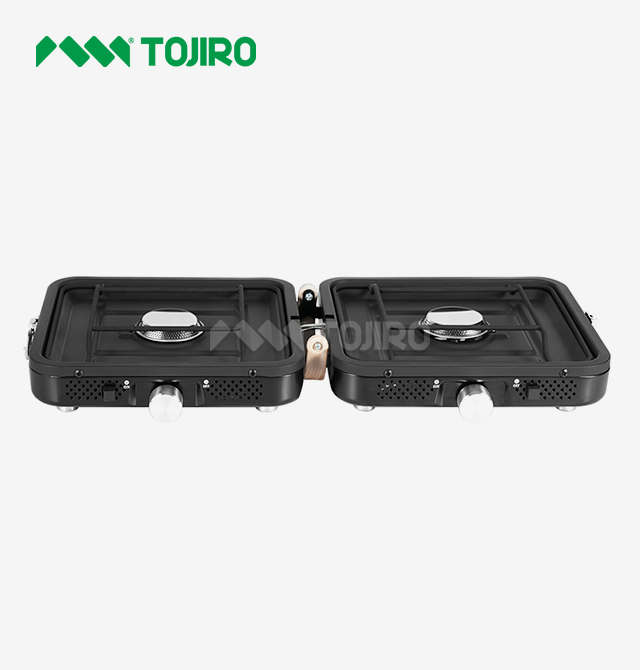
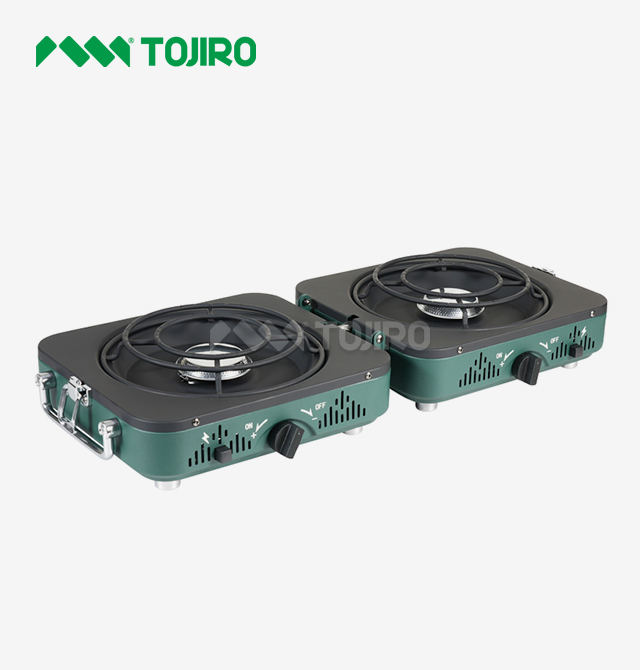
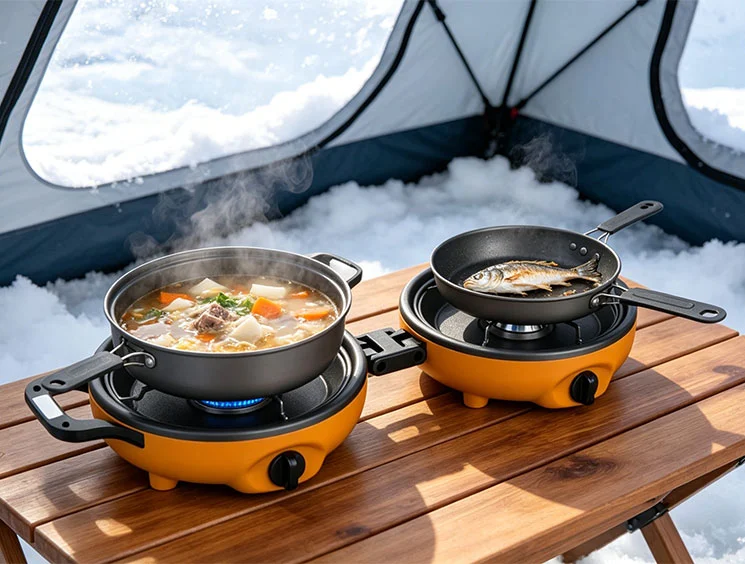
TOJIRO's 2.3kW output and 8000 BTU per burner head demonstrate gas-powered appliances' efficiency. This configuration can cook fish infrared and open flame, so you can use one device. Cold-rolled steel's powder coating makes it weatherproof, which is vital for equipment used near water. Over time, the material can withstand repeated temperature fluctuations without losing structural integrity.
Portability and Operational Advantages
Businesses that service various locations or temporary event venues must be mobile. The compact folding gadgets make storage easy without limiting working space. Models that can be folded from 268×210×117mm to 245×210×59mm enhance transport operations, allowing rental teams to maximize inventory. Weight affects setup efficiency, particularly for activities that often switch service locations.
Professional technology controls temperature, unlike home technology. Pressure-regulating valves maintain gas flow regardless of outside circumstances or cylinder pressure. This consistency eliminates hot spots and uneven cooking that degrade food and waste it. One-touch starting speeds up peak demand readiness by eliminating the need to ignite devices by hand. These features make operations more uniform across deployment sites and reduce casual worker training.
Maintenance and Safety Protocols
Commercial equipment must endure longer due to more rigorous usage than domestic use. For firms with tight booking schedules, high-temperature oil and water collection systems make post-service cleanup simpler. Powder-coated surfaces don't corrode in seawater, so they endure longer for coastal workers. Built-in safety mechanisms prevent gas leaks and temperature hazards. These minimize responsibility and safeguard personnel and end users.
Check and test the burner head, gas lines, and starting system at regular repair periods. Equipment with accessible component arrangement makes routine maintenance faster. Eight one-meter drops proved the box could resist severe transportation circumstances in rental and distribution networks.
How to Cook Fresh-Caught Fish on a Portable Fish Grill: Step-by-Step Guide
Grill Preparation and Preheating
Proper tool setup is the first step to consistent cooking. Gas lines should fulfill regional safety requirements and have working pressure control before every repair. Pre-heating the cooking surface to 400–450 degrees Fahrenheit provides thermal mass for optimum burning and reduces cooking time. This temperature range prevents skin dryness and discomfort.
Grill grates are cleaned using stainless steel equipment to remove food remnants from previous cooking sessions. This prevents various fish from becoming ill and helps clients who must observe dietary limitations. Cleaning surfaces reduces stickiness, which ruins fish and wastes plates.
Fish Selection and Preparation Techniques
To bring out the natural tastes of fresh-caught fish, it only needs to be lightly prepared. Let the fish sit at room temperature for 5 to 10 minutes before cooking it. This helps the heat spread out evenly and stops thermal shock, which separates the meat. Putting a lot of oil on both the fish and the grill plates makes a barrier that keeps the food from sticking while it's cooking.
The general rule of 8 to 10 minutes of cooking time for every inch of fish thickness can be used to plan menus and estimate when food will be ready to be served. When it's suitable, searing the flesh side of skin-on preparations first can help, but many business operations prefer cooking skin-down because it makes serving easier. Instead of just using timers, checking to see when fish is done by watching it move naturally off of cooking surfaces is also a good way to tell.
Post-Cooking Maintenance
Cleaning right away after each service session stops the building of carbonized dust that slows heat transfer over time. The two burners set up in a way that lets cleaning be done in stages without having to shut down the whole machine for long periods of time. Water pan systems collect drips that would otherwise turn to carbon dioxide on burner heads. This cuts down on the number of times they need to be serviced and keeps the heat output steady.
If you let cooked fish rest for three to five minutes before serving it, the juices can redistribute throughout the flesh, making it taste and feel better. This break time also works for professional kitchens where coordinating multiple items at the same time is necessary.
Portable Fish Grill Comparison: Choosing the Best Model for Your Business Needs
Performance Metrics and Evaluation Criteria
The regularity of heat spread has a direct effect on the stability of food quality in high-volume processes. Dual-burner systems let you cook different kinds of fish at the right temperatures at the same time by creating different zones. The 8000 BTU output per burner meets the needs of businesses while keeping fuel economy levels that keep costs down. Infrared burner technology produces intense heat that is perfect for getting sear marks that look like they belong in a restaurant and are valued by high-end catering clients.
Costs of labor and training spending are affected by how easy something is to use. Intuitive control layouts make it easier for operators to do their jobs and speed up the training process for casual staff during busy times. For rental models where customers move units themselves, a portable fish grill that weighs less than 15 pounds works best. On the other hand, heavy business designs put sturdiness over portability.
Supplier Reputation and After-Sales Support
Buyers must evaluate a maker's reliability and service network connectivity. Tojiro's ISO9001:2015 certificate demonstrates that they employ coordinated quality control to ensure batch consistency, even when creating many. Tourist-dependent businesses may schedule their annual demand around the 45-day production cycle. The 1000-unit minimum order quantity matches wholesalers and large-scale operators' purchase volumes and promotes low unit pricing.
Warranty service reduces financial tool investment. Single-year guarantees demonstrate the manufacturer's confidence in the product's longevity and provide companies ample safety when calculating total cost of ownership. Customization via ODM/OEM agreements allows white-label partners and private brand expansion, helping to stand out in competitive marketplaces.
Accessory Ecosystem and Part Availability
Long-term operating success depends on how easy it is to get new parts and what kinds of accessories work with the system. Grill baskets made for delicate fish species let you add more items to your menu and keep food from falling through the grill grates. Universal connection with pans having bottom widths ranging from 10 cm to 20 cm allows for a wide range of cooking uses besides fish preparation, increasing the use of tools.
Transport boxes and safe storing options keep rental tools in good shape during the off-season and cut down on damage claims. Businesses should check with their providers to see if they keep enough product on hand to meet quick repair needs during busy times.
Procurement Guide: Where and How to Buy Portable Fish Grills for Your Business
Sourcing Channels and Vendor Selection
Direct connections with manufacturers are helpful for people who buy a lot of products and want to make changes or meet certain approval standards. Because TOJIRO can handle a variety of licensing uses, it can meet the safety standards of different countries' markets. This adaptability is helpful for wholesalers that have to deal with a lot of different regulations or government buying rules.
Wholesale providers give you access to a larger collection and might be able to send orders faster if they are smaller than the manufacturer's minimum. Online markets make it easier to compare prices and read reviews from other customers, but buyers should make sure the seller is real and can help them after the sale. You can get access to technical specs and large price models by building relationships with makers like TOJIRO at qstojiro.com or by emailing [email protected].
Cost-Value Analysis and Negotiation Strategies
The total cost of ownership includes more than just the buying price. It also includes the cost of repairs, new parts, and changes in how efficiently the business runs. When a portable fish grill works consistently with little downtime, it's worth the extra money because it saves money on labor costs and makes customers happier. Bulk order savings have a big effect on the unit economy of rental teams and owners with multiple locations.
Shipping terms affect landing prices, especially when buying things from other countries. Per-unit travel costs can be lowered by optimizing container loads and combining freight. Buyers should make sure they understand where the guarantee covers and how easy it is to reach the service network in their operating areas.
Product Lifecycle Considerations
The supply of new parts affects how long equipment lasts and how the repair cycle is planned. Manufacturers who back their goods after the initial sale time through spare part programs protect buyers' capital and make assets last longer. The cold-rolled steel structure and powder coating finish on TOJIRO units show that they are made to last and can be used in all four seasons.
Ensuring Food Safety and Quality Control When Using Portable Fish Grills
Hygiene Standards and Cleaning Protocols
No matter where it is used, commercial food preparation equipment has to meet strict cleanliness standards. Modern portable fish grills need to be cleaned in a way that gets rid of both obvious waste and the risk of germ contamination. Stainless steel grill grates are easy to clean thoroughly between uses and won't rust when cleaned with chemicals that are safe for surfaces that come into touch with food.
The oil and water collection system built into TOJIRO designs keeps food from getting contaminated between cooking sessions and makes getting rid of waste easier. Operators should write down cleaning plans that are in line with the standards for health department inspections and their own quality assurance programs. When training staff, it's important to stress the right way to handle things so that burns and other heat injuries don't happen while cleaning.
Temperature Monitoring and Food Safety Compliance
Getting and keeping fish at the right body temperature lowers the risk of foodborne sickness and keeps the texture quality. Predictable cooking results that meet food safety standards are made possible by pressure-regulating valve systems that keep the heat output steady. Instead of depending only on eye cues, operators should set up routines for checking the temperature using accurate thermometers.
Documentation methods that keep track of how often equipment is cleaned and maintained protect you from risk and show that you did your homework during health checks. These records are especially useful for hiring businesses that have equipment that is used by people with different levels of experience.
Conclusion
To choose the right portable fish grill, you have to weigh the performance specs, longevity standards, and total ownership costs against the unique needs of your business. For the dependability that businesses need, gas-powered types with two burners and sturdy construction are the best choice. TOJIRO combines the accuracy of Japanese production with designs that have been tried and tested in the field to make tools that can be used professionally for long periods of time in a variety of outdoor settings. The 45-day production cycle and ability to make changes allow for both yearly changes in demand and specific application needs. Purchasing teams should give more weight to sellers who can show that they are ISO certified, offer full guarantee support, and have a history of exporting. All of these things work together to make sure that investments in technology always pay off by extending its useful life and causing as little damage to operations as possible.
FAQ
1. What distinguishes commercial-grade portable grills from consumer models?
Commercial units are built to be used every day, so they have stronger construction, higher BTU output for faster cooking processes, and easy-to-reach parts that make upkeep easier. Industrial powder covering and materials that don't rust make portable fish grills last longer in harsh outdoor conditions. Pressure control methods work the same way even when the outside factors change.
2. How do electric grills and gas grills differ when it comes to cooking fish?
Gas systems are easier to move around because they don't need to be connected to electricity. This makes them perfect for rural areas and mobile services. They heat up faster and can reach higher temperatures that are good for cooking fish. Electric types are easier to use and don't need to worry about storing fuel, but they are less flexible in how they can be deployed.
3. What customization choices are there for sales of a lot of equipment?
Manufacturers like TOJIRO can work with ODM/OEM agreements that include unique branding, changed fuel system specs, and packages made to meet specific delivery needs. Most of the time, the minimum order quantity is 1000 units, and wait times are 45 days. Certification apps can meet the safety norms and legal requirements of a certain area.
Partner with TOJIRO: Your Trusted Portable Fish Grill Manufacturer
TOJIRO, a trusted portable fish grill manufacturer, makes commercial-grade outdoor cooking equipment and has been making products for over 20 years, so they can serve customers all over the world. Our provider of portable fish grill solutions offers full customization, low bulk prices, and solid 45-day production plans that work with your yearly demand trends. Our equipment is perfect for rental businesses, hotel providers, and delivery networks because it has a 2.3kW dual-burner output, is built to withstand the weather, and comes with a full one-year guarantee. Our adjustable ODM/OEM services and technical support that meets the needs of specific applications help procurement teams. To talk about bulk rates for sales that meet our 1000-unit minimum, email our team at [email protected] or visit qstojiro.com. We give you full technical specs, licensing paperwork, and unique packing options that help your business grow and meet its goals.
References
1. Smith, J.R. (2022). Commercial Outdoor Cooking Equipment: Selection and Maintenance Strategies. Professional Food Service Publishing.
2. Anderson, M.K. (2021). "Heat Distribution Analysis in Portable Gas Grilling Systems," Journal of Food Service Equipment Technology, 18(3), 45-62.
3. Thompson, L.P. (2023). B2B Procurement Guide for Hospitality Equipment. Industry Standards Press.
4. Wilson, D.A. (2020). "Food Safety Protocols for Mobile Cooking Operations," Commercial Kitchen Management Quarterly, 12(2), 78-94.
5. Roberts, C.E. (2022). International Standards for Portable Cooking Appliances. Technical Certification Institute.
6. Martinez, S.H. (2021). "Total Cost of Ownership Models for Commercial Cooking Equipment," Procurement Management Review, 29(4), 112-128.

USER EVALUATE
Here is the customer's evaluation of us
_1763609661748.webp)