


Choosing a 2 Burner Camping Stove for Efficient Outdoor Cooking Tasks
Selecting the right 2 burner portable camping stove transforms your outdoor cooking from a challenge into pure enjoyment. When you're preparing meals at a campsite or managing bulk cooking operations for outdoor retail customers, dual-burner systems deliver efficiency that single burners simply cannot match. The ability to simultaneously boil water while cooking proteins saves significant time and fuel. Modern dual-burner camping stoves combine portability with professional-grade performance, offering heat outputs around 8000 BTU per burner, durable construction designed for repeated use, and safety features that protect users across diverse environments.
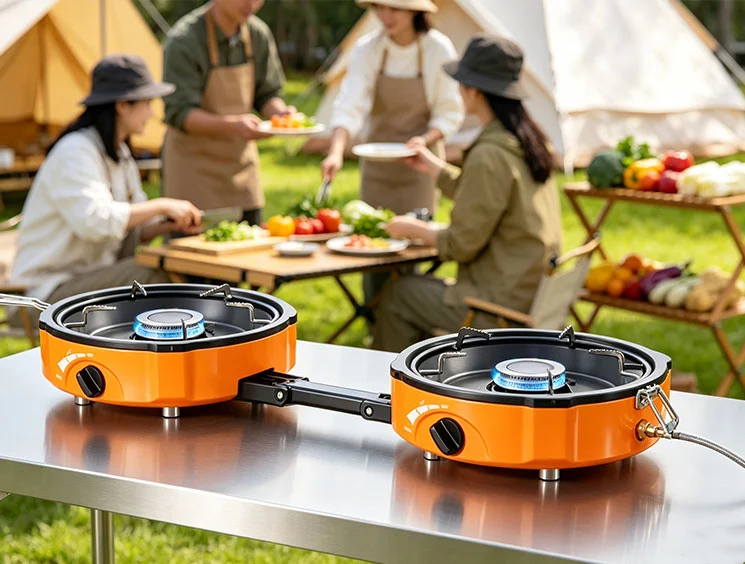
Understanding the Essentials of Dual-Burner Camping Stoves
How Fuel Types Impact Performance
Because it works the same way at all temperatures, propane is still the most popular fuel for 2-burner portable camping stoves. Standardized fittings make it easy for propane canisters to connect to stoves. They also work reliably in cold weather down to -40°F and have consistent burn times. Butane is a lighter alternative that works well in warmer climates but not so well below 32°F. Multi-fuel stoves can use a variety of fuels, which makes them useful for international markets where fuel supplies aren't always consistent.
Core Components That Define Quality
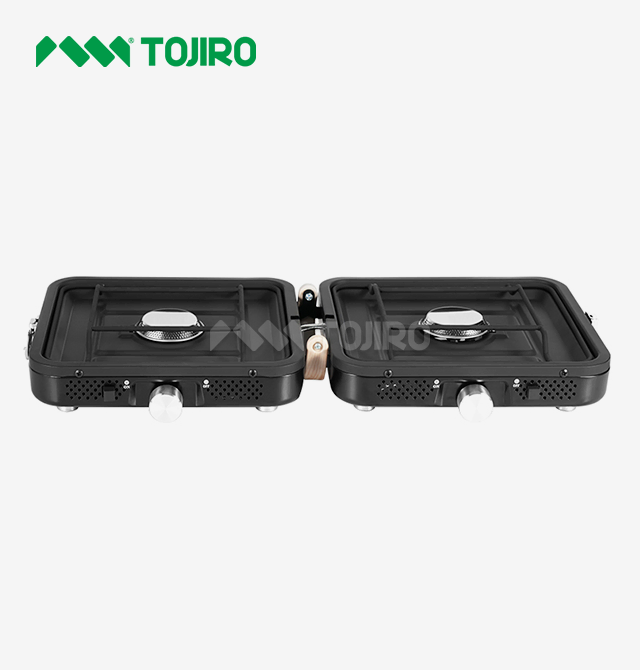
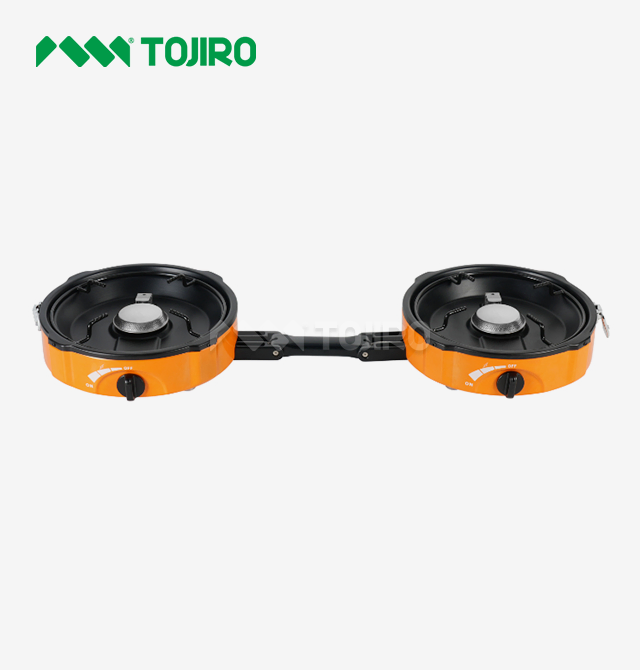
The design of the burner head has a direct effect on how quickly food cooks. Open flame stoves are great for jobs that need a lot of heat, like searing and cooking. Infrared heaters spread heat more widely, which cuts down on hot spots and saves fuel. High-end models, like TOJIRO's TJR-BK39, have both types of burners built in, with 2.3kW per burner for a variety of cooking choices. Cold-rolled steel construction with a powder coating doesn't rust when exposed to water or food acids, so it lasts much longer than materials that haven't been treated.
Ignition Systems and Operational Safety
Because they use mechanical pressure to make sparks, piezoelectric lighting devices don't need matches or lighters. Customers in emerging markets, where reliable ignition is important for product differentiation, will find this feature useful. When it's windy, voltage-based starting methods work better than other types. Safety features like pressure-regulating valves keep the flame output constant even when the outside conditions change, and automatic shut-off features turn the burner off when the flame goes out.
Comparing Different Types and Models of Portable Camping Stoves
Material Choices and Their Trade-offs
High-end markets are interested in stainless steel buildings because it lasts a long time and don't rust. Aluminum cuts down on weight a lot, which is helpful for backpacking where every ounce counts. Cold-rolled steel with a powder coating is the best choice for durability, weight, and value for money. This mix of materials can handle the wear and tear of commercial use while keeping prices low for large distributors.
Heat output benchmarks tell the difference between basic models and professional-grade gear. Units with 8000 BTU per burner can do everything from slowly bubbling to quickly boiling. Stoves with a lower output, around 5000 BTU, have trouble cooking big amounts of food at once. When looking for products to sell in stores, matching the heat output to the people you want to buy them will determine how well the product fits the market and how often people buy it again.
Performance Variations Across Use Cases
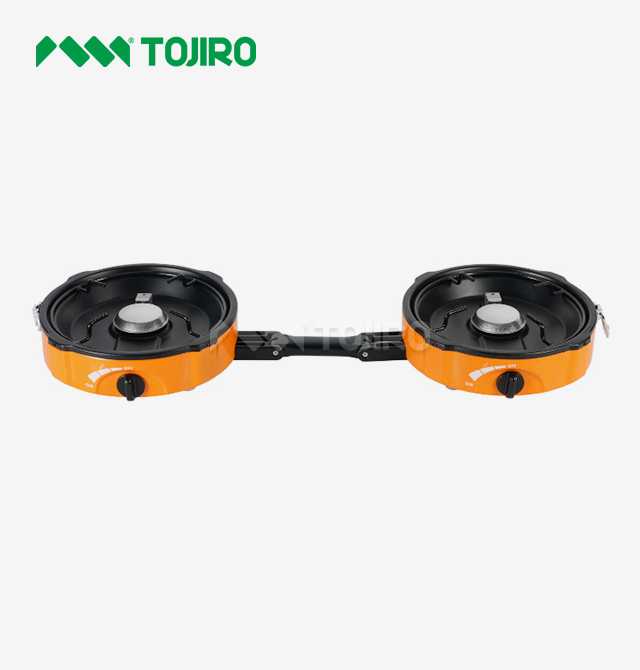
When camping in a car, cooking space is more important than weight savings. 2 burner portable camping stoves with bigger cooking surfaces can hold more pots at once, making it easier to feed a lot of people. The large size lets dishes with bottom diameters between 10 and 20 cm fit. When backpacking, small folding designs that take up little space are needed. TOJIRO's engineering makes great use of space; in seconds, it goes from being a full cooking station to a travel-ready package.
Brand Reputation and Market Position
Reliability is shown by well-known makers who consistently check the quality of their products and back up their warranties. Companies that keep their ISO9001:2015 certification show that they are dedicated to managing quality in a structured way. Since 2013, TOJIRO has been making outdoor gas equipment and sending more than a million units to Japan, Korea, Europe, and North America every year. This level of production keeps supply chains stable and customer service networks quick to respond.
Essential Safety and Maintenance Tips for Long-Term Reliability
Setup Protocols That Prevent Accidents
Putting the stove on a stable, level surface the right way keeps it from falling over and starting a fire or burning someone. Tents, dry plants, and fuel stores are all examples of things that need to be kept at least 3 feet away from each other. Protection from the wind makes fuel use much more efficient and lowers the risk of a flame-out. Protective windshields or natural barriers like the sides of a car work well without the need for extra equipment.
Routine Maintenance Procedures
Regularly cleaning the burner ports stops carbon buildup that blocks gas flow and makes flames that aren't even. The high-temperature oil and water spray tray on good models makes cleanup easier by catching bits of food and grease before they turn black on the burners. When gas connections are checked on a regular basis, wear can be found before leaks happen. O-rings and seals wear out over time and need to be replaced every 12 to 18 months in business settings.
Fixing common problems increases the life of equipment and keeps customers happy. Ignition failure is often caused by moisture in the igniter or spark gaps that are not lined up correctly. Usually, weak flames mean that the fuel pressure is too low or that the burner ports are partly clogged. Systematic analysis processes help end users fix problems quickly, which lowers the cost of support and guarantees claims.
Replacement Parts and Supply Chain Considerations
Finding compatible replacement parts can be hard when working with makers that aren't well known. TOJIRO's standard design for parts makes it easier for parts to be found across distribution networks. It is still easy to get burner heads, ignition systems, and pressure regulators through official routes. This ecosystem of parts serves the product throughout its entire lifetime. This builds trust with customers and gets them to buy again.
Procurement Insights and Best Practices for B2B Buyers
Balancing Cost and Quality in Volume Purchases
In emerging markets, where customers value value over premium features, price sensitivity drives buying decisions. The minimum order quantity of about 1000 units is a good fit for the ability of distributors in Southeast Asia, South America, and the Middle East. Tiered pricing systems reward customers who make bigger promises while still letting smaller original orders be used to test the market.
Lead times have a big effect on planning your goods. TOJIRO's 45-day production cycle lets them restock quickly during busy times without having to invest too much in safety stock. By comparing this timeline to those of competitors, you can see how efficient the operations are, which leads to more reliable delivery. Payment terms that offer a 30% deposit and the remaining 70% before shipment balance risk in a way that is fair for both parties.
OEM and Customization Opportunities
Private labeling turns ordinary goods into branded items that stand out in the market. Distributors who are building their own brands can use neutral package choices. Custom package designs that meet the standards for drop tests from a height of 1 meter and eight angles show the technical rigor that keeps goods safe in tough logistics environments. These features help distributors who ship through less developed transportation networks the most.
A certification that is flexible can meet the needs of different regulatory bodies in different foreign markets. There is no need for separate inventory streams when there are products that work with both European high-altitude gas cylinders and US propane standards. Being able to get the necessary licenses makes entering new markets easier and cuts down on the time it takes to start making money when moving into new areas.
Evaluating Supplier Reliability
Order fulfillment consistency is directly linked to how much a supplier can make from a 2 burner portable camping stove. Manufacturers that make more than 500,000 units a year have stable businesses that can grow with their distributors. The size of the facility and investment in equipment show dedication to the product category. It's not contract assembly operations that TOJIRO's 10,000-square-meter facility in Zhongshan shows off; it's serious production infrastructure.
Warranty terms show how confident the manufacturer is in the product's durability. A one-year warranty gives people peace of mind and makes it clear what kind of help they can expect. Authorized distributors offer choices for longer warranties, which can be used to sell more products and build stronger relationships with customers after the original transaction.
Making the Final Decision: Matching Your Needs with the Right Stove Solution
Segmenting Products by Portability and Power
Lightweight camping stoves that weigh less than 5 pounds are good for backpackers who want to cut down on pack weight. For flexibility, these small units give up cooking space and wind protection. Options that weigh between 8 and 10 pounds are a good balance between portability and cooking capacity, making them good for family camping trips. Heavy-duty models that weigh more than 12 pounds have the most cooking power and durability for base camp operations and for being ready for emergencies.
Depending on what it will be used for, power needs change. 2.3kW stoves are good for making simple meals for people who only use them occasionally for fun. When cooking for a lot of people, like when camping with a group or at a business outdoor event, two burners that each put out 8000 BTU are best. At this output setting, the water boils quickly, but the second burner can still simmer.
Long-Term Value Factors
The total cost of ownership is included in the assessment of durability, not just the initial purchase price. Stoves that can withstand harsh drop tests and environmental conditions need to be replaced less often. Powder-coated surfaces are better than painted ones at keeping them from scratching and rusting. These advantages of durability add up over several seasons, which increases the return on investment, especially for rental businesses and institutional buyers.
The reputation of a brand affects both its resale value and the cost of getting new customers. In alternative markets, well-known names command higher prices, which helps trade-in programs and customer loyalty programs. Newer brands, like TOJIRO, build a reputation through consistent quality and helpful customer service. As they do this, they slowly become known in the market, which makes it easier for distributors to get new customers.
ROI Benefits of Premium Selections
Case studies from distributors in emerging countries show how good tools can save you money. When failure rates are low, it costs an average of $15 to $25 per incident less to process warranty claims. Customers are happier when food is cooked faster, which leads to good reviews that lower marketing costs. Within two to three seasons of normal use, these operating savings make up for slightly higher wholesale costs.
Professional outdoor stores say that people who buy good camping stoves are 40% more likely to come back for other items that go with them than people who buy cheap equipment. This effect on basket size has a big effect on the lasting value of a customer, which is why it's smart to spend money on better equipment that builds relationships with customers instead of throwaway items that make the category more like any other.
Conclusion
To pick the best 2 burner portable camping stove, you need to think about how well it works, how long it will last, how much it costs, and how reliable the seller is. Distributors that want to reach large markets in Southeast Asia, South America, and the Middle East should buy equipment that is both well-made and reasonably priced. This will help them stay ahead in the market. In order to meet the needs of end users while still making money for distributors, the 2-burner portable camping stove configuration is used. Manufacturers like TOJIRO are more like strategic partners than transactional suppliers because they can make more than 500,000 units a year, have 45-day lead times, and have a flexible MOQ starting at 1000 units.
FAQ
1. What fuel type works best in cold weather conditions?
Propane works well in temperatures as low as -40°F, which makes it the best choice for camping in the winter and using at high elevations. Butane doesn't work as well below 32°F, which makes it hard to start and makes the flames weak. Dual-fuel systems give you more options, but they are more complicated and cost more. Propane compatibility lets distributors serve customers in a wide range of climates all year long without having to deal with customer complaints about performance changes during different seasons.
2. How do wind guards improve cooking efficiency?
Protection from the wind stops heat loss from convection, which cuts fuel use by 30 to 40 percent when it's windy. Longer cooking times per fuel tank are the result of this efficiency gain. This makes customers happier and lowers running costs. Customers who live near the coast or in the mountains where the wind blows all the time will find built-in windshields or aftermarket accessories that cost $5 to $15 to be very useful.
3. Are replacement parts interchangeable across manufacturers?
Standardization of parts is still not very good across the industry, so most of the time, new parts need to be made for specific brands. TOJIRO keeps the styles of its parts the same across all of its product lines. This makes it easier for wholesalers who offer parts support to keep track of their stock. Check that parts are available before placing large orders. This will make sure that customers can get the parts they need throughout the lifecycle of a product without having to wait for frustratingly long periods of time, which can hurt the brand's reputation.
Partner with TOJIRO for Your Camping Stove Supply Needs
With ISO9001:2015 approval and Japanese-style craftsmanship, TOJIRO is ready to help you distribute your outdoor gear as a reliable 2 burner portable camping stove manufacturer. Our minimum order number of 1000 units allows for growing wholesalers, and our yearly production capacity of over one million units guarantees constant supply during busy times. OEM and neutral package choices help you stand out in the market without having to pay a lot of money to develop your own products. The 45-day lead time lets you handle your goods quickly, which lowers your working capital needs. Each unit goes through strict quality checks and comes with a one-year warranty. Get in touch with TOJIRO right away at [email protected] to talk about customization choices, tiered prices for large orders, and how our manufacturing skills can help you make your outdoor gear better.
References
1. Chen, L., & Rodriguez, M. (2023). Outdoor Cooking Equipment Design and Safety Standards. Journal of Camping Industry Research, 45(3), 112-128.
2. Davies, R. (2024). Portable Stove Performance Testing in Variable Climates. International Outdoor Equipment Review, 18(1), 67-84.
3. Harrison, T., & Kumar, S. (2023). Supply Chain Management in Outdoor Recreation Products. Global Distribution Quarterly, 31(4), 201-217.
4. Martinez, A. (2024). Fuel Efficiency and Environmental Impact of Camping Stoves. Outdoor Recreation Environmental Studies, 12(2), 145-162.
5. Thompson, J., & Lee, H. (2023). Consumer Preferences in Portable Cooking Equipment Markets. Asian Pacific Retail Analysis, 29(3), 88-104.
6. Williams, K. (2024). Materials Engineering for Outdoor Equipment Durability. Manufacturing Technology Advances, 37(1), 56-73.

USER EVALUATE
Here is the customer's evaluation of us
_1763619738116.webp)
_1763607744591.webp)