


Best Free Standing Vented Propane Heater Buying Guide
Choosing the right heating equipment impacts your operation's efficiency, safety standards, and bottom line. A free standing vented propane heater represents a strategic investment for businesses seeking reliable, cost-effective warmth across various commercial applications. This comprehensive guide walks procurement managers, rental companies, hospitality buyers, and institutional purchasers through essential considerations when selecting vented propane heating solutions. Understanding how these units function, what features matter most, and which specifications align with your operational requirements ensures you make informed decisions that deliver measurable returns on investment.
Understanding Free Standing Vented Propane Heaters
How Vented Propane Heaters Work
Vented propane heaters work by burning liquefied petroleum gas in a sealed combustion chamber and then safely venting the exhaust gases outside through a special system. This basic feature sets them apart from models that don't have vents and let burning leftovers into the room. Propane runs through a precise orifice and mixes with air before being lit at the burner assembly. This starts the burning process. When something burns, hot gases are released into the air. These gases pass through a heat exchanger, which transfers heat energy to the air around it while keeping harmful emissions inside. The venting system then sends carbon dioxide, water vapor, and other byproducts of combustion outside of your building.
These days, vented units usually have either a direct-vent or a B-vent configuration. Direct-vent systems get air for burning from the outside and send it out through the same sealed path, which only needs to be cut into the wall horizontally. B-vent types use vertical chimneys that work on the concept of natural draft to draw air from the room for burning. Both methods get rid of the risks of indoor air pollution while keeping oxygen levels at the right level in crowded areas.
Safety and Efficiency Advantages
In commercial settings, heating options that keep workers safe while keeping costs low are needed. Vented propane heaters are great in both ways because they keep the inside air completely separate from the combustion process. This keeps carbon monoxide, moisture, and oxygen from building up, which can happen with alternatives that don't have vents. Facilities that use vented heaters keep the air quality better, which lowers potential concerns and makes sure that buildings follow the rules in places with strict indoor air standards.
The ability to save energy is another important benefit. About 91,500 BTUs are produced per gallon of propane, which is a lot of heat for the amount of fuel used. Vented heaters are good at turning this energy into heat; high-quality units have efficiency rates of over 80%. Compared to electric resistance heating, this performance means lower fuel costs per hour of use, especially in places where energy rates are high. Being able to heat only certain areas of a building instead of the whole thing makes it even more efficient, since businesses can only heat the areas that are being used instead of the ones that aren't.
Key Factors to Consider When Buying a Free Standing Vented Propane Heater
Heating Capacity and Coverage Area
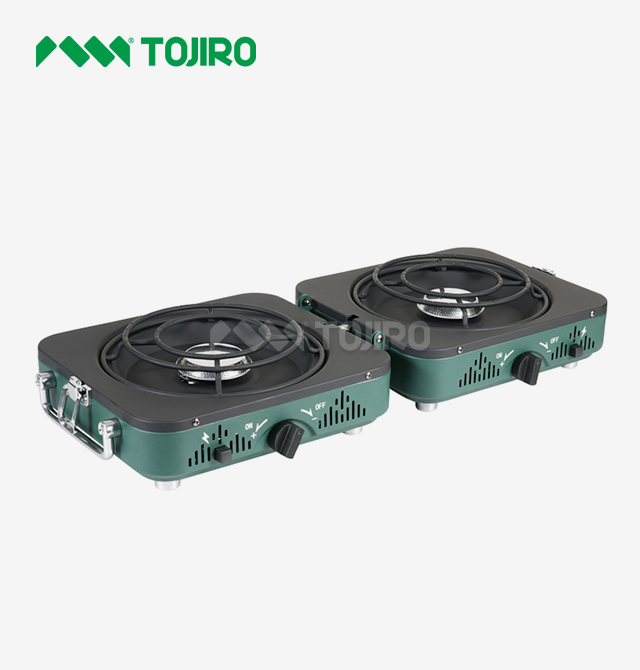
By matching the heater's output of free standing vented propane heater to the space's needs, you can avoid both not having enough heat and wasting fuel. The amount of space a unit can effectively heat is called its heating capacity, and it is measured in British Thermal Units (BTUs). As a general rule, business areas with standard ceiling heights should have 20 to 30 BTUs per square foot of insulation. Warehouses, sheds, and workshops with high ceilings or bad insulation may need between 40 and 50 BTUs per square foot. The TOJIRO GH25-9B's 2600W burner gives off 9,000 BTUs, which is enough to reliably heat an area of 300 to 450 square feet in most situations.
When figuring out what you need, think about how your facility is set up. Open floor plans are better at distributing heat than rooms with lots of walls. Metal walls and floors that are made of concrete soak up more heat before they get to a livable level. Loading docks and areas where doors open and close a lot lose heat quickly, so they need larger heaters or more heaters placed in strategic places. Rental companies that have a wide range of clients can benefit from keeping a wide range of BTU rates in stock. This way, they can make sure they have the right tools for every job.
Safety Certifications and Compliance
To protect people and property, regulations set rules for commercial heating equipment. When making choices about what to buy, one must look at the relevant certifications that show agreement with safety standards. In the US, look for products that have been tested to meet the ANSI Z21.86/CSA 2.32 standards for vented gas-fired space heaters. Occupational Safety and Health Administration (OSHA) rules say that workplaces must have heating systems. To avoid fines and keep workplaces safe, you must use certified equipment.
In addition to basic licenses, you should also look at the built-in safety features. Good vented propane heaters have tilt-protection switches that stop the flow of gas if the unit leans too far to one side. The oxygen level in the air is checked by oxygen depletion devices, which put out fires instantly when the oxygen level drops below safe levels. Pressure-regulating valves keep the flow of fuel steady and stop dangerous pressure builds up. The TOJIRO GH25-9B combines all three safety systems, making extra protections that lower the chance of accidents in tough business settings.
Installation Requirements and Maintenance Considerations
Figuring out how hard an installation will be helps you plan your budget for setup costs and schedule. Direct-vent heaters are easier to set up because the coaxial vent pipe that handles both air intake and exhaust only needs to be drilled into the wall. This layout is good for buildings that don't already have chimneys, and it lets you be flexible with where you put things near the outside walls. Vertical venting through roofs or existing flues is needed for B-vent systems. This requires more building and costs more in labor.
Long-term running costs are affected by how easy it is to do maintenance. Technicians can quickly clean burners, check igniters, and change parts on units with tool-free entry panels. Cold-rolled steel construction can stand up to years of industrial use and doesn't rust in places that tend to get wet. The TOJIRO GH25-9B is built to last, so it doesn't need to be fixed as often. Its simple design also makes it easy for anyone to do basic care without any special training. Setting up regular inspection times, like checking vent pipes for blockages, testing safety sensors, and cleaning burner assemblies, keeps equipment in good shape and stops breakdowns in the middle of the season.
Comparing Top Rated Free Standing Vented Propane Heaters in 2026
Performance Features That Matter
When looking at vented propane heaters for business use, there are a few performance traits that set good units apart from great ones. How quickly a room warms up affects worker comfort during early shifts, which is controlled by the heat-up speed. Quality heaters reach working temperature in 5 to 10 minutes, so you don't have to be outside in the cold for long periods of time. Ratings for fuel efficiency show how well units turn propane into heat that can be used instead of waste. Models that are more than 80% efficient save money over heating seasons that last for thousands of hours.
Operational ease features make a lot of different apps easier to use. Piezo ignition systems get rid of the need for outside sources of ignition, so you don't need matches or lighters to start your engine quickly. With adjustable heat settings, operators can change the amount of heat that is delivered based on the weather and the number of people who are using the space. Integrated LED lighting does two things: it improves visibility while the machine is in use and makes setup easier at night in low-light areas. The TOJIRO GH25-9B comes with fast heating and the ability to work with multiple fuels. It can easily connect to propane tanks, butane bottles, and liquefied petroleum gas sources.
Cost Analysis and Value Proposition
Total cost of ownership includes more than just the price of the initial buy. It also includes the cost of fuel, repairs, and the length of time that the equipment lasts. Even though premium free standing vented propane heaters cost more up front, they usually cost less over their lifetime because they are better built and use less energy. Find the expected number of hours of operation per year, multiply that number by the rate of fuel usage, and take into account the present price of propane in your area. At $3 per gallon, a burner that uses 0.1 gallons of oil per hour costs $0.30 per hour to run. Over 2,000 hours a year, that's $600 worth of fuel costs.
Compare this to how much the equipment costs and how long it's supposed to last. A $400 heater that lasts five seasons and costs $600 a year to run will cost $3,400 in total. A $600 unit that works 10% more efficiently saves $60 a year on fuel, or $300 over five years. It may also last longer because it is better built. People who buy in bulk and get big discounts get extra benefits. The TOJIRO GH25-9B can be ordered in quantities as low as 1,000 units, and can be produced in 45 days. It lets stores and rental companies save money on stocking costs while getting prices directly from the maker.
How to Choose the Right Free Standing Vented Propane Heater for Your Business
Industry-Specific Selection Criteria
Different types of heaters are needed for different industries. The rental firms really want durable, simple to use equipment, since it's used by a lot of people, and moved around a lot. Minimising customer service calls, the heavy-gauge structure, shielded parts and easy-to-use controls cut down on damage. The compact units weigh only 4.8 kg, making them easy to transfer between rental locations, load, and unload.
Hospitality clients, such as glamping operators and event venues, care about both how things look and how well they work. Elegant settings look great with sleek designs that provide the right amount of warmth. When getting places ready on short notice, being able to set up quickly is important. Retailers and e-commerce platforms focus on units that have a strong brand name or the chance to use a private label, low wholesale prices, and consistent supply to help move goods quickly. OEM partners need the ability to customize products, a reasonable minimum order quantity, and manufacturing know-how to make sure that products are consistent across large production runs.
Evaluating Supplier Capabilities
The selection of a supplier influences the quality of the tools, the dependability of delivery and the assistance offered after the purchase. Manufacturing certifications, such as ISO 9001:2015, indicate you have quality management systems and repeatable processes. Companies adhere to these requirements and subject their products to rigors testing to identify any issues before they are brought to market. TOJIRO Electric Appliances Co., Ltd., ISO 9001:2015 certified, produces over a million units each year for the Japanese, Korean, European and North American markets.
Support after the sale is what sets good sellers apart from great partners. Full warranty coverage keeps things from breaking down before they're supposed to, and one-year warranties are standard for commercial equipment. The presence of technical support helps with answering practical questions and fixing problems that don't happen very often. Responding quickly to questions and being willing to talk about concerns are two ways to measure responsive communication. It builds trust during the initial evaluation and throughout business relationships. Custom packaging choices let stores meet their branding needs, and OEM/ODM services let products be changed to meet the needs of specific markets.
Installation, Maintenance, and Troubleshooting Best Practices
Professional Installation Procedures
When something is installed properly, it’s safe, it functions well and it meets the requirements. The first step in installing a direct vent is to pick the proper place on the exterior wall. Do not locate it near a window, door, or air opening where exhaust fumes might enter the building again. Mark the locations of penetration for the vent, ensuring that they are at a sufficient distance from combustible objects as suggested by the manufacturer. 1. Drill a few test holes. Then core-drill or cut holes the size of the vent pipe. Place vent terminals, seal the holes to prevent water ingress and connect the heater to the vent system with authorised connections.
Pay close attention to the lines that bring gas. Use flexible gas lines with the right rating or black iron pipes made for propane service. Place manual shutoff valves where they can be easily reached in case of an emergency. Use soapy water solutions to test the links' pressure. Look for bubbles, which mean there are leaks. Before you try to ignite, make sure that the supply pressures match the heater's needs. In many places, installations can only be done by licensed gas fitters. This makes sure that the work meets code and protects both the installers and the end users from liability.
Routine Maintenance Schedules
Preventive repair keeps technology running at its best and extends its life. Before each heating season, check vent systems for blockages that could be caused by animals nesting in them, a buildup of debris, or damage to the structure. Using soft brushes and compressed air to clean burner parts will get rid of dust and soot buildups that make them less efficient. Check the ignition systems and replace any piezo igniters or batteries that are worn out on electronic ignition types. Check the gas delivery lines for cracks and make sure the links are tight.
During operation, keep an eye on the flame's properties. Stable blue flames show that the combustion is working properly; yellow or orange flames show that the combustion isn't full and needs to be adjusted or cleaned. Listen for strange sounds that could mean there are problems with the mechanics. To make sure the automatic shutoffs work right, test the tilt protection and oxygen depletion systems by deliberately setting them off. Keep track of the repair tasks you do to make service histories that help you find trends and make choices about replacements. The cold-rolled steel that makes up the TOJIRO GH25-9B prevents corrosion, and its simple design makes regular upkeep easier and takes less time.
Common Issues and Solutions
Common issues can be solved quickly by identifying their causes. Ignition failures may result from empty fuel, closed valves, or dead batteries. Weak flames often come from clogged burners, low pressure, or incorrect parts. Frequent cycling may be caused by thermostat issues, poor airflow, or improper sizing. Persistent problems should be handled by professionals to avoid safety risks and warranty issues.
Conclusion
When choosing commercial heating equipment, you have to weigh the performance requirements, safety features, operating costs, and the supplier's abilities. Free standing vented propane heaters heat your home quickly and reliably, keeping the air clean and meeting strict safety standards. Making sure that the equipment you buy meets your practical needs means carefully looking at its heating capacity, certification compliance, installation requirements, and upkeep needs. Whether you're setting up rental cars, hotels, stores, or institutional buildings, making smart choices will lead to satisfaction and a good return on your investment.
FAQ
1.Are vented propane heaters safe for indoor commercial use?
Ventilated gas heaters that are meant to be used inside can safely be used in business areas as long as they are put correctly and have the right venting systems in place. The sealed combustion chambers and outside exhaust mean that carbon monoxide can't hurt the people inside. Quality units have a lot of safety features built in, such as oxygen depletion monitors, tilt protection, and pressure control. Products that follow ANSI/CSA standards are sure to pass strict testing procedures. Installation by trained professionals who follow local rules is the safest way to do it.
2.How does propane efficiency compare to electric heating?
Most of the time, propane heating is cheaper to run than electric resistance heating in most places, especially where energy rates are higher than the national average. Propane gives off about 91,500 BTUs per gallon, while electricity gives off 3,412 BTUs per kilowatt-hour. Most of the time, propane costs 30 to 50 percent less per BTU delivered than natural gas. Vented gas heaters can also heat only certain parts of a building instead of the whole thing, which makes them even more efficient.
3.What installation and maintenance costs should buyers expect?
Installation costs depend on how complicated the venting is and how the building is set up. Labor costs for direct-vent systems that only need small holes drilled in the wall usually range from $200 to $500. Depending on the height and structure, B-vent systems that need vertical chimneys can cost up to $2,000. A technician's time is usually needed for one to two hours per year for maintenance that includes checking, cleaning, and testing. Routine upkeep costs are low for equipment that was chosen correctly. On the other hand, units that aren't taken care of have higher fix costs and a shorter useful life.
Partner with a Trusted Free Standing Vented Propane Heater Manufacturer
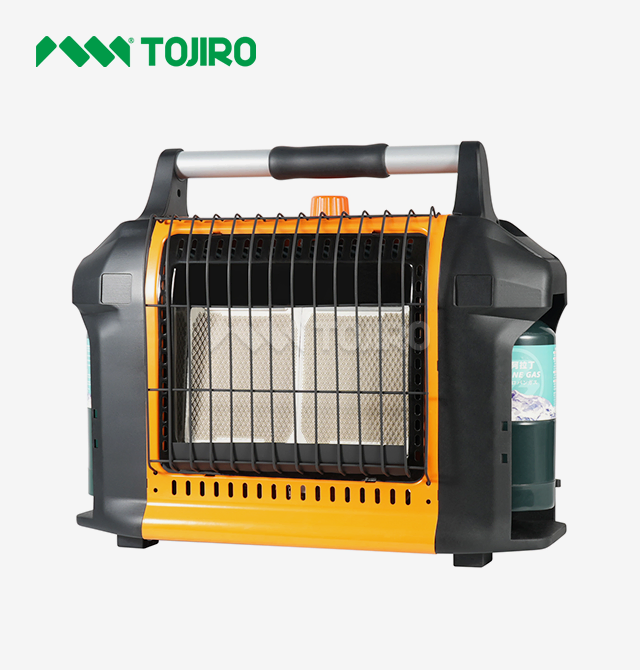
TOJIRO knows what business buyers need when they're looking for heating tools that will work in tough conditions. Our GH25-9B vented propane heater is made with modern tech and Japanese-style workmanship. It can heat up to 9,000 BTUs and weighs only 3.7 kg. The ISO 9001:2015 approval makes sure that the quality stays the same across production runs, and the one-year guarantee shows that we trust the durability. We work with OEM partners, rental companies, retailers, and hospitality clients. We offer flexible customization options, and orders of at least 1,000 units are shipped within 45 days.
Our engineering team works together to make sure that the standards meet all of your needs. This includes everything from custom packaging that supports brand identity to product changes that take into account regional tastes. Twenty years of experience making outdoor gas appliances for international markets gives you the knowledge you need to choose the right product. To talk about your heating equipment needs, email our buying experts at [email protected] or go to qstojiro.com. We will give you full details, competitive free standing vented propane heater supplier prices, and technical support to make sure your investment pays off.
References
1. American National Standards Institute. (2021). Gas-Fired Direct Vent Space Heaters: ANSI Z21.86/CSA 2.32. Washington, DC: American National Standards Institute.
2. Henderson, J. M. (2022). Commercial Heating Systems: Selection, Installation, and Maintenance. Industrial Press.
3. National Propane Gas Association. (2023). Propane Applications Handbook: Commercial and Industrial. Washington, DC: National Propane Gas Association.
4. Occupational Safety and Health Administration. (2020). Workplace Heating Ventilation Standards and Compliance Guide. U.S. Department of Labor.
5. Peterson, R. L., & Thomas, K. A. (2023). Energy Efficiency in Commercial Buildings: Heating Technologies Compared. Journal of Building Performance, 14(3), 187-204.
6. Wilson, D. P. (2021). Gas Appliance Installation and Service Manual. Technical Publishing International.

USER EVALUATE
Here is the customer's evaluation of us
_1763619721954.webp)
_1763609661748.webp)
_1763607744591.webp)