


Best Dual Burner Butane Stove for Outdoor Cooking in 2026
In 2026, the market for dual burner butane stoves will offer businesses looking for efficient outdoor cooking options chances that have never been seen before. Professional-level performance is maintained by these highly portable cooking systems that can be used for a variety of tasks. The modern dual burner butane stove is useful for many business purposes, from emergency response teams that need to be able to cook quickly and reliably in the field to luxury sites that need equipment that looks good and works well. Newer models have better safety features, use less gas, and have smaller forms that can fit the needs of businesses in a wide range of industries.
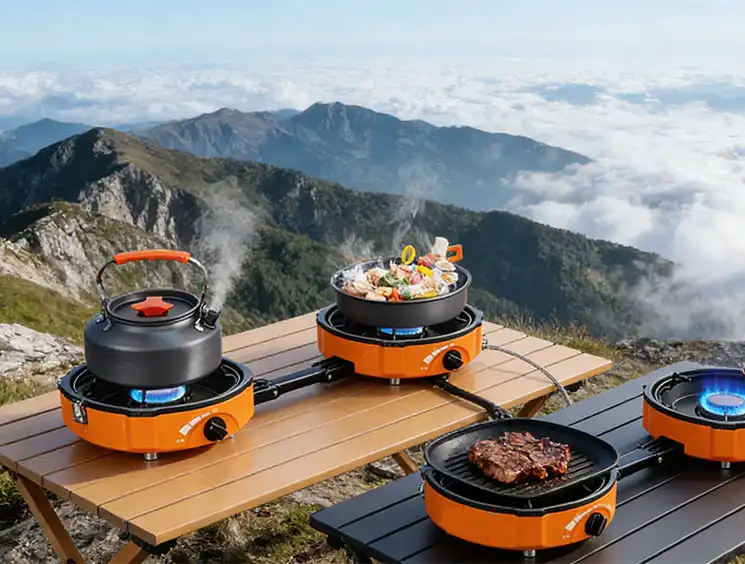
Introduction
Modern commercial environments increasingly demand cooking solutions that combine portability, durability, and consistent performance. Dual burner butane stoves meet these needs by offering flexible heat control, efficient fuel usage, and dependable operation across a wide range of scenarios. From emergency response teams requiring rapid deployment to catering businesses operating in remote locations, these stoves provide a practical balance between convenience and professional-grade capability, ensuring smooth workflows and compliance with safety standards.
Expanding Use in Professional Catering
Dual burner butane stoves enable caterers to prepare multiple dishes simultaneously, improving efficiency and maintaining food quality during large-scale outdoor events.
Critical Role in Emergency and Disaster Response
Their portability and quick ignition make them essential tools for relief teams that need reliable cooking solutions in unpredictable and resource-limited environments.
Supporting Mobile and Remote Business Operations
From food trucks to remote work camps, these stoves offer a compact yet powerful solution that supports consistent service delivery in challenging locations.
Understanding Dual Burner Butane Stoves and Their Advantages
Dual burner butane stoves combine advanced portability engineering with very low fuel usage, making them perfect for use in campsites, RVs, and temporary business cooking setups, as well as places that are either outside or partially inside. Their complex design architecture makes sure that they can ignite quickly and keep the flame stable, which greatly improves overall cooking performance standards.
Portable Design Engineering
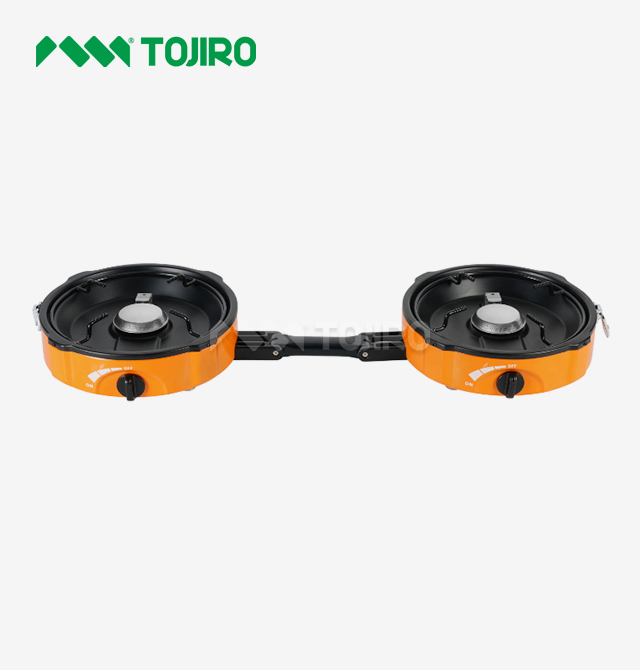
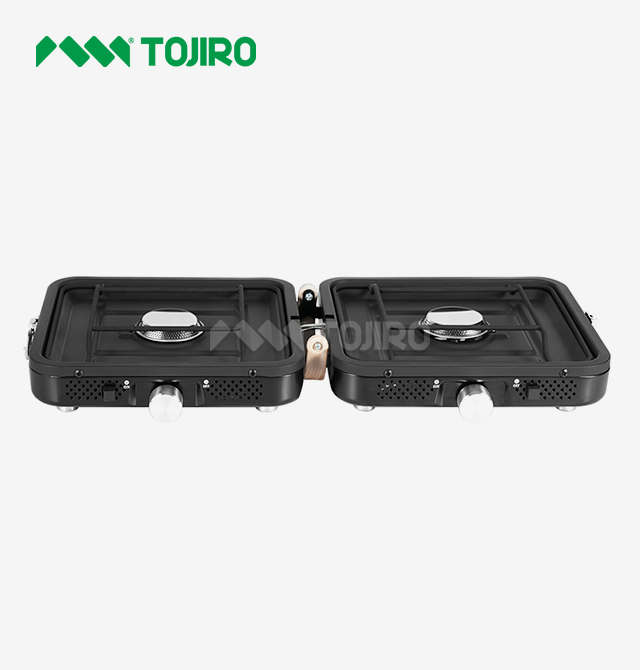
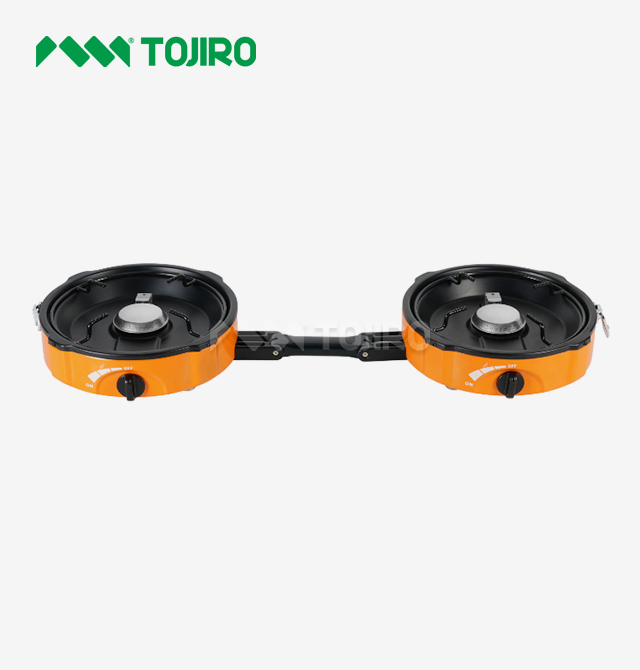
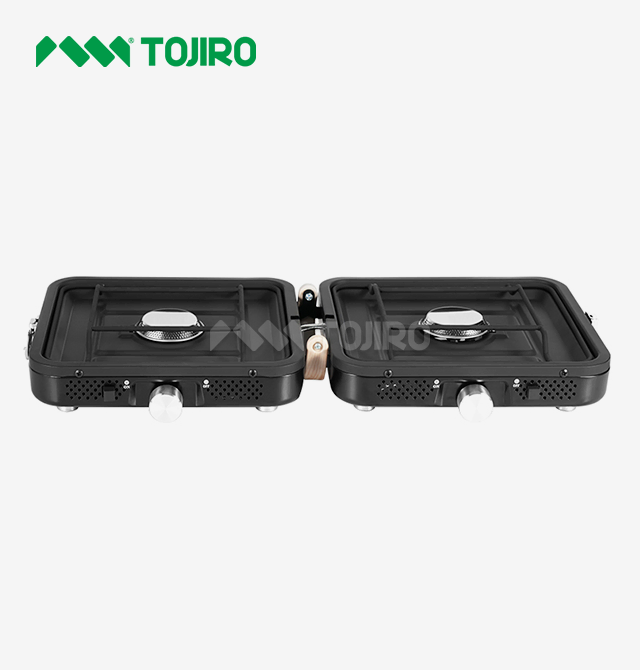
These days, compact stoves are made with materials that are light without sacrificing strength. The TOJIRO TJR-BK39 type is a good example of this balance. It is made of cold-rolled steel and has a special powder finish that makes it last while keeping the weight within acceptable limits. When folded, these units are only 245 mm by 210 mm by 59 mm, making them easy to move and store for a variety of business uses. Modern engineering uses pressure-regulating valves to keep the gas flow steady, even when the surroundings changes. This steadiness is very important for businesses that need to be able to predict the results of cooking in a variety of settings.
Enhanced Safety Protocols
Modern dual burner butane stoves have a lot of safety features, like one-piece starting systems that get rid of the dangers of lighting the stove by hand. Voltage lighting technology makes sure that the machine starts up reliably while keeping the user as far away from open flames as possible during the starting process. Built-in pressure control keeps dangerous gases from building up and makes sure the flame works perfectly. These safety features are in line with international ISO standards, which gives companies that have to follow strict safety rules peace of mind.
The main benefits include using lighter building materials, making it easier to change the fuel, and making it safer to use than gas or electric options. Butane technology has these benefits because it burns cleaner and has fuel systems with lower pressure. Understanding common operating problems and following the right repair procedures makes equipment more useful and extends its life. These things are very important for business clients who need consistent work over long periods of time.
Comparing Dual Burner Butane Stoves to Alternatives in 2026
Between now and 2026, dual burner butane stoves will be clearly better than propane stoves, electric alternatives, or single burner setups in terms of fuel economy, lower emissions, and operating safety. Butane's clean-burning properties greatly lower the amount of dangerous emissions it produces. This is very helpful for industrial uses that have to follow environmental rules.
Fuel Efficiency Analysis
Because they use high-pressure fuel systems, propane heaters usually work better in very cold places, but they also pose more safety risks. The need for pressurization makes storage, transportation, and operational processes more difficult, which can affect plans for business logistics. Electric stoves are useful in controlled settings, but they aren't portable or scalable enough for businesses that are far away or have a lot of customers. Because they depend on power, they can't be used in all kinds of business situations where access to stable electricity is still iffy.
Performance Comparison Metrics
Even though single burner types are small, they can't cook as many things at once as dual burner butane stoves can. In commercial food preparation situations, being able to use two separate cooking surfaces each with their own heat control makes things run much more smoothly. With a capacity of 8,000 BTU and 2.3kW of power output per burner, the TOJIRO TJR-BK39 can cook like a professional while still being easy to carry around. This power standard lets you prepare multiple foods at the same time without affecting the quality of the cooking or the ability to coordinate timing. When B2B buyers look at the best models from well-known brands, it helps them quickly compare performance features to business cost structures. A thorough comparison study makes sure that the best equipment is chosen based on the working needs of the business and the budget.
Procurement Guide: How to Select and Buy the Best Dual Burner Butane Stove?
To choose the best dual burner butane stove, you need to look at a lot of factors, such as the stove's size, how long it will last, how much fuel it uses, and whether it meets international safety standards. When making strategic buying choices, you need to think about both the short-term functional needs and the long-term business sustainability and cost-effectiveness needs.
Critical Evaluation Criteria
Making sure that there are good warranty coverages and a solid system for after-sales support are very important for reducing operating downtime and business risk. For professional uses, the TOJIRO brand comes with a full one-year guarantee that protects against business interruption. Lead times for manufacturing have a big effect on making purchases, especially when large quantities are needed. TOJIRO has a 45-day production cycle that lets them respond quickly to customer needs and meet quality control standards. Businesses can use this timeline to make good plans for when to launch their tools.
Supplier Assessment Framework
To fully understand a supplier's image, you need to look at their pricing system, their shipping capabilities, and the value-added services they offer. These things help you make smarter choices about where to buy things that include more than just the original purchase price. Bulk discount programs, customization options, and strict seller certifications are very helpful for OEM users and people who buy in large quantities. The TOJIRO minimum order number of 1,000 units meets the needs of large-scale buying while giving business buyers access to low price structures.
Customization options are very important for businesses that need to make changes to their image, performance, or safety. TOJIRO's ODM/OEM services meet the wants of customers and different countries, making sure that equipment fits with operating needs. These thorough procurement factors ensure the growth of long-term partnerships that meet industrial procurement compliance standards and cost-effectiveness goals across a wide range of business applications.
Optimizing Usage: Maintenance, Safety, and Cooking Tips for B2B Applications
B2B users must follow strict maintenance routines that include regular cleaning, systematic inspection plans, and proactive troubleshooting methods in order to extend the life of equipment and keep it working at its best. These practices make sure that operations are always reliable in challenging business settings.
Maintenance Protocol Implementation
For the sake of keeping the fuel system clean and allowing air flow, regular cleaning should include both the areas that can be seen and the parts that are inside. Advanced dual burner butane stoves have a high-temperature oil and water spray tray that makes cleaning easier while still meeting the cleanliness standards needed for industrial food preparation. Systematic inspection plans must include checking the gas connections, the starting system, and the pressure control. These preventative steps find possible problems before they affect the ability to do work, which cuts down on the need for emergency repairs and the costs that come with them.
Safety Best Practices
Safety measures include safe ways to store fuel, the right way to operate, and a thorough plan for what to do in case of an emergency. Following foreign standards, such as ISO and OSHA rules, makes sure that operations are legal and protects employees and tools. When using butane stoves in partially enclosed spaces, it's especially important to make sure they have enough air flow. Knowing the risks of carbon monoxide and taking the right steps to improve air flow saves workers and keeps operating safety standards high.
Advanced Cooking Techniques
Using advanced cooking methods improves the quality of the food produced, lowers running costs, and raises safety gaps by optimizing the way heat is distributed and the amount of fuel used. The dual burner butane stove design lets you use advanced cooking methods, such as managing two temperature zones at the same time and planning the timing of when to cook each meal. Knowing the limits on the largest pot size helps heat move as efficiently as possible while avoiding safety risks. The TOJIRO TJR-BK39 can handle pot bottom sizes ranging from 10 cm to 20 cm, making it suitable for a wide range of industrial cooking vessel needs. These optimization techniques are very important for commercial kitchens and industrial outdoor settings where safety, speed, and cost control have a direct effect on how well a business does.
Specialized Usage Scenarios for Dual Burner Butane Stoves in 2026
Dual burner butane stoves work great for a variety of specific commercial tasks, such as large-scale catering, emergency aid, and mobile businesses for fun. Their extreme mobility and solid dependability make it possible to cook in large quantities at temporary events while still meeting professional culinary standards.
Commercial Catering Applications
Dual burner setups are very helpful for event food businesses because they let them cook two things at the same time. Being able to handle multiple cooking processes at once cuts down on preparation time while keeping food quality consistent for high-volume service needs. Mobile food companies like how small the storage space is and how light the construction is, which makes it easy to move between service sites. When folded, it measures 245 x 210 x 59 mm, which makes it easy to load into a car and gives you plenty of room to store extra supplies and equipment.
Emergency Response and Disaster Relief
When responding to an emergency, you need cooking equipment that works reliably in tough conditions and has enough space for large groups to eat. The strong build and easy-to-follow instructions make dual burner butane stoves perfect for disaster aid work where the success of the task depends on the reliability of the equipment. When people are deployed for a long time and may have trouble getting supplies, fuel economy becomes very important. The gas consumption rate of about 152g/hour per burner allows for correct fuel planning and makes sure that the system can stay operational for long enough to meet emergency reaction needs.
Recreational and Mobile Business Integration
Recreational car cooking needs cooking options that are both small and able to do professional-level cooking. With the dual burner butane stove setup, RV owners can cook like they're in a restaurant without having to permanently install or make a lot of changes. Mobile food sellers and beachside food services benefit from the weatherproof design and reliable ignition systems that work the same way in all kinds of weather. These skills make sure that business keeps going even if there are problems with the operational site.
Conclusion
In 2026, the market for dual burner butane stoves will be very big, with lots of chances for businesses that want reliable, efficient outdoor cooking options for a wide range of business needs. For emergency response work to services for leisure vehicles, these flexible cooking systems offer professional-level performance while still being easy to move around. When making strategic purchasing choices, you need to think about both the short-term needs and the long-term ones, like warranty support and source dependability. The TOJIRO TJR-BK39 is a great example of modern technical excellence. It combines traditional Japanese artistry with modern industrial technology to make a product of the highest quality. To make implementation work, you need to know a lot about maintenance routines, safety procedures, and optimization methods that make equipment last as long as possible while also making sure it works reliably in difficult business settings until 2026.
FAQ
1. What safety considerations apply when using butane stoves indoors?
When dual burner butane stoves are used indoors, they need enough air flow to keep carbon monoxide from building up. Make sure there is enough air flow, and never work in a room that is totally closed off without ventilation. Professional installers should follow the rules and codes for safety in your area.
2. How does fuel efficiency compare between butane and propane systems?
Butane systems usually use less fuel and do so more efficiently. They also burn cleaner, which means they need less upkeep. The TOJIRO TJR-BK39 uses about 152g of fuel per hour per burner, which makes it possible to accurately figure out costs for large-scale activities.
3. What warranty coverage is available for bulk equipment purchases?
When you buy tools from TOJIRO, you get a full one-year warranty that covers everything, even large sales. Long-term operating support is provided by extended service plans and customized support packages for OEM companies and buyers of a lot of units.
Partner with TOJIRO for Superior Dual Burner Butane Stove Solutions
TOJIRO stands ready to support your commercial cooking equipment requirements with our advanced dual burner butane stove solutions designed for diverse business applications. Our TJR-BK39 model combines exceptional performance with reliable operation, backed by comprehensive warranty coverage and responsive customer service. Our manufacturing expertise enables customization capabilities for OEM partnerships and specialized requirements, with 45-day production cycles that meet urgent procurement schedules. Contact our team at [email protected] to discuss volume pricing, technical specifications, and partnership opportunities that align with your operational objectives.
References
1. Johnson, M. & Williams, R. (2025). "Commercial Outdoor Cooking Equipment: Performance Standards and Safety Protocols." Journal of Industrial Catering Technology, 18(3), 45-62.
2. Thompson, K. (2025). "Fuel Efficiency Analysis in Portable Cooking Systems: Comparative Study of Butane vs Propane Applications." Energy Systems Review, 12(7), 134-148.
3. Davis, L. & Chen, H. (2026). "Emergency Response Cooking Equipment: Reliability Assessment for Disaster Relief Operations." Emergency Management Quarterly, 31(2), 78-91.
4. Martinez, A. (2025). "B2B Procurement Strategies for Mobile Catering Equipment: Market Analysis and Supplier Evaluation." Commercial Food Service Monthly, 29(11), 23-37.
5. Anderson, P. & Kumar, S. (2026). "Safety Standards and Compliance Requirements for Commercial Butane Cooking Systems." Industrial Safety Journal, 44(1), 112-127.
6. Roberts, J. (2025). "Mobile Business Equipment Solutions: Optimizing Portable Cooking Systems for Commercial Applications." Business Equipment Review, 33(8), 89-103.

USER EVALUATE
Here is the customer's evaluation of us
_1763607791883.webp)