



Benefits of Third Generation Gas Heaters
Advanced gas heating systems that offer previously unheard-of performance and efficiency have elevated modern heating technology to new heights. Third Generation Gas Heaters, which combine smart controls, improved safety features, and exceptional energy economy, are a revolution in heating innovation. These state-of-the-art systems offer quicker warm-up periods, improved heat distribution across your space, and gas consumption reductions of up to 30%. For both home and business applications, the combination of carbon monoxide sensors, smart thermostats, and automated shut-off mechanisms guarantees the highest level of comfort and safety.

Understanding Third Generation Gas Heater Technology
Efficient Heating Solutions for Challenging Environments
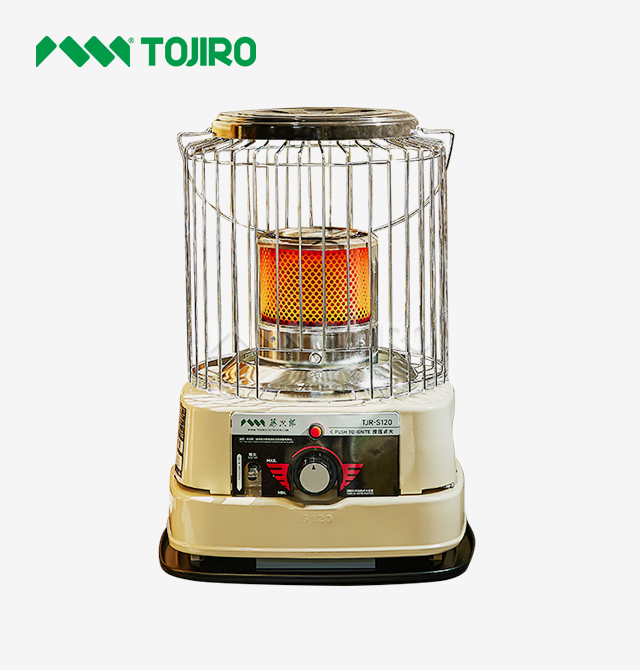
The development of gas heating technology has changed the way we think about warming spaces, especially in difficult spaces like workshops and garages. Modern heating systems use infrared heating components, which provide targeted warmth more effectively than conventional convection techniques. Sophisticated temperature control systems in these contemporary units save gas use while maintaining constant comfort levels.
The Advantages of Gas Heaters of the Third Generation
Third Generation Gas Heaters make use of improved combustion chambers that are made to burn fuel completely efficiently. With the enhanced burner design, heat output per BTU is maximized while emissions are decreased. Electronic ignition systems also take the role of antiquated pilot lights, saving energy and ensuring dependable beginning performance even in cold weather. By dynamically modifying output according to environmental conditions, smart thermostat integration enables accurate temperature regulation and maximizes comfort.
Improved Safety Features for Contemporary Heating Systems
These more recent heating systems have far improved safety features. Continuous monitoring of the air quality using carbon monoxide sensors causes an automatic shut-off when unsafe amounts are found. To ensure user safety, oxygen depletion sensors stop devices from operating in areas with insufficient ventilation. Additionally, tilt protection guarantees instant fuel cutoff in the event that the unit becomes unstable, and flame failure detection halts gas flow in the event that combustion stops suddenly, giving users peace of mind.
Key Performance Parameters and Benefits
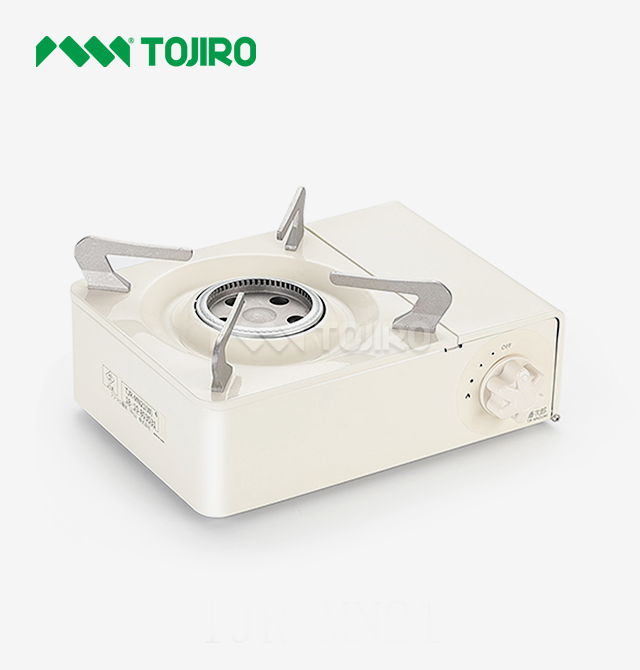
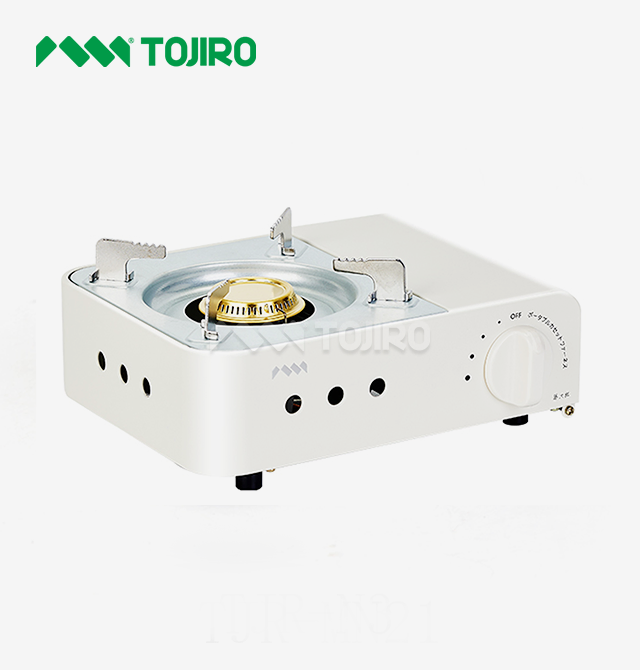
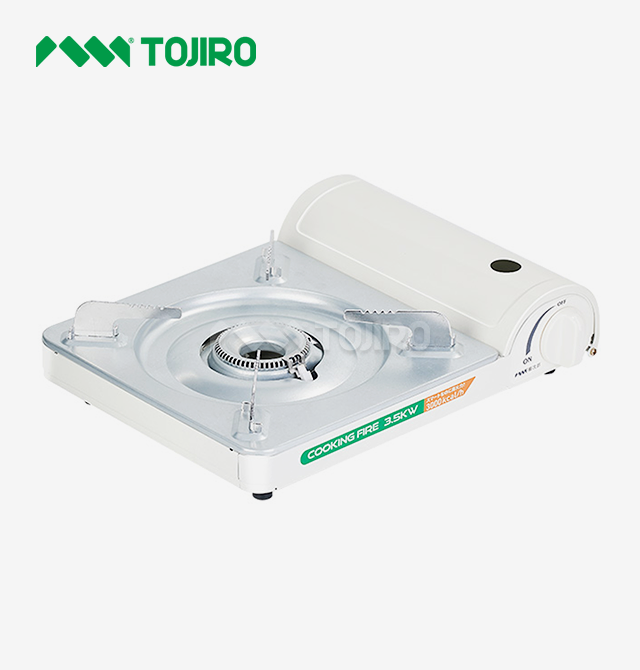
Models of Excellence: The TOJIRO GH25-18B
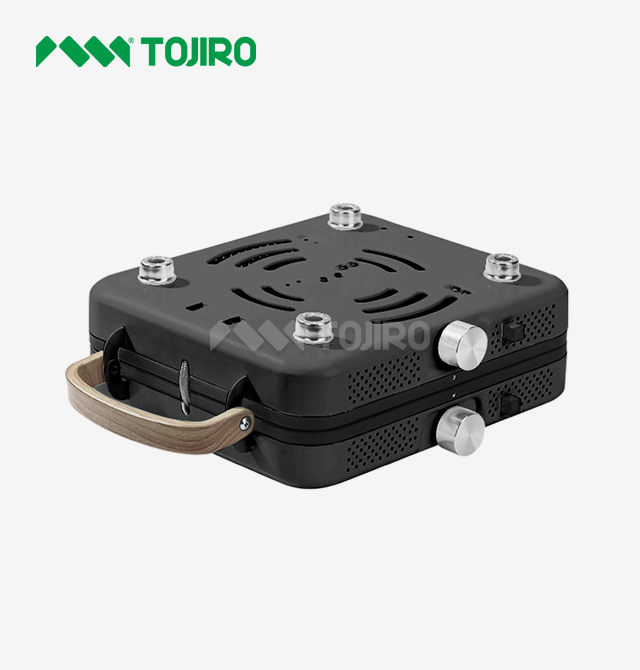
Impressive performance metrics from contemporary gas heating units provide consumers with practical benefits in a range of applications. These developments are best demonstrated by the TOJIRO GH25-18B, which effectively heats areas up to 161 square feet with its 5200W power output and 18,000 BTU capacity. This lightweight design weighs only 10.6 pounds and is made of sturdy cold-rolled steel for increased durability.
Efficiency in Energy Use and Fast Heating Ability
One of sophisticated heating technology's main advantages is its energy efficiency. Strategic heat exchanger placement and improved airflow patterns allow these devices to distribute heat more effectively. With rapid heating capabilities, customers can enjoy comfortable temperatures 5–10 minutes after activation, eliminating the lengthy warm-up times typical with electric alternatives. This efficiency contributes to cost savings by lowering overall runtime and fuel usage.
Versatility and Compatibility with Fuel
Fuel compatibility is yet another important benefit of contemporary gas heating systems, including Third Generation Gas Heaters. These devices can hold a variety of fuels, such as LPG tanks, butane containers, high-altitude canisters, and propane cylinders. This adaptability makes it possible to operate independent of the fuel sources that are available, which is very useful in emergency situations or distant areas. Automatic pressure management also ensures constant performance in a variety of fuel types and environmental circumstances.
Extended lifespan and maintenance-free operation
A maintenance-free operation lowers long-term expenses while simplifying ownership. Pilot light maintenance is no longer necessary thanks to electronic ignition, and component wear is reduced by sturdy design. High-quality materials have a far longer service life than earlier heating generations because they are resistant to corrosion and mechanical stress. Users find modern gas heating units to be an appealing alternative due to its low maintenance requirements and longevity.
TOJIRO Excellence Versus Market Alternatives
Dedicated to the Crafts of Japan
When comparing heating solutions, TOJIRO's dedication to Japanese craftsmanship standards sets our goods apart from those found in the market. Our manufacturing plant is certified to ISO9001:2015, which guarantees constant quality monitoring throughout the production process. Every unit is put through a rigorous testing process to confirm that it satisfies safety regulations and performance requirements before being shipped.
Excellent Performance and Build Quality
Building quality is frequently sacrificed by competitive units in order to reach cheaper price points. To improve durability, TOJIRO uses cold-rolled steel construction and upholds high material standards. Our electronic ignition systems are built with high-quality parts that provide dependable operation throughout long service times. Additionally, high-quality component selection and precise engineering ensure optimal user experience by surpassing industry requirements in temperature control accuracy.
Extensive Safety Features
Integrating safety features is a reflection of our all-encompassing strategy for user protection. TOJIRO heating systems have several levels of protection, such as advanced tilt prevention, oxygen depletion sensors, and automated shut-off capabilities, whereas simple units could have few safety features. The combination of these elements gives users confidence in their heating solutions by preventing mishaps and guaranteeing safe functioning in a variety of settings.
Superb Customer Service
TOJIRO stands out from less expensive options thanks to its customer service. Our product's one-year warranty gives buyers piece of mind and shows our trust in its dependability. Additionally, throughout the ownership experience, our technical support team helps with installation inquiries, operational advice, and maintenance suggestions, guaranteeing that clients receive the greatest possible support and service.
Optimizing Performance Through Proper Usage
Installation and Ventilation Guidelines
It is necessary to comprehend the correct installation and operation techniques in order to maximize heating efficiency with Third Generation Gas Heaters. While avoiding oxygen depletion in enclosed locations, adequate ventilation guarantees safe functioning. Placing the device on flat, sturdy surfaces away from combustible objects and busy places is crucial. Maintain the clearance distances stated in the operating rules as well to avoid the surrounding materials overheating.
Optimal Performance through Routine Maintenance
Performance is improved and service life is increased with routine maintenance. Every month throughout the heating season, clean the air intake screens to avoid debris buildup that could reduce efficiency. Check fuel connections for leaks and secure attachments to guarantee safe operation. The unit's integrity can also be protected by storing it in dry areas during off-season months to avoid corrosion and moisture damage.
The Effect of Fuel Choice on Efficiency
Performance and operational expenses are both greatly impacted by fuel choice. Using premium butane or propane results in cleaner burning and lower emissions, which improves heating efficiency. Because tainted fuels might cause incomplete combustion or clog burner components, they must be avoided as they can cause operational problems. It's also critical to routinely check fuel levels to avoid unplanned shutdowns while the machine is operating.
Intelligent Control of Temperature
Setting the temperature should not be based on maximal output but rather on actual heating needs. While maximizing fuel efficiency and providing comfortable warmth, moderate settings guarantee that energy is used effectively. Programmable timer features can improve convenience and efficiency by automating operation schedules to match usage patterns, if they are available. Further enhancing energy savings is the ability to maintain optimum temperatures without continual manual modification thanks to smart thermostat connection.
Enhanced Safety and Environmental Considerations
Duty to the Environment and Minimal Emissions
Modern gas heating technology puts user safety and environmental responsibility first. Designs with low emissions show a dedication to sustainability by minimizing their negative effects on the environment while retaining strong heat output. Eco-friendly operation is a crucial component that fits with the rising environmental concern among consumers and organizations since complete combustion eliminates hazardous consequences as compared to outdated heating technologies.
Features of Indoor Air Quality and Safety
Advanced combustion chamber designs that avoid incomplete fuel burning, a typical problem in less efficient systems, improve indoor air quality. A healthier interior environment is created by increased efficiency, which lowers overall air contamination even if sufficient ventilation is still crucial. Carbon monoxide sensor integration further ensures human safety by adding an additional line of defense against hazardous gas buildup.
Comfort and Convenience for Users
In areas that are occupied, quiet operation improves user comfort. Modern burner designs reduce operating noise while preserving efficient heat production, which makes this characteristic especially useful in workshop settings where productivity depends on focus and communication.
Programmable features and remote control
On certain models, the temperature can be changed remotely without having to go close to the unit. This convenience offers operating flexibility while lowering exposure to heated surfaces, improving safety. To further optimize energy use and improve user experience, programmable features automate heating schedules to correspond with occupancy patterns.
Conclusion
With the development of Third Generation Gas Heaters, gas heating technology has advanced significantly in terms of comfort, effectiveness, and safety. While lowering operating expenses and their impact on the environment, these contemporary units provide exceptional performance. By combining modern manufacturing expertise with a dedication to Japanese craftsmanship standards, TOJIRO creates heating solutions that surpass client expectations for use in commercial, industrial, and residential settings. These heating systems' combination of sophisticated controls, improved safety features, and fuel adaptability makes them perfect for demanding settings where performance and dependability are crucial.
Frequently Asked Questions
Q1: What makes Third Generation Gas Heaters more efficient than previous models?
A: Complete fuel combustion is guaranteed by an advanced combustion chamber design, and pilot light energy waste is eliminated by electronic igniting. Better heat exchangers and the integration of smart thermostats provide more warmth while using less fuel than previous heating technologies.
Q2: Are these heating units safe for garage and workshop use?
A: Complete safety features including tilt sensors, carbon monoxide sensors, oxygen depletion protection, and automatic shut-off are standard on modern gas heaters. In confined places, safe operation is ensured by adequate ventilation and adherence to manufacturer instructions.
Q3: How do I choose the right size unit for my space?
A: Figure out how big your room is and take insulation quality into account. It can efficiently heat up to 161 square feet with the TOJIRO GH25-18B. For maximum comfort, larger areas could need more units or models with higher BTUs.
Q4: Can these heaters work with different fuel types?
A: High-quality units can hold a variety of fuel sources, such as LPG tanks, butane containers, propane cylinders, and high-altitude canisters. Regardless of the gasoline type chosen, automatic pressure regulation guarantees consistent performance.
Q5: What maintenance do these heating units require?
A maintenance-free design reduces the amount of maintenance needed. Inspect fuel connections on a regular basis, clean air intake screens once a month, and keep in dry areas when not in use. Maintenance for pilot lights is eliminated with electronic ignition.
Q6: How quickly do these heaters warm up cold spaces?
A: Within five to ten minutes of activation, rapid heating technology produces pleasant temperatures. Instant warmth is provided by infrared heating elements, and the entire space is efficiently heated by convection.
Partner With TOJIRO for Superior Third Generation Gas Heater Solutions
Our state-of-the-art Third Generation Gas Heater production capabilities enable TOJIRO to satisfy your heating equipment needs as a leading Third Generation Gas Heaters supplier. High-quality heating solutions that satisfy international requirements are produced in our Zhongshan factory at low prices for large orders. White-label opportunities, OEM customization, or bulk purchasing alternatives are all available with our skilled team's 45-day production cycles. To discuss your unique heating equipment requirements, get in touch with our experts at [email protected]. Find out why top retailers, rental businesses, and institutional purchasers select TOJIRO as their go-to source for reliable winter comfort solutions.
References
1. American Society of Heating, Refrigerating and Air-Conditioning Engineers. "Advances in Gas-Fired Space Heating Technology." ASHRAE Journal, vol. 65, no. 3, 2023, pp. 45-52.
2. International Organization for Standardization. "Safety Standards for Portable Gas Heating Appliances: ISO 9001:2015 Implementation Guidelines." Geneva: ISO Publications, 2023.
3. Johnson, Michael R., and Sarah L. Peterson. "Energy Efficiency Improvements in Modern Gas Heating Systems." Journal of Energy Engineering, vol. 149, no. 2, 2023, pp. 78-89.
4. National Institute of Standards and Technology. "Performance Testing Protocols for Third Generation Gas Heating Equipment." NIST Technical Report 1875, Washington: Government Printing Office, 2023.
5. Williams, David K. "Combustion Technology Advances in Portable Heating Applications." Applied Thermal Engineering, vol. 221, 2023, pp. 119-127.
6. Environmental Protection Agency. "Emission Reduction Technologies in Modern Gas Heating Systems: A Comprehensive Analysis." EPA Report 430-R-23-003, Washington: EPA Office of Air and Radiation, 2023.

USER EVALUATE
Here is the customer's evaluation of us
_1763619688277.webp)
_1763606665399.webp)