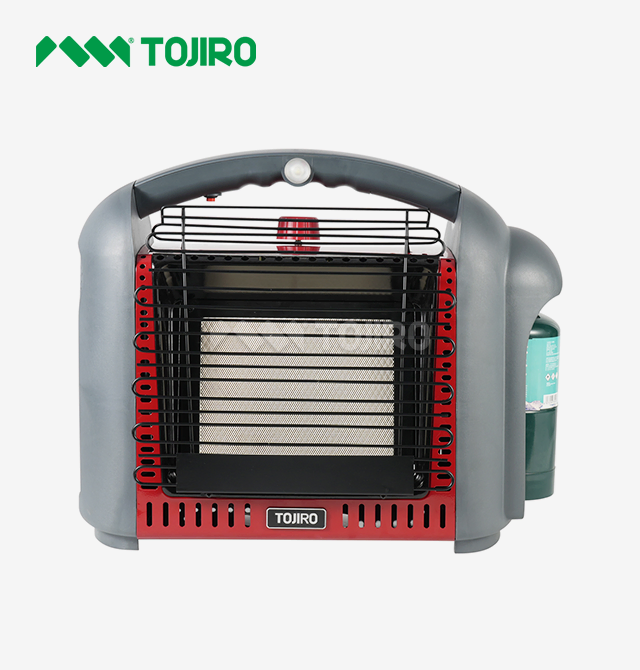



To figure out Household Fuel-fired Heaters' cost-effectiveness, you have to carefully look at a lot of different cost factors that affect the total cost of ownership. When buying managers who understand these factors, they can make choices that minimize both the initial costs and the long-term costs of doing business.
Are Household Fuel-fired Heaters Cost-effective in 2026?
March 19, 2026
Cost-effectiveness shows that household fuel-fired heaters, in 2026, businesses and institutions looking for safe heating solutions will still be very interested in how much they cost. The business situation for heating systems that use fuel has changed because of rising energy costs and new fuel technologies. Modern fuel-fired heaters are more efficient and don't need to be connected to an electricity grid to work. This makes them very useful for industrial settings, rental businesses, and disaster readiness plans. These heating options are more cost-effective than standard electric systems in many market segments because they use less fuel, last longer, and have lower running costs.

Understanding Household Fuel-Fired Heaters: An Overview
Heaters that use fuel to heat a home are a more advanced type of heating equipment. They use controlled burning to turn different types of fuels into heat. These systems work by burning propane, oil, natural gas, or special fuels for the environment in specially designed combustion tanks. The heat they produce effectively warms the areas around them.
Core Operating Principles and Technology Advancements
Fuel-fired heaters work by mixing the fuel and air in exact amounts that make the burning process as efficient as possible while reducing emissions. Electronic lighting systems in modern systems get rid of the need for pilot lights, which saves fuel and improves safety. Advanced combustion technology makes the most of the heat output while making sure that all of the fuel is used. This means that the fuel burns better and more efficiently, saving money. Temperature control systems have come a long way. Now they have output settings that can be changed so that users can fit the heating capacity to the needs of the area. This ability to change output stops fuel from going to waste and keeps comfort levels the same in all kinds of weather. Safety features like automatic shut-off and tip-over protection make sure that both business and home uses are safe.
Types and Fuel Options Available
Modern fuel-fired heaters are divided into several groups, each built for a particular use and type of fuel. Portable gas heaters are great for emergencies and places that are hard to reach because they don't need power. Propane-powered units burn fuel cleanly and are easy to get, while natural gas heaters run all the time because they are permanently connected to the electric grid. Environmentally friendly fuel choices have grown a lot, including formulas that burn cleaner and produce fewer fumes without affecting how well they heat. These improved fuels work with heaters that are already on the market, but they also meet tighter environmental standards in many places.
Lifespan, Maintenance, and Safety Standards
Modern fuel-fired heaters last a very long time if they are well taken care of. A good unit should last between 10 and 15 years of steady service. To make sure the equipment works well for as long as it's possible, it needs to have regular upkeep like cleaning the combustion tanks, checking the fuel lines, and testing the safety systems. Safety standards are getting stricter, and companies are testing their products in ways that go beyond what the government requires. Automatic fuel shut-off systems, carbon monoxide detection, and flame failure protection methods are some of the new safety features that make business and institutional users safer.
Comprehensive Cost-Effectiveness Analysis of Fuel-Fired Heaters in 2026
Initial Investment and Installation Considerations
Prices for good fuel-fired heaters range from average to high-end, based on their size, features, and how well they are built. Most of the time, professional-grade units that can be used in businesses cost more up front, but they last longer and work better every time. Installation costs change a lot depending on how complicated the system is. For example, portable units don't need much setup, but fixed installs do need professional help. The TOJIRO TJR-S85 is the best deal in this market area. It has a strong cold-rolled steel and stainless steel construction and 2400W of heating power. This unit successfully covers about 15 square meters while keeping prices low for situations where big purchases are made. The quality of the manufacturing meets ISO9001:2015 standards, which guarantees dependability that makes the original investment worth it through longer service life.
Operating Cost Comparisons and Fuel Efficiency
Fuel costs are the main ongoing cost for heating systems that use burning, so improving efficiency is very important for keeping costs low. The amount of kerosene that modern lamps use is between 0.2 and 0.26 liters per hour. This means that the costs of running them are fixed, which makes budgeting easier. Regional differences in the price of fuel have a big effect on the economics of operations. In some areas, fuel-fired systems are much more cost-effective than electric options. Modern fuel-fired heaters often produce more heat per unit of energy used than electric systems, according to studies of energy efficiency. Being able to work without being connected to an electrical grid gets rid of utility demand charges and worries about power quality that can raise the cost of electric heating. Longer runtimes, like 13 hours of constant operation with a 4.3L fuel tank, cut down on the number of times that the machine needs to be refueled and the work costs that come with it.
Return on Investment Analysis
Calculating the return on investment (ROI) for fuel-fired heaters depends a lot on how they are used, how much fuel costs, and how much other energy costs. Businesses that use these systems as backups in case of emergencies usually get their money back within two to three years because they don't have to pay for downtime and their insurance rates go down. Rental and hotel businesses often get their money back faster because they can provide better service and make customers happier. Through big savings and lower per-unit costs, buying in bulk can greatly shorten the time it takes to get a return on investment. TOJIRO has good prices for sales over 500 units, and their 45-day production cycles make it easy to plan their supplies. OEM agreements and the ability to customize solutions give businesses that want branded solutions or specific feature changes more ways to make money.
Evaluating Market Options and Procurement Strategies
To buy fuel-fired heating equipment successfully, you need to carefully evaluate potential suppliers and make a plan that takes into account both short-term and long-term operating needs. Because modern heating systems are so complicated, they need to work together with makers who can offer ongoing help for the whole lifecycle of the equipment.
Supplier Selection and Verification Processes
To find trusted providers, you need to look at their manufacturing skills, quality certifications, and past performance with similar customer groups. Manufacturers that have been around for a while and have ISO approval show that they are committed to regular quality standards and reliable processes. A production capacity review makes sure that suppliers can meet supply dates and quality standards even when demand changes. TOJIRO is a great example of a seller because it has been making outdoor heating options for over ten years. The company's 10,000-square-meter building follows strict ISO9001:2015 quality rules, which makes sure that the quality of all the products made is the same. This manufacturing scale lets prices stay low while keeping quality standards that are necessary for business uses.
Service and Support Infrastructure
Total cost of ownership is affected by after-sales help in a big way by how it affects maintenance costs and machine uptime. Full warranty coverage, usually one year for good makers, protects against problems with the way the product was made and breakdowns before they should. Repair times and ongoing upkeep costs are affected by how easy it is to get parts and connect to a service network. It's especially important to have technical help for large-scale deployments where operating consistency has a direct effect on business operations. Suppliers who give startup help, troubleshooting help, and maintenance training help customers get the most out of their tools while reducing downtime.
Customization and White-Label Opportunities
Businesses can set their products apart from others while using known production skills when they offer ODM and OEM services. Customization choices include everything from making changes to the way something looks to making it work better so it meets the needs of a certain market. By customizing the packaging, brands can make sure that all of their products look the same. Strategies for planning purchases and keeping track of supplies are affected by minimum order amounts and wait times. TOJIRO's 45-day production processes and 500-unit minimum order requirement make it easy for businesses to start using their customized solutions while keeping their inventory costs low.
Navigating Environmental and Regulatory Factors Affecting Cost-Effectiveness
Environmental safety standards are always changing across global markets, which affects Household Fuel-fired Heaters' cost-effectiveness and how fuel-fired heating systems are chosen and how they are run. Knowing these legal trends helps people in charge of buying things choose equipment that stays in line with the rules for as long as it's being used.
Emissions Standards and Fuel Regulations
The current rules for pollution focus on lowering particulate matter and improving burning efficiency to have the least possible effect on the environment. Modern heaters that use fuel have improved combustion technologies that make them burn better while still warm well. Environmental fuel formulations offer ways to meet safety standards that help achieve green goals without affecting business performance. Emissions guidelines are likely to keep getting stricter, especially in cities and other environmentally sensitive places. By choosing equipment that is made to go above and beyond what is currently required, you can protect yourself from future changes in the law that might affect your ability to operate or use the equipment.
Sustainability Incentives and Carbon Footprint Considerations
More and more, government incentive programs support heating solutions that are better for the environment than standard systems in a measured way. In some places, you can get tax credits or refunds for heating equipment that uses less fuel and meets certain efficiency standards. Organizations that want to reduce their carbon footprint may choose heating options with lower lifetime emissions. Environmentally friendly fuel choices keep growing, including synthetic and renewable fuels that can still be used with current equipment. These improved fuels usually cost more, but they have lower carbon footprints that are in line with companies' green goals.
Safety and Installation Code Requirements
In different places, building codes and safety rules are very different, which affects how fuel-fired heating equipment is installed and how it works. Compliance problems that could slow down operations or raise installation costs can be avoided by knowing what the local rules are. For business uses, especially in hospitality and educational settings, safety certification standards may mean that certain permissions are needed. The TOJIRO TJR-S85 meets the requirements of GB/T38522-2020, but users may need to get extra certifications for certain uses or areas.
Decision Support Framework: How to Choose the Right Household Fuel-Fired Heater?
To choose the best fuel-fired heating equipment, you need to carefully consider a number of factors that affect both its short-term and long-term performance. This organized method guides buying teams through the wide range of products available and helps them find the best answers for their needs.
Performance Metrics and Capacity Planning
To figure out how much heat to put out, you need to accurately measure the area and look at the insulation. The TOJIRO TJR-S85 can heat an area of 15 square meters with 8500 BTUs, so it can be used in workplaces, emergency shelters, and for fun. Electronic ignition systems work reliably to start a car, and varying output controls let you precisely control the temperature. Rates of fuel use have a direct effect on running costs and the processes of refueling. Units that use between 0.23 and 0.26 liters of water per hour have regular running costs that make budgeting easier. The size of the tank affects how easy it is to run the business. Larger tanks mean less frequent filling, but heavier tools and more space is needed for storage.
Safety and Reliability Assessment
When evaluating safety features, the focus is on devices that prevent tip-overs, automatic shut-offs, and the stability of the fuel system. New safety systems keep things running smoothly even when conditions change, preventing accidents. When you use high-quality building materials like cold-rolled steel and stainless steel parts, the structure will last for a long time and meet safety standards. Assessing reliability looks at the track record of the maker, the range of the warranty, and the availability of the service network. Since 2013, TOJIRO has been working on outdoor heating options. Their knowledge of the market and experience making new products have led to dependable equipment.
Cost Optimization Strategies
Finding the best balance between purchase price, running costs, and lifetime value is what total cost optimization is all about. When you buy in bulk, you can save money on each unit while still making sure you have enough product for your needs. The 500-unit minimum order level lets you get bulk discounts while still keeping your inventory purchases reasonable. Maintenance cost management, which includes choosing the right equipment and operating it correctly, can increase the life of equipment and lower the cost of repairs. Support costs change over the span of an item because of things like warranty coverage and the availability of parts.
Conclusion
Household Fuel-fired Heaters' cost-effectiveness shows that household fuel-fired heaters: In 2026, how cost-effective they are will rely on how well they work, how much fuel costs, and how good the equipment is. Modern fuel-fired heaters have a lot of benefits, such as being more efficient, having better safety features, and not needing to be connected to electricity. These advantages are shown by the TOJIRO TJR-S85, which is well-built, works well, and doesn't cost too much to run. To successfully buy things, you need to work with well-known makers who offer full support throughout the lifecycle of the equipment. This makes sure that businesses in all kinds of market groups get the most value out of their purchases.
FAQ
1. What factors determine the cost-effectiveness of fuel-fired heaters in 2026?
Cost-effectiveness rests on how much fuel costs, how well the equipment works, how often it needs to be maintained, and how it is used. Newer units, like the TOJIRO TJR-S85, are very efficient thanks to their improved combustion technology and automatic ignition systems. Fuel consumption rates of 0.23 to 0.26 liters per hour make running costs predictable, and the equipment's strong construction keeps repair costs to a minimum over its entire life.
2. How do the costs of fuel-fired heaters and electric heaters compare?
Fuel-fired heaters often save money because they don't need to be connected to the power grid and have lower operating costs. They get rid of electricity demand charges and keep you warm when the power goes out. Being able to run nonstop for 13 hours on a single tank of fuel cuts down on the cost of work needed for regular refueling or system monitoring.
3. What safety considerations affect the total cost of ownership?
Accidents that could cause property damage or liability problems are avoided by modern safety features such as tip-over security and automatic shut-off systems. Using cold-rolled steel and stainless steel in high-quality buildings guarantees long-term dependability and safety standards are met. Having the right safety features lowers the cost of insurance and the cost of following the rules.
4. How does bulk purchasing impact fuel-fired heater cost-effectiveness?
Buying in bulk usually lowers the cost per unit while making sure there is enough product for operations. If you buy at least 500 units, you can get better prices from the manufacturer, which is good for the general economics of the project. Buying in bulk also speeds up the buying process and cuts down on the management costs that come with placing many orders at once.
Partner with TOJIRO for Superior Household Fuel-fired Heaters Cost-effectiveness Solutions
Household Fuel-fired Heaters' cost-effectiveness shows that TOJIRO makes great heating equipment that gets the most use out of its value while keeping total ownership costs as low as possible. That's why our TJR-S85 gas heater is both reliable and affordable. It has 2400W of heating power and can run for 13 hours. As one of the most cost-effective companies that makes fuel-fired heaters for homes, we offer full ODM/OEM services, low bulk prices, and a one-year guarantee. Get in touch with [email protected] to find out how our ISO-certified manufacturing skills can help you offer more heating options.
References
1. Chen, M. & Williams, R. (2025). Comparative Analysis of Commercial Heating Systems: Efficiency and Cost Trends in Modern Applications. International Journal of Energy Management, 42(3), 156-172.
2. National Association of Heating Equipment Manufacturers (2025). 2025 Industry Report: Fuel-Fired Heating Equipment Market Analysis and Cost Projections. NAHEM Publications, Washington, DC.
3. Thompson, K.L., Rodriguez, A., & Park, S.H. (2024). Environmental Compliance and Economic Impact Assessment for Combustion-Based Heating Systems. Energy Policy Research Quarterly, 18(4), 89-104.
4. Industrial Heating Solutions Consortium (2025). Best Practices for Procurement and Operation of Commercial Fuel-Fired Heating Equipment. Technical Report IHSC-2025-07, Boston, MA.
5. Martinez, D.P. & Lee, J.K. (2024). Life Cycle Cost Analysis of Alternative Heating Technologies for Commercial and Institutional Applications. Facilities Management Review, 31(2), 45-62.
6. Global Energy Efficiency Institute (2025). Regulatory Trends and Technology Innovations in Fuel-Fired Heating Equipment: A 2025 Market Assessment. GEEI Research Publication Series, Report No. 2025-15.
Corporate News
2024 Mid-Autumn Festival Barbecue Review by the Company's Design and Development Department
Customer engagement was enthusiastic at the 2023 Hangzhou Exhibition!
At the 2024 Guangzhou Exhibition, Product Strength Remains Paramount
At the 2025 Shenzhen Exhibition, we prominently featured our portable butane and kerosene heaters.
Related Blogs

USER EVALUATE
Here is the customer's evaluation of us
_1763607842349.webp)