



Affordable Flame Furnace Picks
When searching for affordable flame furnace options, procurement professionals face the challenge of balancing cost efficiency with operational reliability. Modern flame furnaces combine traditional combustion principles with advanced control systems, offering versatile heating solutions for manufacturing processes, camping applications, and specialized industrial needs. The key to successful procurement lies in understanding the fundamental differences between various models while evaluating suppliers who can deliver quality products with comprehensive support services.

Understanding Flame Furnaces: Components, Operation & Benefits
Fundamental Operating Principles and Key Components
For industrial heating systems to work well in a wide range of factory situations, they need precise flame control. Modern flame furnaces have advanced burner assemblies and combustion chamber designs that work together to make controlled settings where fuel and air mix to create a steady amount of heat. Fuel injection systems, starting mechanisms, temperature tracking devices, and exhaust management systems are the main parts that work together to keep the engine running efficiently.
Controlling the temperature is an important part of running a furnace. Depending on the needs of the job, most commercial units can reach temperatures between 1,200°F and 2,500°F. The shape of the combustion chamber affects how heat is spread, and control systems keep the right working conditions by controlling the fuel flow rates and air mixture ratios. Modern designs include safety features like automatic shut-offs, pressure relief systems, and the ability to watch continuously, which protects both people and machinery.
Fuel Flexibility and Energy Efficiency Advantages
Modern heating systems are very flexible when it comes to fuels. They can use natural gas, propane, heating oil, and even custom fuel mixes depending on what is available and how much it costs. Because of this, procurement teams can choose fuel types that work best with regional price structures and the operations of the supply chain to lower running costs. Recent gains in energy efficiency have led to real cost savings. For example, under normal working conditions, advanced models achieve combustion efficiency rates of over 85%.
In addition to lowering fuel use, the cost benefits include more consistent processes and fewer repairs that need to be done. Better combustion control lowers the stress that thermal cycle puts on equipment parts, making them last longer and saving money on repair costs. Maintenance schedules that include cleaning the burner, adjusting the control system, and checking safety devices help the machine keep working well and avoid expensive repairs in an accident.
Comparing Flame Furnaces: Optimizing Your Procurement Decision
Technology Comparison Framework
Before making a purchase choice, all available heating methods must be carefully examined in order to find the best ones for each operation's needs. Electric heaters let you precisely control the temperature, but they usually have higher running costs because of how electricity is priced. Induction heating systems can heat up quickly, but they need a lot of money and skilled upkeep skills to keep up. Gas-fired units balance running costs with heating responsiveness, while oil-fired options offer fuel freedom in places where gas infrastructure isn't as strong.
Flame furnaces are different because they can use a wider range of fuels and respond quickly to changes in temperature, which helps with flexible production plans. In contrast to electric options, combustion-based systems keep working even when the power grid goes down and can run on their own in an emergency. The benefit of heating response is especially useful in factory settings where temperatures need to be changed often or systems need to be able to start up quickly.
Quality Assessment and Manufacturer Evaluation
When choosing a reliable manufacturer, you should look at their production skills, quality standards, and help systems for after the sale. Leading companies in their fields follow the rules for ISO approval and show that their products are always of high quality by testing them and writing down the results. Technical specs should include thorough rates of how well the fuel burns, proof that it meets emission standards, and predictions of how long the system will last based on standard testing methods.
TOJIRO is a great example of how to make things well because they combine traditional Japanese craftsmanship with modern industrial technology to make heating systems that meet ISO standards around the world. The company's 45-day production cycle lets them respond quickly to customer needs while keeping quality control high throughout the whole process. When efficiency and quality assurance work together, procurement teams can rely on their supply chain partners to keep operations running smoothly.
Economic Considerations When Buying Flame Furnaces
Cost Analysis Framework for Procurement Teams
Buying an industrial heating system requires a comprehensive financial analysis that goes beyond considering only the initial purchase price. It should also take into account ongoing expenses, including routine maintenance, operational costs, and potential future upgrades. The cost of a new furnace can vary widely depending on factors such as the size of the space it needs to serve, the level of customization required, and how well it integrates with advanced control systems. For example, systems provided by Flame Furnace may be tailored to different industrial needs, which can influence overall investment levels. Purchasing used equipment may significantly reduce the initial cost, but it often comes with trade-offs, such as higher maintenance requirements and a potentially shorter operational lifespan. Carefully evaluating these factors helps businesses make more informed and balanced investment decisions.
Customization needs have a big effect on price, because designed solutions are needed for specialized uses, which means higher development costs and longer production lead times. The price of equipment and ongoing operating costs are both affected by the types of fuel that can be used with it. This is why fuel supply and price forecasts are such important parts of figuring out the total cost. Depending on the needs of the building, installation costs can add anywhere from 15% to 25% to the cost of the equipment. These costs include preparing the spot, connecting utilities, and commissioning services.
Long-term ROI and Operational Cost Optimization
When figuring out the return on investment, you need to take into account the higher productivity, lower upkeep costs, and better fuel economy that come with a reliable heating system. Modern designs lower running costs by making combustion more efficient, using automatic control systems that waste less fuel, and making the machines last longer between maintenance checks. Case studies from factories show that switching from older heating systems to newer ones can save between 15 and 30 percent on fuel costs.
When using a 350ml fuel tank, the TOJIRO flame heater can run continuously for 7 hours, giving it great value. With standard fuel prices, it costs about $0.50 per hour to run. This efficiency, along with the unit's lightweight (2.68 kg) design and 304 stainless steel construction, makes it a flexible heating option that can be used in a variety of settings, from factories to camping trips and emergency heating needs.
How to Choose the Right Flame Furnace Supplier and Installation Service?
Supplier Evaluation Criteria and Selection Process
For supplier partnerships to work, manufacturing skills, quality testing methods, and customer support systems need to be carefully looked at. Key evaluation factors include the ability to produce, the flexibility to customize, the dependability of delivery, and the availability of expert help. Certification standards like ISO compliance show that you are serious about quality management, and customer references show you what other people have said about your performance and service quality.
Geographic factors affect both the original cost of acquisition and the ease of getting continued help. While international sellers may offer lower prices, you should carefully consider shipping times, import rules, and the level of service support they can provide. Domestic providers are closer, which is helpful for emergency support, but they may not be able to customize as much or charge more. The best mix depends on the needs of the application and the amount of risk that can be tolerated.
Professional Installation and After-Sales Support
The quality of the installation has a direct effect on how well it works, how safe it is, and how reliable it is in the long run. Professional installation services make sure that the new equipment fits in with the current infrastructure of the building and meets all safety standards and maker requirements. Site inspection, equipment positioning, utility connections, system setup, and user training are all common parts of full installation packages that help make sure the job gets done right.
TOJIRO's full service package includes professional fitting help, a one-year guarantee, and ongoing technical support that makes sure equipment works at its best for as long as it lasts. The company's OEM/ODM skills let them make solutions that are unique to each customer's needs while still using standard quality control methods. This mix of customizable options and consistent quality control makes relationships with procurement teams reliable and able to adapt to changing business needs.
Practical Buying Guide: Step-by-Step Approach for Procurement Managers
Requirements Assessment and Budget Planning
A thorough analysis of heating needs, practical limitations, and price limits is the first step in effective buying. Technical specifications include temperature needs, heating capacity needs, fuel supply, and installation limitations. Financial specifications include budget limits and expected return on investment (ROI). Environmental rules, safety standards, and the ability to do repairs all affect the choice of tools and the planning of ongoing operations.
Evaluation factors go beyond standard industrial parameters to include application-specific needs like portability, aesthetics, and usefulness that can be used for more than one thing. The TOJIRO design has forest and deer shapes along with openwork patterns on both sides that make for a more immersive fire watching experience while also making the fireplace useful for heating. With this new look, the unit can be used in hospitality settings, business events, and other industrial settings where looks are important along with usefulness.
Supplier Evaluation and Negotiation Strategies
To do a systematic review of a supplier, you need to ask for thorough technical specs, performance documentation, and quotes that cover all the bases so you can make an accurate comparison. Key evaluation factors include the ability to manufacture, the time frame for delivery, the terms of the warranty, and the availability of service assistance. Technical datasheets should include scores for combustion efficiency, fuel consumption rates, pollution compliance, and expected working lifetimes for a range of circumstances.
When you negotiate, you should keep the long-term value of the partnership in mind as you talk about things like price, payment terms, guarantee coverage, and service level agreements. Opportunities to buy in bulk, sales for multiple units, and long-term supply deals can often save you a lot of money. Installation services, operator training, and upkeep support packages all add value while lowering the risks of execution and the complexity of running the business.
Conclusion
When looking for cheap flame furnaces, you need to weigh the costs of the furnaces against their working needs and build relationships with dependable providers who offer full support services. Modern heating systems are more efficient, safer, and come with a variety of fuel choices that can be used in a wide range of workplace settings. TOJIRO's new way of doing things blends traditional artistry with cutting-edge technology. They make heating solutions that meet international quality standards and offer great value by running efficiently and offering full service support.
FAQ
1. What is the typical lifespan of a flame furnace with proper maintenance?
If you follow the care instructions, an industrial flame furnace should work effectively for 15 to 25 years. Regular maintenance, such as cleaning the burner once a year, adjusting the control system, and checking safety devices, extends the life of the machine and keeps its efficiency rating. The TOJIRO design is made of 304 stainless steel, which doesn't rust or crack and can handle high temperatures without breaking. This gives it a longer useful life in tough circumstances.
2. How flexible are modern flame furnaces regarding fuel types?
Modern versions can work with a variety of fuels, such as natural gas, propane, heating oil, and special mixes. Advanced control systems change the factors of burning automatically based on the fuel, so the engine works the same way with any fuel source. This gives businesses the freedom to choose fuels based on their supply and prices in different areas, which helps them cut costs.
3. Why is supplier choice crucial for installation quality and service?
The supplier you choose has a direct effect on the quality of the work, the support for warranties, the availability of parts, and the ongoing expert help. Professional installation makes sure that safety rules are followed and that the system works at its best, and full service support keeps operations running smoothly. TOJIRO offers full service packages that include installation instructions, warranty coverage, and expert help to make sure that the system works well and reliably for a long time.
Contact TOJIRO for Premium Flame Furnace Solutions
TOJIRO has a wide range of flame furnaces that are good for industrial buildings that need stable, low-cost heating options. As a professional Flame Furnace supplier, our production skills blend traditional Japanese craftsmanship with cutting-edge technology. We make goods that meet international ISO standards and run very smoothly. TOJIRO is a reliable flame furnace source for a wide range of industrial uses, offering 45-day production cycles, customizable OEM/ODM options, and a one-year guarantee. Email our expert team at [email protected] to learn more about our full range of products and how our heating solutions can help your business run more smoothly.
References
1. Industrial Heating Systems: Design Principles and Applications, American Society of Mechanical Engineers, 2023
2. Combustion Technology in Manufacturing: Efficiency and Safety Guidelines, National Institute of Standards and Technology, 2022
3. Energy Efficiency in Industrial Heating: Cost-Benefit Analysis Framework, Department of Energy Industrial Technologies Program, 2023
4. Flame Furnace Safety Standards and Operational Protocols, American National Standards Institute, 2022
5. Procurement Best Practices for Industrial Heating Equipment, Institute for Supply Management, 2023
6. Comparative Analysis of Industrial Heating Technologies: Performance and Economic Evaluation, Society of Manufacturing Engineers, 2022

USER EVALUATE
Here is the customer's evaluation of us
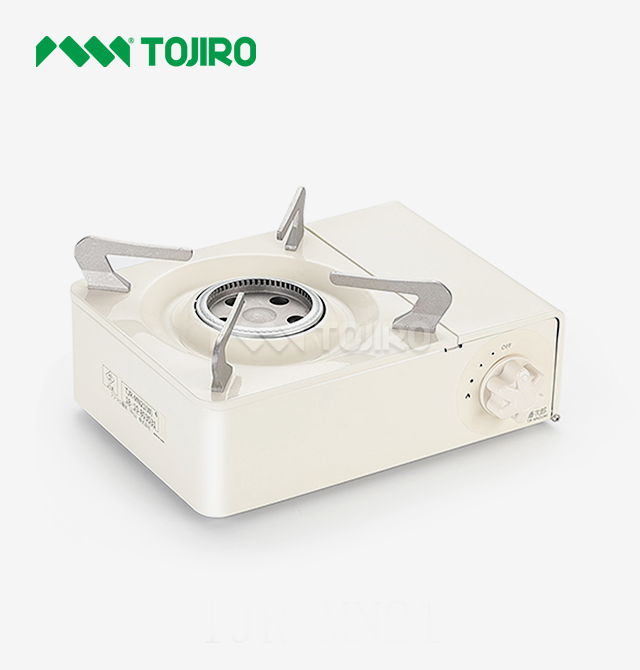 VIEW MOREburner butane camping stove
_1763619738116.webp) VIEW MORE12 volt water heater for rv
VIEW MORE12 volt water heater for rv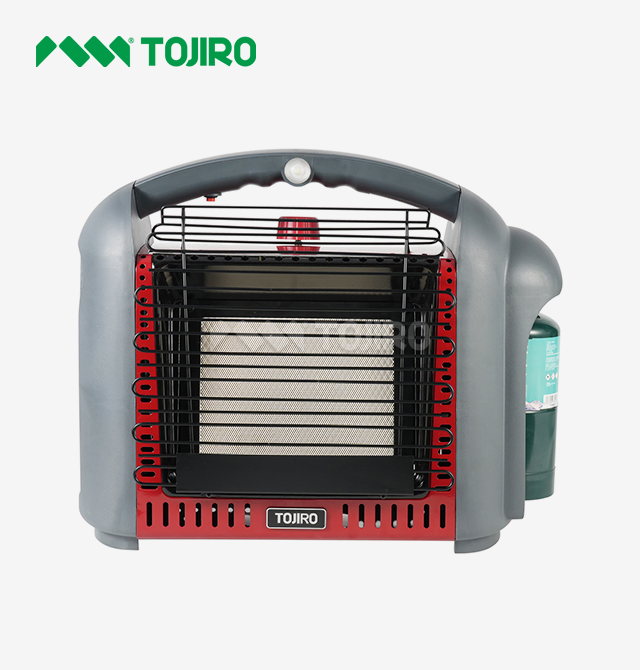 VIEW MOREsmall portable outdoor heater
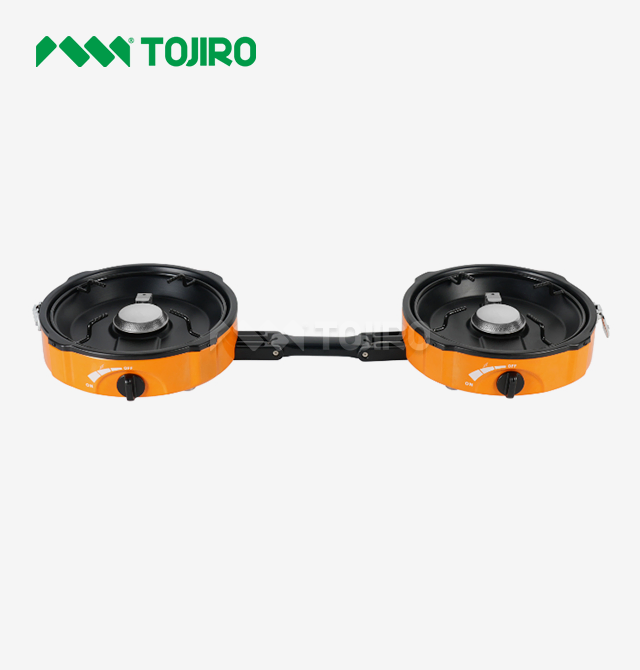 VIEW MOREportable double camping stove
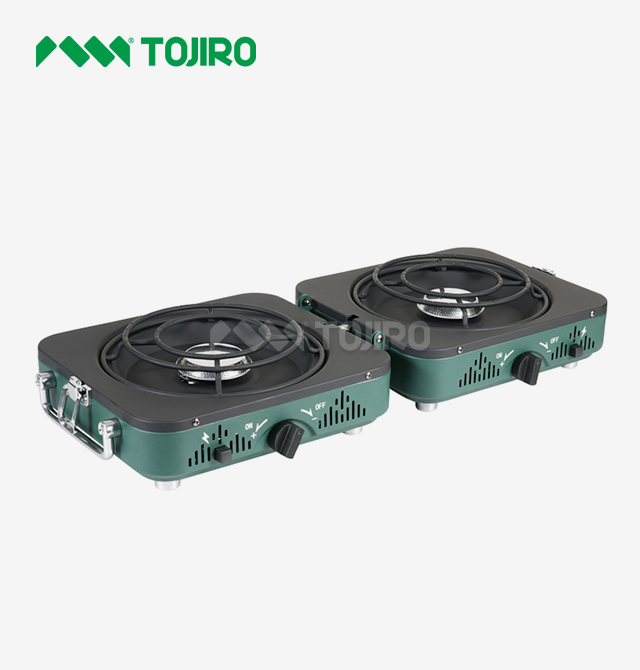 VIEW MOREtwo burner butane camp stove
 VIEW MORE2 burner portable camping stove
 VIEW MOREbest camp stove for overlanding
 VIEW MORE2 burner portable butane stove